
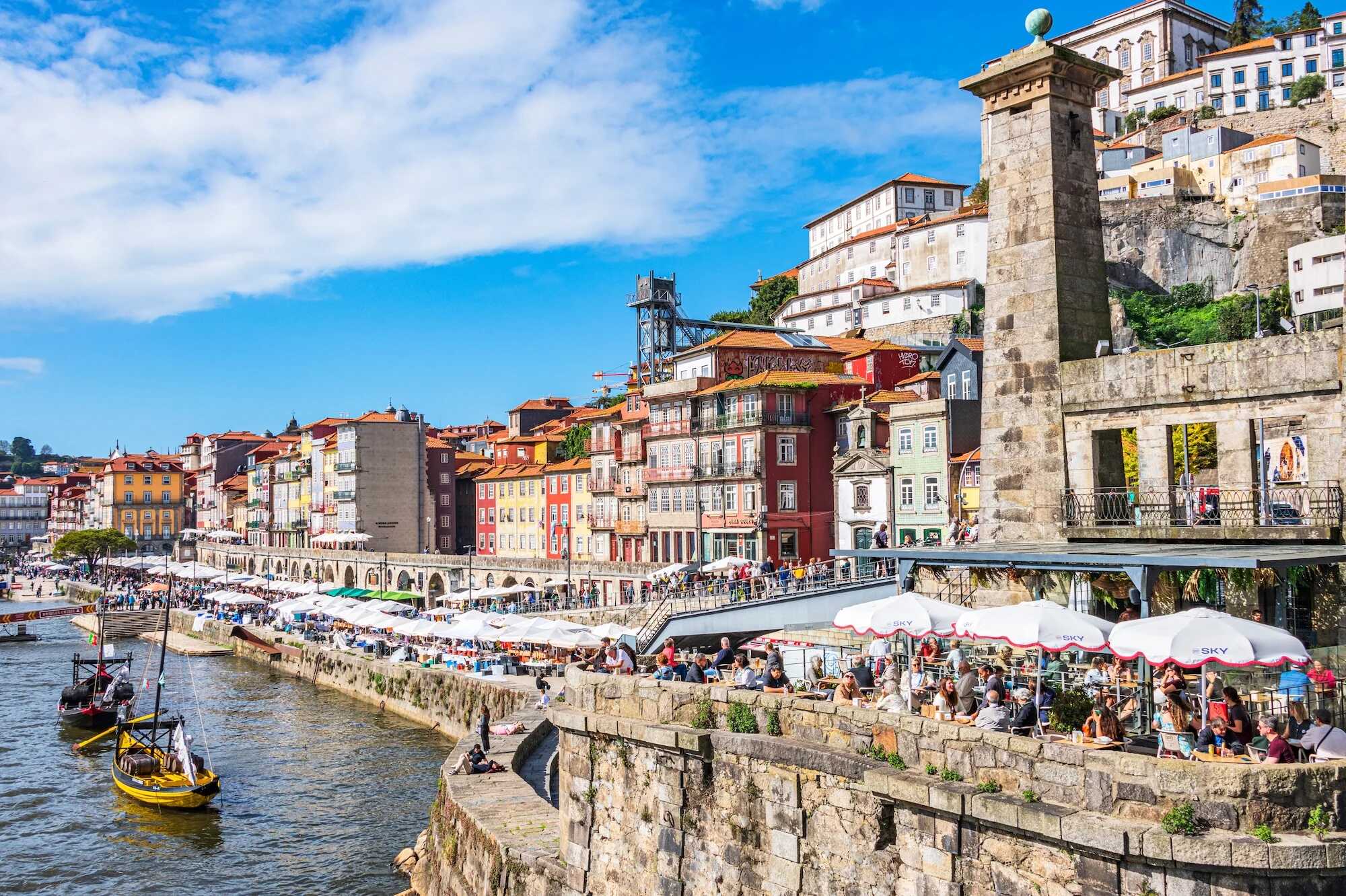
Choosing where to stay in Porto shapes your whole trip. The city is compact, but a riverside apartment in Ribeira, a flat on a gallery street in Cedofeita and a beach rental in Foz do Douro feel like three different vacations.
This guide compares 9 Porto neighborhoods by vibe, price, hills and transit, plus what to know before you book. Start with the quick answer below, or jump to the neighborhood that sounds most like your trip.
A few places nearby — see all in Porto
Where to stay in Porto: the quick answer
The best places to stay in Porto for a first visit are Ribeira and Baixa, where you can walk to almost every major sight. For a more local feel, choose Cedofeita or Bonfim. For beaches and a slower pace, look at Foz do Douro or Matosinhos.
Hills and transit matter more than most travelers expect, so weigh both alongside the vibe. Use this table to narrow it down, then read the details below.
| If you want | Stay in | Price* | Why |
|---|---|---|---|
| Your first visit | Ribeira or Baixa | $$$ | Walk to the river, bridge, cathedral and Clérigos tower |
| Nightlife | Baixa | $$$ | Rua da Galeria de Paris is the city’s main bar street |
| Central but quieter | Miragaia | $$$ | Riverside and walkable, with fewer crowds than Ribeira |
| A local, creative vibe | Cedofeita | $$ | Galleries, independent shops and brunch cafés |
| Lower prices | Bonfim | $ | Residential, less touristy and usually cheaper |
| Port wine and views | Vila Nova de Gaia | $$ | Port lodges and the classic view back across the river |
| Modern stays, fewer hills | Boavista | $$$ | Business district with strong metro links |
| Beach with city access | Foz do Douro | $$$ | Upscale seaside area at the mouth of the Douro |
| Surf and seafood | Matosinhos | $$ | Porto’s best sandy beach, on the metro |
*Price guide for vacation rentals: $$$ = above Porto’s citywide average of about $128 a night, $$ = around average, $ = below average. Prices vary by season and listing, so treat them as approximate.
What to know before you book a place in Porto

The hills are real. Baixa sits on two hills above the river, and Ribeira is a maze of steep lanes and stairways. If anyone in your group has mobility issues, check how far the rental is from the nearest metro stop, and ask whether the building has an elevator.
There’s a nightly tourist tax. Porto charges €3 per person per night for guests 13 and over, capped at seven nights. Vila Nova de Gaia, a separate city across the river, charges €2.50, and Porto’s council opened a review in September 2026 that could raise its rate to €4.
Licensed rentals show an AL number. Every legal short-term rental in Portugal must display its Alojamento Local (AL) registration number on the listing. If it’s missing, ask the host before you book.
Prices vary a lot by neighborhood. Vacation rentals in Ribeira and Foz do Douro typically average around $155 to $200 a night, while residential areas east of the center, like Bonfim and Campanhã, cost noticeably less.* Citywide, the average booked night in a Porto rental was about $128 as of mid-2026.
The metro makes the airport easy. Line E (violet) runs from the airport to the center in about 25 to 30 minutes. Staying near Trindade, Aliados or Bolhão stations saves you a climb with luggage.
The historic trams are a ride, not a commute. Tram 1 runs along the river from Infante to Foz in about 40 minutes, but it needs its own ticket and lines can be long. Bus 500 covers the same route for less.
Best neighborhoods to stay in Porto
Ribeira: best for first-timers
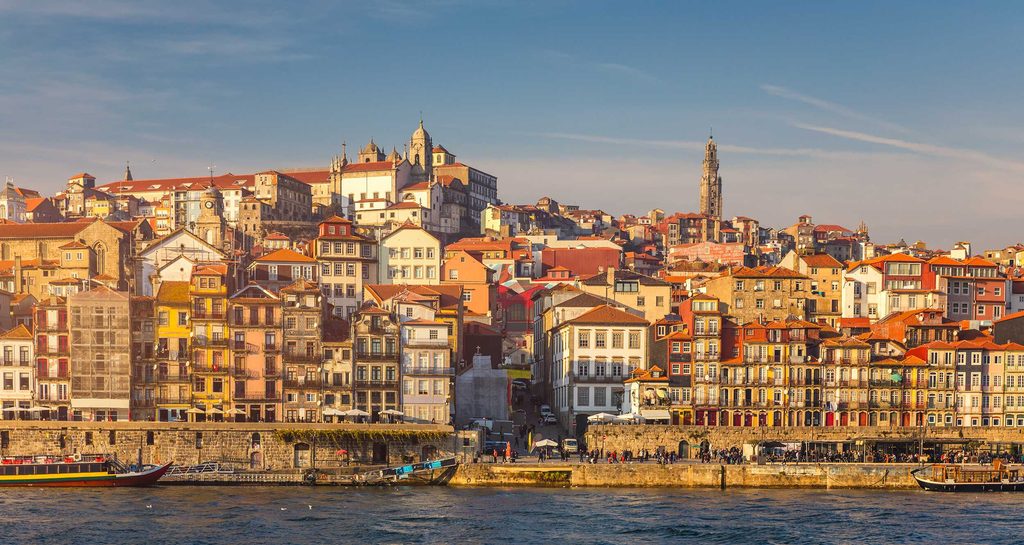
Ribeira is the postcard Porto: colorful houses stacked above the Douro, riverside terraces and views of the Dom Luís I Bridge. It sits inside Porto’s historic center, a UNESCO World Heritage Site since 1996.
You can walk to the cathedral, São Bento station and the bridge to Gaia. The trade-offs are steep stairways, busy crowds and late-night noise along the waterfront.
Best for: first-timers and couples. Price: $$$. Getting around: on foot, plus the Guindais funicular from the lower deck of the bridge up toward Batalha.
Baixa and Sé: best for nightlife and easy transit
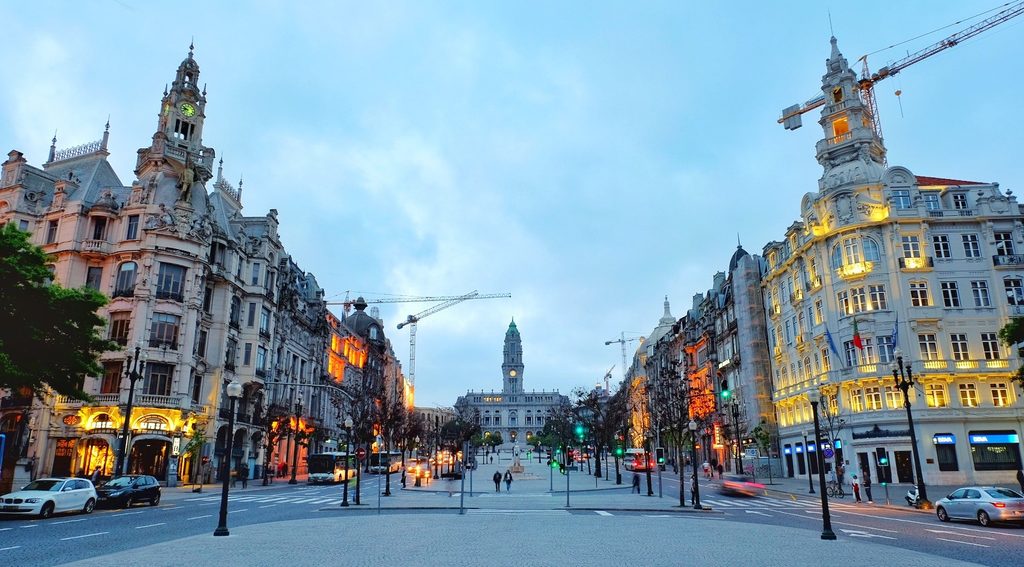
Baixa is Porto’s downtown, built around the grand Avenida dos Aliados. The cathedral (Sé) crowns one hill and the Clérigos tower another, with Rua das Flores and the restored Bolhão market in between.
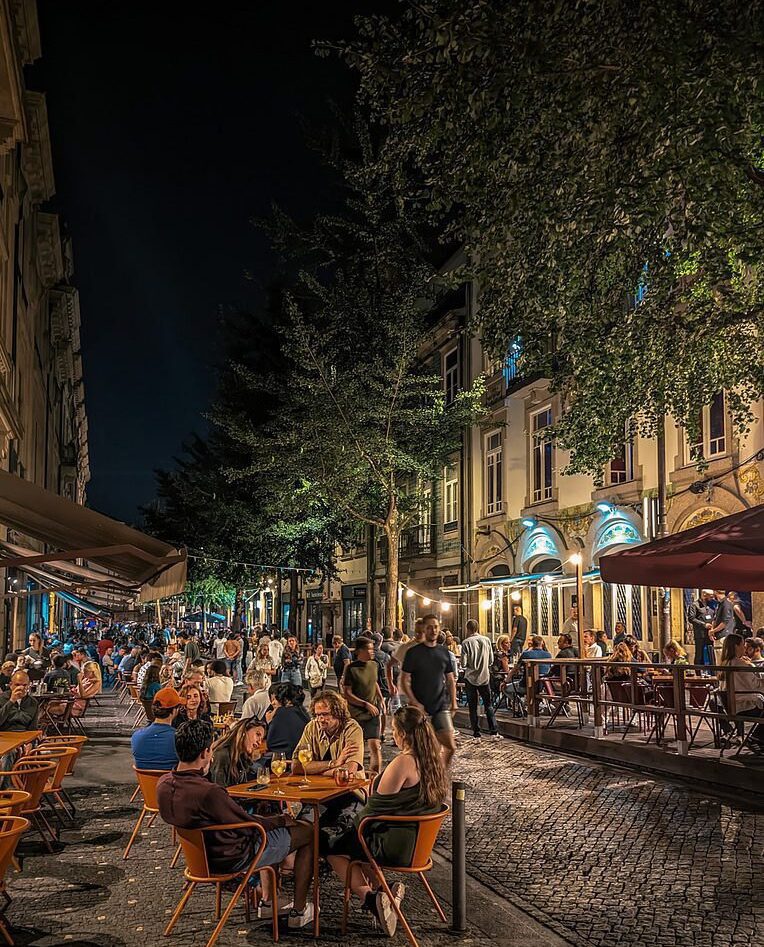
Rua da Galeria de Paris and nearby Rua Cândido dos Reis are the heart of Porto’s nightlife, lined with bars and clubs, so choose a side street if you want sleep. Baixa is also the city’s metro hub, with Trindade, the busiest interchange, at its northern edge.
Best for: first-timers, nightlife and short stays. Price: $$$. Getting around: Aliados, Trindade, Bolhão and São Bento metro stations.
Like the idea of waking up in the old town? Book direct with local property managers and pay no booking fees.
Cedofeita: best for a local, creative vibe
Cedofeita sits just northwest of Baixa and feels younger and more residential. Rua Miguel Bombarda is Porto’s gallery street, where the galleries hold joint opening nights several times a year.
You’re about 15 minutes on foot from the center, close enough to walk but far enough for quiet evenings. Expect brunch cafés, vintage shops and independent designers.

Best for: repeat visitors, longer stays and creative types. Price: $$. Getting around: on foot, about 15 minutes to Baixa.
Miragaia: best for families who want to walk everywhere
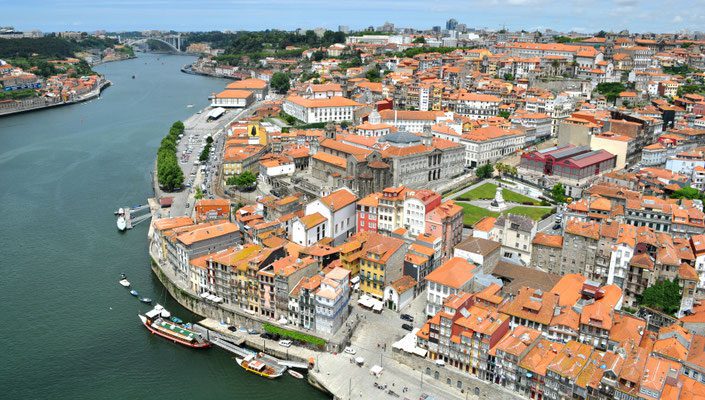
Miragaia runs along the river just west of Ribeira, with the same old-town charm and far fewer crowds. Tram 1 to Foz passes through it.
It’s a smart pick for families with young kids who still want the main sights within walking distance. It’s hilly too, so a rental near the riverfront is easier with a stroller.
Best for: families and travelers who want a quieter base. Price: $$$. Getting around: on foot, tram 1 or bus 500.
Bonfim: best for value and a neighborhood feel
Bonfim spreads east of Baixa and is mostly residential, with older Portuguese families living alongside students and young creatives. It’s known for independent coffee shops, craft beer and the Fontaínhas viewpoint over the Douro.
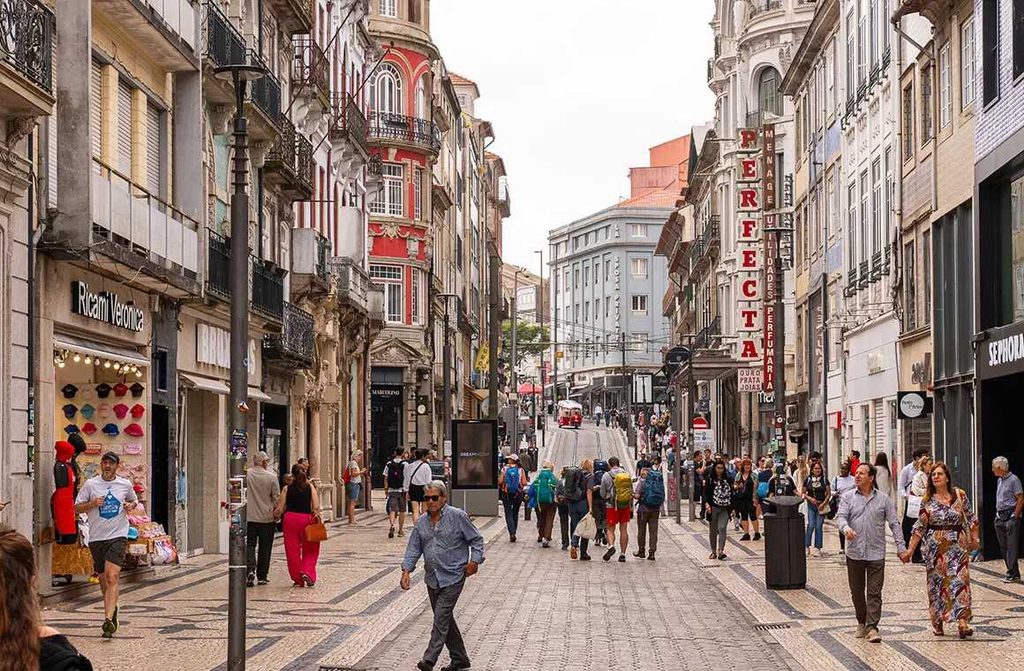
Accommodation here usually costs less than in the center.
*The trade-off is a longer walk to the riverfront sights.
Best for: budget travelers and longer stays. Price: $. Getting around: on foot or metro from Campo 24 de Agosto and Heroísmo stations.
Vila Nova de Gaia: best for port wine and views

Gaia is a separate city across the river, home to the port lodges where Sandeman, Graham’s, Taylor’s and others offer tours and tastings. Its riverfront has the classic view back across to Ribeira.
The metro (Line D) crosses the upper deck of the Dom Luís I Bridge, so central Porto is minutes away. Gaia’s tourist tax is also lower, at €2.50 per night.
Best for: wine lovers and anyone who wants the view rather than the crowds. Price: $$. Getting around: metro Line D or a walk across the bridge.
Boavista: best for modern stays and fewer hills
Boavista is Porto’s business district and one of its most affluent residential areas. It’s home to the Casa da Música concert hall and big modern hotels and apartment buildings.
It has less old-world charm, but the terrain is relatively flat compared with the steep streets around Ribeira, though Avenida da Boavista slopes gently down toward the sea. Casa da Música station is served by five metro lines.
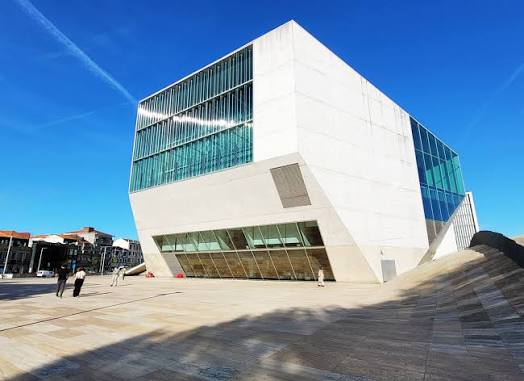
Best for: business travelers and anyone who wants modern amenities. Price: $$$. Getting around: metro Lines A, B, C, E and F.
Foz do Douro: best for beaches with city access
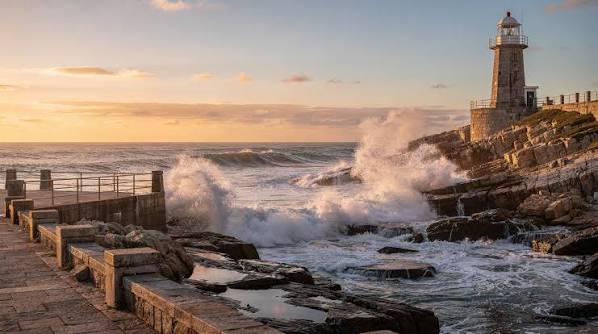
Foz sits where the Douro meets the Atlantic, with an elegant seafront, beaches, seafood restaurants and upscale homes. It’s calmer and more polished than the center, and prices are usually higher.*
Tram 1 follows the river from Infante to Passeio Alegre in about 40 minutes, and bus 500 runs the same route for less.
Best for: families, couples and slower trips. Price: $$$. Getting around: bus 500 or tram 1.
Matosinhos: best for surf and seafood
Matosinhos is a fishing town just north of Foz with the best sandy beach near Porto. It’s known for grilled-fish restaurants and surf schools along its long beach.
It’s a separate city, so you’ll commute into Porto for sightseeing. Metro Line A and bus 500 both connect it to the center.
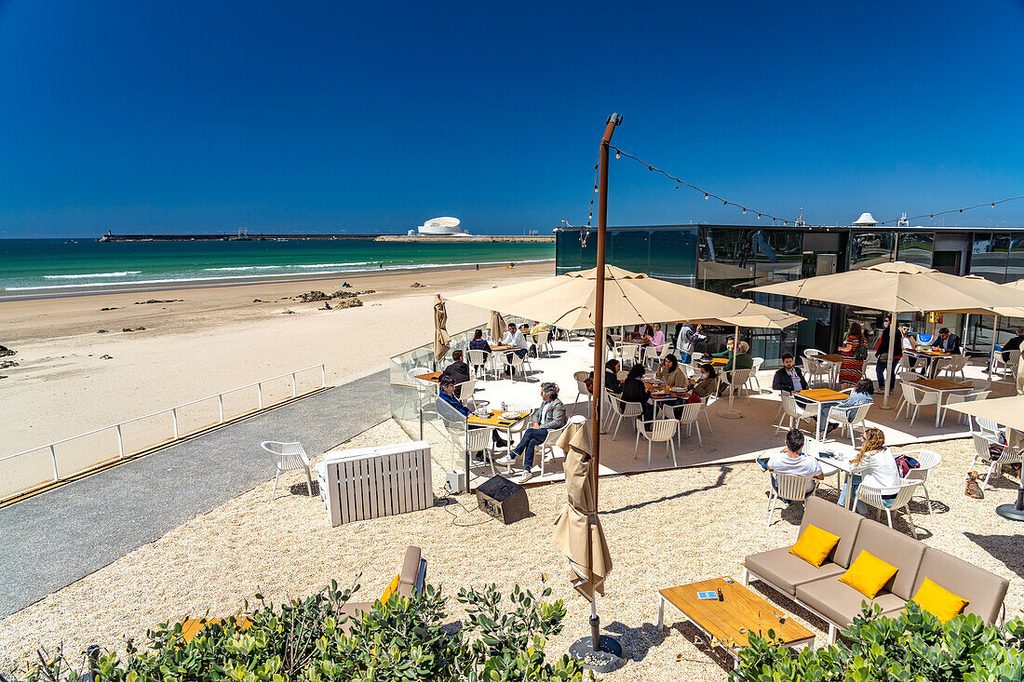
Best for: beach lovers, surfers and food-focused trips. Price: $$. Getting around: metro Line A or bus 500.
Want to be close to the beach? Book direct and pay no booking fees.
Should you book a vacation rental or a hotel in Porto?
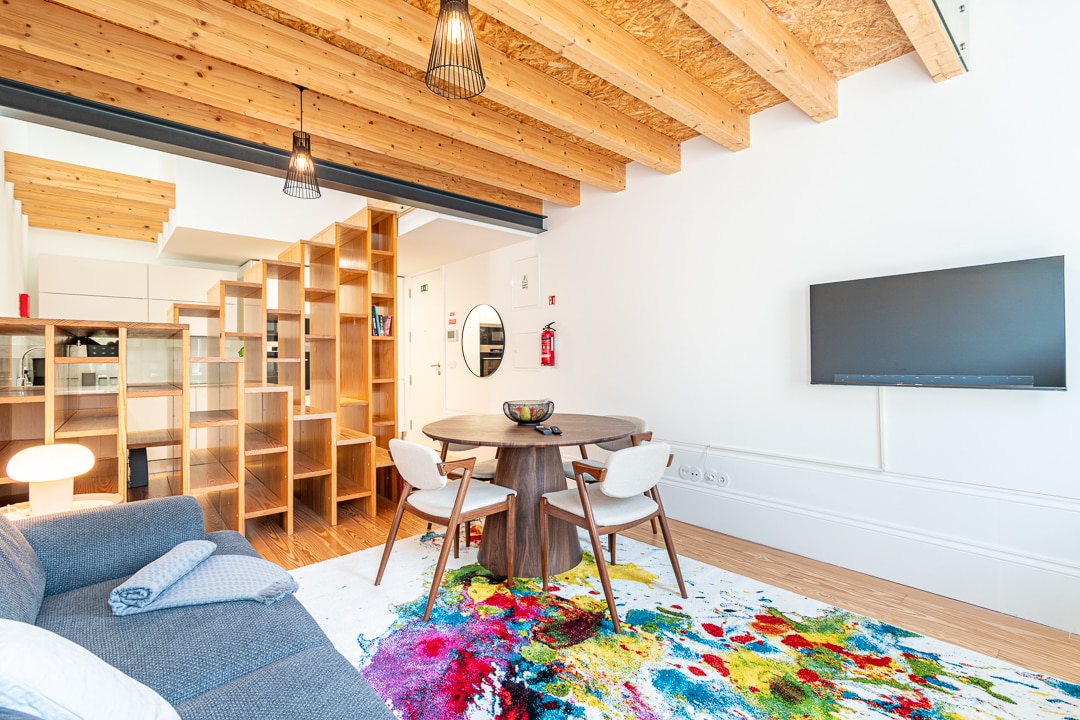
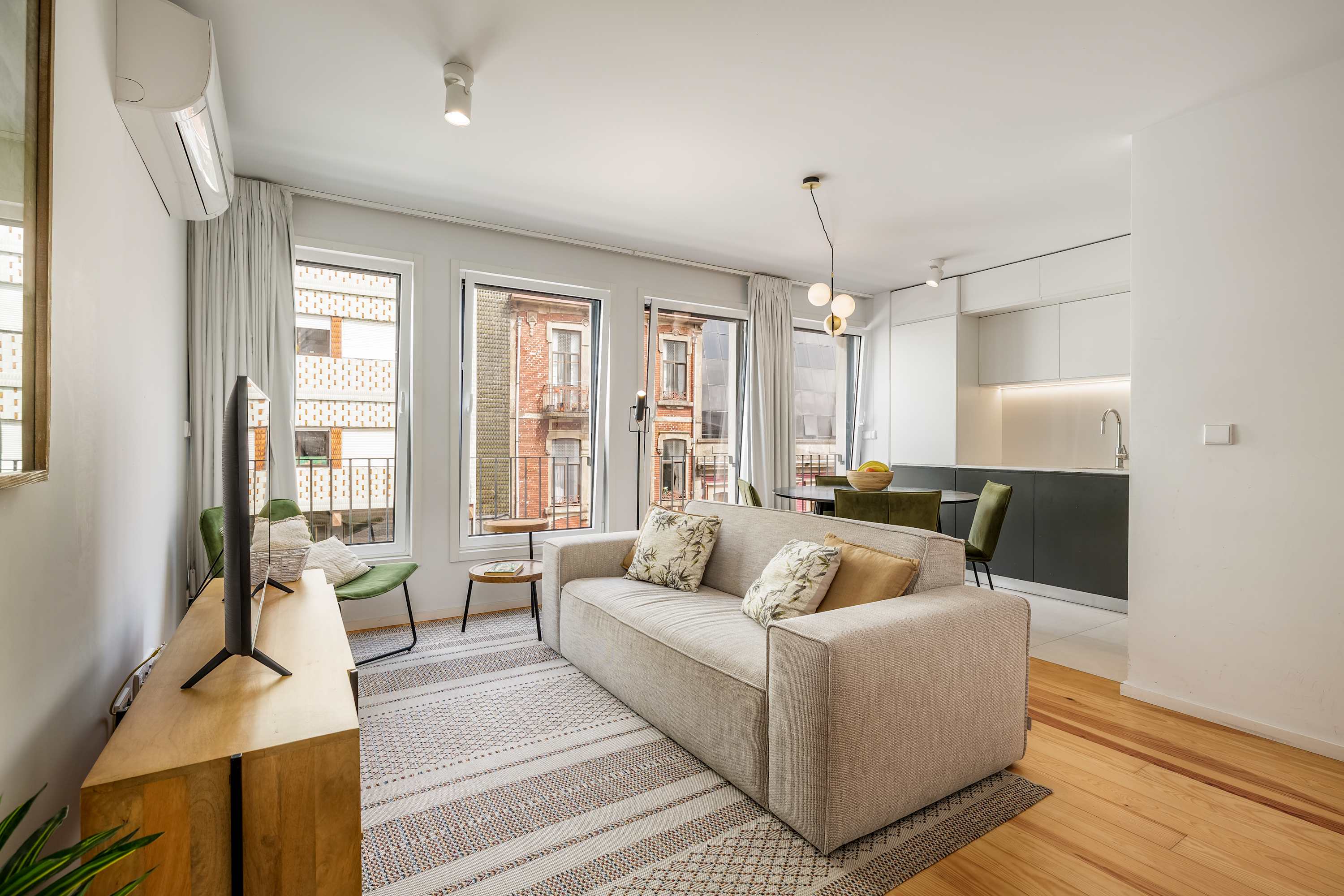
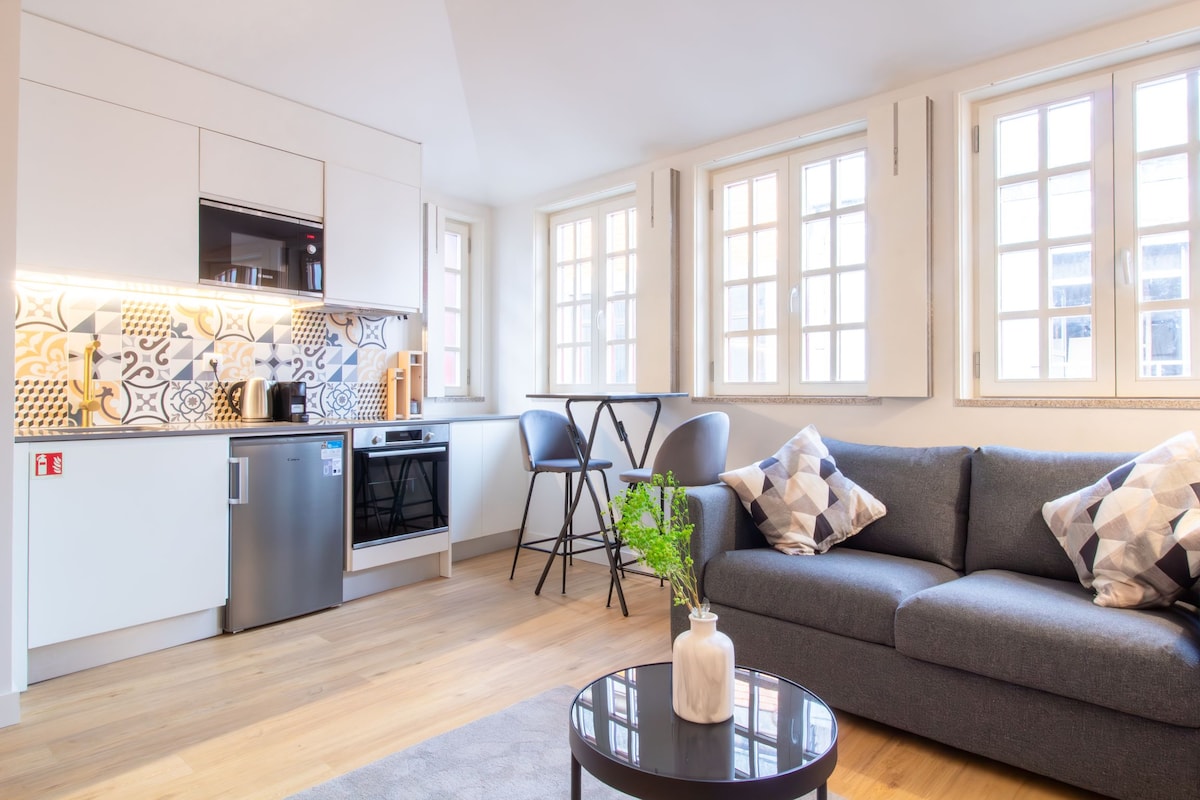
For stays of three nights or more, or for families and groups, a vacation rental usually makes more sense. You get a kitchen for market finds from Bolhão, more space to spread out and often a washing machine.
Hotels win for one-night stopovers and late-night arrivals, when a 24-hour front desk helps. Many central rentals are in older buildings, so check for an elevator and how many stairs lead to the door.
If you book a rental, confirm its AL registration number before you pay. On Stay, you book directly with the property manager and pay no booking fees.
Where to stay in Porto FAQ
What is the best area to stay in Porto?
Ribeira and Baixa are the best areas for most visitors, since nearly every major sight is within walking distance. Choose Baixa if you want easier metro access and nightlife, or Ribeira if river views matter most. Repeat visitors often prefer Cedofeita for a quieter, more local base.
Is it better to stay in Porto or Vila Nova de Gaia?
Stay in Porto if you want to walk to most sights and restaurants. Choose Gaia if port tastings and the view of Ribeira are your priority, since the metro and the Dom Luís I Bridge put central Porto minutes away. Gaia’s tourist tax is also slightly lower, at €2.50 per night versus Porto’s €3.
Is Ribeira a good place to stay?
Yes, if you want to be in the middle of everything and don’t mind stairs or noise. It’s the most scenic part of the city, but riverside streets stay busy late and many buildings are reached by steep steps. Light sleepers should pick a side street or nearby Miragaia.
Where should you stay in Porto to avoid hills?
Boavista is relatively flat compared with the historic center, and Casa da Música station puts five metro lines on its doorstep. In the center, look for a rental within a short, level walk of a metro station such as Aliados or Trindade. Ribeira is the hardest area if steps are a problem.
Where should families stay in Porto?
Miragaia works well for families who want to walk to the sights without Ribeira’s crowds. Foz do Douro is better for beach time and more space, with bus 500 into the center. Either way, a rental with a kitchen and separate bedrooms makes a family trip easier.
Is it worth staying by the beach in Porto?
Yes, if you’re staying four nights or more or traveling in summer. Foz and Matosinhos give you beach days and great seafood, with the old town about 30 to 40 minutes away by bus, tram or metro. For a short first visit, staying central saves time.
How many nights should you stay in Porto?
Two to three nights covers Porto’s main sights. Add a night if you want a full-day trip to the Douro Valley, about 2 hours 20 minutes by train from São Bento to Pinhão.
Ready to pick your neighborhood? Book direct with the property manager, with no booking fees.
Still deciding between cities? Read our guide to Porto vs Lisbon.