
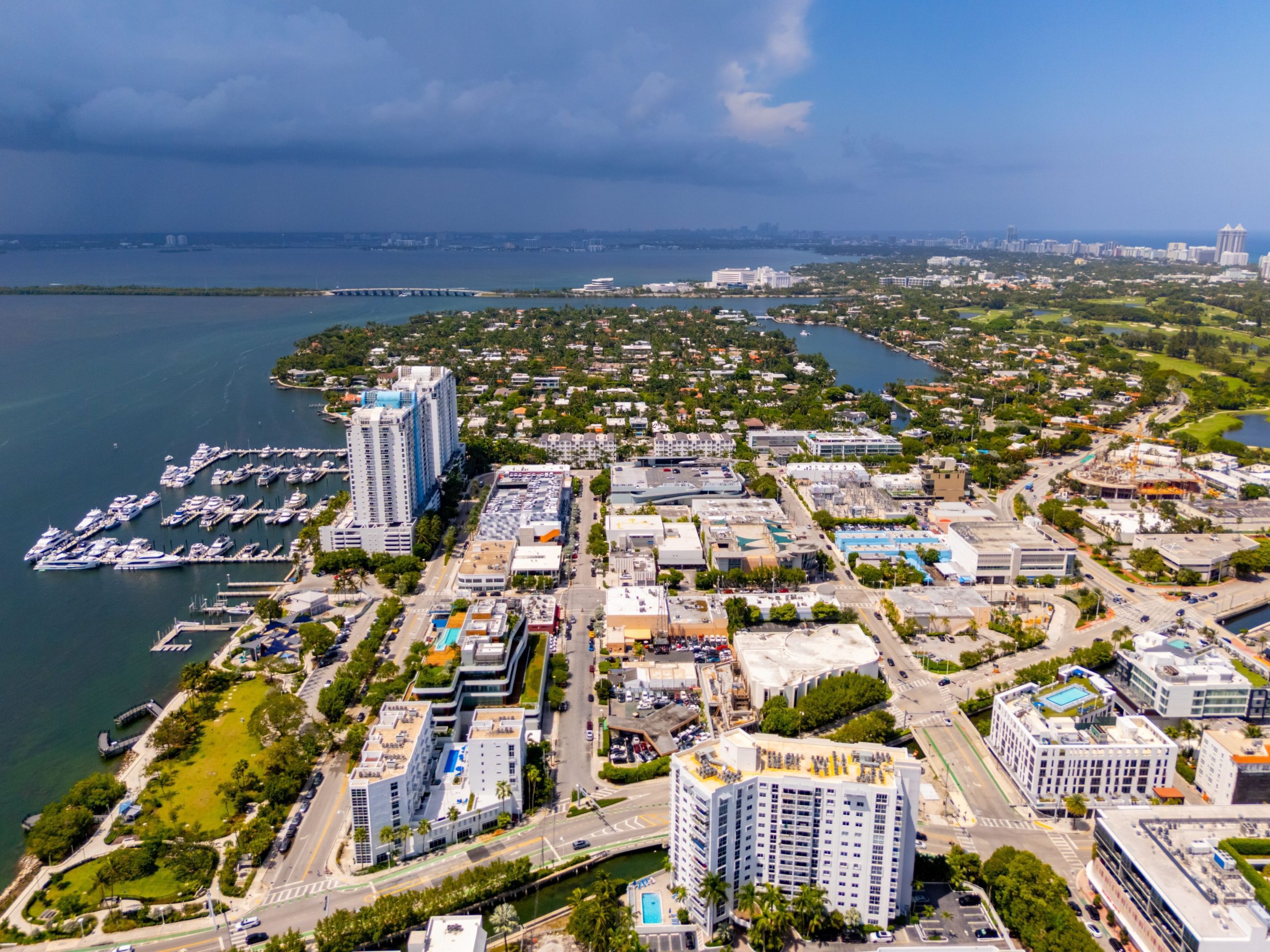
Most lists of Miami Beach areas to avoid focus on crime, but that’s the wrong lens for this specific island city – Miami Beach itself is a small, well-policed barrier island, and its real risks for renters are almost entirely different from what you’d worry about on the mainland.
The bigger issues here are legality, noise and crowding around the entertainment core, seasonal street flooding in a few specific low-lying corridors, and cruise-day traffic near the causeway. This guide walks through each one so you know exactly what to check before you book, not just which neighborhood name sounds nicer.
A few places nearby — see all in Miami Beach
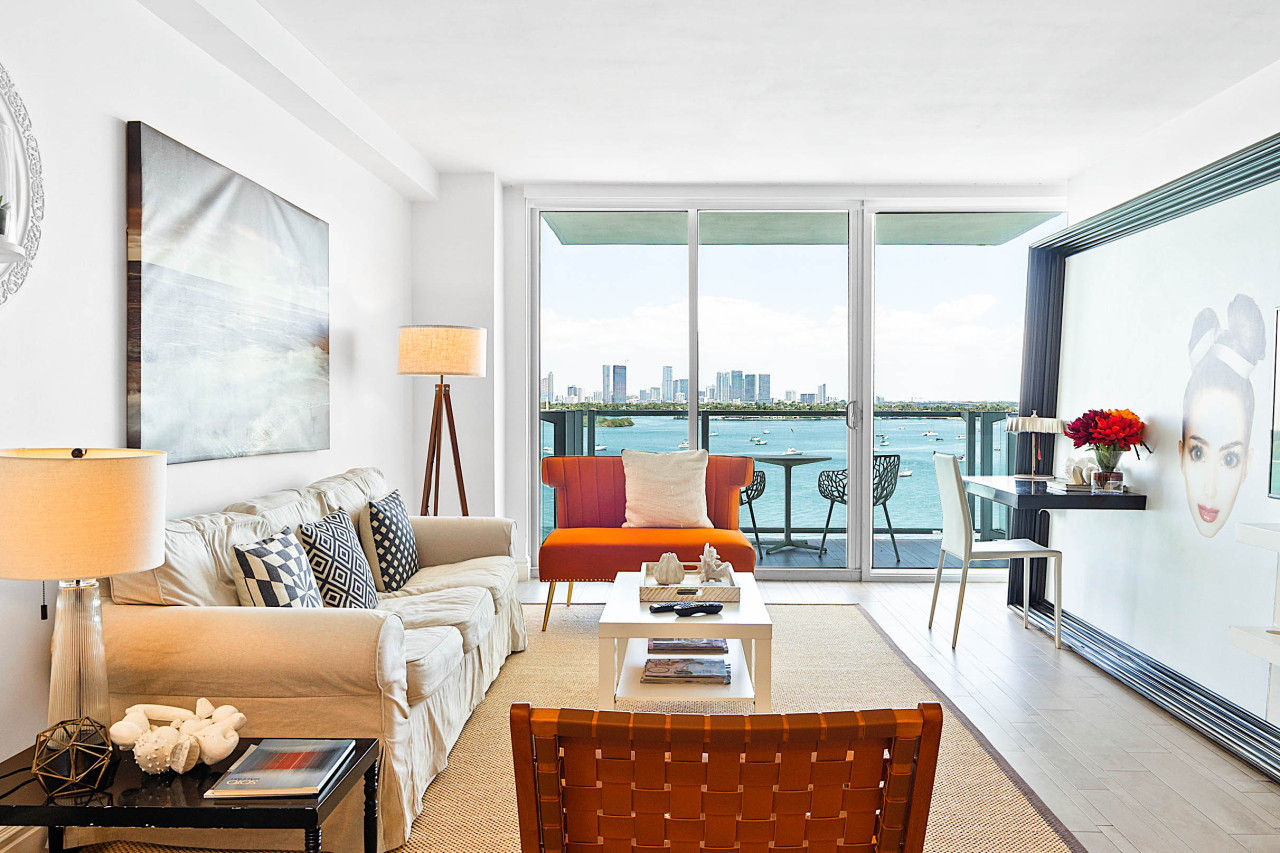
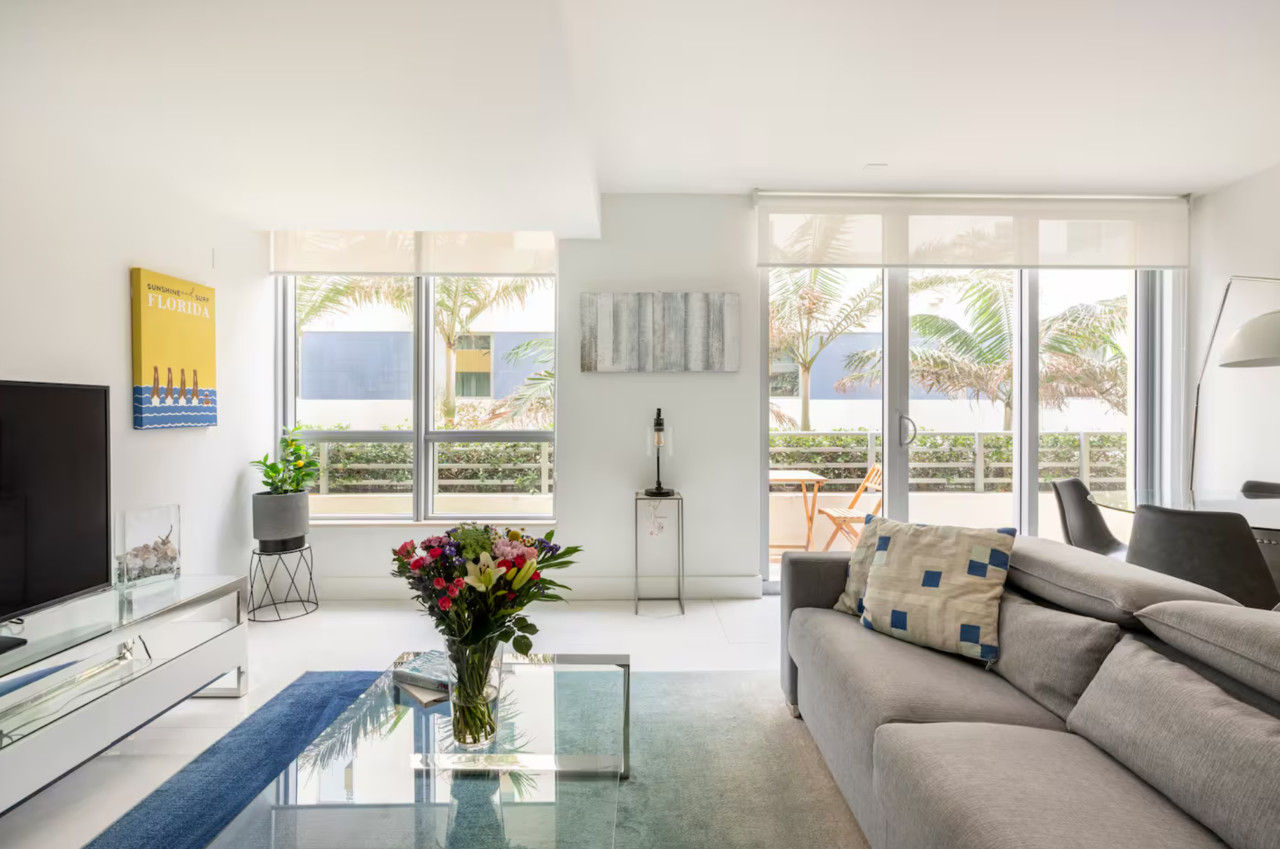
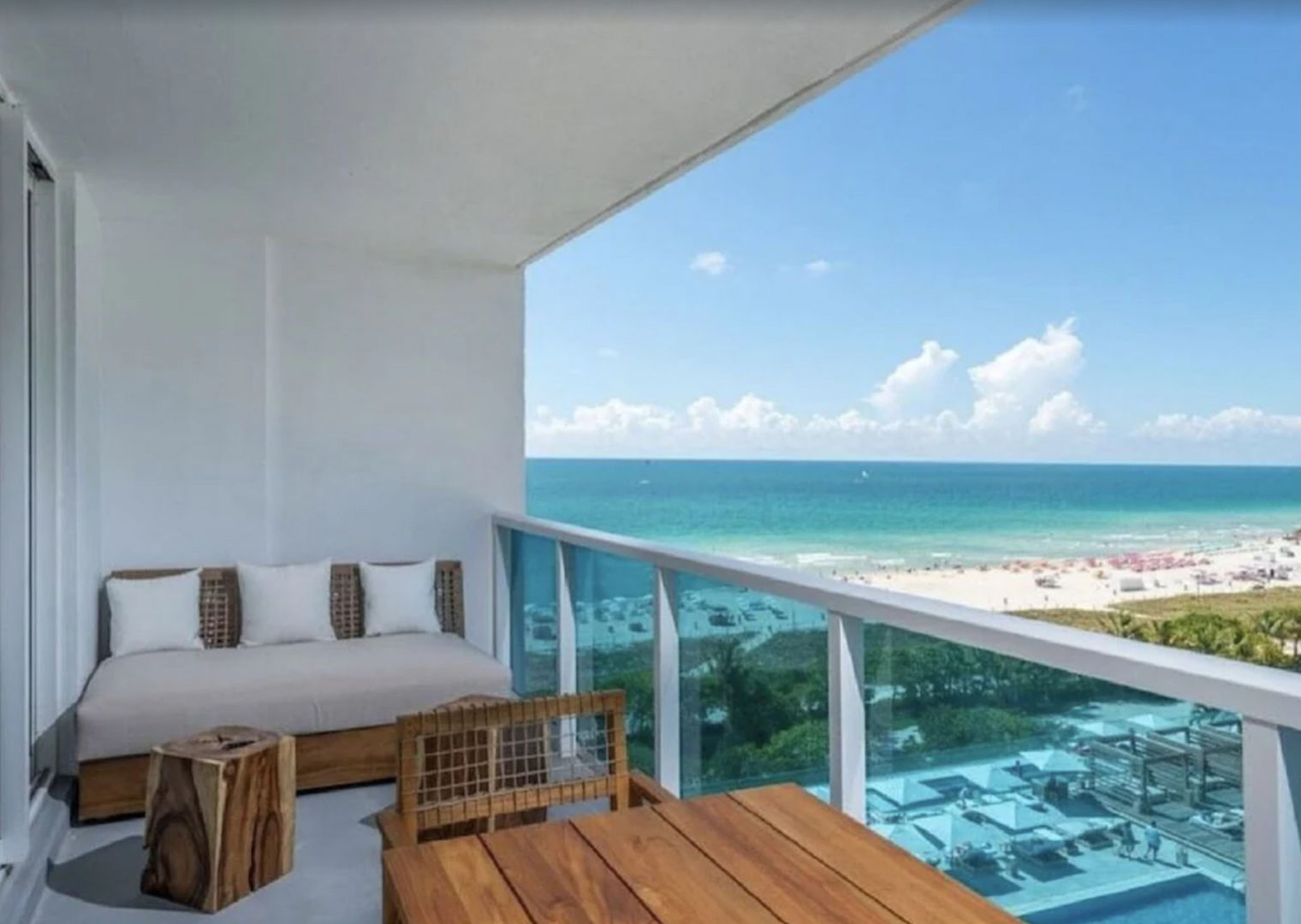
We’re covering this because a rental that looks perfect in photos can still go wrong for reasons that have nothing to do with the property itself, starting with whether it’s even legal to rent in the first place.
Miami Beach Areas to Avoid at a Glance
| Issue | Where It Applies | Why It Matters | What to Do Instead |
|---|---|---|---|
| Unlicensed short-term rentals | Single-family zones: SF, SD-B, RM-1 districts | Guests can be evicted mid-stay; owners face $20,000–$100,000 fines | Verify the address on the city’s short-term rental zoning map |
| Nightlife noise and crowds | Ocean Drive core, roughly 5th–15th Streets | Amplified sound rules are looser here than in residential zones | Book a block or two west of Ocean Drive, or in Mid-Beach |
| Seasonal street flooding | Indian Creek Drive/Collins Ave near 41st St; occasionally West Ave, Alton Rd | King tides (Sept–Nov) can flood streets even on sunny days | Check the flood zone map and avoid ground-floor units in these corridors during king tide weeks |
| Cruise-day traffic | 5th Street/Alton Road approach to the MacArthur Causeway | Multi-ship days back up traffic significantly near the port entrance | Avoid arrival/departure windows that overlap major cruise sailing times |
Miami Beach Short-Term Rental Laws: Why Zoning Matters More Than Neighborhood Name
This is the single most important thing to check before booking in Miami Beach, and it’s specific enough to the city that most generic “areas to avoid” content misses it entirely.
Miami Beach’s Land Development Regulations prohibit rentals under six months and one day in single-family homes and many multifamily buildings across specific zoning districts — labeled SF, SD-B, and RM-1 on the city’s zoning map. That covers large stretches of North Beach’s residential pockets, the private islands (Sunset Islands, Palm Island, Hibiscus Island, Star Island), and much of La Gorce and Biscayne Point.
Booking a listing in one of these zones, even unknowingly, carries real consequences: the city’s Code Compliance division actively monitors listing platforms for unlicensed properties, and enforcement can mean guests being evicted mid-stay with no refund guaranteed, while owners face fines starting at $20,000 for a first offense and scaling toward $100,000 for repeat violations.
Legal short-term rentals in Miami Beach are concentrated instead in:
- The South Beach Entertainment District
- The North Beach Town Center
- Buildings zoned Commercial-Mixed Use, RM-2 or RM-3
Before booking anything that looks like a house or small multi-family building away from the main commercial strip, it’s worth checking the address against the city’s own Practice Safe Renting portal, which lets you verify zoning eligibility before you pay a deposit. A listing with a valid Business Tax Receipt and Resort Tax certificate number displayed is the clearest sign you’re booking something the city actually permits.
It’s worth noting this rule has been legally contentious, a Miami-Dade County court ruling challenged the enforceability of Miami Beach’s ban, and the outcome has been working through appeals. Regardless of how that ultimately settles, the city’s Code Compliance division has continued active enforcement in the meantime, so treating the current zoning map as binding when you book is the safer approach rather than assuming the rules are about to change in your favor mid-trip.
Ocean Drive Miami Beach Nightlife: Great for a Night Out, Rough for a Home Base
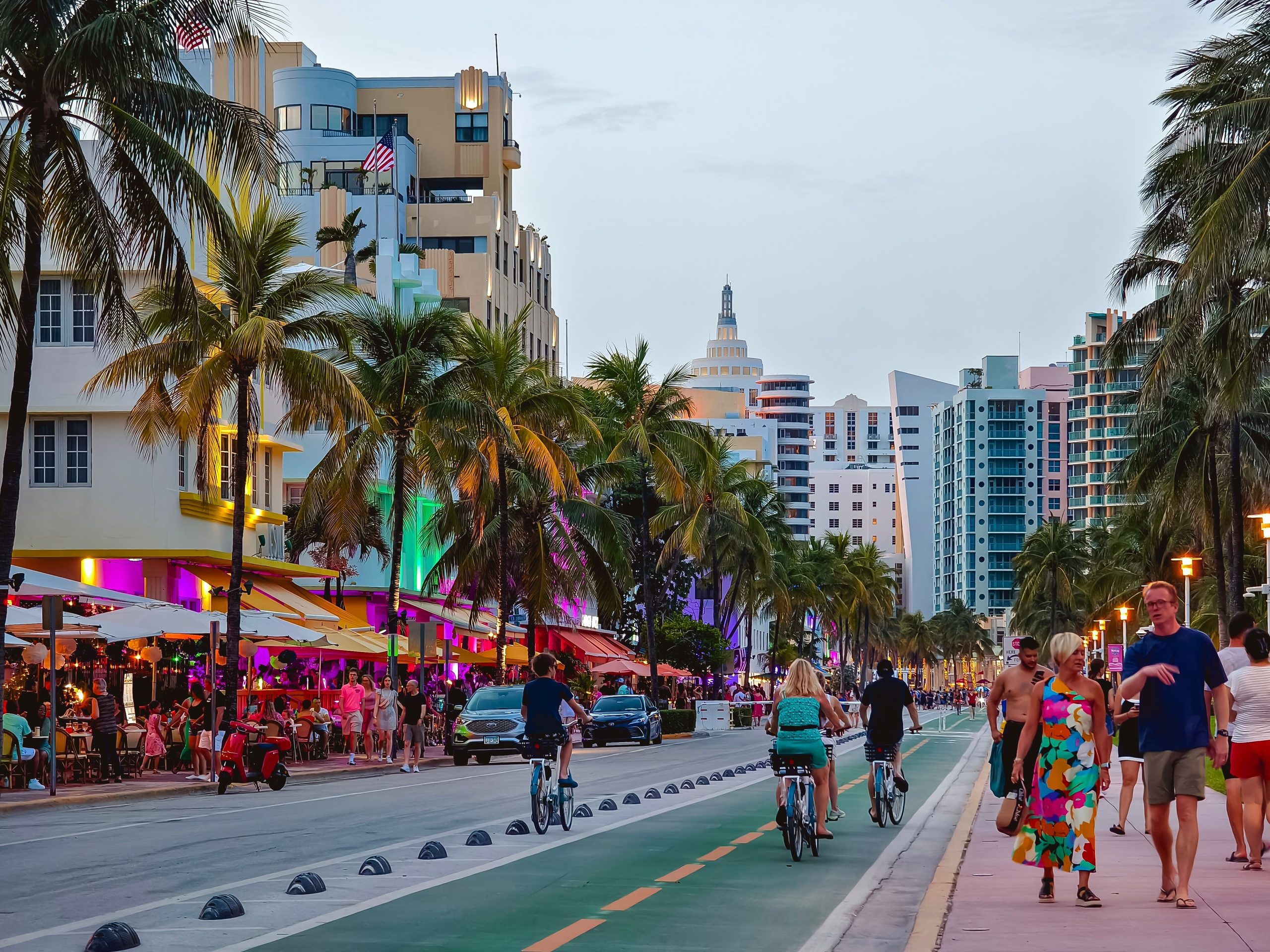
Ocean Drive and the surrounding Entertainment District, roughly 5th to 15th Streets, is where Miami Beach’s postcard image comes from — Art Deco facades, sidewalk cafes, and a nightlife scene that runs late. It’s also exactly where you don’t want to be sleeping if quiet matters to your trip.
The city’s noise rules generally cap amplified sound at 60 decibels after 10 p.m. in residential neighborhoods, but entertainment districts like Ocean Drive and Collins Avenue get considerably more flexibility, especially on weekends and holidays. Add in the aggressive restaurant promoters who work the sidewalks trying to pull tourists into overpriced menus, and the mandatory valet parking that many blocks enforce, and Ocean Drive itself often ends up feeling more like a nightly cover charge than a relaxing home base.
None of this means skip Ocean Drive for a nighttime visit, but think twice about booking your rental here. A property one or two blocks west, on Collins Avenue or further toward Washington Avenue, puts you close enough to walk to the action while giving you a real chance at sleeping through the night.
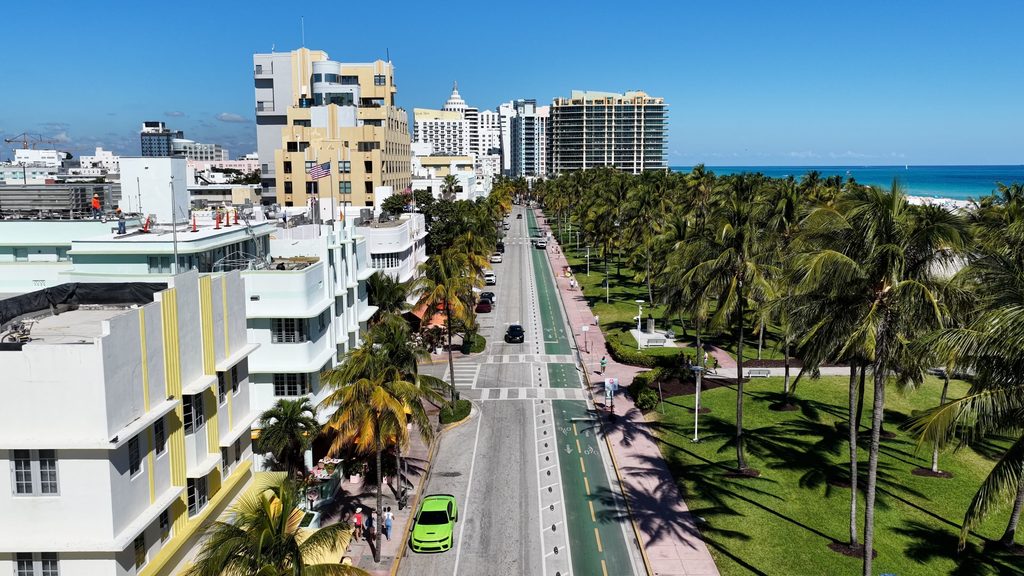
Miami Beach Flooding: King Tide Season and the Streets That Go Underwater
Miami Beach sits barely above sea level, and a handful of specific streets flood on a predictable seasonal schedule that has nothing to do with rain.
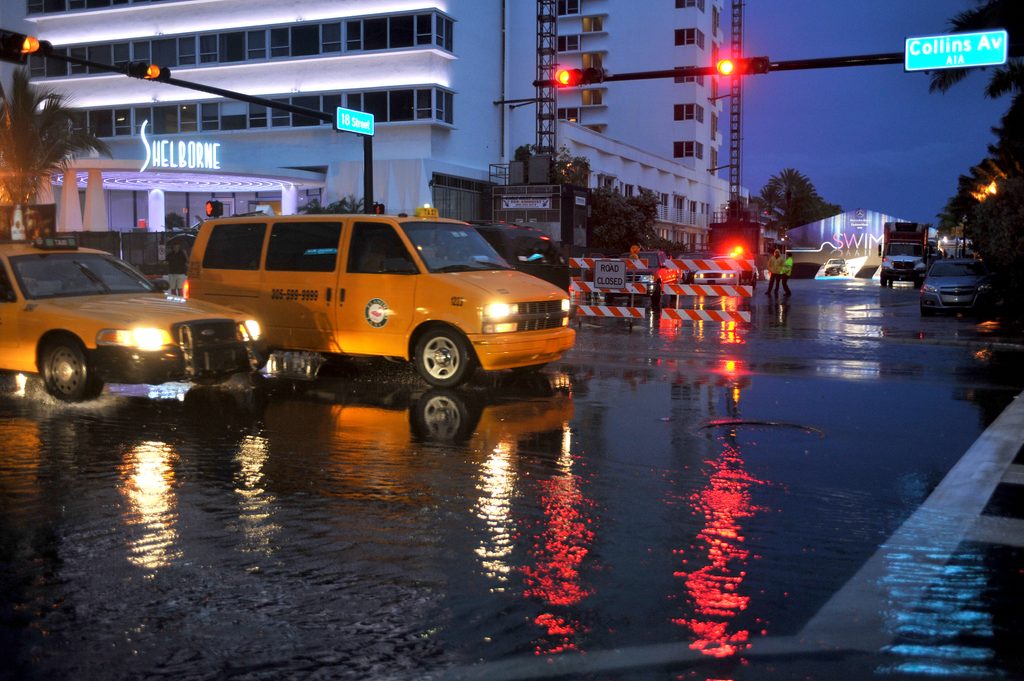
King tides, the year’s highest seasonal tides, typically hit Miami-Dade County in clusters between September and November, and Miami Beach’s low-lying corridors take the brunt of it. The city has installed pump infrastructure that’s meaningfully improved flooding on West Avenue and Alton Road compared to a decade ago, but Indian Creek Drive and the stretch of Collins Avenue near 41st Street remain vulnerable, since those are state-maintained roads without the same pump systems.
Flooding on these streets has closed traffic lanes entirely during past king tide events and can leave sidewalks underwater for hours at a stretch, even on a clear, sunny day.
If your trip falls between September and November, it’s worth checking the city’s flood zone map before booking a ground-floor unit right on one of these corridors, and worth knowing the city runs a King Tide Parking Relief Program offering free temporary parking in designated garages if your street floods during your stay. This isn’t a dealbreaker for a Miami Beach trip because it’s seasonal, predictable, and doesn’t affect most of the island, but it’s exactly the kind of local detail that turns into a bad surprise if nobody mentions it ahead of time.
Practically, this mostly matters for two things: where you park and which floor you’re on. A rental covered or elevated parking is worth prioritizing over street parking if you’re staying anywhere near Indian Creek Drive or upper Collins Avenue during fall months, and a unit on a higher floor sidesteps the flooding question entirely even if the street below it does flood for a few hours around high tide. Rideshare pickups can also be delayed or rerouted during active flooding, so building a little slack into airport transfers during king tide weeks is a reasonable precaution.
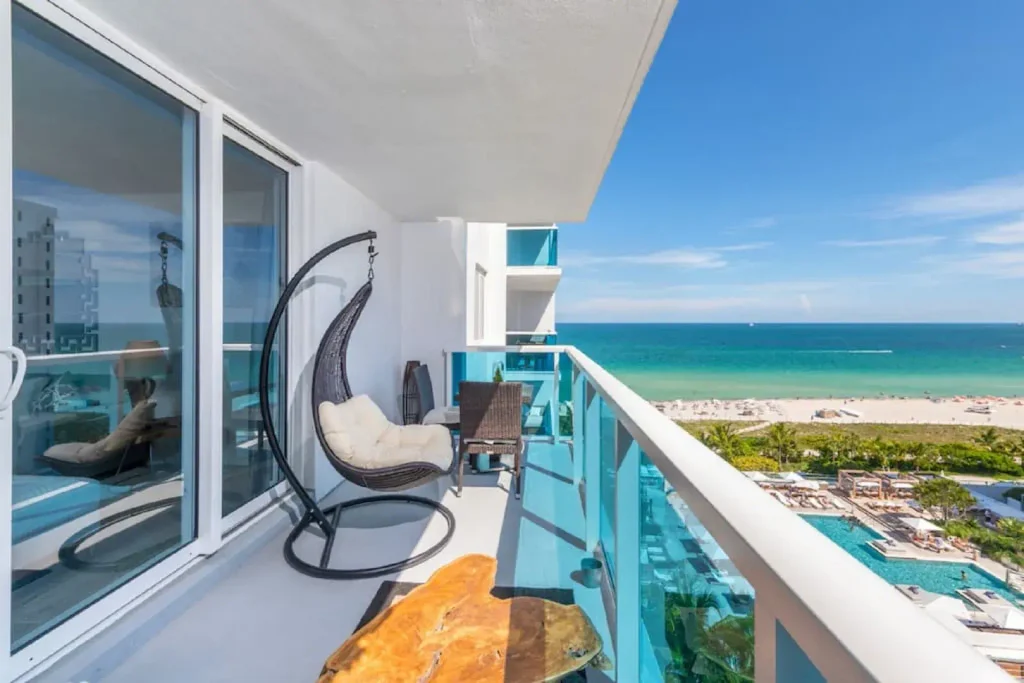

Miami Beach Cruise Port Traffic: The One Corridor Worth Timing Around
PortMiami sits just across the water from South Beach’s southern tip, and the only road connection is the MacArthur Causeway, feeding directly into the 5th Street and Alton Road intersection. On multi-ship days, which happen regularly since PortMiami is one of the busiest cruise ports in the world, that intersection and the causeway approach back up significantly in the morning arrival window and again in the late-afternoon departure window.
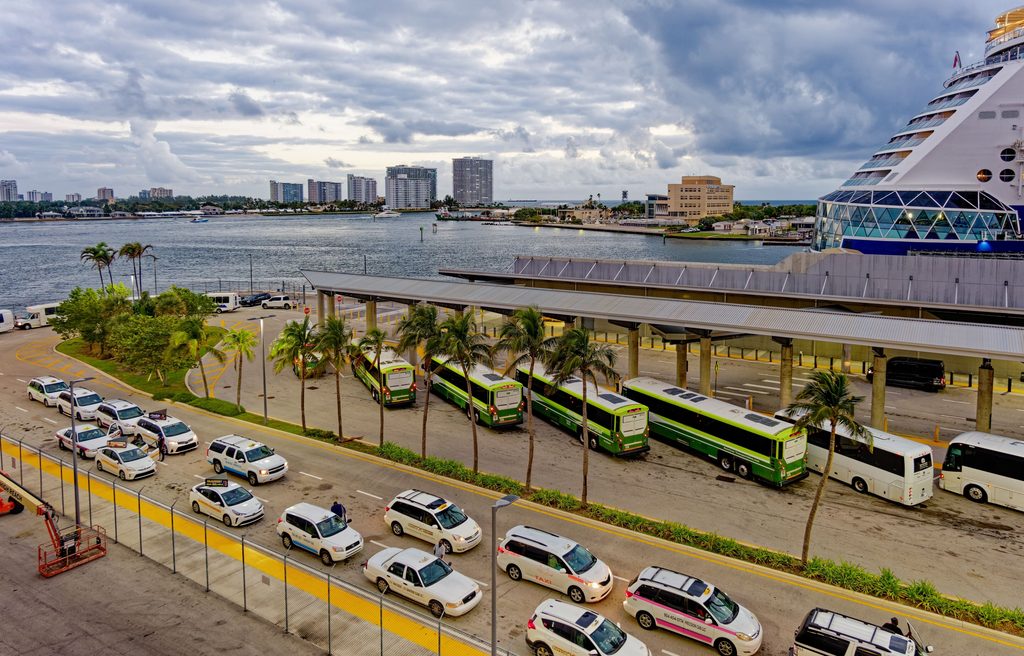
If your rental sits right along that corridor, or if your own arrival or departure happens to overlap with a big cruise turnaround day, plan real buffer time getting on or off the island.
This is a narrow, specific caveat rather than a reason to avoid the surrounding area. South Pointe itself, just south of this corridor, is consistently rated among the calmer, more residential parts of Miami Beach. It’s really the immediate approach roads to the port, not the neighborhood, that deserve the extra planning.
Best Neighborhoods to Stay in Miami Beach Instead
If the goal is a legal rental without the noise, flooding risk, or port traffic described above, a few areas consistently come up as the better trade-off.
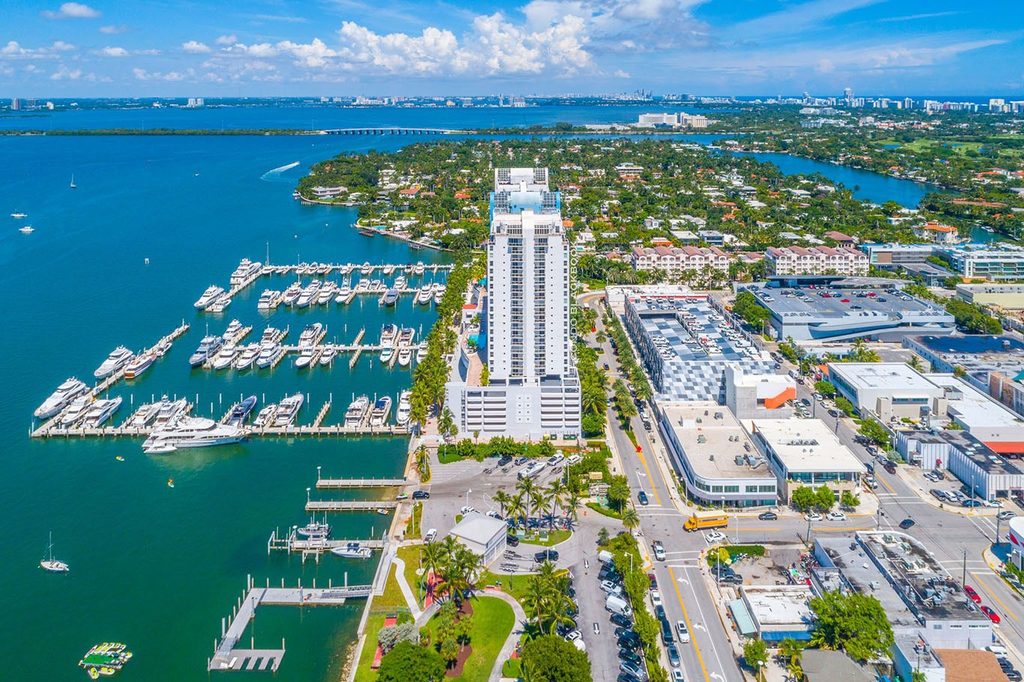
- Sunset Harbour, tucked into Mid-Beach’s mixed-use zoning, has turned into one of the island’s better-kept secrets with a few walkable blocks of restaurants and boutique fitness studios that sit above most of the flood-prone streets and well outside Ocean Drive’s noise footprint.
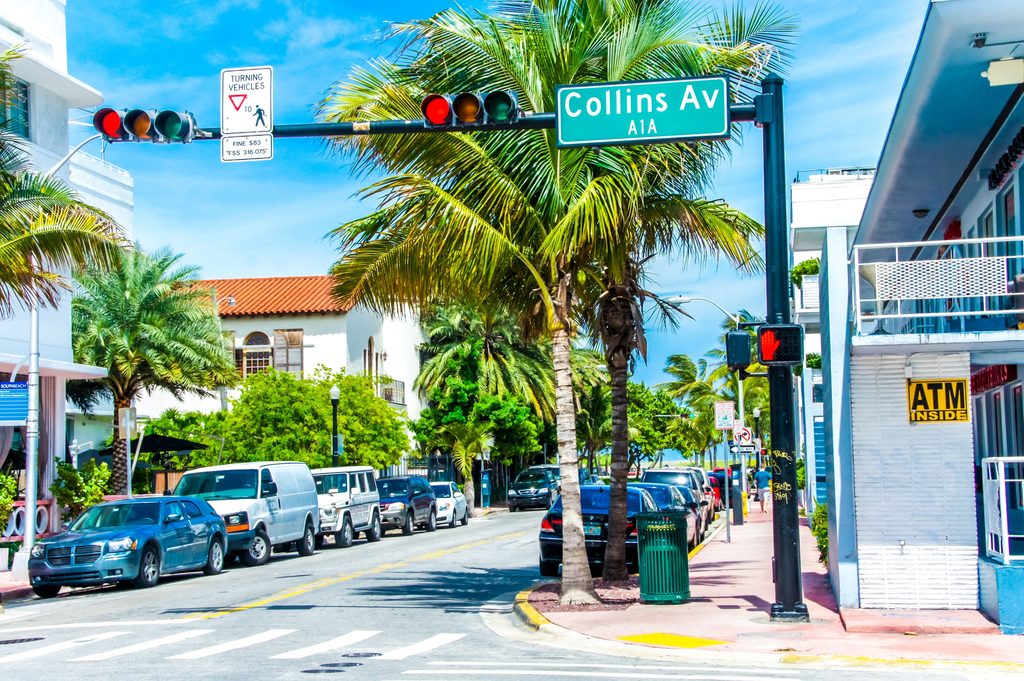
- Mid-Beach more broadly, along Collins Avenue in the 20s through 40s, offers wide, less-crowded beach access without sacrificing proximity to South Beach’s restaurants, and its residential noise rules keep evening quiet.
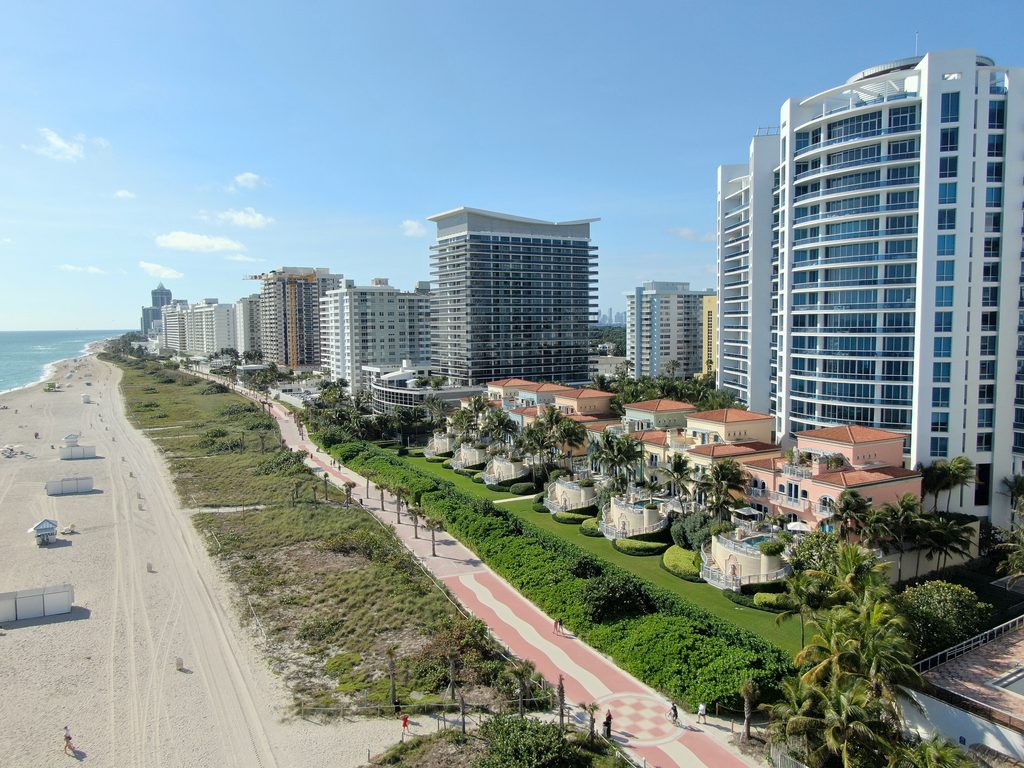
- The North Beach Town Center is the other legal short-term rental zone worth knowing about. It’s further from the entertainment district’s energy, generally lower-priced, and specifically zoned to allow the kind of licensed vacation rental that North Beach’s surrounding single-family streets prohibit.
A private full-kitchen rental in one of these zones tends to make more sense for a longer Miami Beach stay than a hotel room anyway. Group sizing and private pools are more common in Mid-Beach and North Beach’s condo and townhome inventory, and you’re not paying Ocean Drive’s markup on every meal out.


Frequently Asked Questions
Is it legal to rent an AirBnB-style property in Miami Beach?
Only in specific zoning districts. Miami Beach permits short-term rentals mainly in the South Beach Entertainment District, the North Beach Town Center, and buildings zoned RM-2, RM-3, or Commercial-Mixed Use, while banning them in single-family and many multi-family residential zones citywide.
What happens if I book an illegal short-term rental in Miami Beach?
Guests can be evicted from the property mid-stay if the city’s Code Compliance division identifies it as unlicensed, often without a refund guaranteed by the platform. Property owners separately face fines starting at $20,000 for a first violation and scaling toward $100,000 for repeat offenses.
Which Miami Beach streets flood during king tides?
Indian Creek Drive and the section of Collins Avenue near 41st Street are the most consistently affected, since they’re state-maintained roads without the pump infrastructure the city has installed elsewhere. West Avenue and Alton Road have seen meaningfully less flooding since pump upgrades, though isolated flooding still occurs during severe king tide events.
When do king tides happen in Miami Beach?
King tides typically cluster in the fall, generally September through November, based on Miami-Dade County’s seasonal tide predictions. They can cause temporary “sunny day flooding” on low-lying streets even without any rainfall.
Is Ocean Drive a good place to book a vacation rental?
It’s better as a destination for an evening than a home base for sleeping. Noise rules are more permissive on Ocean Drive and Collins Avenue than in residential zones, and the strip stays loud well past midnight most weekends.
Where should I stay in Miami Beach instead of Ocean Drive?
Mid-Beach, particularly the Sunset Harbour area, and the North Beach Town Center both offer walkable restaurant access with quieter evenings and legally zoned short-term rentals. Both sit outside the flood-prone corridors and away from the entertainment district’s noise footprint.
Does cruise ship traffic really affect getting around Miami Beach?
Yes, specifically around the 5th Street and Alton Road approach to the MacArthur Causeway on days with multiple ships in port. Traffic backs up noticeably during morning arrival and late-afternoon departure windows, so it’s worth building in extra time if your travel dates overlap.
How do I check if a Miami Beach rental is in a legal zone before booking?
The city’s Practice Safe Renting portal lets you search a specific address against the zoning map to confirm whether short-term rentals are permitted there. A legitimate listing should also display a valid Business Tax Receipt and Resort Tax certificate number.
Ready to book somewhere quiet and flood-safe?
Browse current vacation rentals in Miami Beach, FL and find a stay that’s already been checked against the zones that actually matter.