
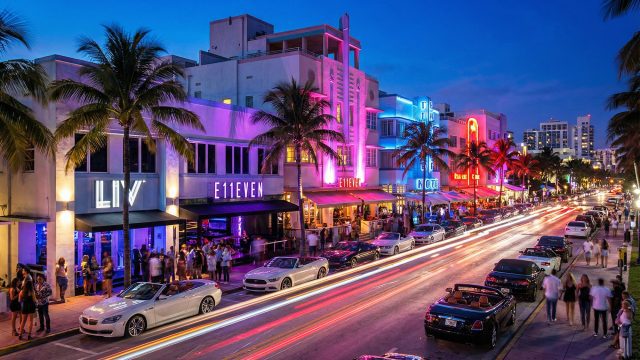
Yes, South Beach is safe for tourists. It’s one of the most heavily policed tourist corridors in Florida, and millions of visitors walk Ocean Drive and Lincoln Road every year without incident. The real risks here aren’t violent crime; they’re petty theft in crowded areas, tourist-targeted scams around water sports and restaurants, rip currents in the ocean, and — specific to booking a stay — the chance of renting a property that isn’t legally zoned for short-term use.
This guide walks through what the actual data and local rules say on each front, so “is South Beach safe” gets a real answer instead of a reassuring shrug. Generic “yes it’s totally safe” content doesn’t help anyone plan around the specific things worth knowing before a trip.
A few places nearby — see all in Miami Beach

South Beach Safety at a Glance
| Safety Factor | What’s Actually True | What to Do |
| Violent crime | Concentrated in mainland Miami neighborhoods (Overtown, Liberty City), not South Beach | No special precaution needed beyond normal urban awareness |
| Petty theft/pickpocketing | Elevated in crowded tourist zones like Ocean Drive and Lincoln Road | Keep valuables secured, avoid leaving bags unattended on the beach |
| Tourist scams | Jet ski/boat tour timeshare pitches, inflated beach rental fees, fake parking attendants | Confirm total pricing in writing, use official PayByPhone meters only |
| Beach/water safety | Rip currents cause the majority of ocean rescues in the area | Always swim near a lifeguard (on duty 9 a.m.–7 p.m.) and check the flag colors |
| Vacation rental legality | Many residential zones prohibit short-term rentals under Miami Beach law | Verify any address against the city’s zoning map before booking |
South Beach Crime Rate: What the Data Shows
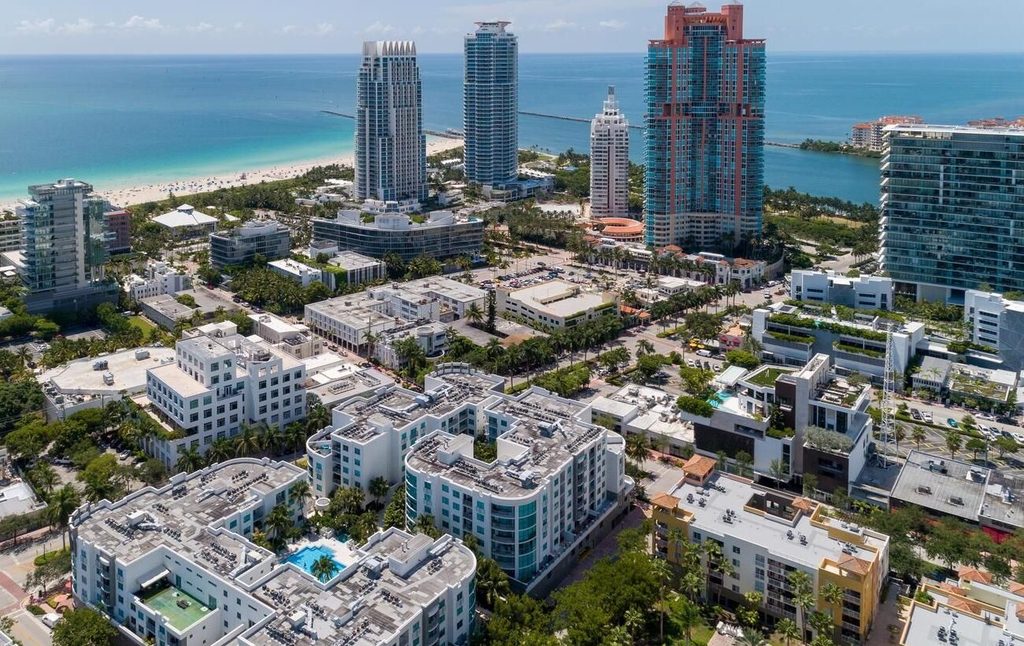
South Beach carries a mixed reputation depending on which source you check, and it’s worth being straightforward about that rather than picking whichever number sounds better.
Local crime-data trackers put South Beach’s overall crime index meaningfully above the national average, driven mostly by property crime and assault categories — figures that reflect how dense and tourist-heavy the area is rather than a uniquely dangerous neighborhood. At the same time, multiple independent Miami-area safety guides consistently describe South Beach’s main tourist corridors like Ocean Drive, Lincoln Road, and the blocks roughly between 5th and 25th Streets as heavily policed and safe for normal tourist activity, day or night.
The honest read:
- South Beach’s numbers look elevated largely because so much happens in a small, densely packed footprint, and most of what actually gets reported is petty theft and disturbances tied to nightlife rather than serious violent crime.
- Miami-Dade’s higher-risk neighborhoods like Overtown, Liberty City, and Allapattah sit on the mainland, not on Miami Beach’s barrier island, and there’s little practical reason for a typical visitor’s itinerary to intersect with them.
- Within South Beach itself, side streets north of the main tourist strip and the stretch after midnight during peak spring break weeks are where a bit more caution is warranted than during a regular afternoon on Ocean Drive.
It’s also worth putting South Beach in context against the rest of Miami Beach and greater Miami rather than judging it in isolation. Neighborhoods like North Beach, Mid-Beach, and the gated community of Fisher Island consistently post lower crime figures than South Beach’s dense entertainment core, simply because they see a fraction of the foot traffic and nightlife activity. .
The Most Common South Beach Tourist Scams
The tourist-facing scams here are well-documented:

- Jet ski and boat tour bookings are the most commonly reported issue. Several operators use “you’ve won a free prize” raffles or unexpectedly good deals as bait to funnel visitors into timeshare presentations, and reviews describe bait-and-switch bookings where the boat or jet ski that shows up doesn’t match what was advertised. If a jet ski rental seems unusually cheap, expect the final price to climb once you’re at the counter through added “insurance,” fuel, or service fees that weren’t disclosed upfront.
- Ocean Drive’s restaurant scene has its own version of this: flashy menus, oversized seafood platters, and neon cocktails designed to pull tourists in, sometimes with pricing that only becomes clear once the bill arrives. Confirming prices before ordering, especially for anything priced “market rate” or without a number listed, avoids most of this.
- Parking is the other recurring complaint. People posing as informal “attendants” collect cash for public street parking that’s actually free or metered through the official PayByPhone app; anyone asking for cash without a uniform or visible city credentials in a public lot is a signal to walk away and use a metered spot instead.


Miami Beach Rip Currents Are a Real Risk
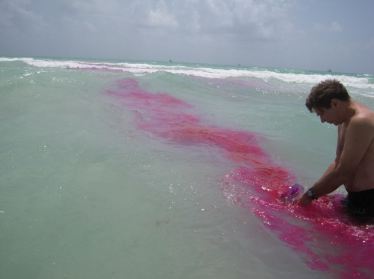
If there’s one safety issue in South Beach worth taking more seriously than most visitors do, it’s the ocean itself. Rip currents account for the large majority of beach rescues along this stretch of coast, and they’re dangerous because the water can look calm on a clear, sunny day while a strong current runs just beneath the surface.
Miami Beach Ocean Rescue staffs lifeguard towers daily from 9 a.m. to 7 p.m., and each tower flies a color-coded flag. Checking the nearest tower’s flags before getting in the water takes ten seconds and is the most effective precaution available:
- A single red flag means unusually dangerous conditions with strong currents or high surf
- Two red flags mean the water is closed to swimming entirely.
Risk peaks during spring break in March and April and again through the summer months, when both wave activity and beach crowds are at their highest. If you do get caught in a rip current, the standard guidance is to stay calm and swim parallel to the shore rather than fighting directly against the current, which runs out to sea rather than pulling swimmers under. The Miami Beach Ocean Rescue hotline, (305) 673-7714, provides current beach conditions if you’d rather check before heading down.
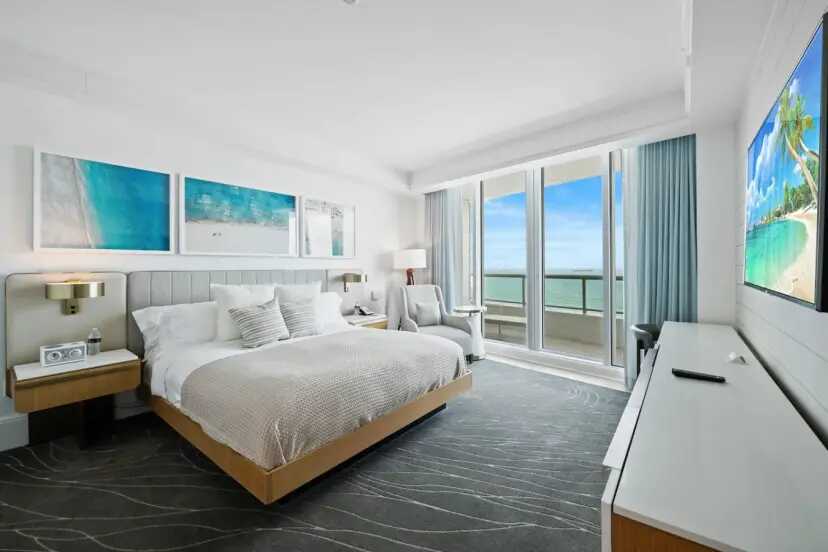
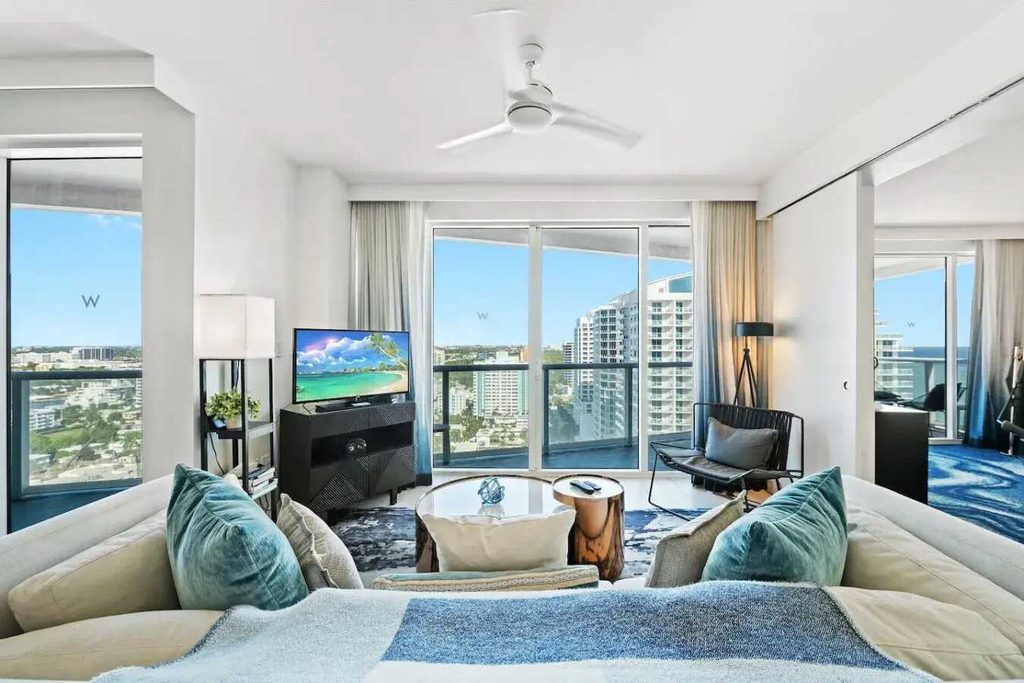
Is It Safe to Book a Vacation Rental in South Beach?
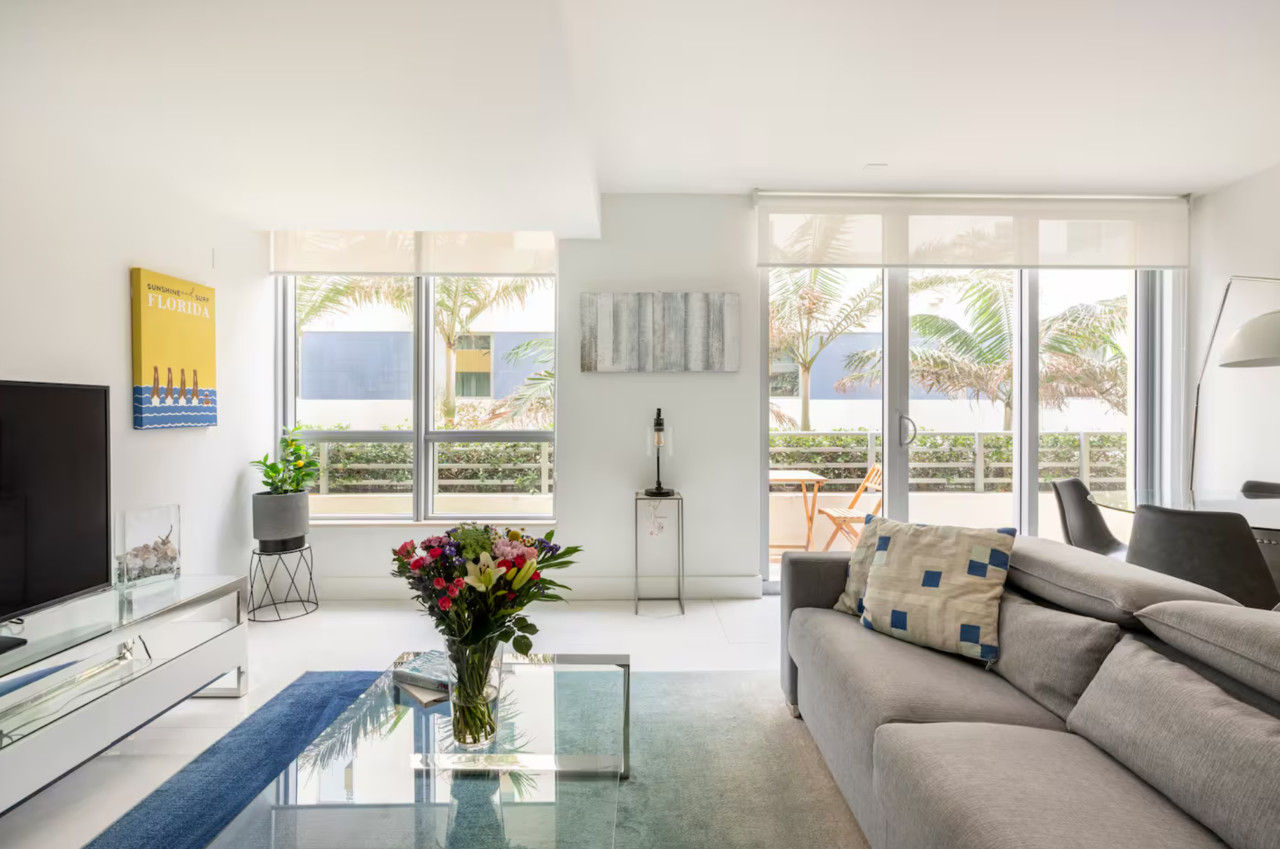
The real risk with a South Beach vacation rental is booking a listing that isn’t legally permitted to operate as a short-term rental in the first place. Miami Beach restricts short-term stays to specific zoning districts, including the South Beach Entertainment District and certain high-density condo zones, while banning them outright in most single-family residential blocks. A listing operating outside a permitted zone can be shut down by the city’s Code Compliance division mid-stay, and while enforcement targets the property owner with fines that can reach $100,000, guests are the ones who end up displaced with no guaranteed refund.
Beyond legality, ordinary rental-safety practices still apply:
- Verify the listing has real, recent reviews and a responsive host or property manager.
- Confirm the building has secure entry rather than an easily propped door
- Check that the unit’s location isn’t directly on Ocean Drive if a quiet night’s sleep matters to your trip.
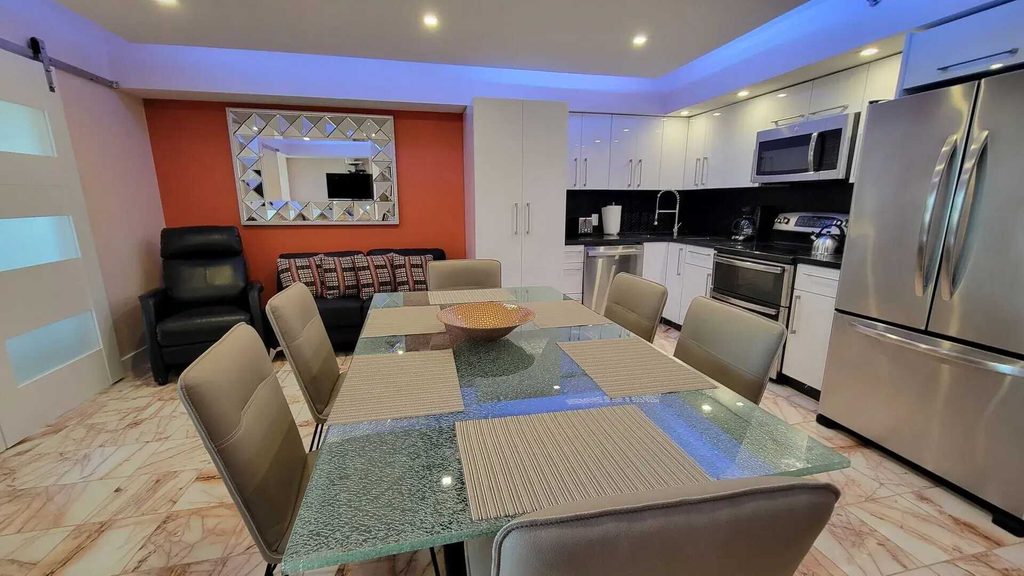
A rental booked through a vetted, small operator that’s already confirmed a property’s zoning and licensing status removes a step most visitors don’t think to check on their own — which is a different kind of “safe” than avoiding a bad neighborhood, but no less important to a trip going smoothly.
Before you book, it’s also worth asking whether the listing displays a Business Tax Receipt number and Resort Tax certificate number — both are required for any legally operating short-term rental in Miami Beach, and their absence is a fast, practical way to spot a listing that may not survive a city inspection during your stay. Combined with checking the address against the city’s zoning map directly, these two checks take a few minutes and eliminate the single biggest South Beach-specific risk most visitors never think to look for.


Practical Safety Tips for Visiting South Beach
A few habits cover most of what actually matters here:
- Stick to well-lit, populated streets after dark — Ocean Drive, Lincoln Road, and the main Collins Avenue corridor stay active and visibly policed well into the night.
- Use a rideshare rather than walking long distances alone late at night, particularly if you’re heading back from a bar or club after midnight.
- Keep phones, wallets, and rental keys off the sand entirely rather than tucked under a towel — beach theft is opportunistic and fast.
- If you’re renting a jet ski, kayak, or any water equipment, book directly through a known operator rather than whoever approaches you on the sidewalk with the best-sounding deal of the day.
Frequently Asked Questions
Is South Beach safe to walk around at night?
Yes, on the main corridors — Ocean Drive, Lincoln Road, and Collins Avenue stay busy and well-lit with visible police presence well past midnight most nights. Side streets away from the main tourist strip warrant more normal caution, especially after midnight during peak spring break weeks in March and April.
What is the crime rate like in South Beach?
Crime-data trackers show South Beach’s overall crime index running meaningfully above the national average, driven mainly by property crime and petty theft in its densely packed tourist zones rather than violent crime. Multiple independent safety guides still describe the area’s main tourist corridors as heavily policed and generally safe for typical visitor activity.
What are the most common tourist scams in South Beach?
Jet ski and boat tour bookings that funnel visitors into timeshare presentations, inflated hidden fees added to beach equipment rentals, and people posing as parking attendants collecting cash for spots that are actually metered or free. Confirming total pricing in writing and paying only through official city parking meters avoids most of these.
Is it safe to swim at South Beach?
Yes, when you swim near a lifeguard and check the flag system before entering the water — a single red flag means dangerous conditions, and two red flags mean the water is closed. Rip currents account for the majority of ocean rescues here, with risk peaking during spring break in March and April and through the summer.
Is it legal to book a short-term rental in South Beach?
Only in specific zoning districts. Miami Beach permits short-term rentals mainly in the South Beach Entertainment District and certain high-density condo zones, while banning them in most single-family residential blocks, so it’s worth verifying any specific address before booking.
What time do lifeguards work in South Beach?
Miami Beach Ocean Rescue lifeguards are on duty daily from 9 a.m. to 7 p.m. Swimming outside those hours means going in without a lifeguard present, which is not recommended given how quickly rip current conditions can develop.
Are jet ski rentals in South Beach safe to book?
They can be, but the category has a documented pattern of bait-and-switch bookings and unexpected timeshare sales pitches disguised as prize raffles. Booking directly through an established operator with clear, written pricing avoids the majority of reported complaints.
Which parts of South Beach should I avoid at night?
There’s no specific block to avoid outright, but side streets away from Ocean Drive, Lincoln Road, and Collins Avenue see less foot traffic and police visibility after midnight. Sticking to well-lit, populated routes and using a rideshare for longer distances covers most of the practical risk.
Ready to book somewhere legitimate and legally zoned?
Browse current vacation rentals in Miami Beach and skip the guesswork on where and how to stay safely.