
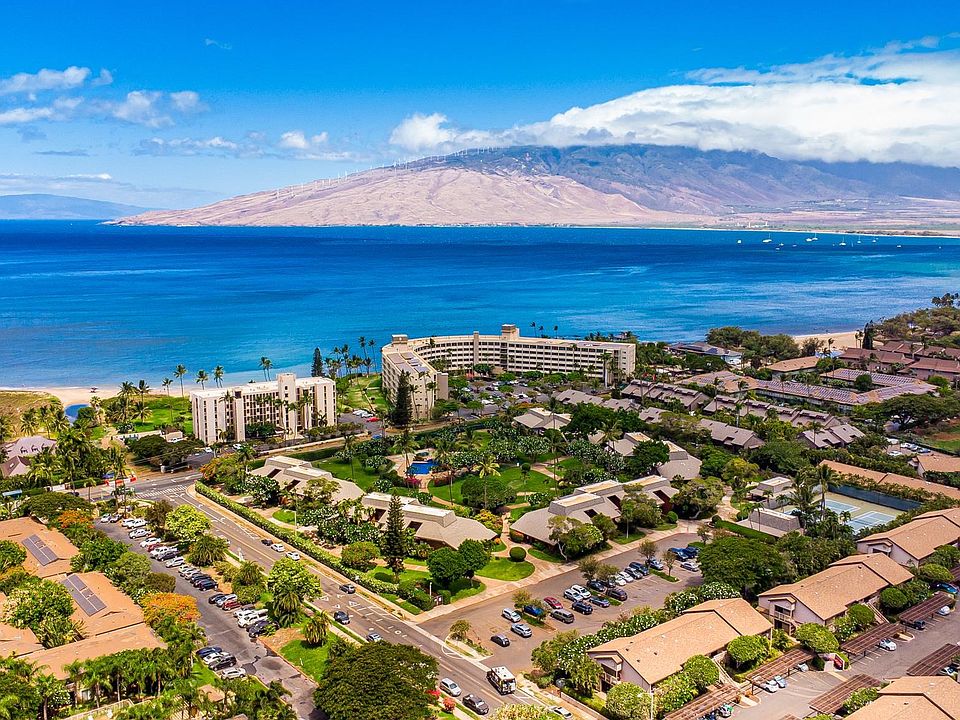
Yes, Kihei is safe for tourists.
It’s a residential beach town where families live, kids play after-school sports at Kalama Park, and visitors have been coming for decades without serious incident. But “safe” doesn’t mean you should arrive without any awareness of how the place actually works.
There are specific things like car break-ins, a stretch of South Kihei Road at night, and a handful of park areas that are worth knowing about before you land.
This guide covers all of it so that you can book with confidence and spend your energy on the good stuff.
Kihei at a Glance: Safety Overview
| Category | What to Know |
| Overall safety level | Generally safe; lower violent crime than U.S. national average |
| Most common crime type | Vehicle break-ins and petty theft, especially at beach parking areas |
| Safest area for visitors | South Kihei, around Kamaole Beach Parks I, II, and III |
| Area requiring more awareness | North Kihei along South Kihei Road after dark; Kalama Park skate area at night |
| Homeless presence | Visible in some parks, particularly central Kihei; increased post-2023 Lahaina fire |
| Ocean safety concern | Seasonal south swells (summer) affect Kihei beaches; always check conditions |
| Emergency services | Maui Police Department; Kihei Wailea Medical Center (Piilani Village) |
| Lahaina fire impact on Kihei | None — Kihei was unaffected and is fully operational in 2026 |
| Drive from OGG Airport | ~25 minutes via Mokulele or Piilani Highway |
The Honest Crime Picture
Kihei is not a high-crime destination. Violent crime is rare, and the kind of incident that would ruin a vacation like robbery, assault or serious theft is uncommon here compared to most U.S. cities of similar size.
That said, Kihei does rank in the lower percentile for safety by some crime metrics. It’s a dense, touristy town where property crime, mainly vehicle break-ins, happens more than the average Hawaiian community.
The issue that matters most to you as a visitor is car break-ins at beach parking lots. This is the single most consistent crime pattern in Kihei, and it’s not unique to this town — it’s a Maui-wide and Hawaii-wide issue. Rental cars are targeted because thieves know you’re likely heading to the water for a few hours and may have left bags, cameras, or electronics in the vehicle. The beach parking areas along South Kihei Road, and particularly at trailheads and popular snorkel spots, are where this happens most often.
The rule is simple and worth repeating: leave nothing visible in your car. Take valuables with you or lock them in your accommodation before you drive to the beach. This one habit will eliminate the most likely way your Kihei trip gets derailed.
Petty theft like pickpockets and stolen items left unattended on the beach also occur, particularly in crowded areas during peak season. Leave the expensive camera in your rental if you’re going snorkeling. Don’t leave your bag unattended while you’re in the water.
North Kihei vs. South Kihei: Where Safety Differs
Kihei stretches about six miles along Maui’s southwest coast, and the character of those six miles widely varies. Where you stay matters, both for experience and for your sense of security.
North Kihei
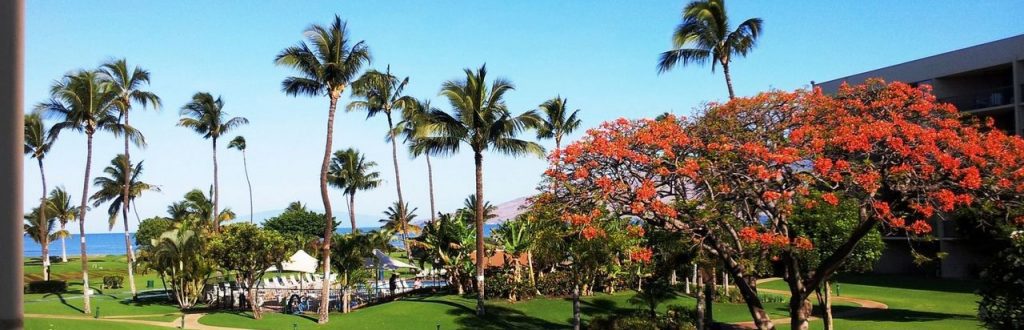
North Kihei starts at Sugar Beach, a long, beautiful and often windy stretch of sand, and runs south toward the commercial center of town. It’s quieter and more residential than the south end, and it’s where you’ll find some of Kihei’s more affordable accommodations.
It’s also where the trade winds hit harder in the afternoon, and where some of the commercial strips feel a little worn around the edges.
Walking South Kihei Road alone at night in North Kihei just requires common sense. It’s not a dangerous area, but it’s more isolated than the south end, and locals advise against solo walking after 9 p.m. in stretches where foot traffic drops off. Walk with someone, stick to lit stretches, and you’ll be completely fine.
Central Kihei
This is the commercial hub. Here you’ll find Pi’ilani Village Shopping Center, Azeka Shopping Centers, Safeway, Da Kitchen at 1215 S Kihei Rd, and dozens of restaurants and shops.
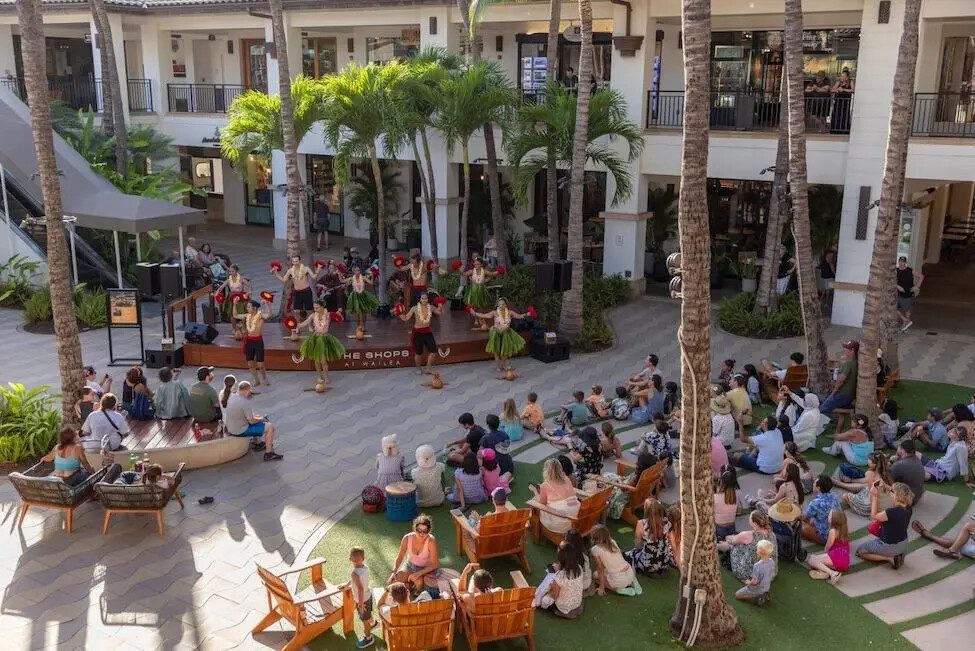
It’s busy, well-lit, and active throughout the day. Kalama Park sits at the southern edge of central Kihei, and it’s a genuinely community-oriented space with youth soccer leagues, tennis courts, basketball, a skatepark, and regular events.
The skatepark area and the park after dark have a different vibe. Locals who walk Kalama Park regularly note that daytime is completely fine, but the skate area and park perimeter late at night are better avoided.
The presence of unhoused individuals in and around Kalama Park has increased since the 2023 Lahaina fire displaced residents from West Maui. Most of the time it’s a non-issue, but occasional encounters can happen.
South Kihei
This is the sweet spot for most visitors. From Kalama Park south to Kamaole Beach Parks I, II, and III, and down to Keawakapu Beach at the Wailea border, South Kihei is where the beaches are widest, the foot traffic is heaviest, and the evening scene is most active. There are more people around at more hours of the day, which naturally deters opportunistic crime.
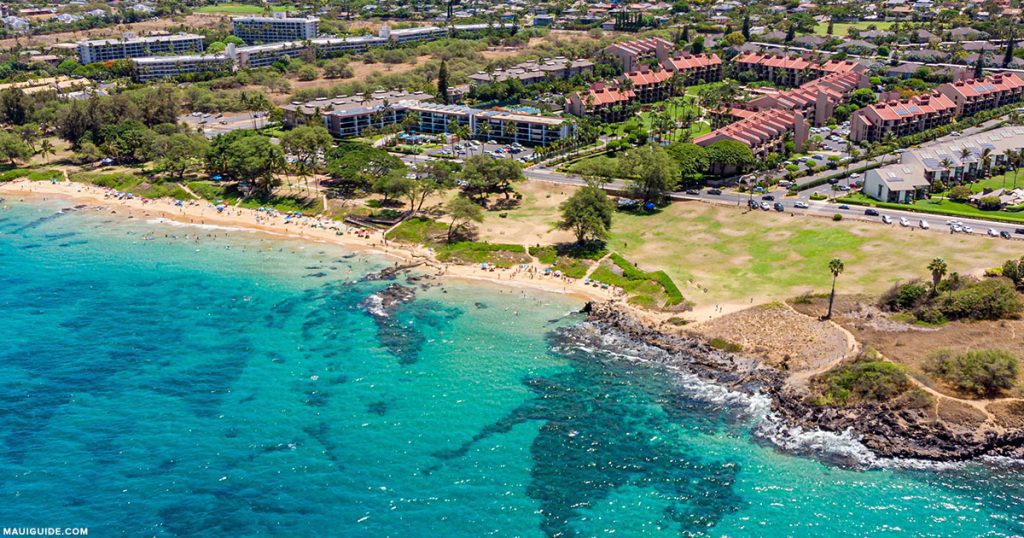
The Kamaole Beach Parks, locally called “Kam I,” “Kam II,” and “Kam III”, have lifeguard stations which is one of the practical safety advantages of staying in south Kihei. Restaurants, shops, and activity operators are concentrated here, which means you can walk to dinner, grab shaved ice at Ululani’s at 61 S Kihei Rd, and get back to your rental without needing to drive at all.
If you’re traveling with family or want the most walkable, well-lit, active environment, stay in South Kihei. It’s consistently cited as the safest area for visitors by both locals and long-term travelers.
Find Your Stay in Kihei
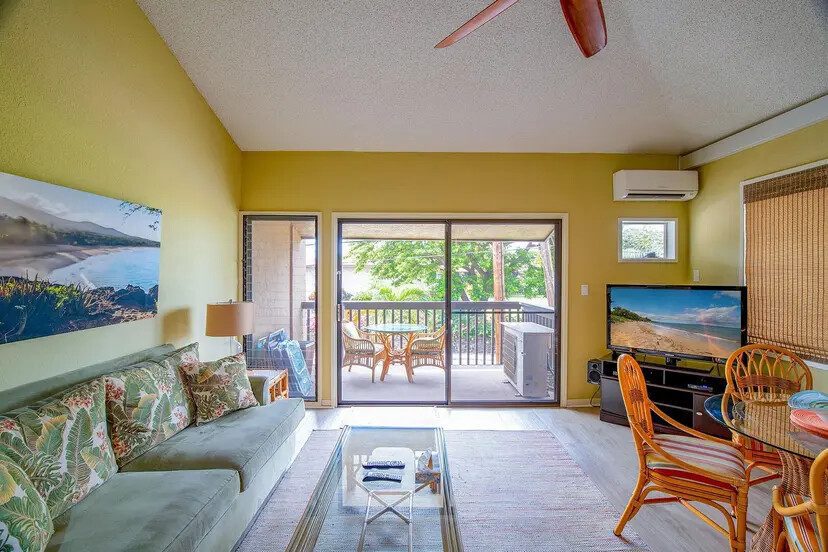
- Sleeps 6
- 2-bedrooms, 1-bathroom
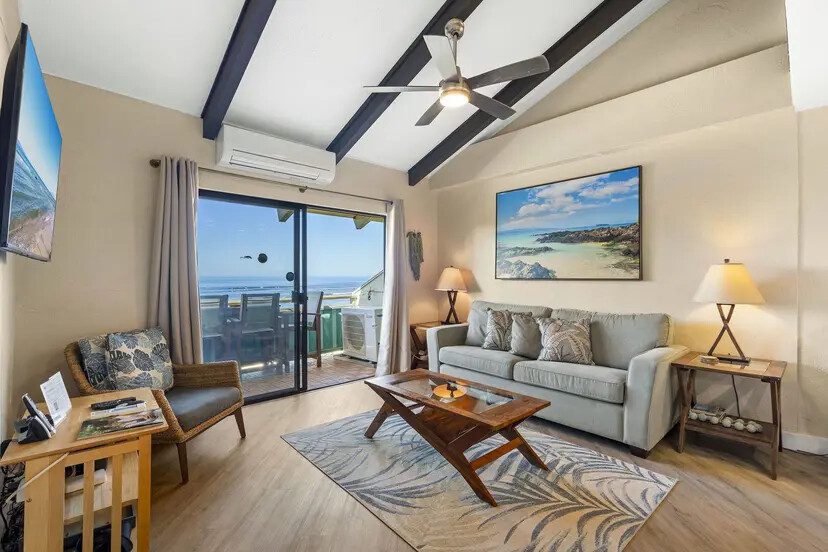
- Sleeps 4
- 1-bedroom, 1-bathroom
Ocean Safety and Risks
In a town this close to the water, the ocean is worth treating as a safety topic. Kihei’s beaches are generally calmer than many other Maui beaches, but seasonal swells affect them.
- Swells: Summer months bring south swells that can make Kihei and Wailea beaches rougher than they appear. Winter can bring west swells that create challenging shorebreak.
- Beaches with Lifeguards: The Kamaole Beach Parks have lifeguards on duty, which is a meaningful advantage. Use those beaches when you’re uncertain about conditions. At unguarded beaches and snorkel spots, check conditions before getting in.
- High Tide: If you see wet sand high up the beach or waves breaking in unusual patterns, stay out.
- Harsh Waves: Big Beach at Makena State Park, a short drive south of Kihei, is one of Maui’s most beautiful beaches and also one of its most dangerous. The shorebreak is notorious and injuries are common. The Cove at Kalama Park is one of Kihei’s best-known surf breaks and a popular beginner surf spot. It can look deceptively gentle. If you’re not a surfer, stay out of the lineup.
A Short List of Practical Safety Tips
- Parking at the beach — Take everything with you or leave the car visibly empty.
- Walking at night — South Kihei is fine; North Kihei solo after 9 p.m., use judgment
- Going to Kalama Park — Great during the day, but avoid the skate area perimeter after dark.
- Snorkeling — Always check surf reports and use Kamaole beaches when in doubt.
- Bringing valuables at the beach — Don’t leave bags unattended in the water and minimize what you bring.
- Swimming in the ocean — Stick to lifeguarded beaches (Kam I, II, III) if conditions are unclear.
- Experiencing a medical emergency — Go to Kihei Wailea Medical Center, Piilani Village; dial 911.
- Have lost or stolen items — Contact the Maui Police Department non-emergency: (808) 244-6400
What Staying in a Vacation Rental Adds to Your Safety
Here are a few underrated advantages of staying in a vacation rental in Kihei rather than a hotel:
- Ability to keep more of your valuables at home base
- A full kitchen
- Real front door with a lock
- Specific neighborhood where you know the streets and the rhythms of the block
Rentals in South Kihei, particularly those near Kamaole I, II and III, put you within walking distance from restaurants, beaches, and shops without requiring you to drive and park repeatedly throughout the day.
Fewer parking situations means fewer opportunities for car-related theft. Groups traveling together also benefit from a centralized home base — kids can stay in, someone can hang back with gear, and there’s no lobby to navigate at 11 p.m..
Frequently Asked Questions
Is Kihei safe to walk around at night?
South Kihei, around the Kamaole Beach Parks and the main restaurant strip, is safe and active at night with plenty of foot traffic. The stretch of South Kihei Road through North Kihei is more isolated after dark, and locals advise against walking it alone past 9 PM. Keep to well-lit, busy areas and you’ll be fine.
Is Kihei safe for solo female travelers?
Yes, Kihei is considered one of the more welcoming and low-threat environments in Hawaii for solo travelers of any gender. Incidents of street harassment are uncommon. Standard urban awareness applies like staying in well-lit areas at night, trusting your instincts, and avoiding isolated stretches alone after dark.
How bad are car break-ins in Kihei?
Vehicle break-ins are the most consistent crime issue in Kihei, as they are across Maui and Hawaii generally. They happen most often at beach parking areas. The effective prevention is simple: leave nothing in your car. Not in the trunk, not under a towel, nothing. Rental cars are targeted specifically because thieves know tourists are often carrying cameras, cash, and bags.
Is it safe to swim at Kihei beaches?
Most of the time, yes. Kihei beaches are calmer than many Maui beaches. The three Kamaole Beach Parks (Kam I, II, III) have lifeguards and are the safest options for swimming. Summer south swells can make conditions rougher than they appear, so check surf reports before getting in, particularly at unguarded beaches.
Was Kihei affected by the Lahaina wildfire?
No. The 2023 Lahaina fire was contained to West Maui and did not affect Kihei. In 2026, Kihei’s beaches, restaurants, rentals, and neighborhoods are fully open and operating normally. Lahaina town itself is still restricted and is not a tourist destination.
Is Kalama Park safe in Kihei?
During the day, yes. It’s a community park with youth sports leagues, tennis courts, and regular family activity. In the evenings, particularly around the skate park area, it’s worth being more aware of your surroundings. Most local walkers and runners use it without issue; just don’t linger in the park alone late at night.
What’s the safest neighborhood in Kihei to stay in?
South Kihei, around the Kamaole Beach Parks, is consistently cited as the best area for visitors. It’s the most active, best-lit, and most walkable part of town, with lifeguarded beaches and a dense cluster of restaurants and shops.
What should I do if something is stolen in Kihei?
File a report with the Maui Police Department. Their non-emergency number is (808) 244-6400. For a vehicle break-in, you’ll also want to contact your rental car company and travel insurance provider. The nearest medical facility is Kihei Wailea Medical Center in Piilani Village.
Find Your Stay in Kihei.
Browse vacation rentals in Hawaii, all within easy reach of the area’s best spots.