
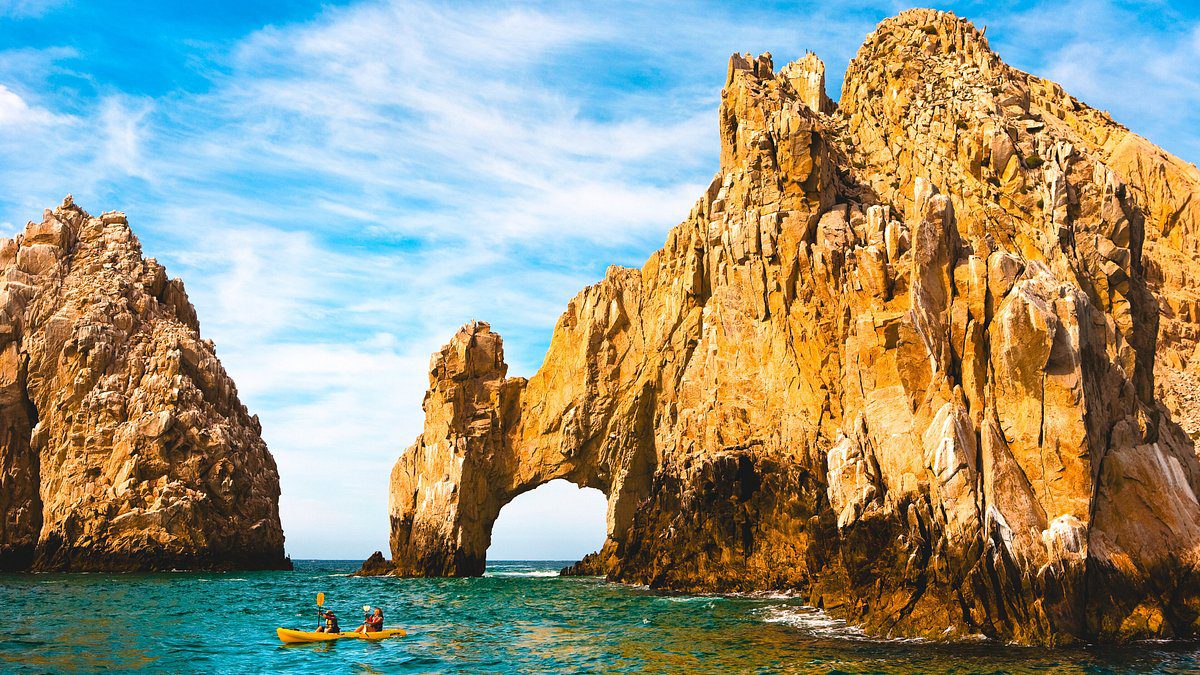
Is Cabo San Lucas safe for tourists in 2026? Yes, and the data backs that up. The U.S. State Department currently places Baja California Sur at a Level 2 advisory (“Exercise Increased Caution”), the same rating assigned to France, Italy, and the United Kingdom. Nearly 4 million visitors traveled to Los Cabos in 2024, and the overwhelming majority had trips that were free of incident.
But “safe” isn’t the same as “risk-free,” and some of those risks are the ones most travel guides gloss over. For example, the ocean in Cabo is far more dangerous than the streets, and scams at the airport and marina are more common than violent crime. Plus, where you choose to stay significantly shapes your experience. This guide gives you the honest picture.
Jump To:
At a Glance: Cabo San Lucas Safety by Category
| Safety Factor | Risk Level | What to Know |
| Violent crime against tourists | Low | Rare in tourist zones; Baja California Sur is one of Mexico’s safest states |
| Petty theft / pickpocketing | Moderate | Crowded marina and market areas; keep valuables secured |
| Scams | Moderate–High | Timeshare pitches, airport transportation, and fake tours are the most common |
| Ocean / beach safety | High | The biggest real danger in Cabo; many beaches are not safe for swimming |
| Transportation | Moderate | Unlicensed taxis and overcharging are common; use hotel transport or Uber |
| Nightlife safety | Moderate | Downtown Cabo is lively; standard big-city awareness applies after dark |
| Food and water safety | Low–Moderate | Never drink tap water; stick to bottled or purified; reputable restaurants are safe |
| U.S. State Dept. Advisory | Level 2 | “Exercise Increased Caution” — same rating as France, Italy, UK |
Why Cabo’s Safety Reputation Is More Complicated Than the Headlines
Mexico as a country generates a lot of attention-grabbing headlines, and many travelers understandably lump all destinations together when they read them.
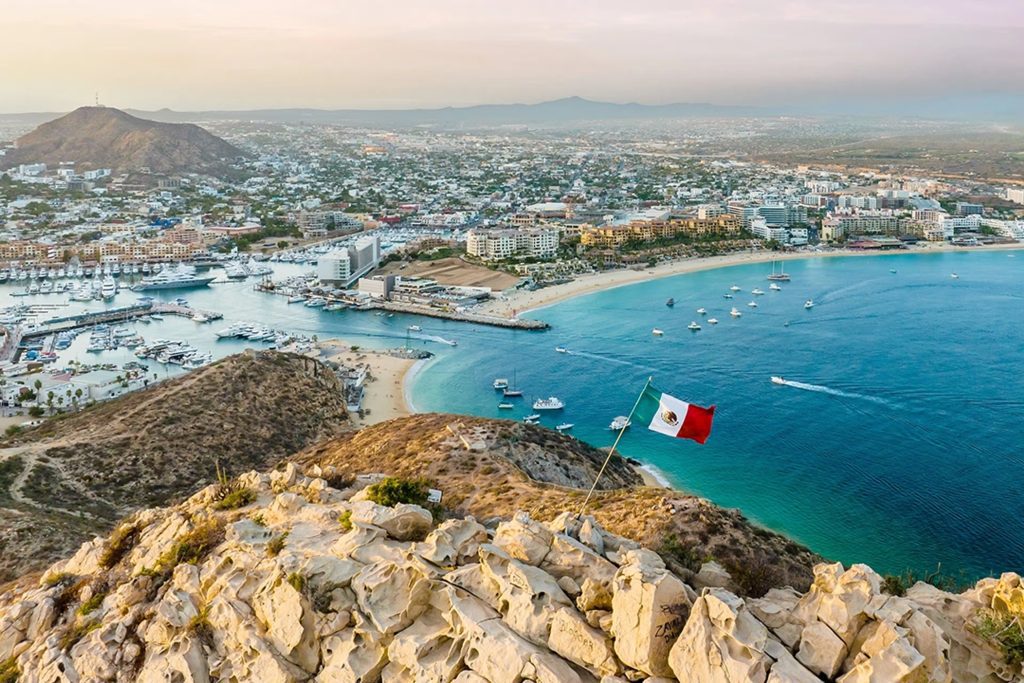
The important geographic context is that Cabo San Lucas sits at the absolute southern tip of the Baja California Sur peninsula which is a long, narrow strip of land separated from mainland Mexico by the Gulf of California.
The cartel violence that gets the worst press in Mexico is tied to states on the mainland like Sinaloa, Jalisco, Guerrero, and Tamaulipas. Baja California Sur is geographically and operationally distinct from those regions.
That separation matters. The February 2026 security events that generated travel alerts, including a major federal military operation in Jalisco targeting cartel leadership, did not affect Cabo San Lucas or Baja California Sur. As AFAR reported in the aftermath, travel experts continued recommending Cabo as safe while advising against Puerto Vallarta and Jalisco.
Locally, the Los Cabos government and tourism industry treat visitor security as an economic imperative.
In 2026, the municipality is completing installation of a new video surveillance system across El Médano Beach and downtown Cabo San Lucas, and upgrading its C2 command center with advanced monitoring technology.
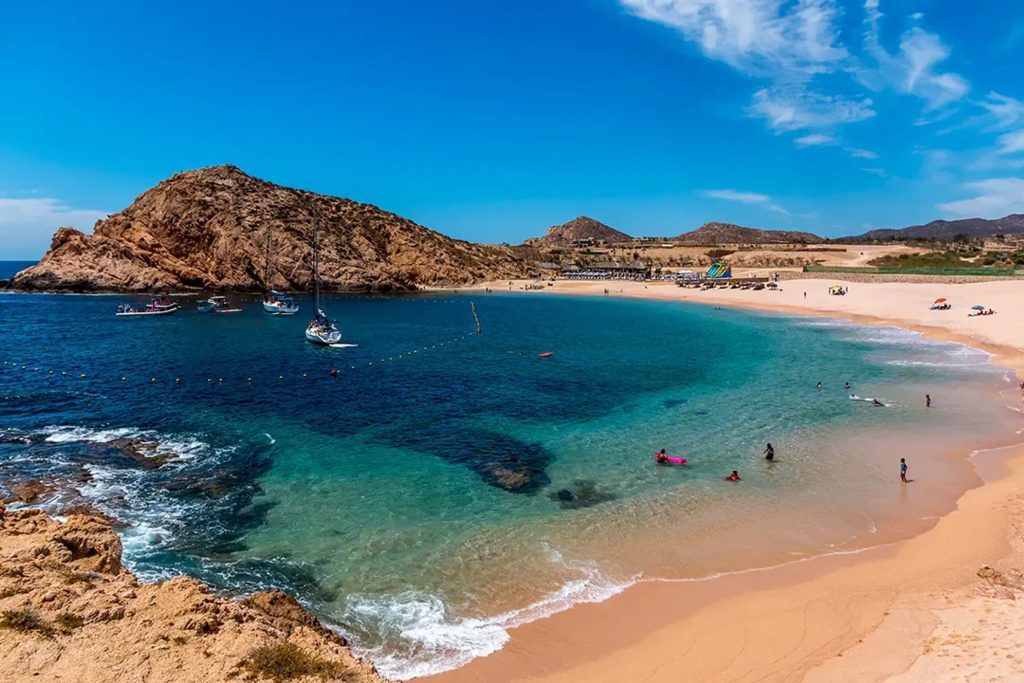
The Tourist Corridor, which is the roughly 20-mile stretch connecting Cabo San Lucas and San José del Cabo, maintains a visible and consistent police and military presence.
The 4 Real Risks That Affect Tourists
1. The Ocean
This is not a small caveat, it’s the most important safety information for any trip to Cabo San Lucas. In 2026, water-related incidents account for the majority of serious tourist accidents and fatalities in Los Cabos. The issue is geography: Cabo sits at the confluence of the Pacific Ocean and the Sea of Cortez, and many of its most beautiful beaches are genuinely dangerous for swimming.
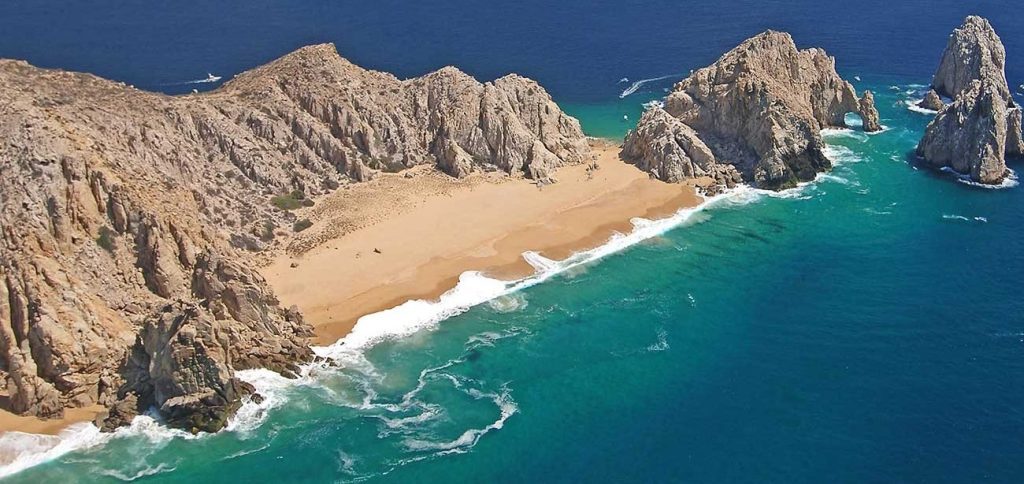
Pacific-facing beaches, including Playa Solmar, Divorce Beach (Playa del Divorcio) and Pedregal Beach, experience powerful surf, steep shoreline drop-offs, and rip currents that move at speeds faster than most swimmers.
A common and dangerous mistake is booking a beachfront property and assuming the ocean in front of it is swimmable. Beachfront does not mean safe-to-swim.
The flag system on Cabo’s beaches is the law of the beach and carries real meaning:
- Green flag: Safe conditions. You will see this primarily at Medano Beach, Chileno Bay, and Palmilla.
- Yellow flag: Caution. Light currents or choppy water; swim carefully.
- Red flag: No swimming. Strong currents or waves; stay out.
- Black flag: Deadly conditions. Do not enter the water under any circumstances.
The best beaches to swim in Cabo San Lucas are:
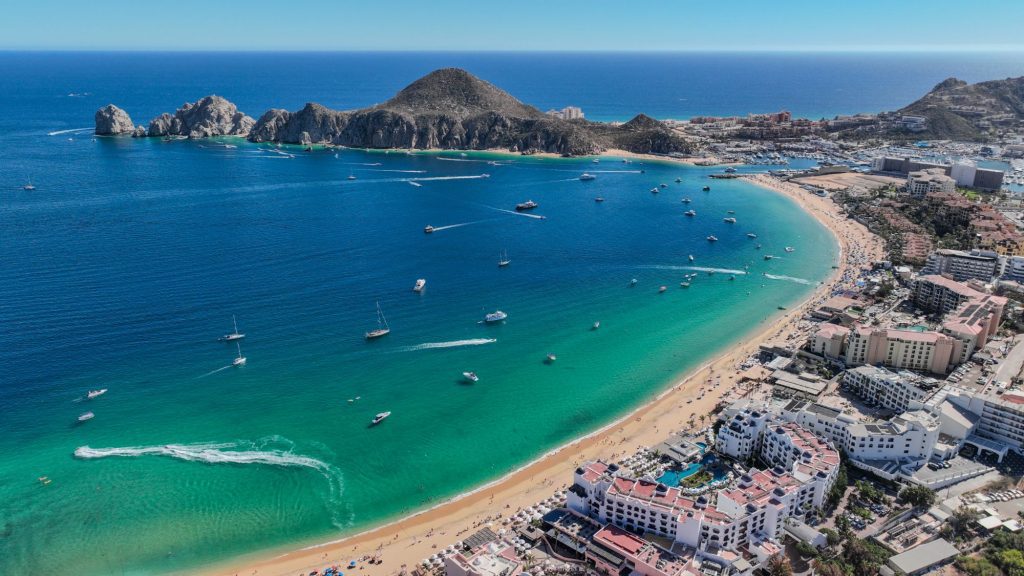
Medano Beach (El Médano): The main swimmable beach in Cabo San Lucas. Protected from Pacific swells by Land’s End rock formations, with calm water, lifeguards, and beach clubs including The Office on the Beach and Mango Deck. It’s busy and social, but it’s safe.
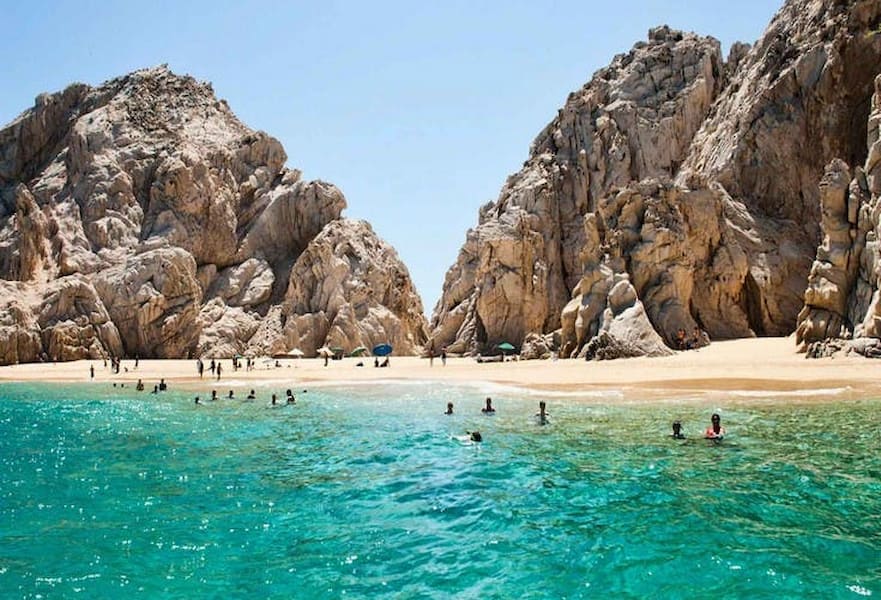
Lover’s Beach (Playa del Amor): Accessible only by water taxi or kayak from the marina. The Sea of Cortez side is swimmable; the Pacific-facing side (directly adjacent) is not. The names of these two beaches — Lover’s Beach and Divorce Beach — were not chosen arbitrarily.
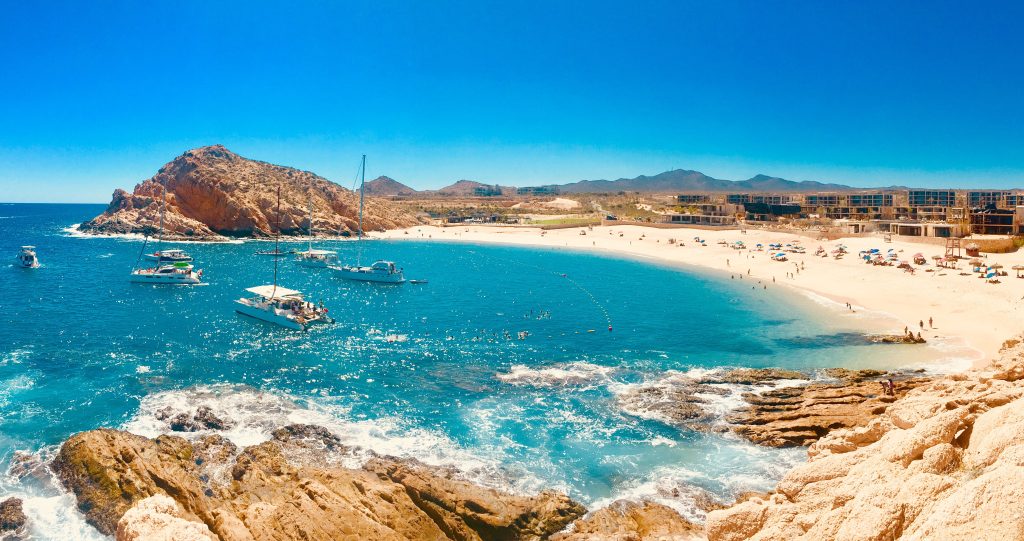
Chileno Bay and Santa María Bay: Protected coves along the Tourist Corridor with Blue Flag certification, which requires regular water quality testing, lifeguard presence, and environmental standards. Excellent for snorkeling.
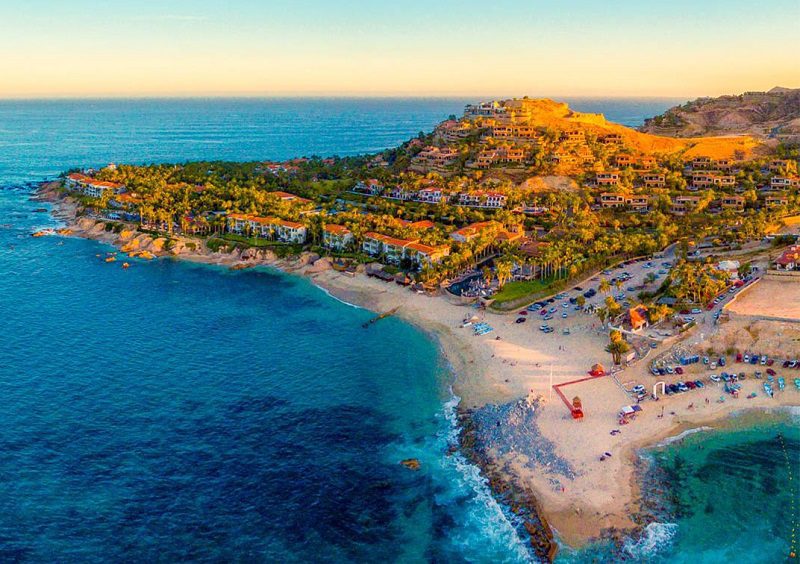
- Palmilla Beach: Calm, shallow water protected by a rocky point near San José del Cabo. A good family option.
During periods of high swell, which can arrive with little warning, even Medano Beach can see elevated surge conditions. Always check the flag system before entering any open water, regardless of how calm it looks from the shore.
2. Cabo San Lucas Scams
Violent crime is rare in Cabo, but scams are not. Here’s what you’re most likely to encounter:
- Timeshare pitches: The most pervasive nuisance in Cabo. You might be approached at the airport, on the street near the marina, outside restaurants, or by someone on a hotel staff. Offers of free tours, activity discounts, or vouchers almost always come with a mandatory “90-minute presentation” attached. The presentation runs long and the pressure tactics can be intense. The correct response is a polite, firm decline and continue to walk away.
- Airport transportation scams: The moment you exit baggage claim at Los Cabos International Airport (SJD), people in official-looking polo shirts will approach offering rides. Some are unlicensed operators charging inflated rates. Pre-book your airport transfer through your hotel or a verified transportation company before you land, and walk past anyone who approaches you unsolicited. If you use Uber, request it outside the terminal — Uber cannot legally pick up inside the arrival hall at SJD.
- Taxi overcharging: Licensed taxis in Cabo do not use meters, so agree on a price before getting in. If someone quotes a price that seems high, it probably is. Confirm with your hotel or resort what the standard rate should be for your route.
- Fake tour operators: Book any activity like whale watching, snorkeling tours or ATV excursions through your hotel concierge or a verified local operator. Be skeptical of any approaches on the street near the marina offering you an excursion like this. Legitimate operators accept credit cards; a cash-only demand is a red flag.
- Restaurant billing confusion: Busy spots, particularly during peak season, occasionally add charges that don’t match the menu. Before adding a tip, look for “servicio incluido” on the bill. Ask for an itemized receipt and take a moment to review it before handing over your card.
- ATM skimming: Use ATMs inside your hotel, a bank branch, or an established business. Standalone ATMs in high-traffic tourist areas are the most common targets.
3. Petty Theft
The Marina, Cabo San Lucas’s downtown market area, and crowded beach zones have the same pickpocket dynamics as any heavily touristed destination. The practical response is standard:
- Keep your phone and wallet out of sight rather than in a back pocket
- Use your room safe for your passport and extra cash
- Don’t leave bags unattended on the beach
4. Counterfeit or Spiked Alcohol
This is worth noting. Cases of counterfeit alcohol, which may be cut with methanol and can cause severe illness, have been reported at some lower-end bars and clubs in Mexico. At reputable restaurants, established beach clubs, and high-quality rental properties with stocked bars, this is not a big risk. Stick to recognizable venues, and if a drink tastes off, don’t finish it.
Where You Stay Shapes Everything
The safest, most well-serviced areas for visitors in 2026 are also, conveniently, the most appealing ones:
The Tourist Corridor
The 20-mile coastal stretch between Cabo San Lucas and San José del Cabo is home to the majority of Los Cabos’s major luxury properties, including One&Only Palmilla, Waldorf Astoria Los Cabos Pedregal, and the Grand Velas Los Cabos.
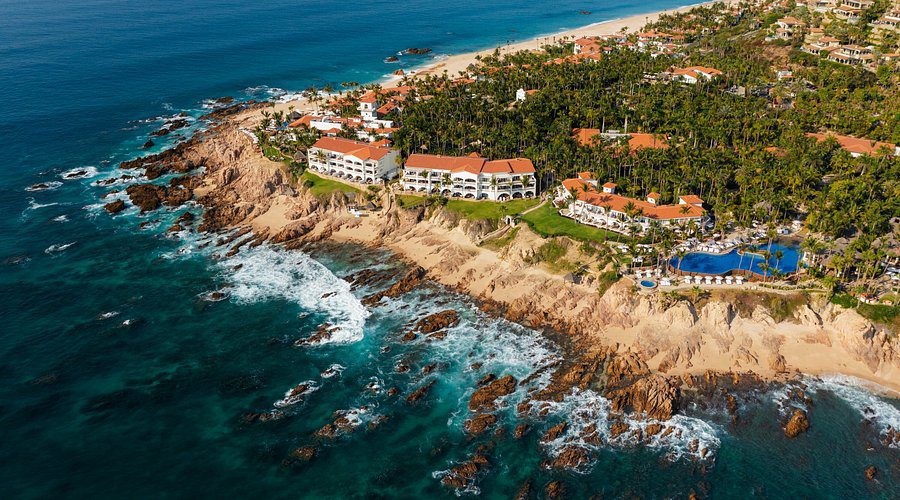
Properties here are gated, staffed around the clock, and set away from the downtown nightlife scene.
For travelers who want beach, exceptional food, and a calm environment without needing to navigate downtown Cabo, the Corridor is the strongest choice. The trade-off is that a rental car or consistent private car service is essentially required to reach town.
Medano Beach & The Marina Area (Downtown Cabo San Lucas)
This is the social and commercial heart of town. The marina is walkable, well-lit, and lined with restaurants and bars. Medano Beach is the only swimmable beach in central Cabo.

- Craft Cabo at the ME Cabo hotel runs an oceanfront rooftop with open-fire cuisine and views of the Sea of Cortez.
- The Waldorf Astoria’s Don Manuel’s offers hacienda-style fine dining with a menu built around locally sourced Baja ingredients.
- For elevated sushi, Sushi Luna’s omakase has earned some notable accolades.
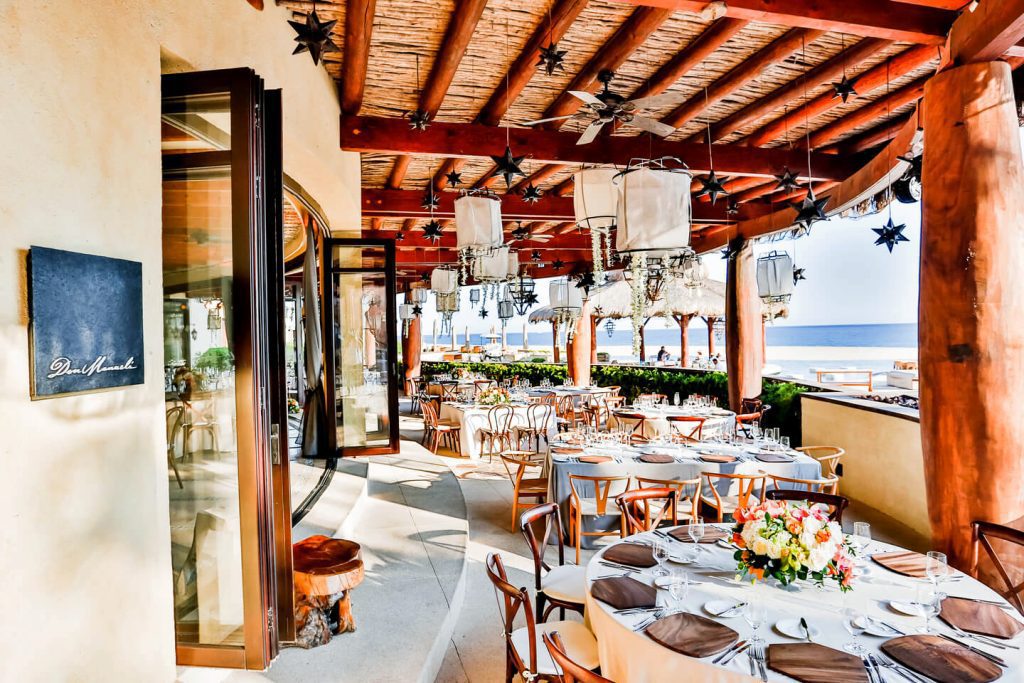
- Downtown Cabo is more energetic and more crowded than the Corridor which is a feature for some visitors and a drawback for others.
San José del Cabo
This is the quieter, more architecturally interesting counterpart to Cabo San Lucas, centered around the historic Plaza Mijares and its 18th-century Jesuit mission. San José recently received an official “Barrio Mágico” designation from the Mexican government for its preserved colonial character.
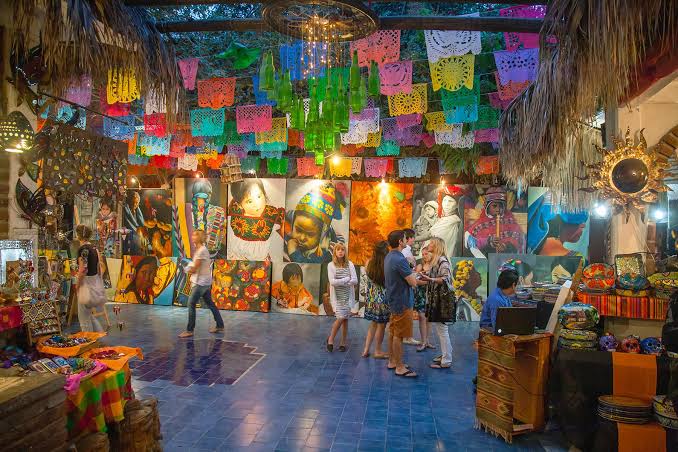
- The Thursday evening Art Walk through the Art District runs November through June and is one of the more distinctive weekly events in all of Los Cabos.
- Manta at The Cape, a Thompson Hotel, serves modern Mexican cuisine with panoramic coastal views and is Michelin-recommended.
- The walkable downtown is well-suited for solo travelers and couples who want a calmer atmosphere.
- Colonia Santa Rosa, a residential area north of the airport, has higher reported crime and is not a tourist destination, so stay oriented toward the historic center and Zona Hotelera.
Luxury vacation rental properties in Cabo, particularly villas in the Corridor and Pedregal area, offer a safety advantage: private pools eliminate the need to navigate public beach swimming, private kitchens reduce reliance on unfamiliar street food vendors, and concierge services can arrange pre-vetted transportation, tours, and restaurant reservations that sidestep the most common scam vectors entirely.
For groups, the value proposition goes beyond security. Spreading the cost of a luxury property across multiple guests often compares favorably to multiple hotel rooms at a comparable standard.
Find Your Luxury Stay in Cabo San Lucas



Practical Safety Tips
- Enroll in STEP before you fly — The Smart Traveler Enrollment Program is a free U.S. State Department service that allows the embassy to contact you in an emergency. Registration takes five minutes at step.state.gov.
- Never drink tap water — Restaurants and reputable hotels serve purified water, and bottled water is inexpensive and widely available.
- Save the Los Cabos Tourist Assistance Center number — +52 624-105-0551. This is the CATAC line specifically for tourists needing assistance.
- Dial 911 for emergencies — Mexico uses the same number as the U.S.
- Pre-book airport transportation — Ignore anyone who approaches you unsolicited at baggage claim.
- Use hotel safes — Store passports, extra cash, and anything you’re not carrying.
- Ask your hotel about swimming conditions — Even resort-fronting beaches on the Pacific side may not be swimmable.
- Leave the flashy jewelry at home — This applies everywhere, but especially in busy tourist areas.
- Do not purchase or use illegal drugs — This is the fastest route to creating a serious problem on an otherwise smooth trip.
- Check the beach flags every single day — Conditions change.
How Cabo Compares to Other Mexico Destinations on Safety
| Destination | U.S. State Dept. Level | Notes |
| Cabo San Lucas / Los Cabos | Level 2 | One of Mexico’s most consistently safe tourist regions |
| Cancún / Riviera Maya | Level 2 | Comparable advisory level; different risk profile |
| Puerto Vallarta | Level 2–3 (varies) | February 2026 security events affected advisory |
| Mexico City | Level 2 | Large urban environment; petty crime higher |
| Oaxaca | Level 2 | Generally considered safe for tourists |
| Acapulco | Level 4 | Do not travel; not a relevant comparison for Cabo visitors |
*The comparison to Acapulco and other Level 3–4 regions is sometimes made in headlines about Mexico. Geographically and operationally, it is not a relevant comparison for Cabo San Lucas.
Frequently Asked Questions
Is Cabo San Lucas safe for tourists right now in 2026?
Yes. Baja California Sur is at a Level 2 U.S. State Department advisory, the same classification as France, Italy, and the UK. The February 2026 security operations in Jalisco that generated Mexico travel headlines did not affect Cabo San Lucas or Baja California Sur. The Tourist Corridor, marina, and Medano Beach area are well-patrolled and operating normally.
What is the biggest safety risk in Cabo San Lucas?
The ocean. Water-related incidents account for the majority of serious tourist accidents in Los Cabos. Many beaches, particularly on the Pacific side, have powerful rip currents, strong undertows, and steep drop-offs that make them dangerous or deadly for swimming. The color-coded beach flag system is the law. The reliably safe swimming beaches are Medano Beach, Chileno Bay, Santa María Bay, and Palmilla Beach.
Is it safe to walk around Cabo San Lucas at night?
Yes, in the main tourist areas like the marina, Medano Beach area, and Flagler-equivalent strips of downtown are well-lit and busy at night. Standard awareness applies: stay in populated, well-lit areas, don’t walk alone on isolated streets, and trust your instincts if something feels off. The same advice holds from Nashville to New Orleans.
What are the most common scams in Cabo San Lucas?
Timeshare pitches disguised as free tours or activity offers, unlicensed airport transportation, taxi overcharging (always agree on price before getting in), fake tour operators near the marina, and restaurant billing inconsistencies. None of these involve violence. Avoiding them is straightforward: pre-book transfers, book tours through your hotel, and review your bill before paying.
Is Cabo San Lucas safe for families?
Yes. The resort infrastructure in Los Cabos is built around family travel. The Tourist Corridor provides the most family-appropriate environment because they’re gated, staffed properties away from the downtown nightlife. Chileno Bay and Santa María Bay are excellent for children. Medano Beach has gentle water and easy beach club access. The main family-specific caution is ocean safety — young children should never be near the Pacific-facing beaches unsupervised.
Is it safe to drink the water in Cabo San Lucas?
No, never drink tap water in Cabo. Established restaurants and reputable hotels serve purified water, and bottled water is cheap and universally available. Brushing teeth with tap water at quality properties is generally considered low-risk by most experienced travelers, but drinking it is not.
Is Cabo San Lucas safe for solo female travelers?
Generally yes, with the same awareness you’d apply in any international destination. The Tourist Corridor and San José del Cabo’s Art District are considered comfortable for solo women. Downtown Cabo San Lucas at night requires more awareness, so stay in well-lit, busy areas, use Uber or hotel transportation rather than street-hailed cabs, and don’t accept drinks from strangers. Many frequent solo female visitors to Cabo report feeling consistently safe when they apply standard travel sense.
Does where I stay in Cabo affect my safety?
Yes. The Tourist Corridor’s gated luxury properties offer the most controlled and consistently secure environment. Private villa rentals in Pedregal and Corridor locations add another layer: private pools remove the need to navigate public beach conditions, concierge services can arrange pre-vetted transportation, and the distance from downtown nightlife reduces exposure to the area’s noisier dynamics. It’s worth thinking about this as part of your booking decision, not just an amenity question.