
Cape Cod isn’t one destination. It’s fifteen towns spread across roughly 70 miles of curving peninsula, and where you stay can change your entire trip.
The best towns to stay on Cape Cod fall into three distinct regions: the Upper Cape near the mainland bridge, the Mid Cape with its transportation hubs and family beaches, and the Outer Cape with its wild dunes and arts scene. This guide breaks down each region with specific towns, beaches, restaurants, and the trade-offs nobody mentions in the glossy brochures.
At a Glance: Best Towns to Stay on Cape Cod by Region
| Region | Drive from Sagamore Bridge | Vibe | Best For | Avg. Summer Rental/Night |
| Upper Cape (Sandwich, Falmouth, Mashpee, Bourne) | 0-25 minutes | Quiet, historic, ferry access | Weekend trips, Martha’s Vineyard ferry | $250-450 |
| Mid Cape (Barnstable/Hyannis, Yarmouth, Dennis) | 25-40 minutes | Central, family-friendly, commercial | Families, central home base, ferry to islands | $225-450 |
| Lower/Outer Cape (Chatham, Harwich, Brewster, Orleans, Eastham, Wellfleet, Truro, Provincetown) | 40-75 minutes | Wild beaches, arts, remote | Romantic trips, hiking, nightlife (P-town) | $275-600+ |
Upper Cape vs. Outer Cape
This comparison comes up constantly when people are deciding where to stay, and it’s worth addressing directly because the two regions could not be more different despite sitting on the same 70-mile strip of land.
The Upper Cape

The Upper Cape is the most accessible region, sitting just past the Sagamore and Bourne bridges.
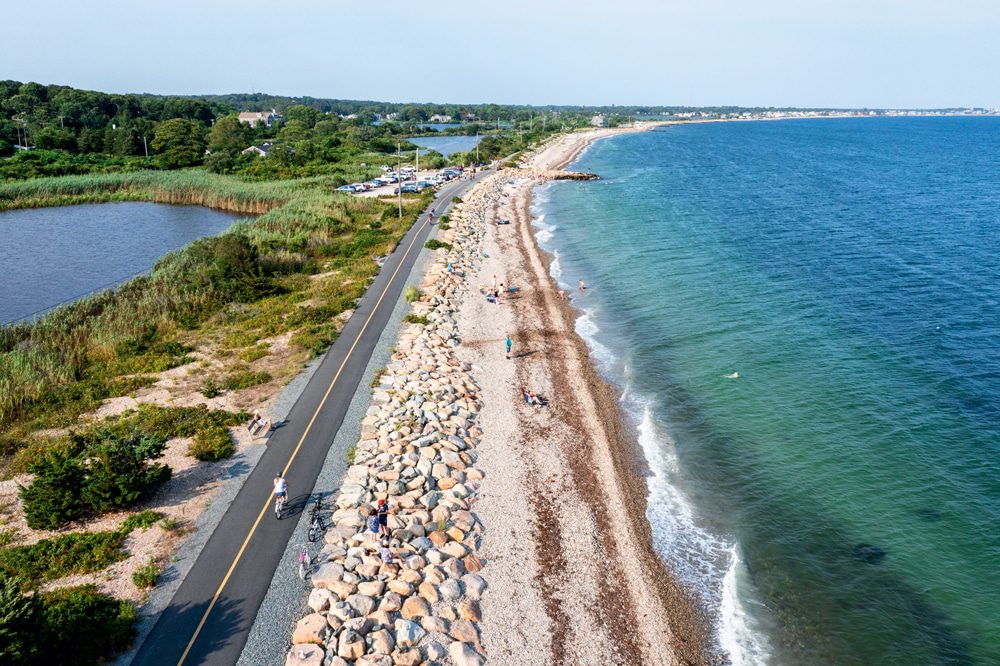
Falmouth anchors this area with a walkable downtown, the Shining Sea Bikeway running along the old rail bed to Woods Hole, and the most reliable ferry access to Martha’s Vineyard on the entire Cape.
Sandwich, the oldest town on Cape Cod (settled in 1639), has a genuinely historic character with the Sandwich Glass Museum and the Heritage Museum and Gardens.


Mashpee Commons offers the area’s best shopping and dining concentration, though Mashpee itself isn’t really a vacation base so much as a day-trip stop.
The Outer Cape
The Outer Cape, by contrast, is where Cape Cod gets dramatic.
This is the stretch from Eastham through Wellfleet, Truro, and out to Provincetown, where the Cape Cod National Seashore protects 40 miles of Atlantic-facing dunes, and the towns themselves get smaller, quieter, and more artistic the further out you drive.
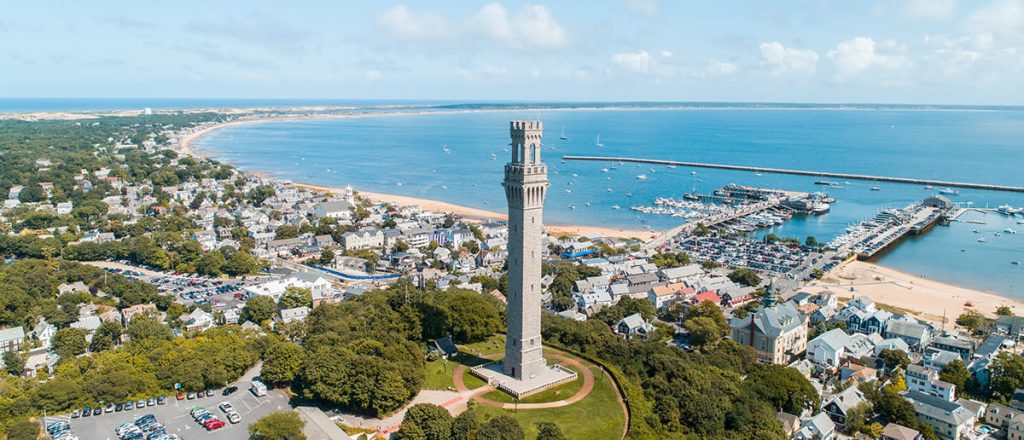

Wellfleet is known for its oysters and active gallery scene. Truro is the quietest town on the entire Cape, with the historic Highland Lighthouse (commissioned by George Washington himself, making it the Cape’s first lighthouse) standing watch over dramatic coastal bluffs.
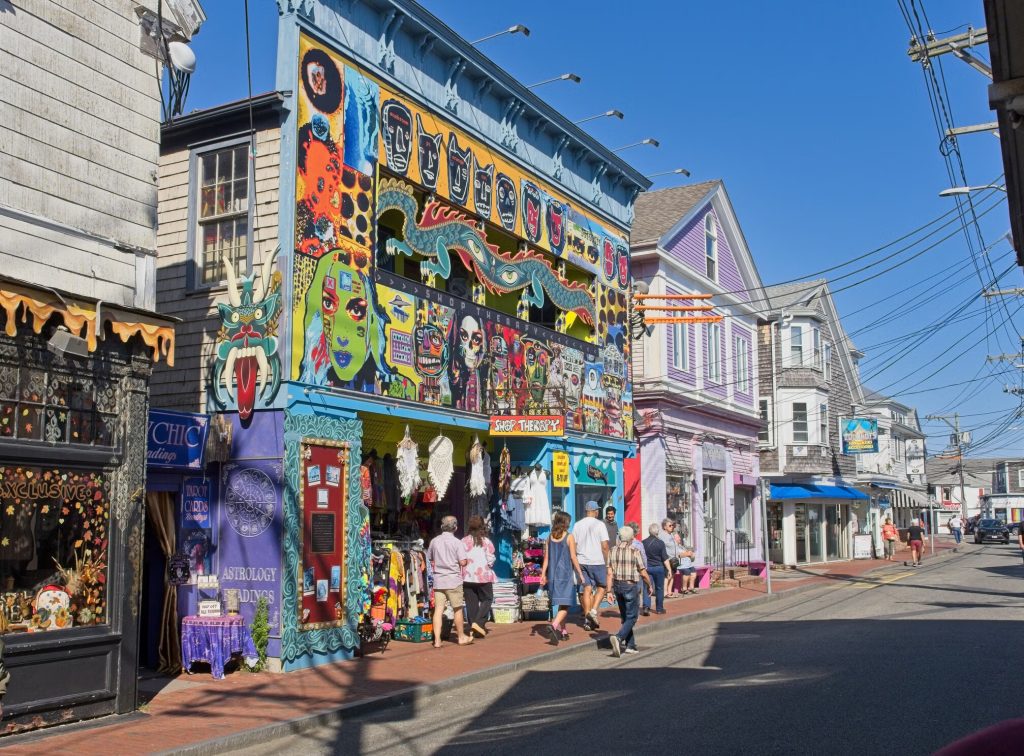
Provincetown, at the very tip, breaks the pattern entirely: it’s lively, colorful, and home to a significant LGBTQ+ community and nightlife scene that’s unlike anywhere else on the Cape.
The Upper Cape vs. Outer Cape decision really comes down to one question: do you want convenience or atmosphere? The Upper Cape gets you settled fast with minimal driving and strong ferry access. The Outer Cape requires more commitment (75 minutes from the bridge to Provincetown in light traffic, considerably more in July and August), but delivers a more distinctive, less commercialized version of Cape Cod.


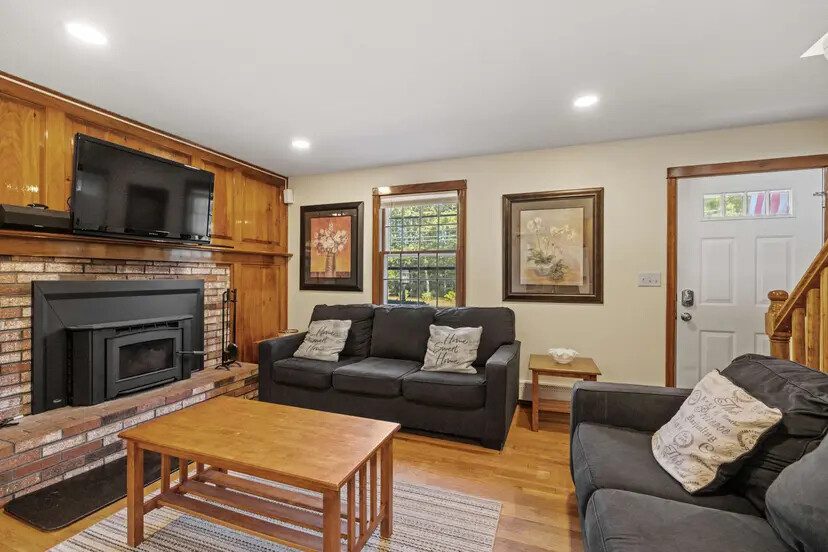
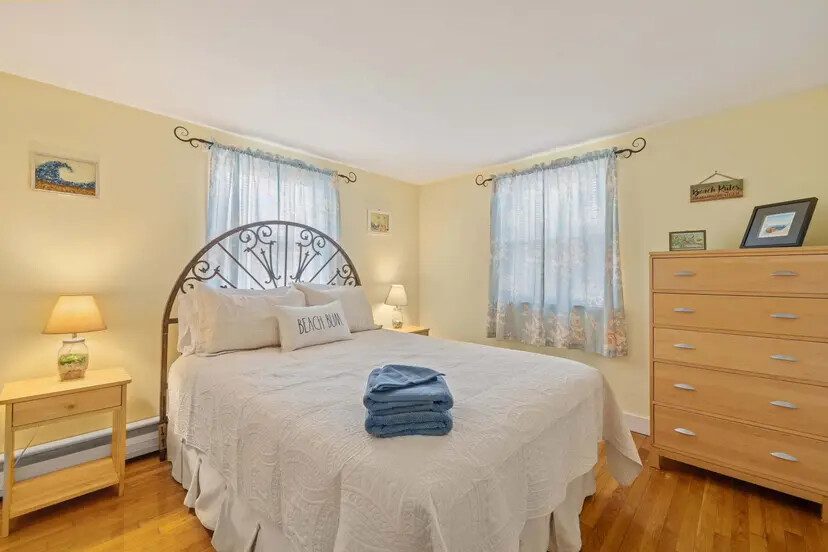
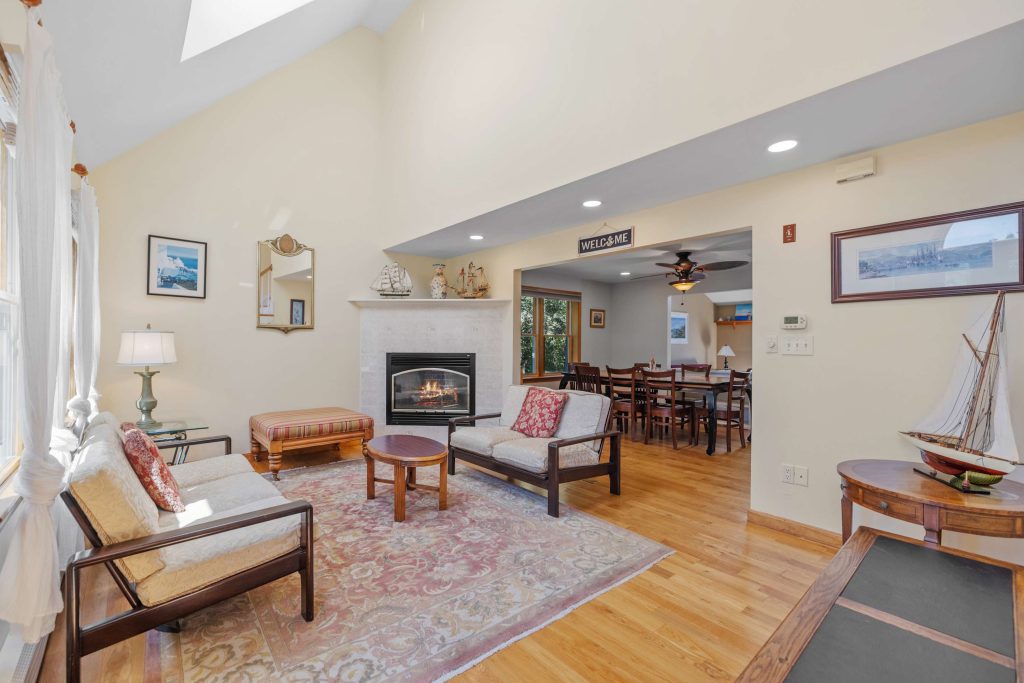
The Upper Cape: Best for Quick Trips and Island Access
The Upper Cape towns of Bourne, Sandwich, Falmouth, and Mashpee sit closest to the mainland, which makes this region one of the best towns to stay on Cape Cod for anyone working with a tight timeline or planning to hop a ferry to the islands.
- Falmouth is the standout choice here.
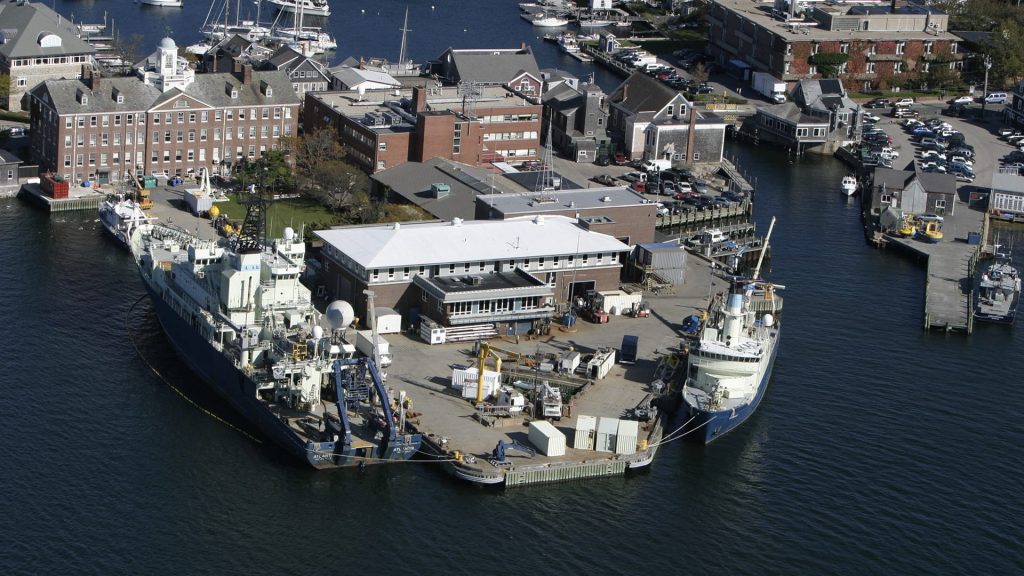
It has a genuinely walkable downtown, Old Silver Beach with calm Buzzards Bay views, and the Woods Hole Oceanographic Institution, which runs public tours worth booking if marine science interests anyone in your group.
The Shining Sea Bikeway is one of the best rail trails on the Cape, running roughly 10.7 miles from North Falmouth down through Woods Hole. Falmouth’s ferry terminal also offers the most direct and frequent route to Martha’s Vineyard, which matters if an island day trip is part of the plan.
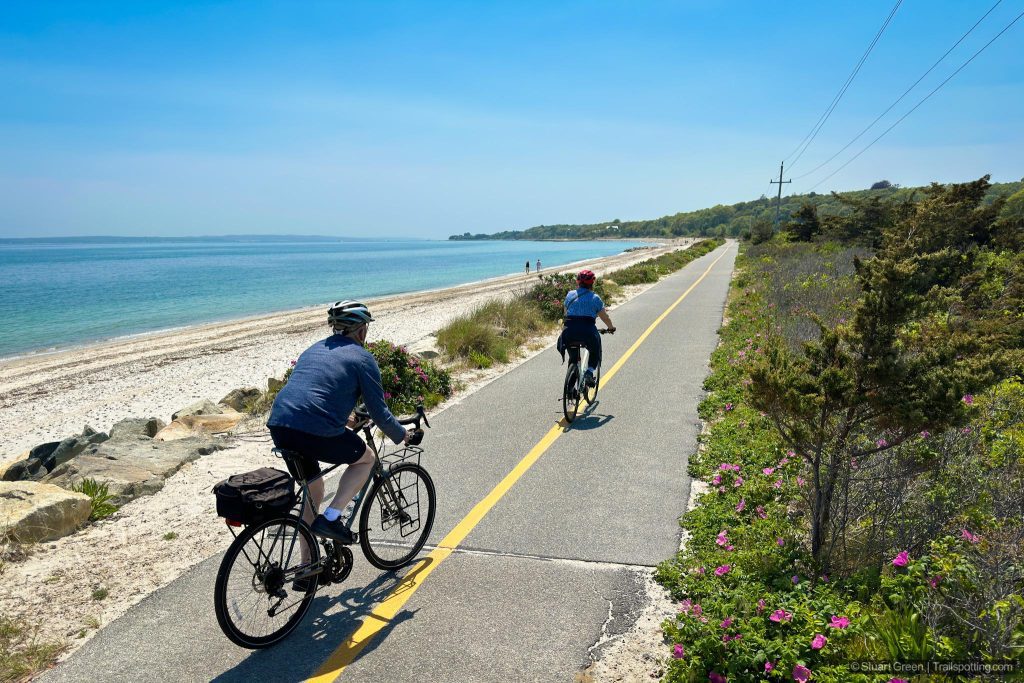
- Sandwich trades Falmouth’s beach-town energy for a quieter, more historic feel.

As the oldest town on Cape Cod, its character leans colonial: the Sandwich Glass Museum, the Heritage Museum and Gardens with its classic car collection and arboretum, and the Sandwich Boardwalk, where kids jump into the marsh at the midpoint during summer.
It’s a good fit for travelers who want a peaceful retreat over an active beach scene.
- Bourne is the most convenient and least distinctly “Cape Cod” of the four.
It’s the first town past the bridges, which makes it practical for short stays, but its beaches and downtown character don’t match what most visitors picture when they imagine a Cape Cod vacation. It’s worth knowing about for proximity reasons, but rarely worth choosing as a primary base over Falmouth or Sandwich.
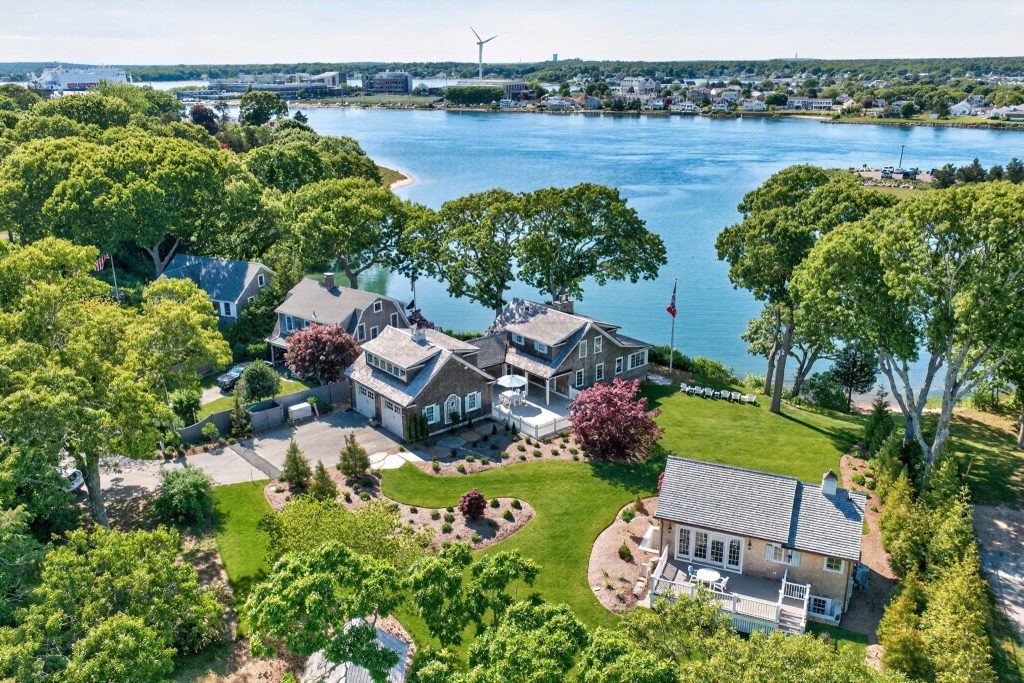
Tip: The Upper Cape’s convenience comes at a cost. Route 28 through Falmouth gets congested in July and August, and because this region sees the heaviest influx of day-trippers heading to the islands, parking near the ferry terminals fills early on summer mornings.
The Mid Cape: Where to Stay on Cape Cod for Families
The Mid Cape region, made up of Barnstable (including its largest village, Hyannis), Yarmouth, and Dennis, functions as the Cape’s transportation hub and its most family-friendly stretch. If you’re searching for where to stay on Cape Cod for families, this region deserves serious consideration before you look further out.
- Hyannis, the commercial heart of Barnstable, is where most ferries to Nantucket and Martha’s Vineyard depart, alongside the regional airport and bus terminal. Beyond logistics,

Hyannis has real things to offer: the JFK Hyannis Museum, the walkable Main Street with shops and restaurants, and Kalmus Beach and Craigville Beach nearby for families who want a classic sound-side beach day.
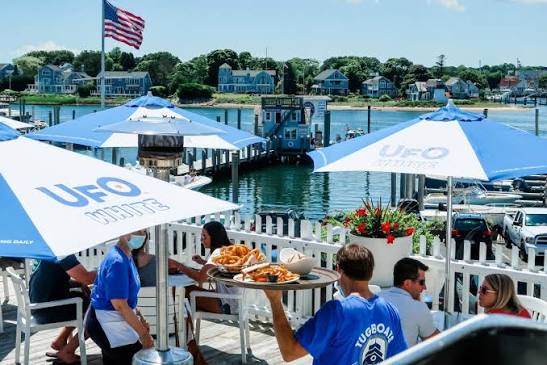
Tugboats at Hyannis Marina is a reliable family-friendly seafood spot with harbor views, and the newly renovated decks make it one of the better outdoor dining setups in the region.
- Yarmouth splits into three distinct villages with different personalities.
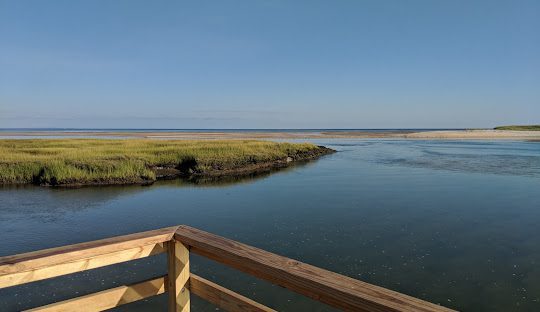
Yarmouth Port, on the north side along the historic Old King’s Highway, is the unspoiled, antique-shop-and-gallery version of Yarmouth, anchored by Gray’s Beach (also called Bass Hole), a sheltered, shallow bayside beach that’s ideal for families with small kids thanks to its boardwalk and calm waters.
South and West Yarmouth lean far more commercial, with motels, mini-golf, and a stretch of development that’s more convenient than charming. Seagull Beach is the area’s standout Nantucket Sound beach, with ample paid parking and enough room to spread out even on busy days.
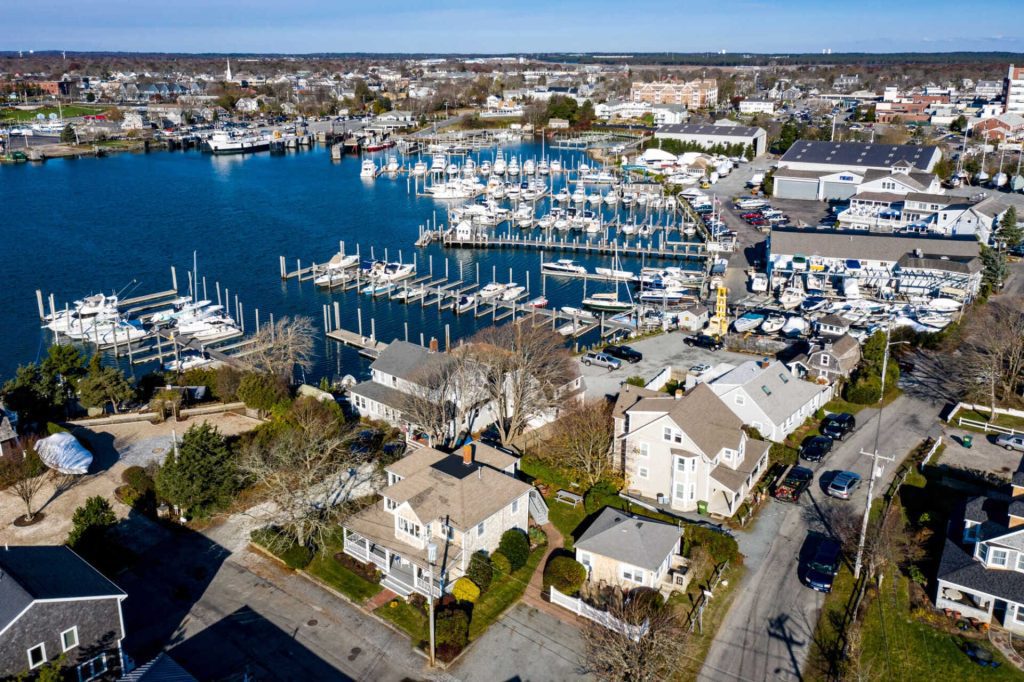
- Dennis offers some of the best beach variety in the Mid Cape, with bayside options like Mayflower Beach, known for dramatic low-tide sandbar walks and soft, gentle sand perfect for young kids, and Corporation Beach.

Plus, there are Nantucket Sound options like West Dennis Beach, one of the best sunset-watching spots on the entire Cape.
The Cape Cod Rail Trail, a paved 25.5-mile path running from South Dennis through Brewster, Harwich, Orleans, Eastham, and Wellfleet, is one of the best family biking spots on the Cape, and Dennis is a popular starting point.

Tip: The Mid Cape’s south-side Route 28 corridor, running through West Yarmouth, South Yarmouth, and into West Dennis, has become heavily commercialized over the past several decades, with a concentration of motels, fast food, and mini-golf that some travelers find tacky compared to the more preserved Route 6A villages a few miles north. If you want the picture-postcard version of the Mid Cape, stick to the bayside villages along 6A.
The Lower and Outer Cape: Best Cape Cod Towns for First Time Visitors
This stretch, running from Brewster and Harwich through Chatham, Orleans, Eastham, Wellfleet, Truro, and finally Provincetown, contains some of the best Cape Cod towns for first time visitors who want the version of the Cape they’ve seen in photos: weathered shingles, lighthouses, and dramatic Atlantic coastline.
- Chatham sits at what locals call the “elbow” of the Cape and is consistently named one of the best places to stay for a classic first visit.

Its boutique downtown is walkable, the Chatham Lighthouse and adjacent Lighthouse Beach are worth the trip on their own, and the Chatham Fish Pier is a great spot for harbor seal sightings as fishing boats return with their catch.
Chatham Bars Inn is the area’s most recognized luxury property, but Chatham’s appeal for vacation rental travelers is its blend of accessibility and elegance without the remoteness of Wellfleet or Truro.
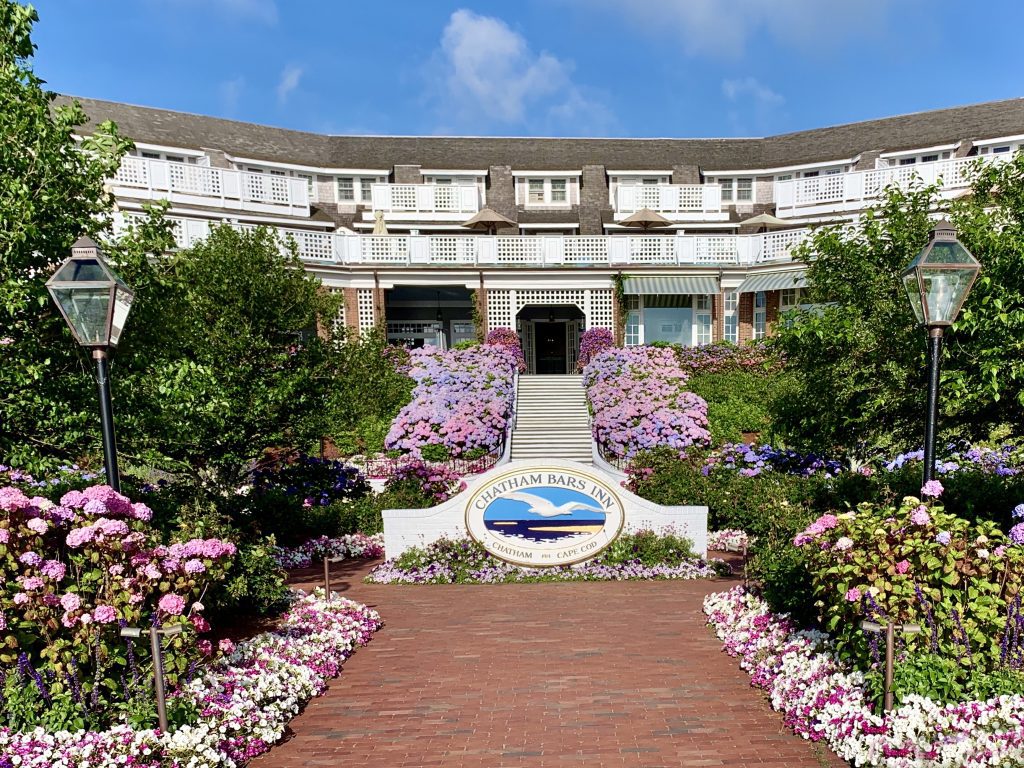

- Brewster is home to Nickerson State Park, one of the best outdoor recreation resources on the Cape, with camping, freshwater ponds, and direct access to the Cape Cod Rail Trail. Brewster’s beaches on Cape Cod Bay are known for extreme low tides, so you may need to walk out a considerable distance to reach swimmable water.
- Harwich offers strong ferry access to Nantucket via the Freedom Ferry from Harwich Port, plus a cute Main Street that earned the village a national happiest-seaside-village distinction.
It’s a smart, less crowded alternative to Chatham for travelers who want a similar vibe without quite the same price tag or summer crush.
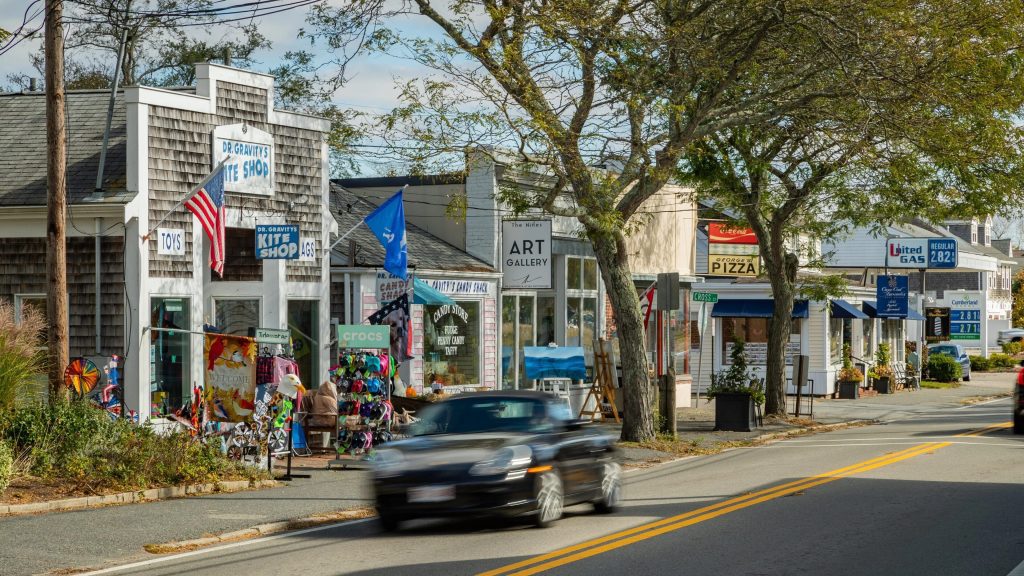

- Wellfleet shifts the tone further: an active arts and gallery scene, an outsized reputation for fresh oysters, and access to some of the Cape Cod National Seashore’s most scenic beaches. It’s a strong choice for travelers who want nature and culture over nightlife.
- Truro is the quietest town on the Cape almost by design, with minimal commercial development and the historic Highland Light marking some of the most dramatic coastal scenery on the peninsula.
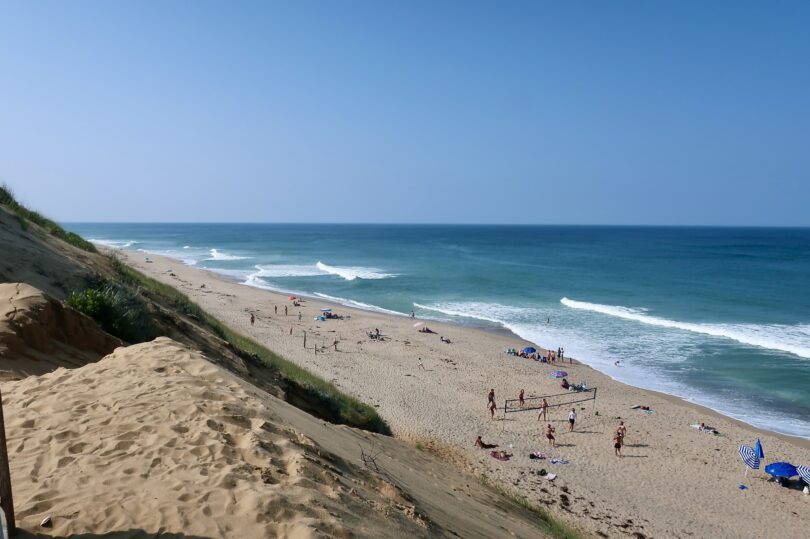
Provincetown vs. Chatham
Provincetown vs Chatham is one of the most common dilemmas for first-time Cape visitors trying to choose a single home base, and the two towns couldn’t represent more different versions of a Cape Cod vacation.

- Chatham is refined, quiet in the evenings, and centrally positioned.
- Provincetown is the Cape’s most energetic town: Commercial Street is lined with restaurants, galleries, live music, and shops that stay busy well into the night, and the town has one of the most vibrant LGBTQ+ scenes in New England.
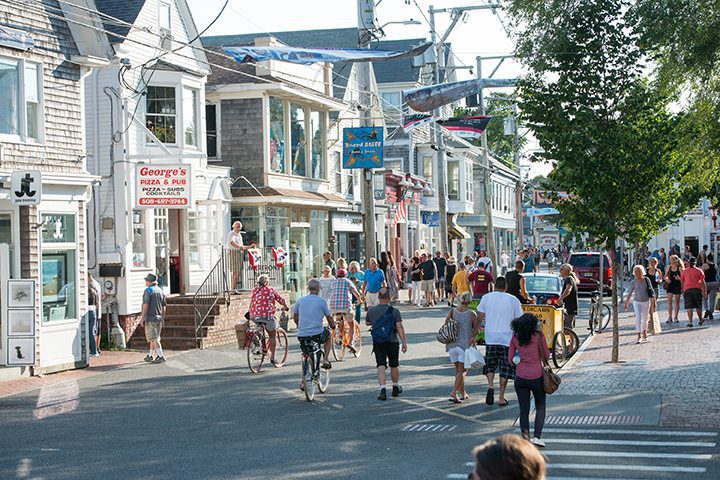
- Provincetown is also more accessible without a car than almost anywhere else on the Cape, with a direct ferry from Boston (via Bay State Cruise Company) that makes it feasible to skip the bridge traffic entirely.
- Chatham requires a car for nearly everything.
If your priority is nightlife, arts, and walkability, Provincetown wins. If your priority is a quieter, more classically elegant Cape Cod base, Chatham wins.
Tip: This region requires the longest drive from the bridges, and that drive gets considerably worse during peak summer. Driving from Falmouth to Provincetown on a July or August Saturday, particularly a vacation rental turnover Saturday, can eat up most of a day. If you’re staying out here, plan to settle in and explore locally rather than bouncing back and forth across the Cape daily.
Booking Timing: When to Lock In Your Cape Cod Stay
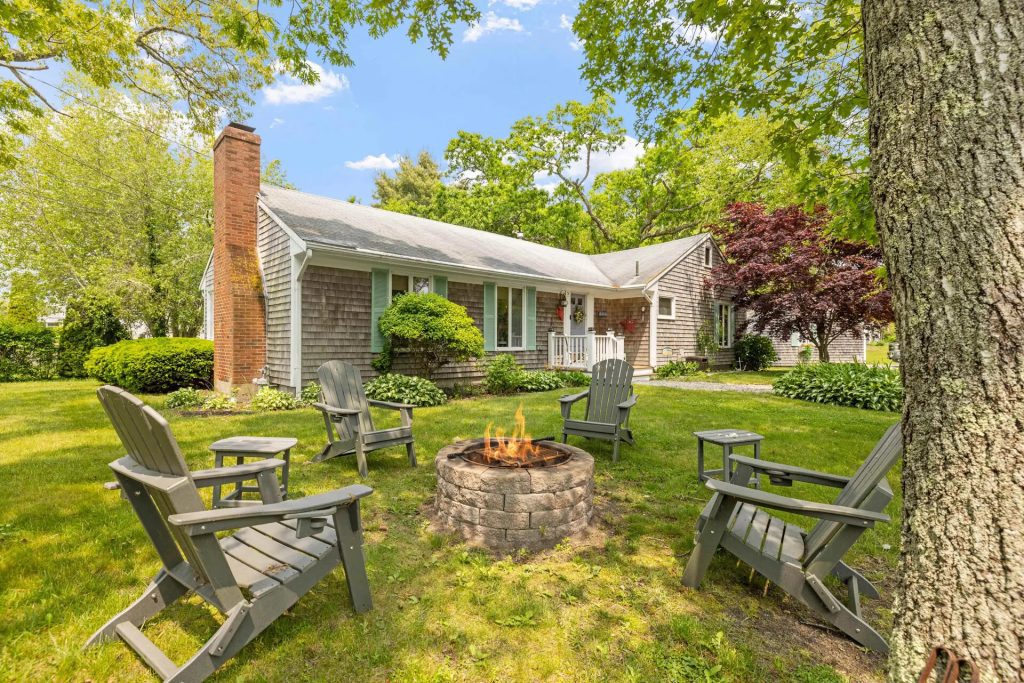
Vacation rental homes across all three regions book up fastest for the peak July-August window, and the most desirable properties, particularly anything within walking distance of Mayflower Beach in Dennis, Old Silver Beach in Falmouth, or downtown Chatham, are typically reserved 6-9 months in advance for that stretch.
Shoulder season (late May through June, and September through mid-October) offers significantly more flexibility, noticeably lower rates, and a meaningfully quieter Cape, though some businesses on the outer reaches begin reducing hours after Labor Day.
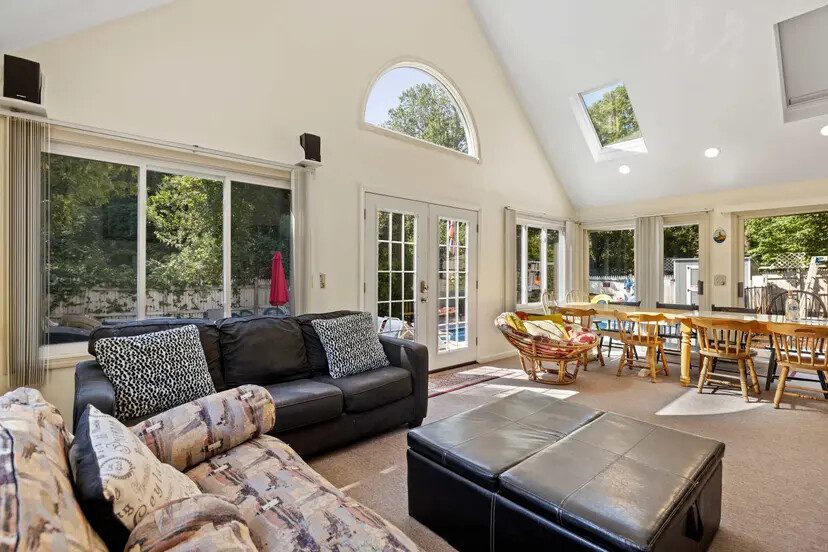
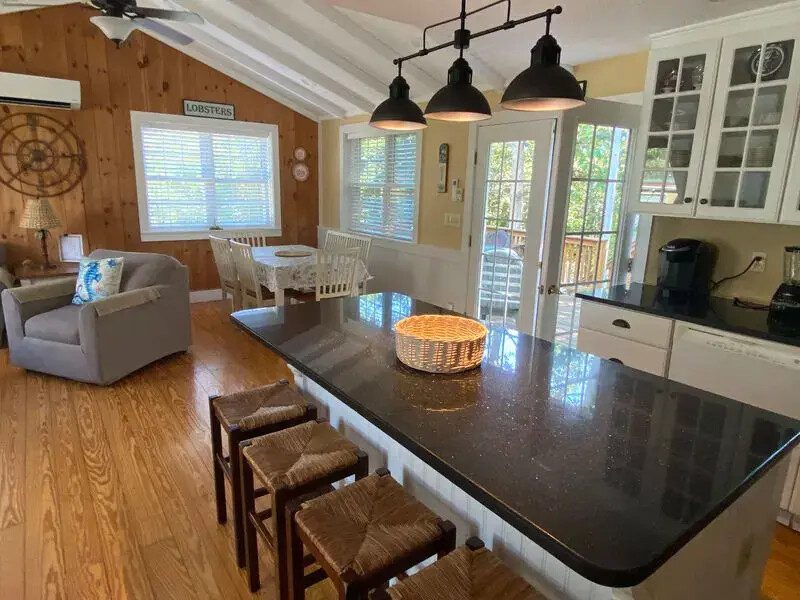
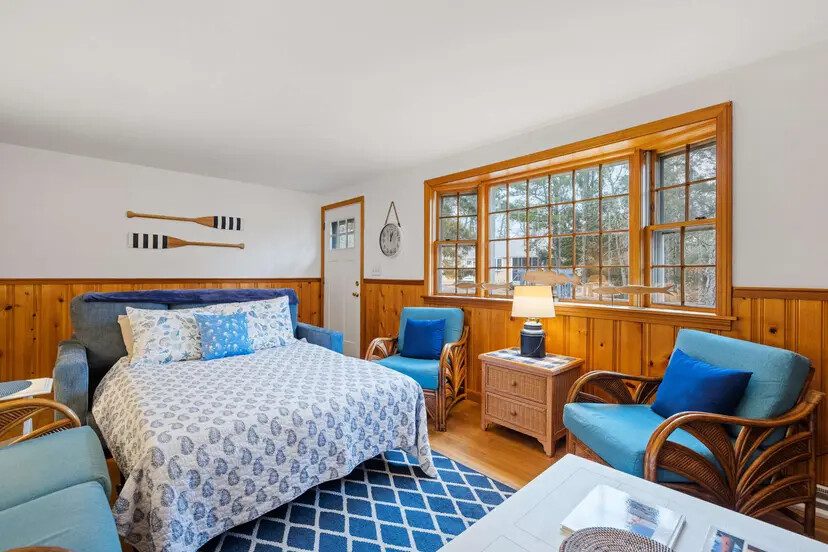
A private home with a full kitchen and enough bedrooms for the whole group tends to be the more practical and cost-effective option for extended-family Cape Cod trips compared to booking multiple hotel rooms, particularly in the Mid and Outer Cape regions where larger group-friendly properties are more available than in the denser Upper Cape towns.
Frequently Asked Questions
What are the best towns to stay on Cape Cod?
The best towns to stay on Cape Cod depend on your priorities. Falmouth and Sandwich lead the Upper Cape for convenience and ferry access. Dennis, Yarmouth Port, and Hyannis anchor the family-friendly Mid Cape. Chatham, Brewster, and Provincetown stand out in the Lower and Outer Cape for classic charm, outdoor recreation, and nightlife respectively. Chatham is frequently cited as the single best all-around base for first-time visitors due to its central location and walkable downtown.
What’s the difference between Upper Cape and Outer Cape?
The Upper Cape (Bourne, Sandwich, Falmouth, Mashpee) sits closest to the mainland bridges, typically 0-25 minutes away, and is known for convenience and strong ferry access to Martha’s Vineyard. The Outer Cape (Eastham, Wellfleet, Truro, Provincetown) is 60-75 minutes from the bridges and offers dramatic National Seashore beaches, a stronger arts scene, and significantly less commercial development, aside from Provincetown’s lively downtown.
Where should families stay on Cape Cod?
Dennis, Falmouth, Hyannis, and the Bourne villages are usually recommended for families. Mayflower Beach in Dennis has gentle surf and dramatic low-tide sandbars that kids love exploring. Gray’s Beach in Yarmouth Port offers shallow, wave-free water ideal for toddlers. The Cape Cod Rail Trail, a paved 25.5-mile path running through Dennis, Harwich, Brewster, Orleans, Eastham, and Wellfleet, is a major draw for family biking.
Is Provincetown or Chatham better for a Cape Cod vacation?
It depends on what you want. Chatham offers a refined, quiet, classically elegant Cape Cod experience with a walkable boutique downtown and a central location. Provincetown delivers significantly more nightlife, an active gallery and arts scene, and one of the most vibrant LGBTQ+ communities in New England, plus the rare benefit of being walkable without a car. Provincetown also has a direct ferry from Boston, making it more accessible for car-free travelers than almost anywhere else on the Cape.
How far is it to drive across Cape Cod?
Driving from the Upper Cape bridges to Provincetown at the very tip takes approximately 75 minutes in light traffic, but this can extend significantly during peak summer weekends, particularly on Saturdays when most weekly vacation rentals turn over. The Cape spans roughly 70 miles end to end, and most visitors find it more practical to choose one region as a home base rather than attempting to cover the whole peninsula in a single trip.
What are the best Cape Cod towns for first time visitors?
Chatham is the most frequently recommended town for first-time visitors due to its central location, walkable downtown, and classic New England charm without the long drive required to reach Provincetown or Truro. Falmouth is a strong alternative for first-timers who want beach access plus easy logistics, including ferry connections to Martha’s Vineyard. Hyannis works well for those who want to be near transportation hubs for island day trips.
Do I need a car to get around Cape Cod?
For most of the Cape, yes, a car is essential, since public transit is limited and many beaches and restaurants sit a meaningful drive from each other. Provincetown is the major exception, with a walkable downtown and direct ferry access from Boston via Bay State Cruise Company. Falmouth and Hyannis are also more manageable without a car than the rest of the Cape due to their compact, walkable centers.
What is the Cape Cod Rail Trail?
The Cape Cod Rail Trail is a paved, 25.5-mile multi-use path that runs from Yarmouth through Dennis, Harwich, Brewster, Orleans, and Eastham, ending near Wellfleet. It passes salt marshes, ponds, and Nickerson State Park in Brewster, making it one of the most popular biking and walking resources on the Cape. South Dennis is a commonly recommended starting point for visitors heading toward the more scenic stretches near Brewster.