
The best shelling beaches on Sanibel Island are consistently ranked among the finest in North America, and the reason is because of geography, not luck. Sanibel runs east to west instead of the north-south orientation of most Florida barrier islands, which means the Gulf of Mexico’s currents hit the island broadside and deposit shells in quantities that other beaches simply don’t see.
This guide covers which beaches deliver the best results, when to go by season and tide, what species to look for, and the rules that apply before you fill your bag.
At a Glance: Sanibel Island Shelling Season by Month
| Month | Shelling Quality | Tide Conditions | Crowds | Notes |
| January | Excellent | Check charts; spring tides at full/new moon | High | Cold fronts push shells ashore; peak shelling season |
| February | Excellent | Check charts | High | Best month overall for shell variety and volume |
| March | Very Good | Check charts | Very High (spring break) | Great shelling but busiest beaches; arrive before 7 a.m. |
| April | Very Good | Check charts | Moderate | Post-spring-break calm; good shelling with fewer crowds |
| May | Good | Check charts | Low-Moderate | Warm water; some summer shells begin appearing |
| June | Moderate | Check charts | Low | Heat and afternoon storms; early morning only |
| July | Moderate | Check charts | Low-Moderate | Summer families; shells present but less abundant than winter |
| August | Moderate-Good | Check charts | Low | Post-storm shelling can be exceptional; heat intense |
| September | Moderate | Check charts | Very Low | Hurricane season risk; quietest beaches of year |
| October | Good | Check charts | Low | Cold fronts begin; shelling improves through the month |
| November | Very Good | Check charts | Low-Moderate | One of the most underrated shelling months; uncrowded |
| December | Excellent | Check charts | Moderate-High | Shell season begins in earnest; holiday visitor surge |
Sanibel Island Shelling Season: When Conditions Peak and Why
Understanding the Sanibel Island shelling season requires understanding what actually puts shells on the beach. Two factors drive shell abundance more than any other: tide level and Gulf conditions. Low tide exposes shell bars and tidal flats that remain submerged at high water.
Cold fronts and Gulf storms generate wave action that churns the offshore shell beds and pushes fresh material onto the beach. The more of both you get, the better the shelling.
Winter
Roughly December through March delivers the most consistent combination of these factors.
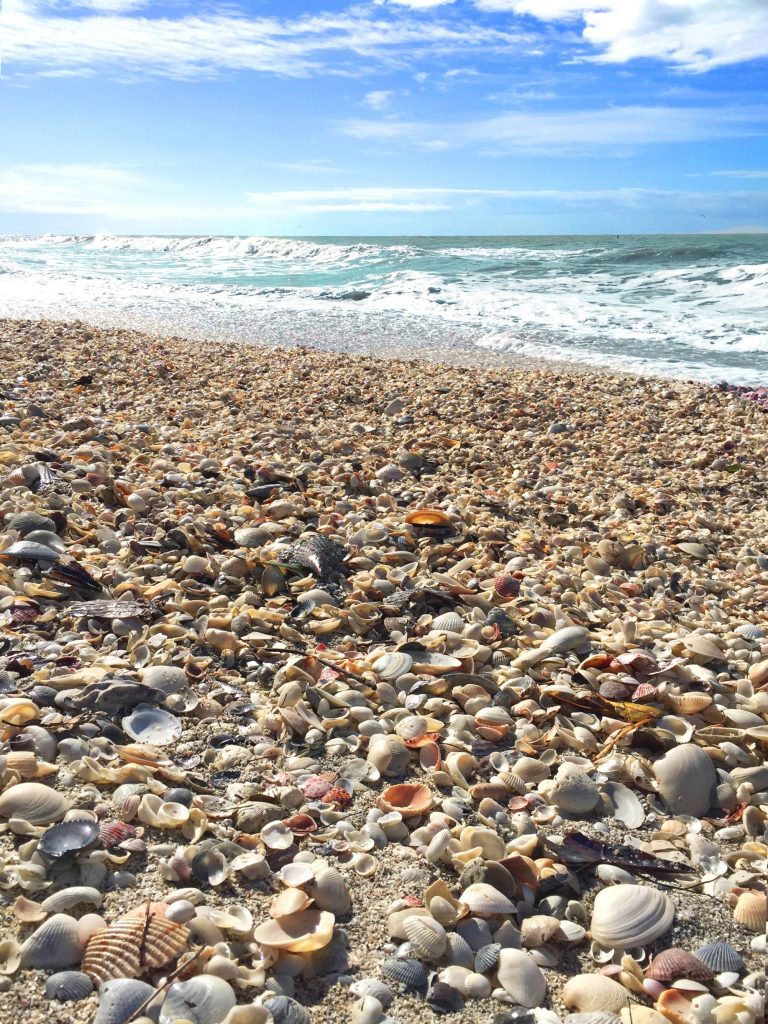
- Cold fronts move through the Gulf at regular intervals during this period, generating the wave energy that strips shells from the bottom and carries them to shore.
- January and February are the months most frequently cited by experienced Sanibel shellers as producing the greatest volume and variety.
- The tradeoff is that these months also coincide with peak tourist season, meaning Bowman’s Beach and Lighthouse Beach will have competition by mid-morning even on weekdays.
Spring
Spring tide timing adds another layer to planning.
- Spring tides occur twice monthly at the full moon and the new moon, producing the lowest low tides of the lunar cycle.
- A low spring tide in January or February, particularly one falling in the early morning hours before sunrise, is the single best shelling condition Sanibel offers.
- Local shellers set alarms for pre-dawn arrivals on these mornings, and the shells waiting on the exposed tidal flats before sunrise haven’t been picked over by anyone.
Summer
Summer produces a genuinely different shelling experience.
- Shell volume is lower than winter, the intense heat makes long beach walks uncomfortable by 9 a.m., and afternoon thunderstorms arrive reliably between 2 and 5 p.m.
- The compensating factor is that summer storms occasionally push shells onto the beach in concentrations that rival the best winter mornings, particularly in August and September after a significant Gulf weather system moves through.
- Experienced shellers on the island will check the beaches within hours of a storm clearing.
Fall
October and November are the most underrated shelling months on Sanibel.
- The first cold fronts of the season begin moving through in October, Gulf water is still warm enough for comfortable wading, the beaches are noticeably less crowded than winter peak, and shelling quality improves significantly through both months.
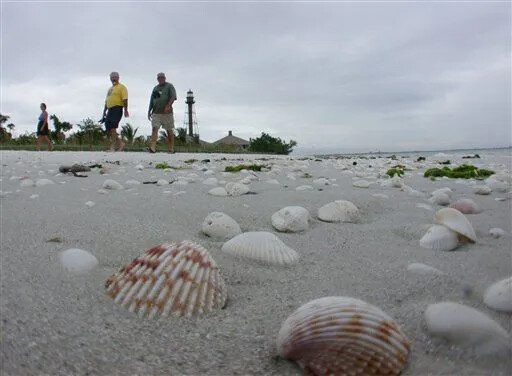
- Travelers who can visit in early November will find conditions approaching winter-quality with a fraction of the beach competition.
The honest caveat on shelling expectations: Even in the best conditions, finding certain species requires patience and some luck. The junonia, a cream-colored, brown-spotted volute considered the holy grail of Sanibel shelling, is genuinely rare. Most shellers visit for years before finding one. A successful outing is measured in calico scallops, lightning whelks, and fighting conchs, not junonias, and there is still plenty to find on any low-tide morning between October and March.
Bowman’s Beach Shelling: The Connoisseur’s Choice
Bowman’s Beach sits at the western end of Sanibel and is consistently ranked as the top shelling destination on the island by experienced collectors. The reason is access: the long boardwalk approach from the parking area discourages casual visitors, and the beach itself is longer and more remote-feeling than Lighthouse Beach or the areas near the causeway. By the time most beachgoers have settled with their chairs and umbrellas, a sheller who arrived at low tide and walked 15-20 minutes toward Blind Pass has already covered the most productive ground before the competition arrives.
Fast Facts about Bowman’s Beach Shelling
- The walk toward Blind Pass from Bowman’s is the most consistently productive shelling route on Sanibel.
- The tidal flats exposed at low tide along this stretch collect shells from both Gulf currents and the pass current itself, and the mix of intact specimens tends to be better the further west you walk from the main parking area.
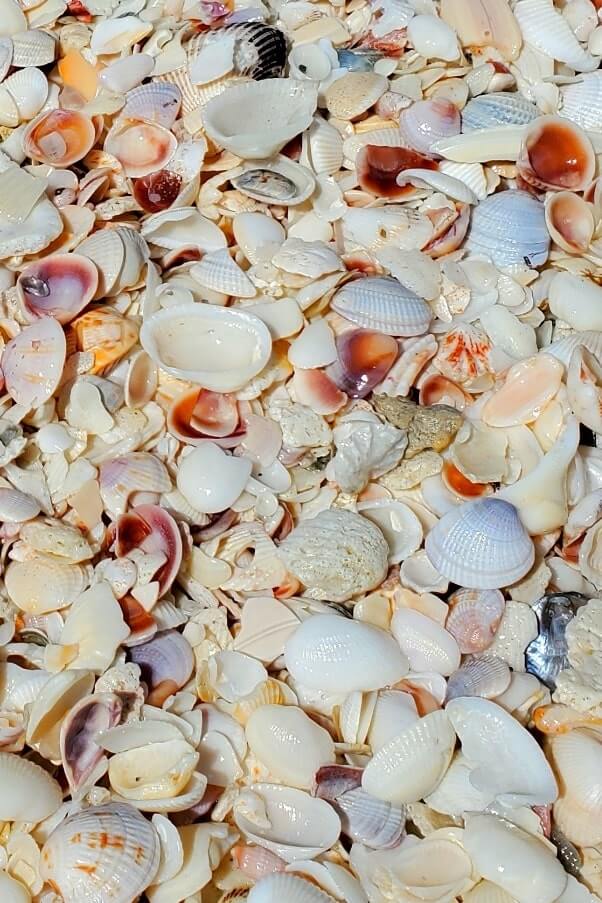
- Lightning whelks, cockles, murex shells, olive shells, tulip shells, and calico scallops all appear regularly along this stretch.
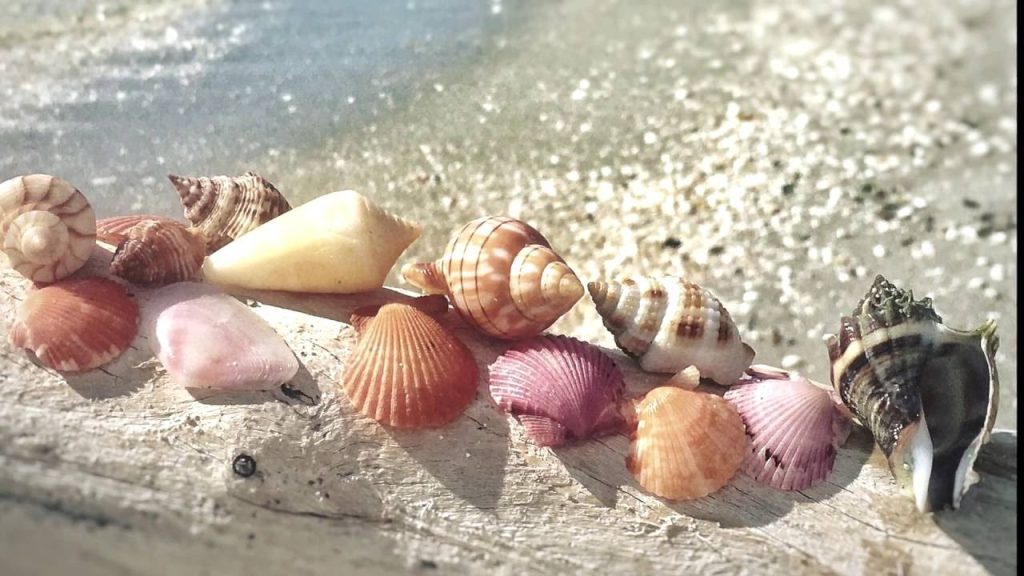
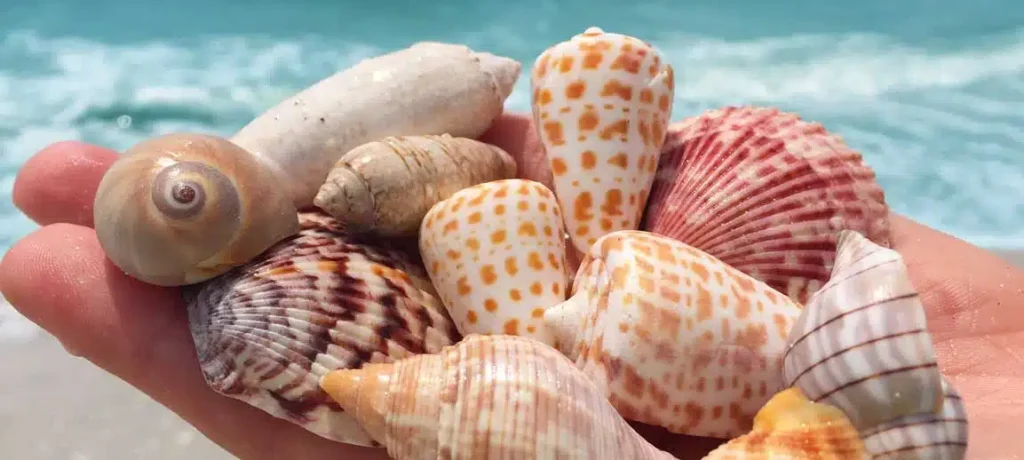
- Calico scallops, with their fan-shaped ridged shells in cream, orange, purple, and brown, are one of the easier species to collect in quantity here and one of the most satisfying shells to bring home.
Parking at Bowman’s Beach
Bowman’s Beach parking requires a Lee County parking permit, available at the parking lot pay station. Parking fills on busy winter weekend mornings by 8-9 a.m., and on the most popular days the lot can close to new arrivals by mid-morning. Arrive at or before sunrise and you will have both the parking and the beach largely to yourself during the most productive shelling window.
Bowman’s Beach Access
The boardwalk extends roughly a quarter mile through mangroves before reaching the beach, which means the walk-in is longer than at most Sanibel beach access points. This is exactly what keeps Bowman’s less crowded.
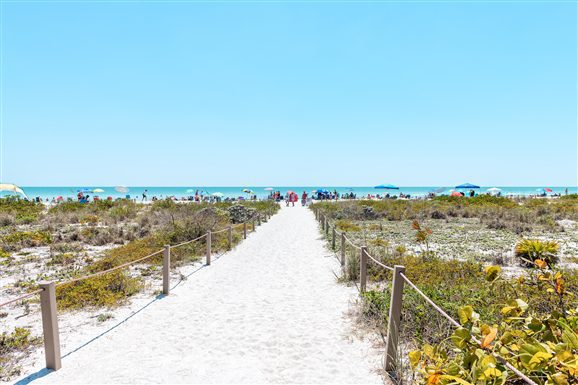
Bring what you need from the car like a mesh bag, water shoes, water and a tide chart because returning to the parking area mid-morning interrupts the best part of the low tide window.
What Shells Can You Find on Sanibel Island?
Sanibel’s beaches host over 250 documented shell species, which is more variety than most collectors encounter in a lifetime of shelling at other destinations. The following are the species most likely to appear during a typical visit.
| Shell | Description | Best Beach | Best Season | Rarity |
| Lightning Whelk | Large spiral shell with brown streaks; Florida’s state shell | Bowman’s Beach, Blind Pass | Winter | Common |
| Calico Scallop | Fan-shaped, ridged; cream, orange, purple, brown | Bowman’s Beach, Lighthouse Beach | Year-round | Very Common |
| Fighting Conch | Orange-pink interior; spiky exterior | All Gulf beaches | Winter-Spring | Common |
| Lettered Olive | Smooth, cylindrical, tan with brown zigzag markings | Bowman’s Beach, Blind Pass | Winter | Common |
| Alphabet Cone | Cream with brown hieroglyph-like markings | All Gulf beaches | Winter | Moderately common |
| Murex (various) | Spiny, elaborate spiral; comes in multiple species | Blind Pass, Bowman’s Beach | Winter | Moderately common |
| Angel Wings | Elongated, white, fragile; paired shells especially prized | Lighthouse Beach, Bowman’s Beach | Winter | Less common |
| Horse Conch | Florida’s official state shell; very large orange-red spiral | Bowman’s Beach low tide flats | Winter | Uncommon |
| Junonia | Cream with brown spots; prized collector’s find | Any beach, purely by chance | Winter | Rare |
| Sand Dollar | Flat, disc-shaped; white when bleached | Tidal flats at low tide | Year-round | Common (intact specimens less so) |
One rule applies to all Sanibel shelling without exception: Lee County prohibits taking live shells from any Sanibel beach.
- Live shells include any shell still occupied by a living organism.
- The penalty is a fine.
- If anything is inside the shell, if the shell has a living operculum (the plate that seals the opening), or if the animal is visible, the shell must be returned to the water exactly where you found it.
- Sanibel’s shell abundance is partly a product of this protection being enforced over decades.
- Take dead shells only — this is the single non-negotiable rule of Sanibel shelling.
The Bailey-Matthews National Shell Museum is the only museum in the United States dedicated entirely to shells and their mollusks.
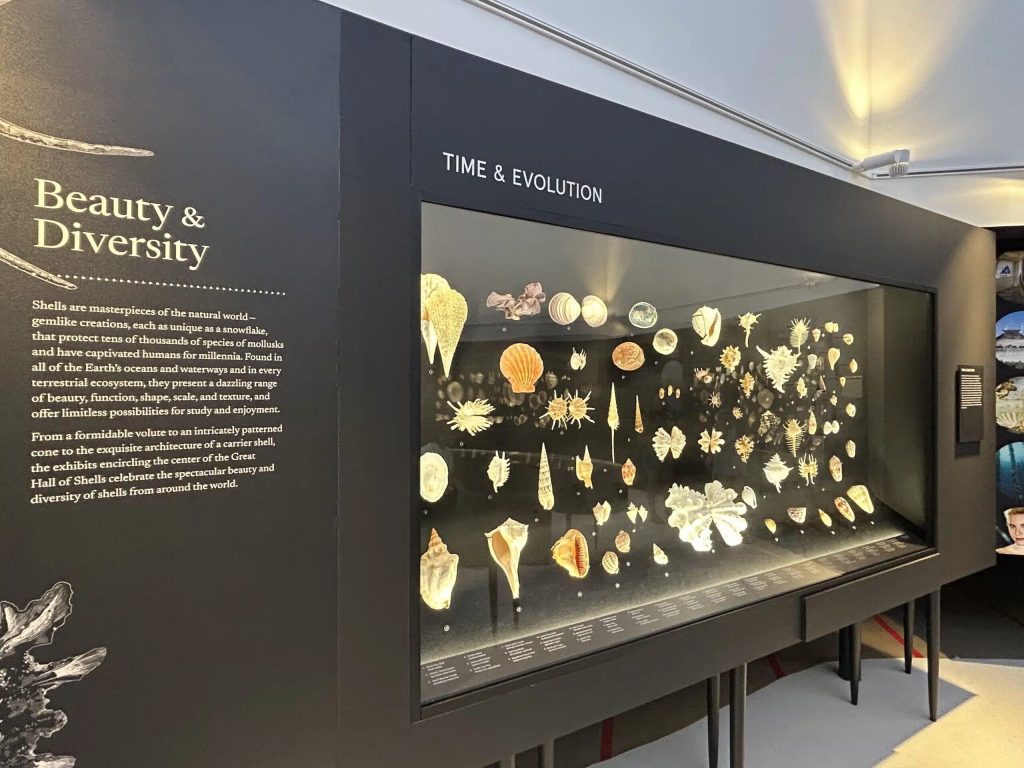
It’s the best place to identify unfamiliar finds, understand which species are rare versus common, and see the full range of what Sanibel’s beaches can produce. The museum also sells identification guides that are worth picking up before your first morning on the beach.
Sanibel Stoop Shelling Tips: Technique, Gear, and Timing
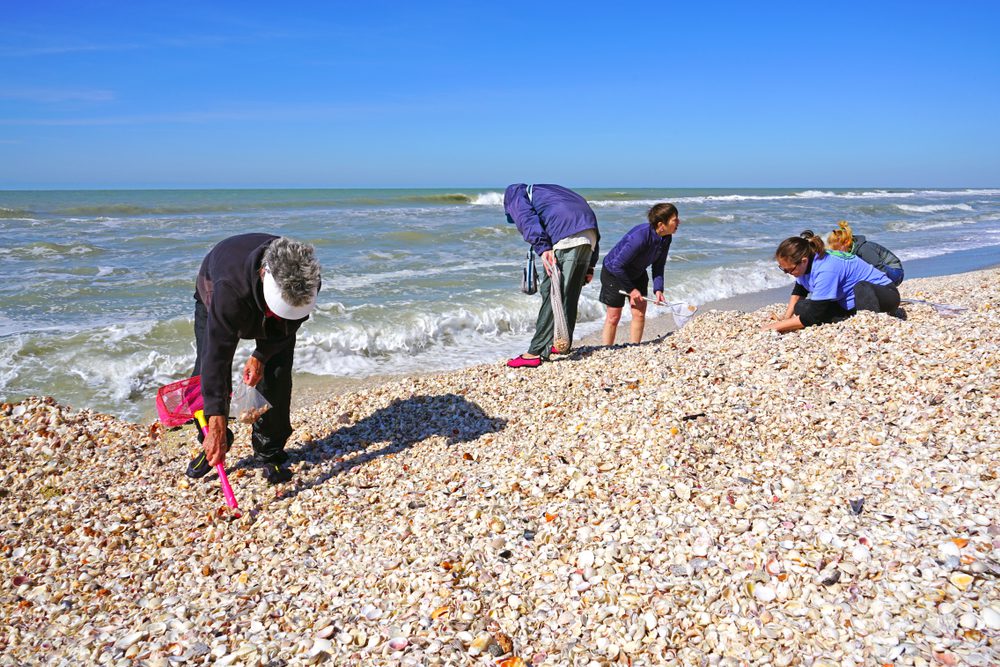
The Sanibel Stoop — the bent-at-the-waist, eyes-scanning-the-waterline posture that every shell hunter adopts within minutes of arriving on the beach — is more technique than joke.
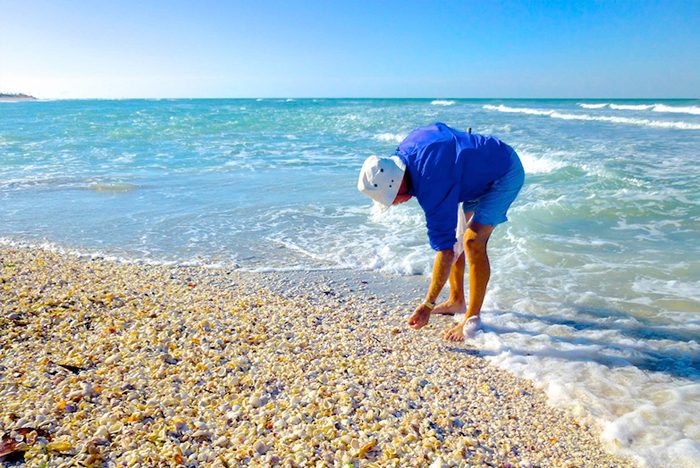
It works because it puts your eyes at the angle that best distinguishes shell shapes from sand, particularly in the low-angle light of early morning or late afternoon. Standing upright and scanning from above misses a significant portion of what’s there, especially half-buried specimens and the more camouflaged species like olive shells and alphabet cones.
Timing Matters
- Arrive approximately one hour before the lowest point of the low tide, confirmed from a local tide chart (available at most Sanibel grocery stores, tackle shops, or free online through NOAA).
- The falling water during that final hour before low tide is actively exposing new shells, and the tidal flats that appear as the water pulls back are the most productive ground.
- After the tide turns and begins rising, shells start going back under rather than coming onto the beach, and the window for the freshest material closes.
Get the Right Gear
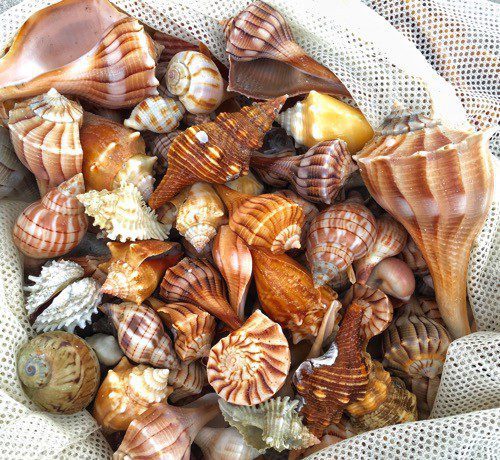
- A mesh bag rather than a bucket (water and sand drain continuously, keeping the load manageable and the shells clean)
- Water shoes or reef-safe footwear (broken shell fragments in the water and wet sand are sharp, and water shoes also make wading into shallow water more comfortable)
- A headlamp or small flashlight for pre-dawn arrivals (the earliest morning light is enough to shell by, but the window before nautical twilight requires artificial light to see properly)
- A small scoop or sand sifter if you want to work through accumulated shell piles rather than just picking from the surface.
Technique
Post-storm shelling is worth understanding as a separate strategy.
- When a Gulf storm or significant cold front passes through, the wave action churned offshore shell beds and the following low tides expose material that was previously unavailable.
- The best post-storm shelling window is the first or second low tide after conditions have calmed enough to safely access the beach.
- Shells deposited by storm energy are often intact in ways that gradually delivered specimens are not, because the speed of deposition means less time grinding against the bottom.
- Check beach conditions locally before heading out after a significant storm because some post-storm debris can make wading uncomfortable.
The honest caveat on technique and gear: There is no substitute for being present at the right tide, at the right beach, at the right time of year. The most experienced sheller in December at low tide on a post-cold-front morning at Bowman’s Beach will find more than any technique can compensate for at high tide on a calm July afternoon. Sanibel’s best shelling is genuinely excellent. Its worst is still better than most Florida beaches.
Frequently Asked Questions
What are the best shelling beaches on Sanibel Island?
The best shelling beaches on Sanibel Island are Bowman’s Beach on the western end, Blind Pass at the island’s western tip where Sanibel meets Captiva, and Lighthouse Beach on the eastern tip near the causeway. Bowman’s Beach is the top choice for experienced collectors because its remoteness keeps crowds thinner and the walk west toward Blind Pass at low tide consistently produces the best variety. Lighthouse Beach is the easiest access point and reliable for families who want to fill a bucket quickly.
When is the best time to go shelling on Sanibel Island?
The best Sanibel Island shelling season runs from December through March, when cold fronts move through the Gulf at regular intervals and push shells onto the beach in the greatest concentrations. January and February are the peak months. Within any month, the best shelling happens at low tide, ideally arriving about an hour before the lowest point, and especially on spring tides that coincide with the full and new moon. Early morning before 8 a.m. is consistently more productive than any other time of day.
What shells can you find at Bowman’s Beach Sanibel?
Bowman’s Beach shelling produces lightning whelks, lettered olives, fighting conchs, calico scallops, various murex species, cockles, tulip shells, and angel wings on a typical winter morning. The walk west from the main access point toward Blind Pass at low tide turns up the best variety. Calico scallops are among the most common finds and among the most visually satisfying to collect in quantity. The rare junonia can theoretically appear anywhere on Sanibel, including Bowman’s, but finding one requires patience and luck rather than technique.
What is the Sanibel Stoop?
The Sanibel Stoop is the signature posture of Sanibel shell hunters — bent at the waist, eyes angled toward the waterline, shuffling slowly along the beach. The posture is practical: it places your eyes at the angle that best distinguishes shell shapes from sand, particularly in the low raking light of early morning, and it exposes partially buried specimens that standing-height scanning misses. Any visitor to Sanibel’s beaches during shelling hours will see the Sanibel Stoop in consistent practice up and down the waterline.
Can you take shells from Sanibel Island beaches?
You can take dead shells from Sanibel Island beaches. Lee County prohibits taking live shells, meaning any shell still occupied by a living organism. The test is simple: if anything is inside the shell or visible in the opening, return it to the water where you found it. Violations carry fines. Sanibel’s shell abundance is a direct result of this protection being enforced consistently over many decades, and most local shellers take the rule seriously.
What is the junonia shell and how rare is it on Sanibel?
The junonia is a cream-colored shell with distinctive brown spots, belonging to the volute family, and is considered the most prized find in Sanibel shelling. It is rare enough that finding one has historically been reported in the local newspaper. Most dedicated shellers visit Sanibel for years before finding a junonia. The shell is possible to find on any of the best shelling beaches on Sanibel Island, but it cannot be planned for or reliably sought.
Is shelling better on Sanibel or Captiva Island?
Sanibel consistently produces better shelling than Captiva Island. Sanibel’s longer beach, east-west orientation, and larger surface area for shell accumulation give it a structural advantage. Captiva’s beaches are beautiful and worth visiting, but experienced shellers consistently note that Sanibel, particularly Bowman’s Beach and Blind Pass, outperforms Captiva on volume and variety. Shells from the pass current between the two islands do accumulate on Captiva’s southern end, making that stretch the most productive area on Captiva for shelling.
What should I bring for shelling on Sanibel Island?
The most useful gear for a Sanibel shelling trip includes a mesh bag (sand and water drain continuously, keeping the load light), water shoes or reef-safe footwear (broken shell fragments in shallow water are sharp), a headlamp or flashlight for pre-dawn arrivals, a local tide chart to plan your timing, and optionally a small sand scoop or sifter for working through shell piles. The Bailey-Matthews National Shell Museum at 3075 Sanibel-Captiva Road sells identification guides that help with identifying unfamiliar finds during and after your visit.