
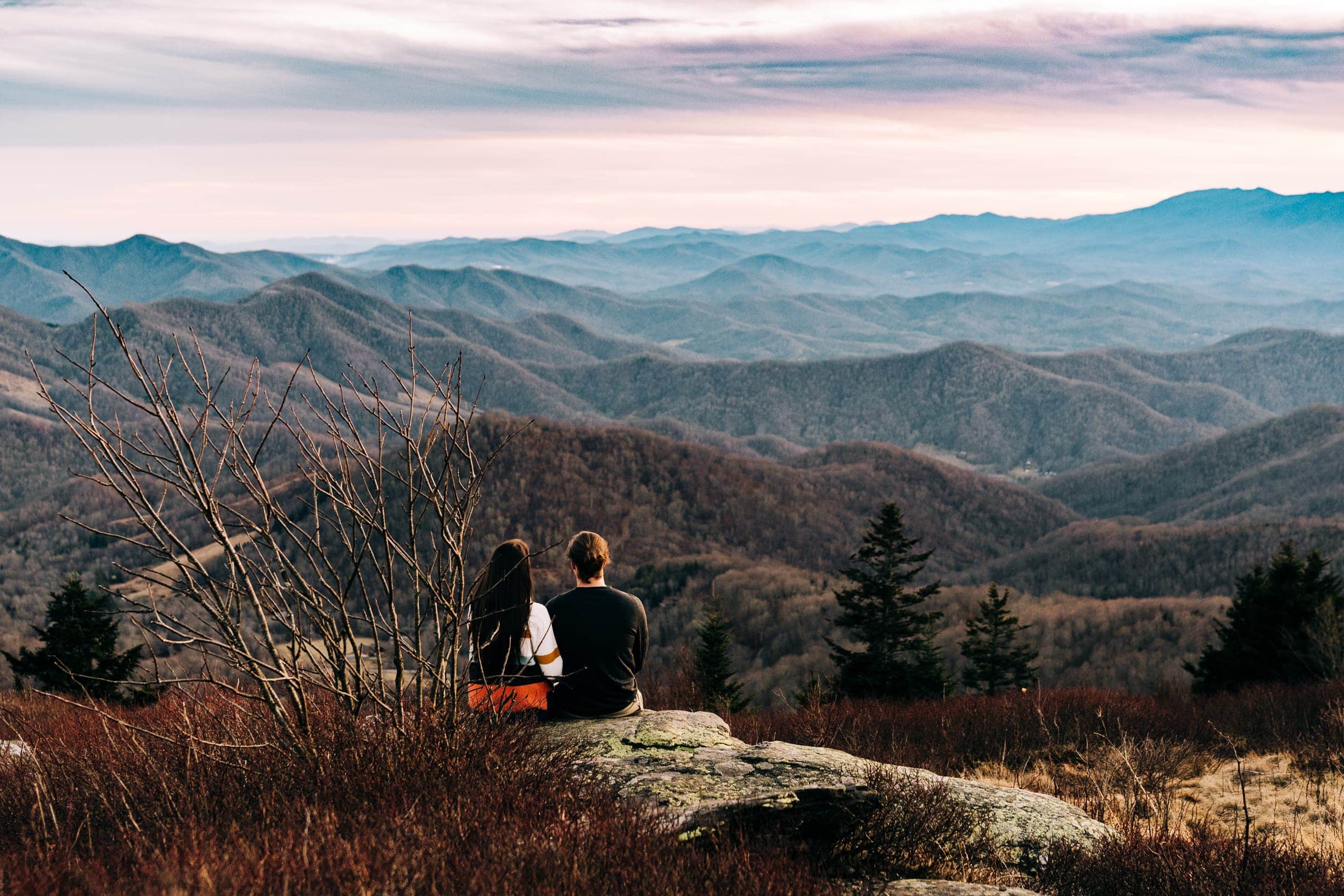
Planning a trip to East Tennessee and can’t decide between Johnson City and Gatlinburg? You’re not alone. Both destinations sit within the Appalachian Highlands, offer mountain scenery and outdoor adventure, and make excellent bases for exploring the region, but they deliver completely different experiences.
So, how do you choose? And more importantly, where should you stay in Johnson City if you decide to skip the Gatlinburg crowds?
In this guide breaks down everything travelers want to know like attractions, crowds, pricing, and lodging so that you can confidently plan your next getaway.
Quick Overview: Johnson City vs. Gatlinburg
Before diving into the details, here’s a quick snapshot.
Johnson City
- Relaxed, local atmosphere
- Access to outdoor adventures without heavy crowds
- More affordable short-term rentals
Gatlinburg
- Tourist-focused destination
- Gateway to the Smoky Mountains
- Higher prices and heavier foot traffic
If you’re deciding between Johnson City vs. Gatlinburg, the biggest difference comes down to pace and whether you prefer a laid-back or lively destination.
Quick Comparison: Johnson City vs. Gatlinburg at a Glance
| Johnson City, TN | Gatlinburg, TN | |
|---|---|---|
| Atmosphere | Local, laid-back, authentic | High-energy, tourist-focused |
| Crowd level | Low — easy parking, quiet trails | High — especially summers & fall |
| Avg. nightly rental | $100–$180 / night | $180–$350 / night (peak season) |
| Drive to Smokies | ~1.5 hrs to park entrance | Right at the park gateway |
| Best for | Relaxed stays, budget travelers, locals | Families, first-timers, activity seekers |
| Outdoor access | Appalachian Highlands, Roan Mtn, OVNHA | Great Smoky Mountains National Park |
| Food & drink scene | Local breweries, farm-to-table dining | Mostly tourist-oriented chains & fudge shops |
| Parking | Easy, mostly free | Paid lots, congestion common |
Atmosphere & Experience
Johnson City: A Local, Laid-Back Feel
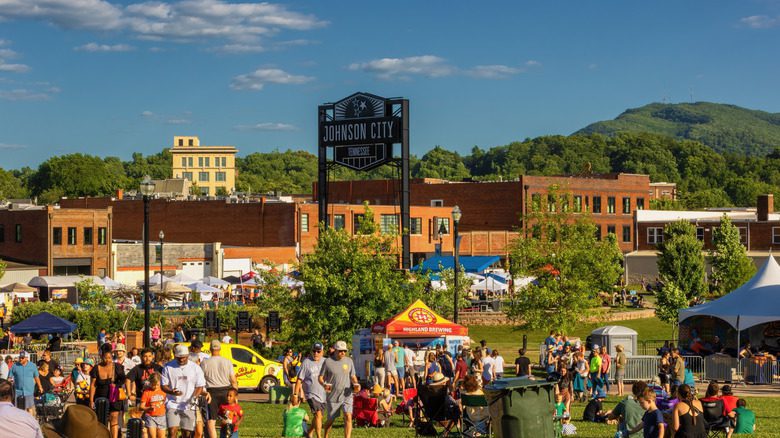
Johnson City is a mid-sized city with a college-town energy that many travelers are actively seeking as an antidote to over-touristed destinations. Downtown is walkable, anchored by locally owned breweries, farm-to-table restaurants, and live music venues, none of it designed primarily for visitors.
Best for: Travelers who want to feel like a local, stay somewhere with character, or simply decompress without constant stimulation.
Gatlinburg: High-Energy & Tourist-Centered
Gatlinburg was essentially built for tourism, and it delivers on that promise well. The main strip is dense with attractions: Ripley’s Aquarium of the Smokies, the Gatlinburg SkyBridge (the longest pedestrian suspension bridge in North America), the Aerial Tramway up to Ober Mountain, and dozens of novelty shops and eateries.
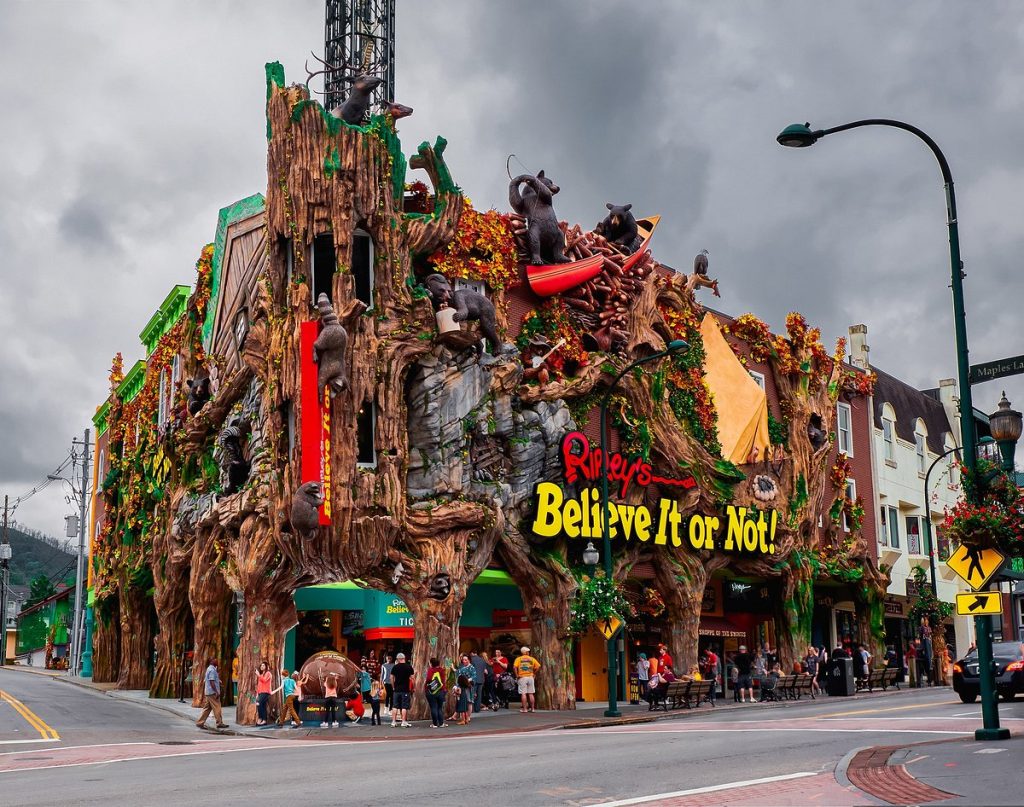
For families with kids or first-time visitors to the Smokies, the concentration of things to do within walking distance is genuinely hard to beat. Evenings are lively, there’s always something happening, and the mountain backdrop is spectacular.
Best for: Families, first-timers to the Smokies, short trips, and anyone who wants a packed itinerary without planning.
Outdoor Activities & Natural Attractions
Johnson City: Underrated outdoor hub
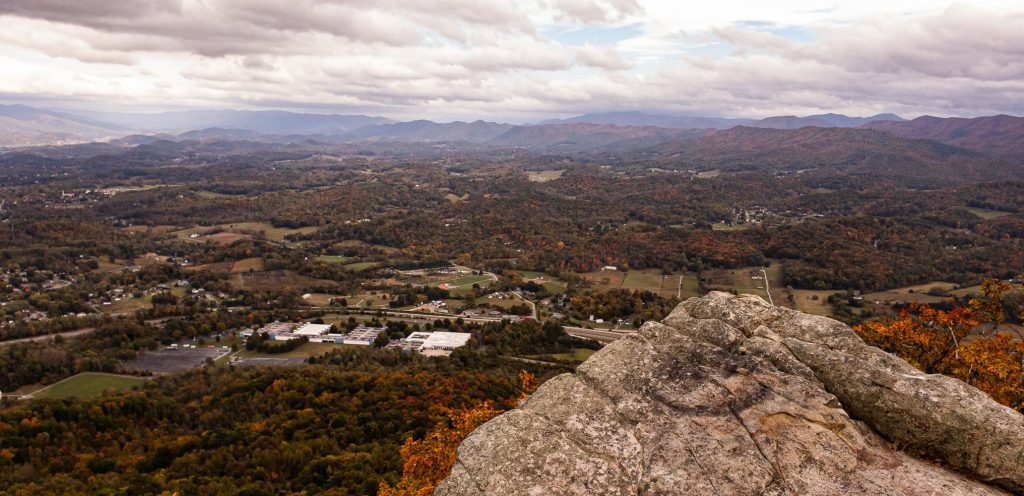
Johnson City sits at the crossroads of several outstanding outdoor destinations that most visitors drive straight through on their way to the Smokies, which means less competition for trailheads and a far quieter experience.
- Roan Mountain State Park (40 min): One of the most spectacular ridge hikes in the eastern US, with 600 acres of rhododendron gardens that peak in June
- Appalachian Trail access: Multiple entry points within an hour of downtown
- Watauga Lake: Stunning TVA lake for kayaking, paddleboarding, and fishing — often called one of Tennessee’s most beautiful lakes
- Tweetsie Trail: 10-mile paved rail trail connecting Johnson City to Elizabethton, ideal for cycling and walking
- Overmountain Victory National Historic Trail: Less-known but historically rich hiking
Gatlinburg: Gateway to the most-visited national park in the US
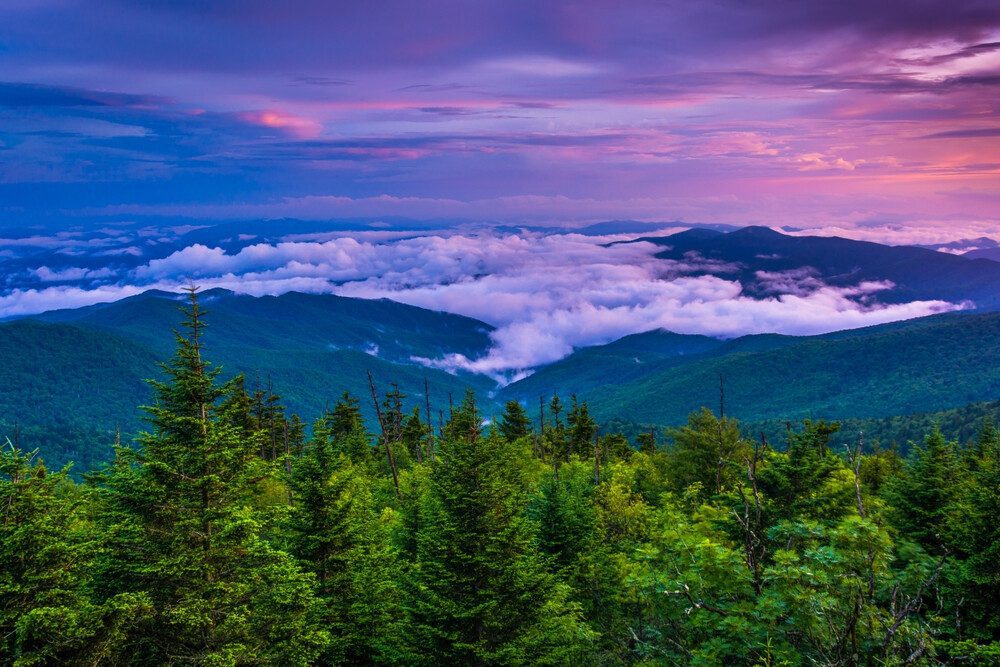
Gatlinburg sits at the entrance to Great Smoky Mountains National Park, which receives over 12 million visitors annually, which is more than the Grand Canyon and Yellowstone combined! That proximity is both the biggest draw and the biggest trade-off.
- Alum Cave Trail: One of the most popular hikes in the park, leading to LeConte Lodge
- Clingmans Dome: Highest point in the Smokies at 6,643 ft with a 360-degree observation tower
- Laurel Falls: The most visited waterfall in the park — expect crowds on weekends
- Wildlife viewing: Black bears, elk, and white-tailed deer are regularly spotted
The trade-off: Popular trailheads require timed-entry reservations between May and October, parking lots fill by 9am on summer weekends, and the park entrance road through town is frequently congested. Plan around this or visit midweek.
Crowds & Travel Experience
Johnson City: Room to breathe
This is one of Johnson City’s most underappreciated strengths. There are no timed-entry systems, no parking lotteries, and no need to arrive at dawn to beat the crowds. Roan Mountain gets busy in peak rhododendron season (mid-June), but nothing close to the scale of the Smokies.
For travelers who have had their fill of fighting for a parking space at a national park, Johnson City feels like a revelation.
Gatlinburg: Expect crowds year-round
Peak periods in Gatlinburg are significant: summer school holidays (June–August), fall foliage season (mid-October), and major holiday weekends all bring heavy traffic both to the town and into the park. Shoulder seasons (April–May, November) are noticeably calmer and are the locals’ preferred time to visit.
If you’re set on Gatlinburg in peak season, book accommodation at least 3–4 months out and build extra time into every day for traffic and parking.
Pricing & Value
What to expect in Johnson City
Johnson City offers meaningfully better value for overnight stays. A well-appointed vacation rental home in a scenic neighborhood typically runs $100–$180/night, with properties sleeping 6–8 people available in that range. You’ll find full kitchens, outdoor spaces, and mountain views without paying a Smokies premium.
Dining is also more affordable, the local restaurant scene leans toward mid-range pricing, and you won’t be charged $8 for a bottle of water because of foot traffic.
What to expect in Gatlinburg
Gatlinburg’s popularity drives prices up across the board. Cabin rentals with mountain views average $200–$350/night in peak season, and budget options are limited close to the town center. Attraction tickets (Ripley’s, SkyBridge, Ober Mountain) add up quickly for families, and paid parking is the norm.
That said, the value proposition is real if you’re maximizing activity per day, everything is walkable and the park itself is free to enter.
If budget matters, Johnson City is typically the better choice.
When to Choose Johnson City vs. Gatlinburg
Still deciding between Johnson City vs. Gatlinburg? Here’s a simple breakdown:
Choose Johnson City if you:
- Want a relaxed, crowd-free experience
- Are looking for better value on accommodations
- Prefer local culture over tourist attractions
- Need more space for your group
Choose Gatlinburg if you:
- Want easy access to major attractions
- Don’t mind crowds and higher prices
- Are planning a short, activity-packed trip
- Want to be right next to the Smoky Mountains
Where to Stay in Johnson City
If you’re leaning toward a quieter, more affordable trip, the next question is where you should stay in Johnson City.
Here’s what to consider when booking your short-term rental:
- Downtown Johnson City — Perfect for walkability, restaurants and nightlife, and first-time visitors. You’ll be close to local shops, breweries and events, making it a convenient home base.
- Residential Neighborhoods — Ideal for families or groups, longer stays, and more privacy. These areas often offer larger homes, yards, and a quieter atmosphere.
- Scenic Outskirts — Great for mountain views, peaceful retreats, and nature-focused trips.
Can You Visit Both?
Absolutely, and it’s one of the best ways to experience East Tennessee. The drive between Johnson City and Gatlinburg takes approximately 2 hours via US-321, passing through some genuinely beautiful mountain scenery.
A popular itinerary: base yourself in Johnson City for 3–4 nights (lower cost, more space), take one full day to drive to Gatlinburg and the Smokies, and spend the rest of your trip exploring the trails and towns closer to your home base. You get the iconic Smokies experience without committing to Gatlinburg prices for your entire stay.
Where to Stay in Johnson City
If you’re leaning toward Johnson City, here’s what to look for when booking:
- Downtown Johnson City — Walkable to restaurants, breweries, and local events. Best for first-time visitors or those who want a lively evening scene.
- Elizabethton/Carter County area — Quieter, closer to Roan Mountain and Watauga Lake. Great for outdoor-focused trips.
- Scenic outskirts — Properties with mountain views and more privacy. Ideal for families, groups, or anyone who wants a genuine retreat feel.
Frequently Asked Questions
How far is Johnson City from Gatlinburg?
The drive from Johnson City to Gatlinburg is approximately 75 miles and takes around 2 hours via US-321 South. The route passes through Cherokee National Forest and offers some of the most scenic driving in East Tennessee.
Is Johnson City TN worth visiting?
Yes, particularly if you’re looking for an authentic, low-key mountain destination. Johnson City punches above its weight with an excellent local food and brewery scene, easy access to overlooked outdoor gems like Roan Mountain and Watauga Lake, and significantly lower prices than nearby tourist hubs.
Is Gatlinburg too crowded?
It depends on when you go. Summer weekends and the October foliage season bring very heavy crowds, parking lots fill early, traffic backs up on the main strip, and popular Smoky Mountain trailheads require timed-entry passes. Visiting midweek or in shoulder season (April–May or November) gives a much calmer experience.
Which is cheaper: Johnson City or Gatlinburg?
Johnson City is consistently more affordable. Vacation rental rates typically run $100–$180/night vs. $200–$350+/night in Gatlinburg during peak season. Food, parking, and activities are also more budget-friendly in Johnson City.
What is Johnson City TN known for?
Johnson City is known for its vibrant craft beer scene (it’s home to several award-winning breweries), its proximity to outdoor recreation including Roan Mountain State Park and the Appalachian Trail, and its college-town atmosphere anchored by East Tennessee State University. It’s also a hub for the greater Tri-Cities region alongside Kingsport and Bristol.
What’s the best time to visit Gatlinburg?
April to early May (spring wildflowers, thinner crowds) and November (fall colors fading but much quieter) are the locals’ preferred times. If you must visit in summer or October, book accommodation 3–4 months ahead and plan to be at trailheads before 8am.
Ready to plan your East Tennessee getaway?