

Porto vs Lisbon: the quick verdict
Porto vs Lisbon is the first big decision on most trips to Portugal. Choose Lisbon for more sights, more sunshine and easy beach day trips. Choose Porto for better value, port wine and a compact historic center.
If you have a week, you don’t have to choose. The fastest train between the cities takes under three hours, so most travelers see both.
A few places nearby — see all in Porto
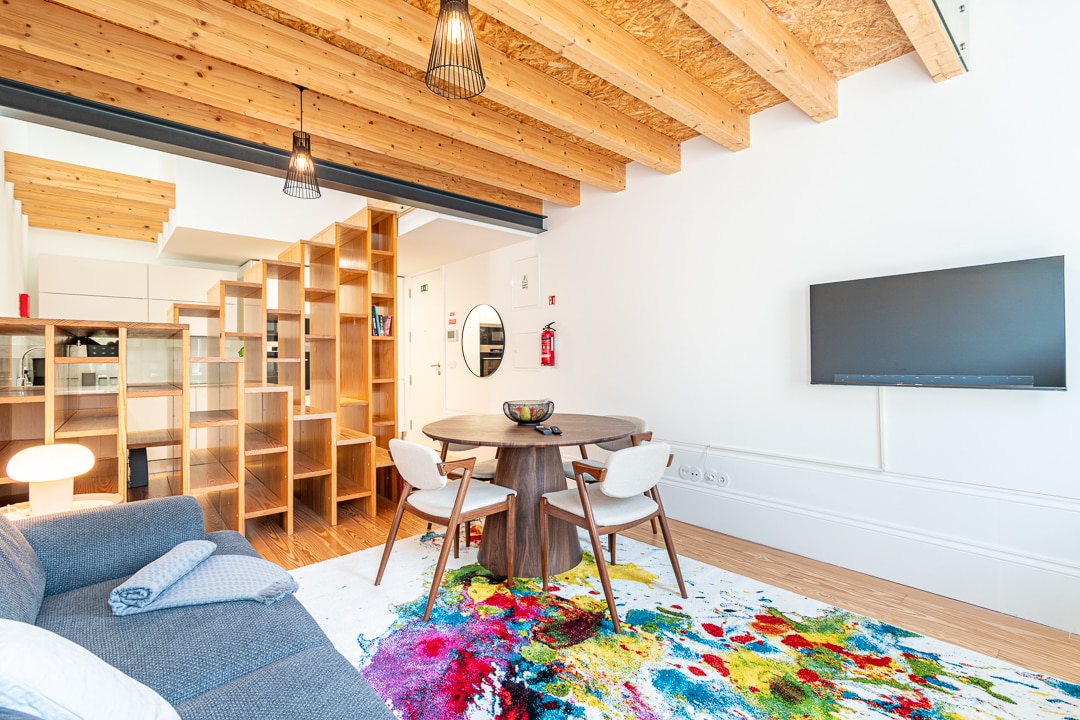
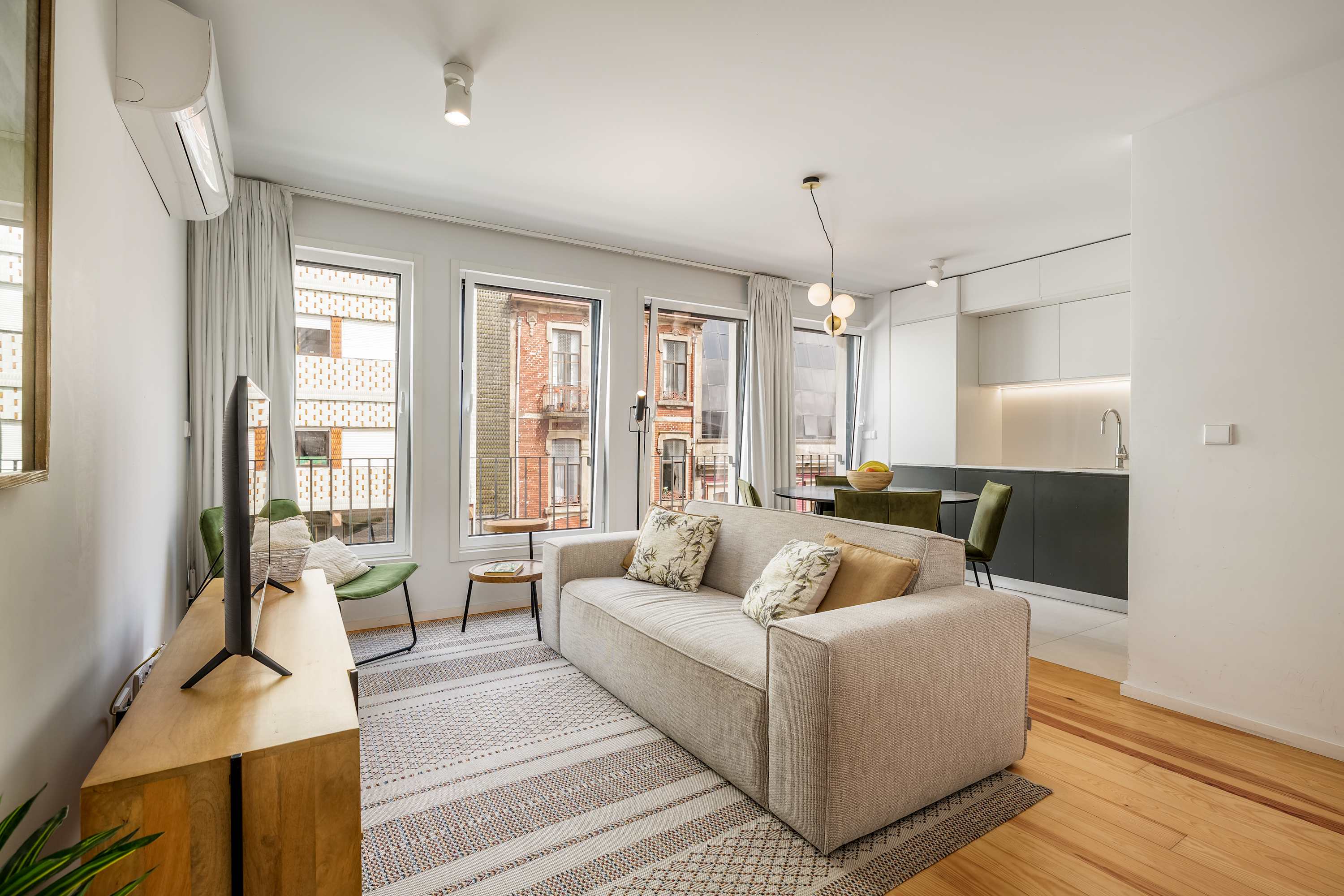
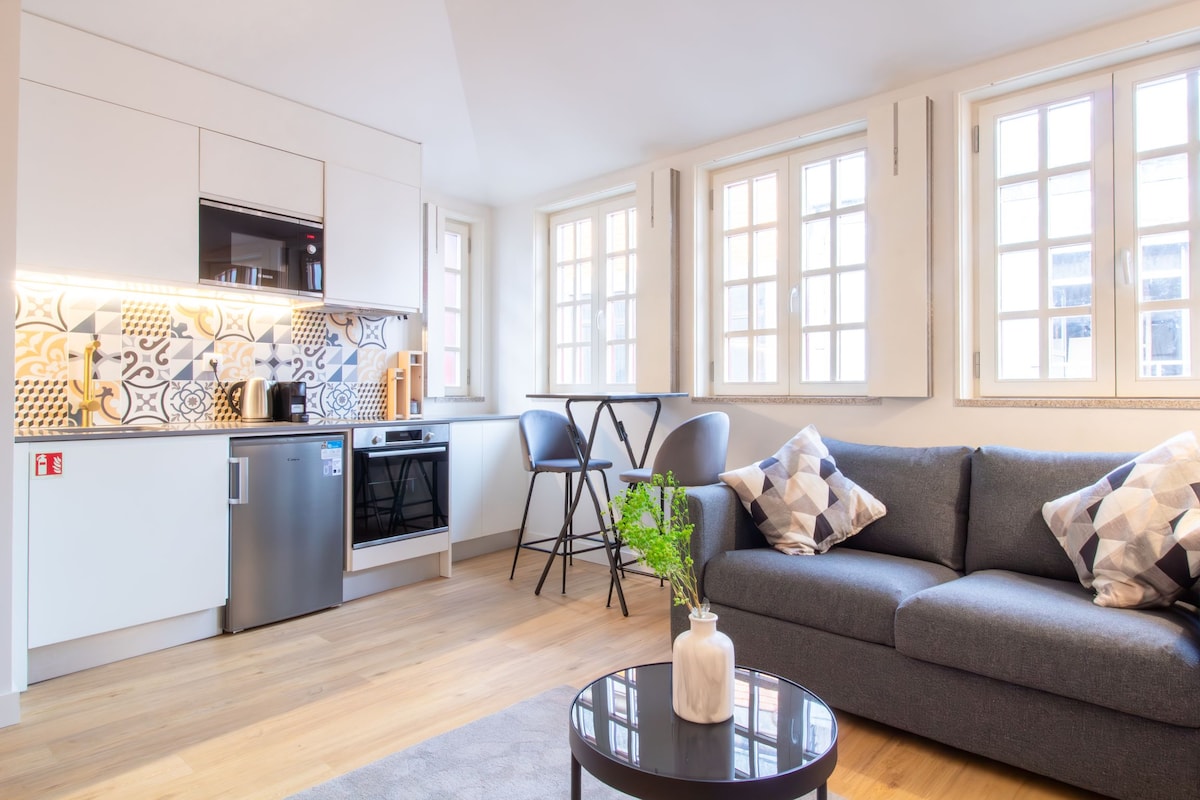
| Lisbon | Porto | |
|---|---|---|
| Best for | First-timers who want variety and beach days | Food and wine lovers, value seekers, slower trips |
| Size and feel | Capital and largest city, busy and international | Second city, compact, more local |
| Signature sights | Belém, Alfama, Tram 28, viewpoints | Ribeira, Dom Luís I Bridge, Gaia port cellars, Livraria Lello |
| Top day trip | Sintra, about 40 minutes by train | Douro Valley, about 2 hours 20 minutes to Pinhão by train |
| Flights from the US | Most nonstop options | Fewer nonstops, mostly from New York area and Boston |
| Cost | Higher | Generally lower* |
| Weather | Warmer and sunnier | Cooler, with rainy winters |
| Tourist tax | €4 per person per night | €3 per person per night |
*Prices vary by season and neighborhood. Treat all prices in this guide as approximate.
Leaning toward Porto? Book direct with local property managers and pay no booking fees.
What’s the difference between Lisbon and Porto?

Lisbon is Portugal’s capital and largest city. It feels busy and international, with nightlife that runs late in Bairro Alto and Cais do Sodré.
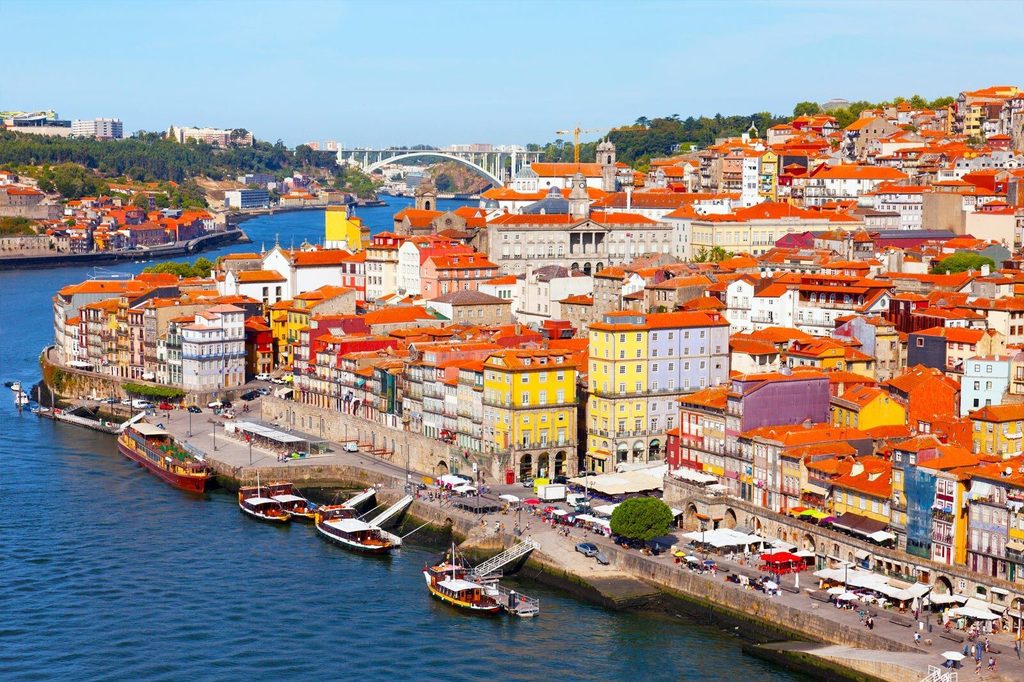
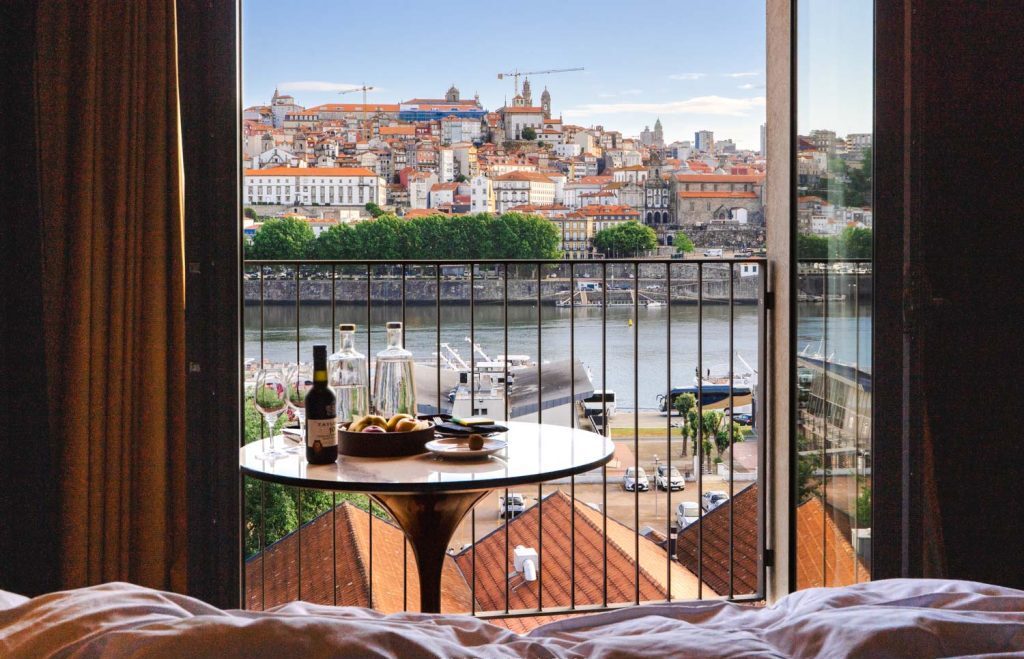
Porto is Portugal’s second city and feels more local. Its historic core is compact, built from granite and tiled facades stacked above the Douro River.
Both cities are hilly, so pack shoes with grip. Porto’s riverside streets are especially steep, with long flights of stairs.
Is Lisbon or Porto better for sightseeing?
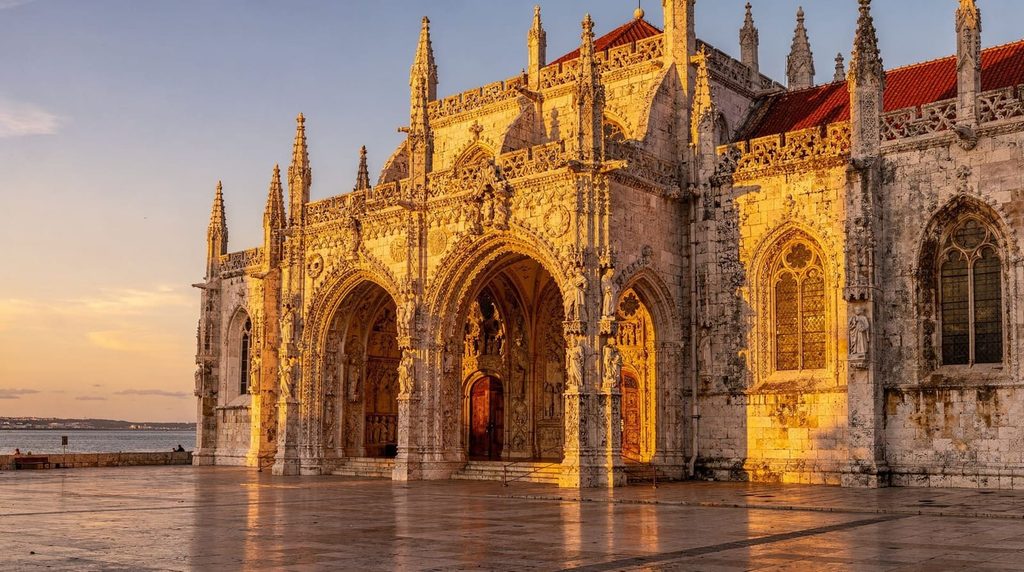
Lisbon has more headline monuments. In Belém, Jerónimos Monastery and Belém Tower share a UNESCO World Heritage listing, while Alfama climbs to São Jorge Castle. Tram 28 rattles through the old quarters, and a miradouro (viewpoint) tops nearly every hill.
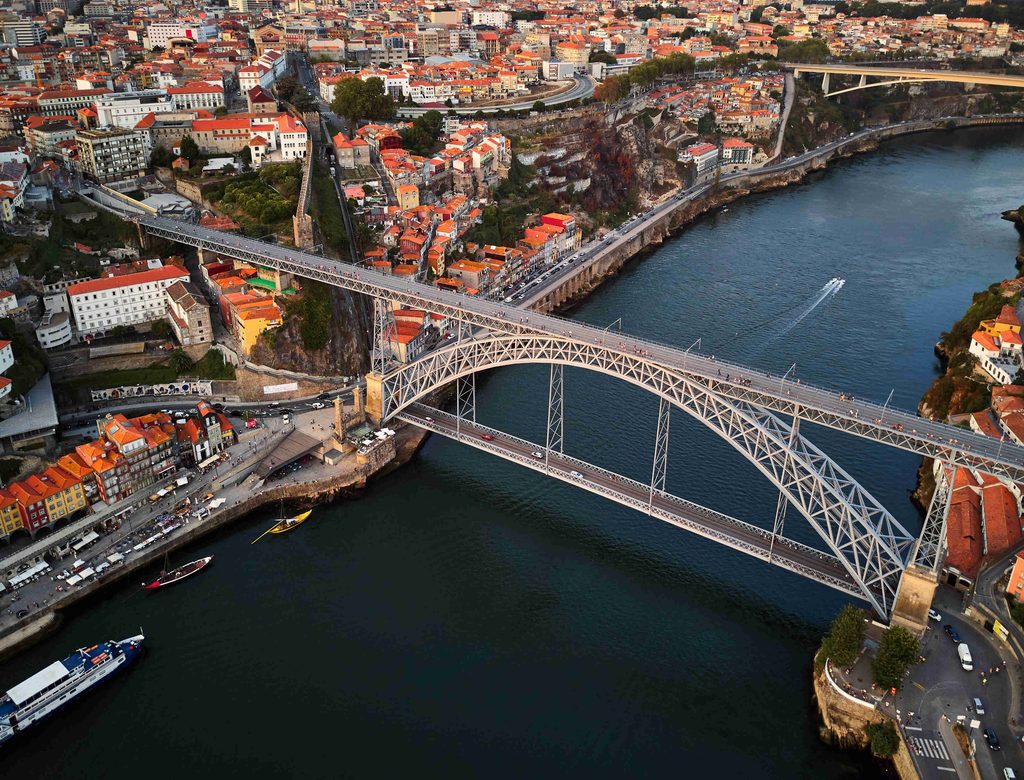
Porto packs its highlights into a smaller area. Its historic center, the Dom Luís I Bridge and the Monastery of Serra do Pilar together form a UNESCO World Heritage Site listed in 1996. The double-deck iron bridge links Porto to the port cellars of Vila Nova de Gaia.
Other Porto musts include Torre dos Clérigos, the tiled hall of São Bento station and Livraria Lello, which uses timed tickets. Lisbon wins on volume, but Porto’s main sights fit into two or three days.
Is the food better in Lisbon or Porto?
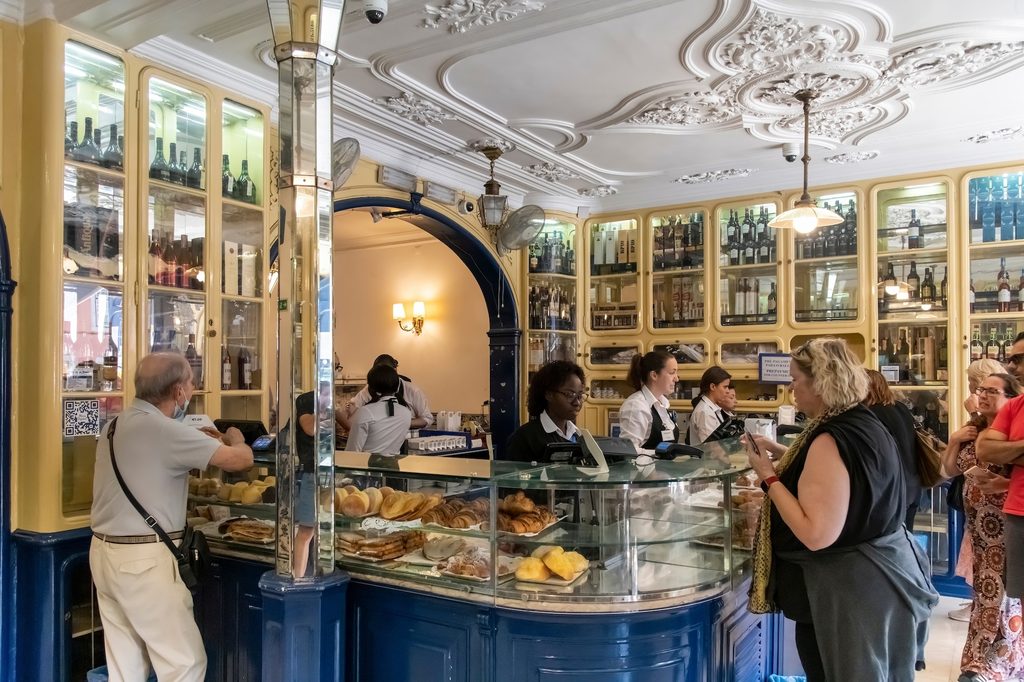
Lisbon is the place for pastéis de nata. Pastéis de Belém has baked them since 1837 from a recipe that came from the neighboring monastery. The city’s seafood and cherry liqueur, ginjinha, are also worth seeking out.

Porto’s food is heartier. Try a francesinha, a meat-stuffed sandwich under melted cheese and a beer-based sauce. Then cross the river to Gaia for tastings at port lodges like Sandeman, Graham’s and Taylor’s.
Wine lovers have the edge in Porto. The Douro Valley, where port grapes grow, is a scenic train ride away.
Does Lisbon or Porto have better beaches?
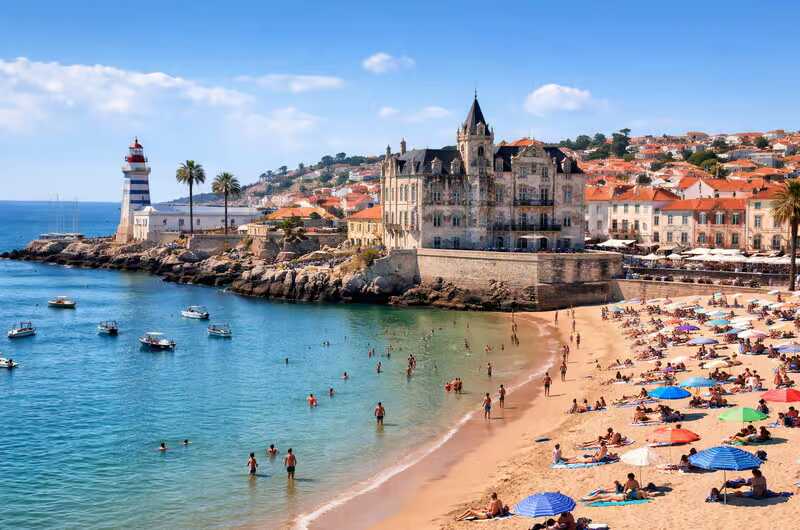
Lisbon is the better base for beach days. Cascais and Estoril are about 40 minutes away by train, and the long sands of Costa da Caparica sit south of the Tagus River.
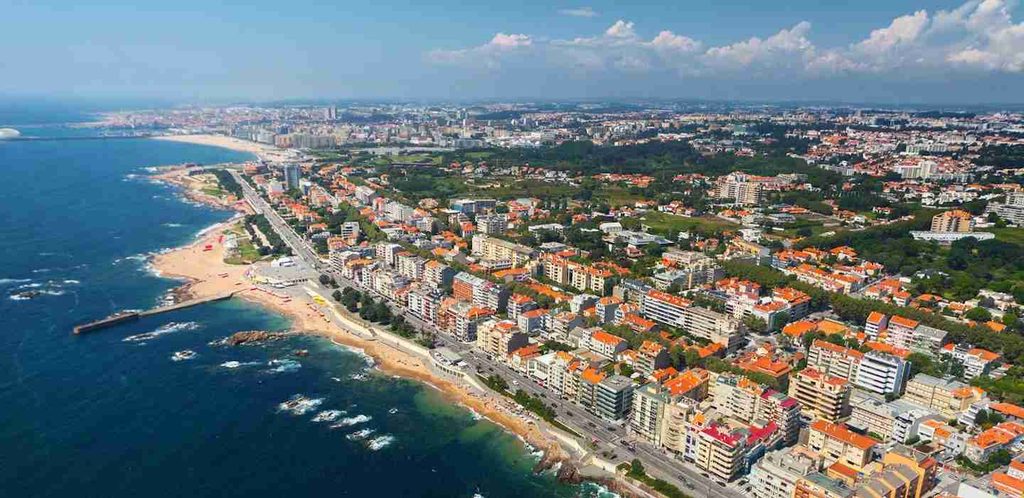
Porto has city beaches too. Foz do Douro and Matosinhos are reachable by bus 500 along the river, and Matosinhos has the best sandy beach near the city. Expect cooler Atlantic water in the north.
Best day trips from Lisbon and Porto

Both cities have UNESCO-listed day trips. From Lisbon, Sintra is about 40 minutes by train from Rossio station, and its palaces and gardens fill a full day. Cascais is an easy add-on.

From Porto, the Douro Valley is the standout. Trains from São Bento reach Pinhão in about 2 hours 20 minutes, following the river past terraced vineyards (Lonely Planet’s guide to the route). The historic center of Guimarães, also UNESCO-listed, and the cities of Braga and Aveiro are all reachable by train.
Porto vs Lisbon cost: which is cheaper?
Yes, Porto is generally cheaper for lodging, dining out and drinks. The gap has narrowed as Porto has grown more popular, so don’t expect bargains in peak summer.
A mid-range hotel runs roughly €100 to €150 a night in central Lisbon or Porto’s Ribeira district.* Prices drop once you move a few neighborhoods out, especially in Porto.
Tourist tax in Lisbon and Porto
Both cities add a nightly tourist tax, collected by your hotel or rental host. It applies to guests aged 13 and over, for up to seven nights per stay.
| City | Rate per person per night | Most you pay per stay |
|---|---|---|
| Lisbon | €4 | €28 |
| Porto | €3 (Porto City Council) | €21 |
Porto’s council began reviewing its tax in fall 2026, and a rise to €4 has been floated. Check the current rate before you budget.
Want your budget to go further? A rental with a kitchen cuts restaurant costs, and booking on Stay means no booking fees on top.
Porto vs Lisbon weather and the best time to visit
Lisbon is warmer and sunnier year-round. Porto is cooler and wetter, with proper rainy winters from November to March.
The best time to visit either city is spring (April to June) or early fall (September to October). You get warm days, thinner crowds and lower prices than in July and August.
Can you fly direct to Porto or Lisbon from the US?
Most nonstop flights from the US land in Lisbon. Porto has fewer, but options are growing: United and TAP fly from Newark, TAP flies from Boston, and Delta added a New York JFK route in May 2026. Some routes are seasonal, so check dates before you plan an open-jaw trip.
Porto’s airport is easy to reach from town. Metro Line E (violet) runs to the city center in about 25 to 30 minutes.
Lisbon or Porto: which should you choose?
- First-time visitors: Lisbon, for the widest mix of sights, food and day trips.
- Couples: Porto, for riverside sunsets, port tastings and a slower pace.
- Families: Lisbon, for train-friendly beach days in Cascais and Estoril.
- Food and wine lovers: Porto, with the Douro Valley on its doorstep.
- Budget travelers: Porto, where lodging and meals usually cost less.*
- Nightlife: Lisbon, especially Bairro Alto on weekends.
Lisbon to Porto train: how to see both cities
The train is the easiest way to travel between Lisbon and Porto. The Alfa Pendular takes about 2 hours 40 to 50 minutes, and the cheaper Intercidades about 3 hours 10 to 15 minutes. Roughly 30 trains run the route each day.
Every ticket includes a reserved seat. Book on the CP website a few days ahead for Friday evenings and holiday weekends, and see Seat61’s Lisbon to Porto guide for fares and seat maps.
In Porto, long-distance trains stop at Campanhã, outside the center. Your ticket covers a free connecting train to São Bento in the old town within an hour of arrival.
A good split for a week is three or four nights in Lisbon and two or three in Porto. If you can, fly into one city and out of the other so you never backtrack. Skip Porto as a day trip from Lisbon, since more than five hours of round-trip travel leaves little time to explore.
Planning the Porto leg of your trip?
Where to stay in Lisbon vs Porto
In Lisbon, Baixa and Chiado put you closest to the sights, while Alfama trades convenience for old-town charm. In Porto, Ribeira and Baixa suit first-timers, and Cedofeita and Bonfim feel more local. Our guide to where to stay in Porto covers every neighborhood.
A vacation rental gives you a kitchen, more space and a real neighborhood feel, which suits both cities. Every legal rental in Portugal has a registration number, called an AL number, that must appear on its listing. Look for it before you book.
On Stay, you book directly with the property manager and pay no booking fees.
Porto vs Lisbon FAQ
Is Lisbon or Porto better?
Lisbon is the better pick for a first trip, with more landmarks, more sunshine and beach towns about 40 minutes away by train. Porto is the better pick for value and wine, with a walkable UNESCO-listed center and the Douro Valley close by. With a week or more, most travelers split their time between both.
Is Porto cheaper than Lisbon?
Yes. Porto usually costs less for lodging, restaurants and drinks, and its tourist tax is €3 a night versus Lisbon’s €4.* The gap shrinks in Porto’s riverside Ribeira district in summer, where mid-range hotels can match Lisbon prices.
How do you get from Lisbon to Porto?
The train is the easiest option. The Alfa Pendular takes about 2 hours 40 to 50 minutes and costs around €34 to €36 in second class, while the slower Intercidades runs about €27.* Buses cost less but take longer, and flying rarely saves time once you add airport security and transfers.
Can you visit Porto as a day trip from Lisbon?
You can, but it isn’t worth it. Round-trip train travel takes more than five hours, leaving only a rushed afternoon. Spend at least two nights to see Ribeira, cross the Dom Luís I Bridge and tour a port cellar.
How many days do you need in Lisbon and Porto?
A week works well: four nights in Lisbon and three in Porto. That leaves room for one full-day trip from each city, Sintra from Lisbon and the Douro Valley from Porto. With only five days, do three in Lisbon and two in Porto and skip one day trip.
Should you visit Lisbon or Porto first?
Start wherever your flight is cheapest or most direct, then take the train to the other city and fly home from there. From the US, that usually means landing in Lisbon, which has far more nonstop flights.
When is the best time to visit Lisbon and Porto?
April to June and September to October. Both cities are warm then, without July and August crowds or peak prices. Lisbon stays milder year-round, while Porto gets much more rain from November to March, so pack a rain jacket for a winter trip.
Ready to plan your trip? Book direct with the property manager, with no booking fees.