
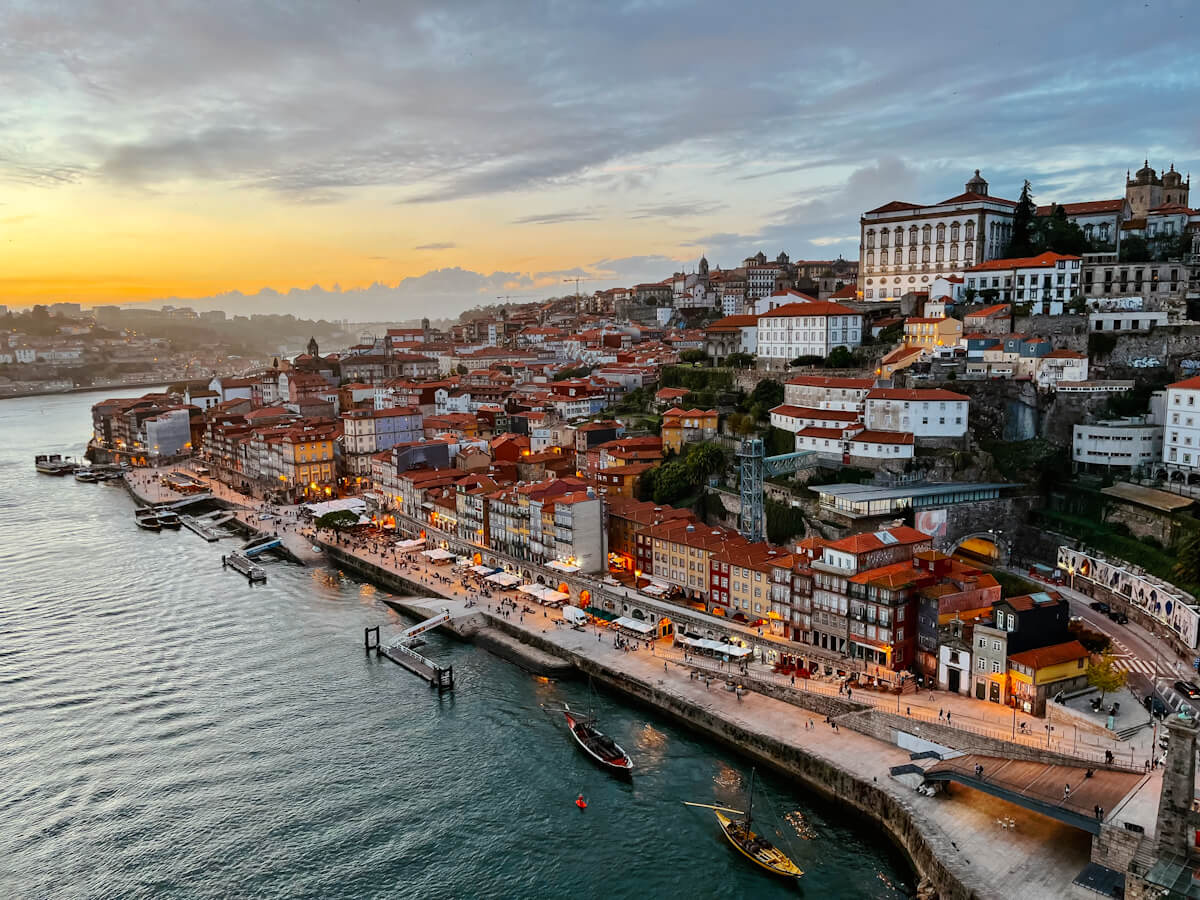
Things to do in Porto, Portugal include wandering a UNESCO World Heritage riverside quarter, drinking port wine in 18th-century cellars across the Douro River, climbing a 75-meter Baroque tower for 360-degree views over terracotta rooftops, and standing inside one of the most beautiful bookshops in the world.
Porto is Portugal’s second city, and it has been quietly outpacing Lisbon as a travel destination for several years. It is more compact, more walkable, and in many ways more immediately lovable. You can cover the main highlights in two days, but most visitors find themselves wishing they had stayed longer.
A few places nearby — see all in Porto
This guide covers everything worth doing, organized by activity type and neighborhood, with practical advice that most generic listicles skip.
Table of Contents
- Porto at a Glance
- Ribeira and the Historic Center
- Vila Nova de Gaia: Port Wine Cellars
- Clérigos Tower and the City Center
- Douro River Cruises
- Livraria Lello
- São Bento Station
- Foz do Douro and the Atlantic Coast
- Bonfim and Emerging Porto
- Day Trips from Porto
- Things to Do in Porto by Traveler Type
- Where to Stay in Porto
- Frequently Asked Questions
Porto at a Glance
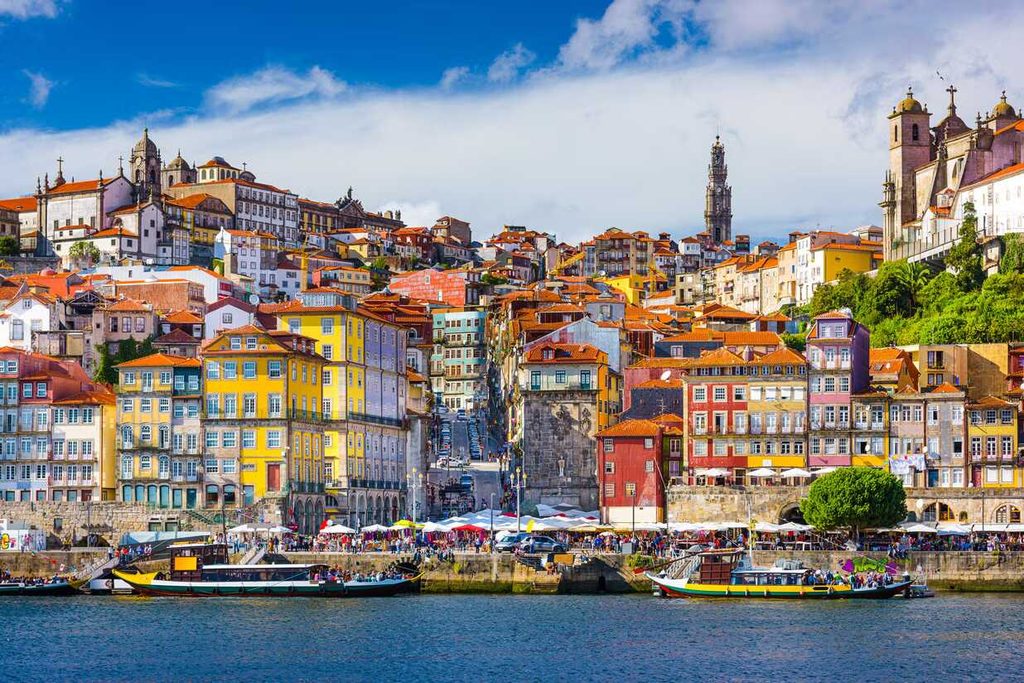
Porto sits at the mouth of the Douro River on Portugal’s northern Atlantic coast. The historic center: Ribeira, the Baixa, and the hilltop neighborhoods above: is compact enough to walk in a day. The port wine cellars are across the river in Vila Nova de Gaia, a short walk over the Dom Luís I Bridge.
Getting around Porto is straightforward. The metro is clean and reliable. Trams run along the riverfront and out to Foz do Douro on the coast. Walking is the best option for the historic center, though some of the hills are steep enough to earn the exercise.
The city is affordable by Western European standards. A coffee costs €1 to €1.50. A glass of wine at a terrace bar on the Ribeira runs €3 to €5. A full dinner at a non-touristy restaurant rarely exceeds €20 per person including wine.
All prices in this guide are approximate and subject to change. Check official websites or venues directly before your visit for current rates.
How many days do you need? Two days covers the highlights. Three days is comfortable and lets you add a Douro Valley day trip. Four or more days allows you to go deeper into the neighborhoods and slow down.
Ribeira and the Historic Center
The Ribeira is where Porto reveals itself most directly.
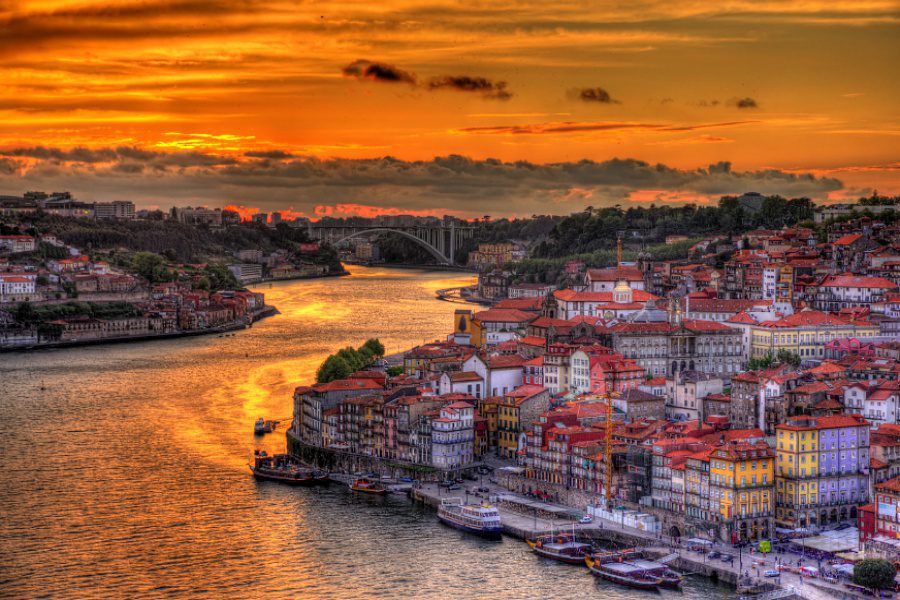
The riverfront quarter: a UNESCO World Heritage Site since 1996: runs along the southern bank of the Douro, a long terrace of pastel-colored buildings with terracotta roofs, azulejo-tiled facades, and the river stretching in front and the hillside climbing behind. The stone embankment (Cais da Ribeira) is lined with restaurants, cafés, and people watching the water.
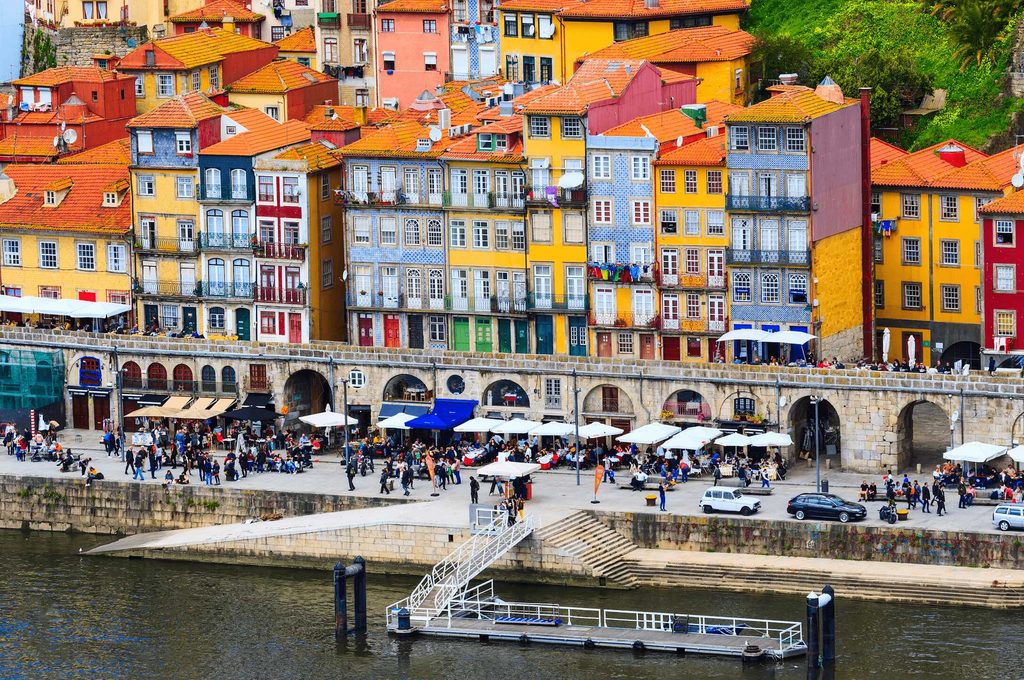
It gets crowded in peak season, and some of the riverfront restaurants are tourist traps. The rule: the tables closest to the water with English menus and photos charge tourist prices. Walk one street back into the quarter and the price and quality dynamic changes completely.
What to do in Ribeira:
- Walk the full length of the Cais da Ribeira from the Infante Bridge to the Dom Luís I Bridge, ideally in the early morning before the tourist crowds arrive
- Cross to the lower level of the Dom Luís I Bridge on foot for the best views of the Ribeira from above. The upper level carries the Metro; the lower level is for pedestrians and is the better crossing for photos
- Explore the tangle of medieval streets and stairways behind the waterfront. Get deliberately lost. The steep alleys leading up to São Nicolau and the Sé (Cathedral) have some of the best unplanned moments in the city
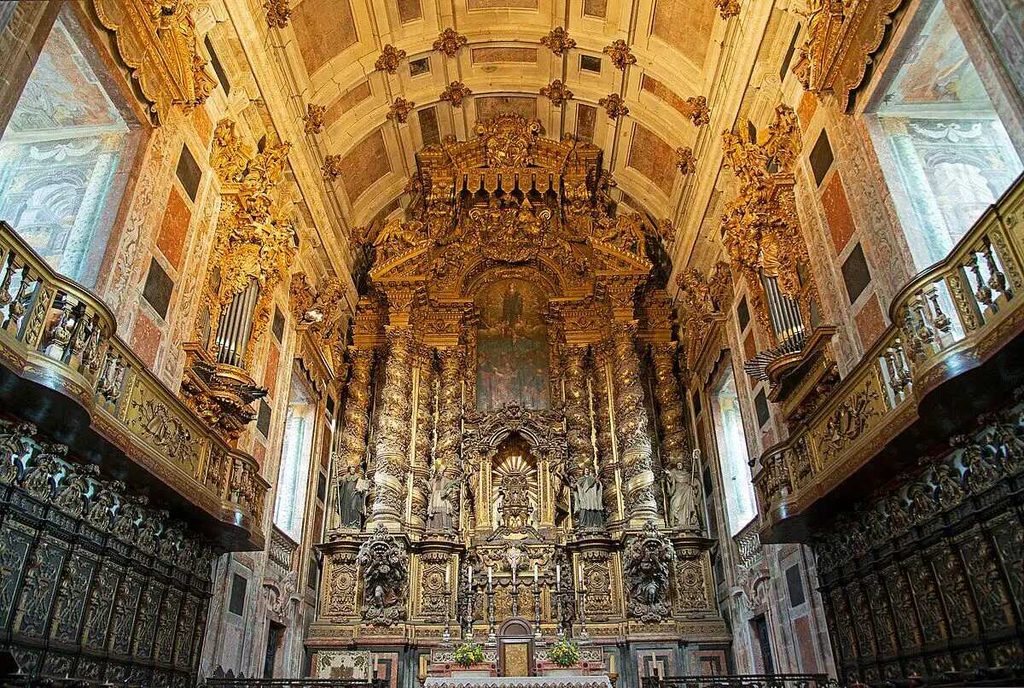
- The Porto Cathedral (Sé do Porto) sits above Ribeira on a promontory with sweeping views over the quarter and river. The cloister is decorated with 18th-century azulejo panels. Free to enter the exterior; small fee for the cloister
Timing: Ribeira is best in the early morning (before 10am) and at sunset. Midday in summer is crowded and hot. The golden light in the late afternoon is remarkable.
Vila Nova de Gaia: Port Wine Cellars
Porto lends its name to one of the world’s most distinctive wines, but the cellars where port is aged are not actually in Porto. They are across the river in Vila Nova de Gaia: technically a separate municipality that sits on the south bank of the Douro, directly opposite Ribeira.
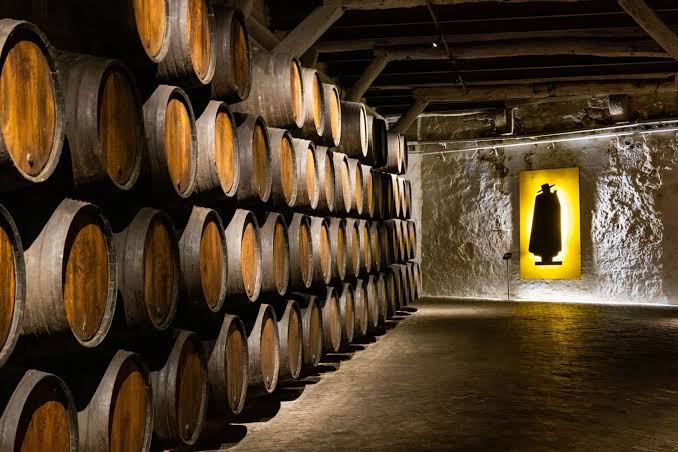
Port wine is made from grapes grown in the Douro Valley, roughly 100 kilometers east of Porto. After harvest, the wine is fortified with aguardente (grape spirit) to stop fermentation and preserve natural sweetness. It is then transported downriver to the Gaia cellars, where it ages in large oak casks in the cool, humid conditions the lodges maintain year-round.
The major port houses: Taylor’s, Graham’s, Sandeman, Cálem, Ramos Pinto, and Ferreira among others: all have their lodges along the Gaia waterfront and offer tours and tastings. Prices and formats vary: most tastings range from €10 to €25 depending on what you sample and whether a tour is included.
Practical tips for visiting the cellars:
- Book in advance for specific lodges, particularly Taylor’s (which sits higher up with outstanding views) and Sandeman (one of the most theatrical experiences). Walk-ins are often possible at smaller lodges.
- A tasting of two or three styles: a ruby, a tawny, and a late-harvest white: gives a good introduction to the range
- The Gaia cable car (€6 one way, €9 return*) runs from the riverfront up to the hilltop and offers panoramic views of both banks as a side attraction
- The waterfront in Gaia has terrace restaurants with the best views of the Ribeira from across the river. Worth sitting for a drink at sunset with that backdrop
Clérigos Tower and the City Center
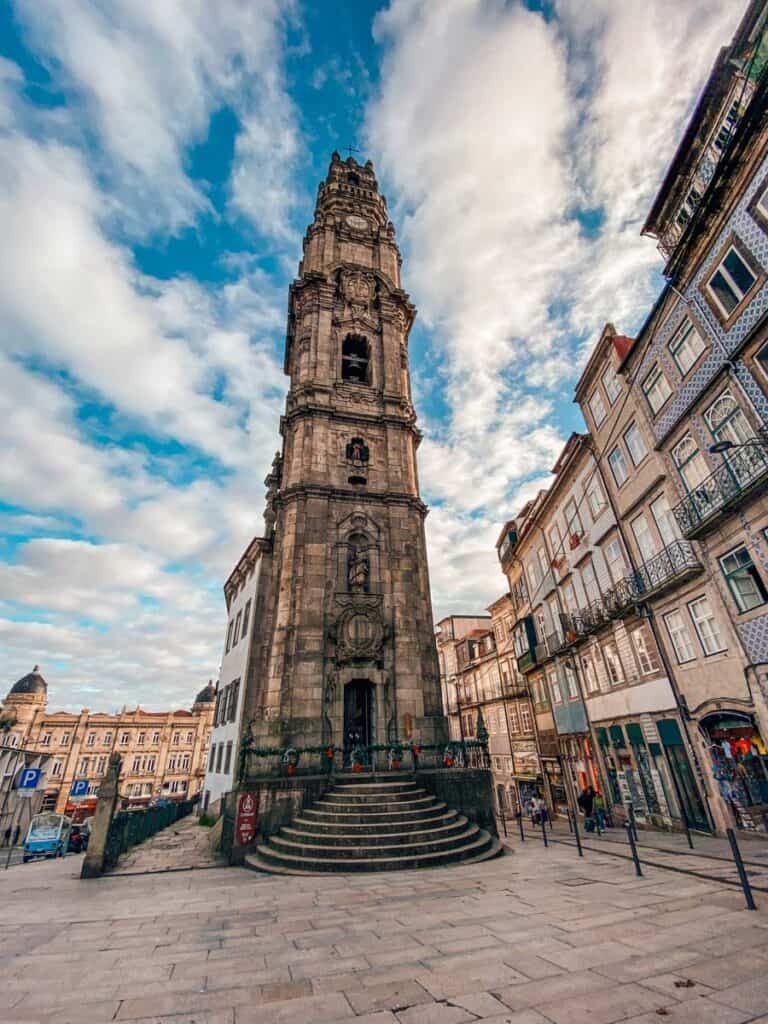
The Clérigos Tower (Torre dos Clérigos) is Porto’s most recognizable landmark and the best viewpoint in the city.
Designed by Italian architect Nicolau Nasoni and completed in 1763, the 75-meter granite Baroque tower climbs above the Baixa district in a series of tapering tiers. The 225-step spiral staircase is narrow and steep. The view from the top is genuinely spectacular: the full spread of Porto’s rooftops, the Douro curving toward the Atlantic, and on clear days the ocean itself to the west.
Practical tips: Book the tower visit online at the official Clérigos website to avoid the walk-up queue. Visit as early in the day as possible for the clearest light.
The surrounding Baixa district is Porto’s traditional commercial center, with a mix of Portuguese chain stores, independent shops, and the best coffee bars in the city. Majestic Café on Rua de Santa Catarina is a grand Belle Époque institution worth a stop for coffee, even if the prices reflect the décor. Nearby, the Palácio da Bolsa (Stock Exchange Palace) has an interior Arabian Room that is one of the most elaborately decorated rooms in Portugal: guided tours run regularly and tickets cost around €10.
Douro River Cruises
A cruise on the Douro River is one of the most reliable Porto experiences: genuinely enjoyable rather than just a box-tick.
The classic “six bridges cruise” takes you under each of the bridges spanning the Douro between Porto and Gaia, traveling westward toward Foz do Douro before turning back. It typically runs 50 minutes to an hour and offers views of both cities from the water that are impossible to get any other way. Most boats use traditional rabelo vessels: the flat-bottomed wooden boats historically used to transport wine barrels downriver from the Douro Valley.
Options:
- Six bridges cruise: The standard option, widely available, runs from the Cais da Ribeira, roughly €15 to €20 per person
- Port wine tasting cruise: A longer version with wine service aboard. Good if you want to combine river time with tasting
- Full-day Douro Valley cruise: Departs Porto, goes upriver through the Douro gorge to the wine country, includes lunch and a vineyard visit. A genuinely different experience, roughly €70 to €100 per person
Timing: Sunset cruises are the most popular. Book in advance for summer evenings.
Livraria Lello
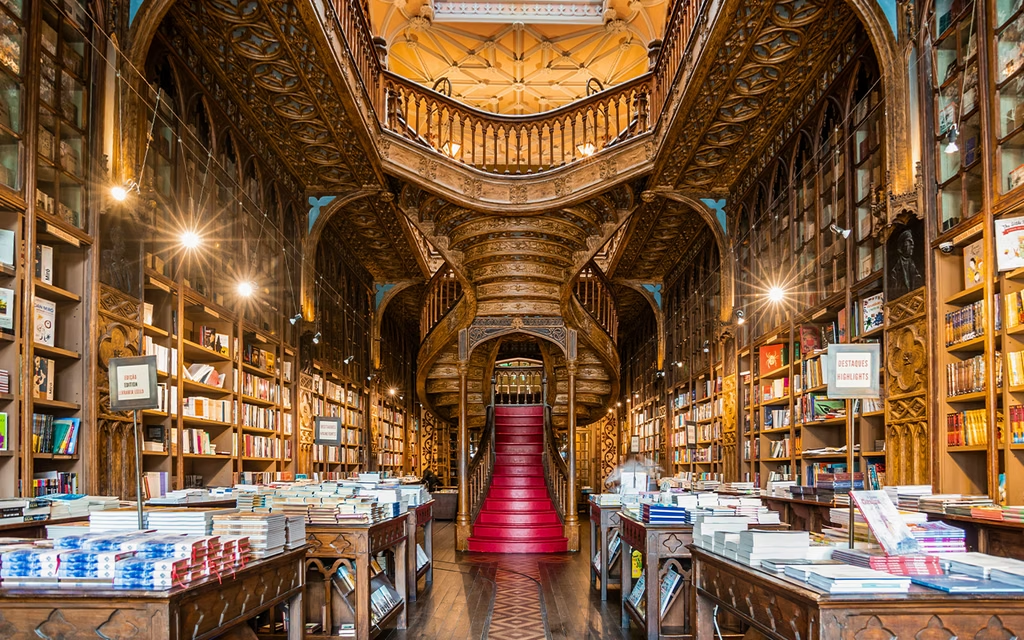
Livraria Lello is consistently ranked among the most beautiful bookshops in the world, and for once the superlative is defensible.
Opened in 1906, the bookshop’s interior combines Neo-Gothic architecture, elaborate carved woodwork, a dramatic red double staircase that splits and rejoins as it rises to the upper level, and a stained-glass ceiling that floods the space with colored light. The motto above the entrance reads “Decus in labore”: dignity in work.
J.K. Rowling lived in Porto in the early 1990s while teaching English and working on what became Harry Potter. The bookshop’s staircase is widely cited as an influence on the moving staircases at Hogwarts. The connection is unconfirmed by Rowling but extremely plausible given how specific the resemblance is.
Practical tips:
- An entrance ticket is required (€8 as of 2025*; redeemable toward a book purchase). Book at the Livraria Lello official website in advance to avoid queues, which can be 30-60 minutes in peak season
- Opening hours: 9am to 7:30pm Monday to Saturday, 11am to 7:30pm Sunday
- Go early (opening time) or in the late afternoon. The bookshop is at its most atmospheric and least crowded at those hours
- The fee is redeemable against any purchase. Buy something: the selection of Portuguese literature in translation is excellent and the books are fairly priced
São Bento Station
São Bento is a working train station, a functioning piece of transport infrastructure. It is also, essentially, a museum.
The main hall is covered floor to ceiling with approximately 20,000 blue and white azulejo tiles painted by artist Jorge Colaço between 1905 and 1916. The panels depict scenes from Portuguese history: medieval battles, royal processions, rural life, and transportation across the centuries. The effect is overwhelming in the best possible way.
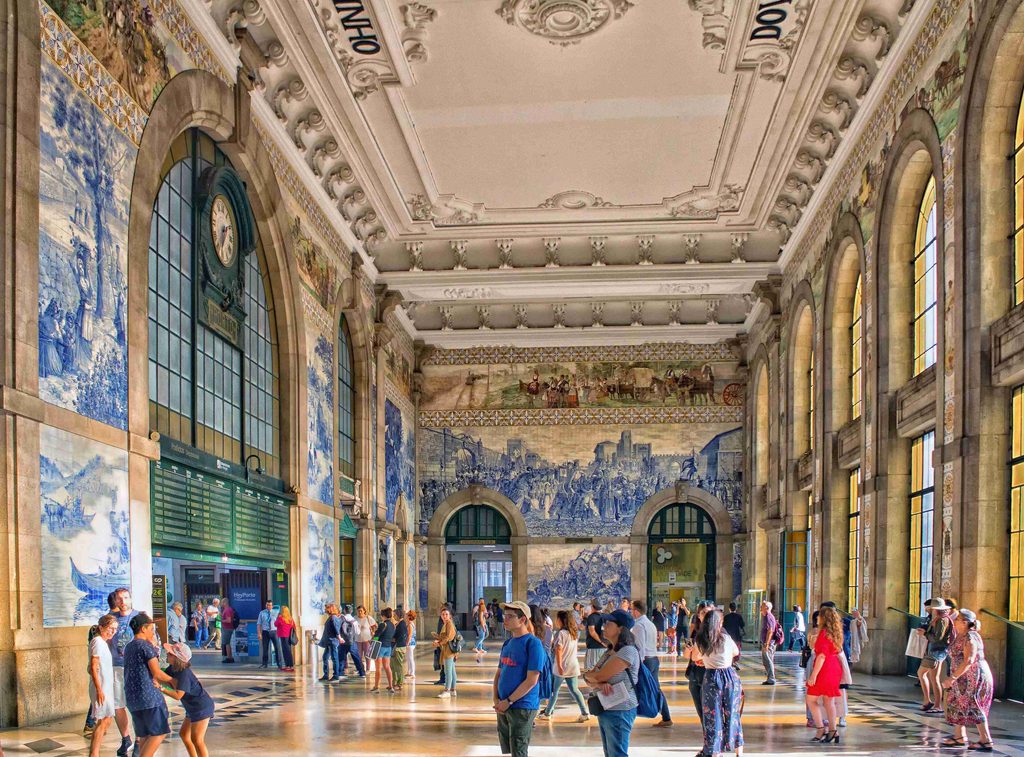
The station was built on the site of a Benedictine monastery and opened in 1916. Admission is free: it is a train station, after all. The best time to visit is mid-morning on a weekday, before the tourist groups arrive and when the light through the windows illuminates the tilework most effectively.
São Bento is the starting point for trains to the Douro Valley. If you are doing a Douro day trip by train (highly recommended), you will pass through here regardless. Timetables and tickets are available at cp.pt.
Foz do Douro and the Atlantic Coast
Foz do Douro is where the Douro River meets the Atlantic Ocean, about 5 kilometers west of the Ribeira.
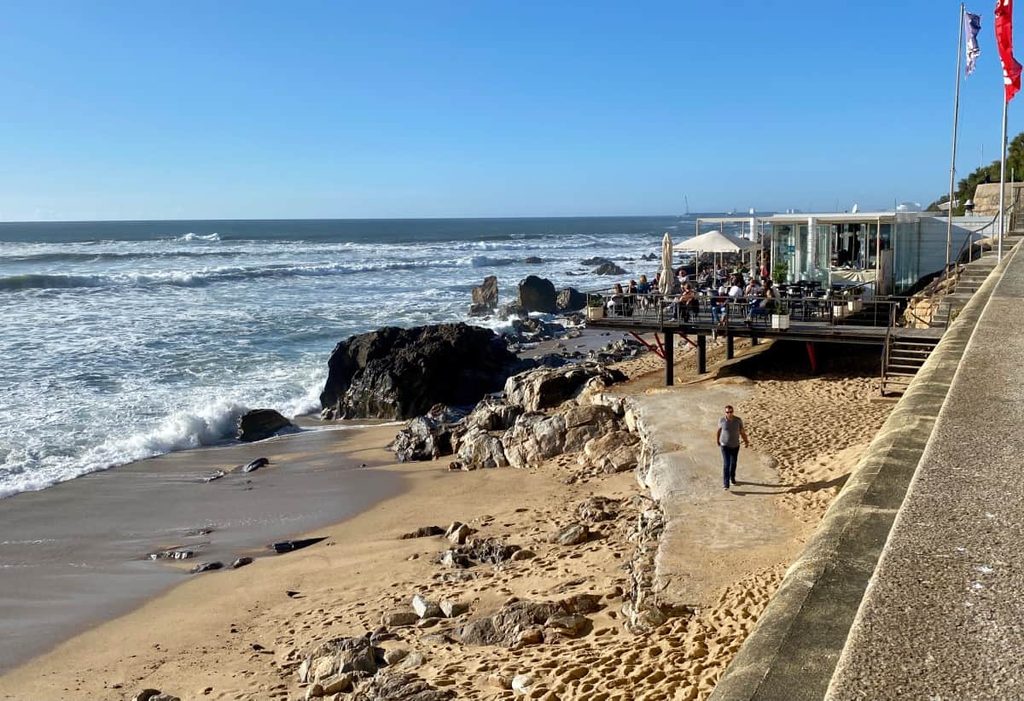
The neighborhood that has grown up around this confluence is one of the most pleasant in Porto: residential, relatively quiet, with coastal promenades, rock pools, Atlantic-facing beaches, and the best seafood restaurants in the city. The tram (Line 1E from Infante) runs all the way from the Ribeira to Foz along the riverfront, and the journey is one of the best free rides in Porto.
What to do in Foz:
- Walk the coastal promenade (Passeio Alegre) from the Douro mouth south along the Atlantic cliffs. The Molhe Norte (North Breakwater) at the river mouth is worth walking to the end for the views back toward the city
- The beaches at Matosinhos (adjacent to Foz, reachable by metro on the A line) are the best near Porto: wider, less rocky, better surf, and lined with some of the best seafood restaurants in the entire country. Matosinhos is where Porto locals go for a proper seafood lunch
- Café do Mar in Foz is the classic sunset spot: a terrace on the rocks with the Atlantic behind it
Bonfim and Emerging Porto
While Ribeira is Porto’s historic heart and Foz is its elegant coastal district, Bonfim is where the city is currently most alive.
The neighborhood east of the historic center has been transformed over the past decade by independent restaurants, natural wine bars, ceramics studios, vintage shops, and the creative class that has followed the same pattern across European cities. It is less polished than Ribeira and more genuine because of it.
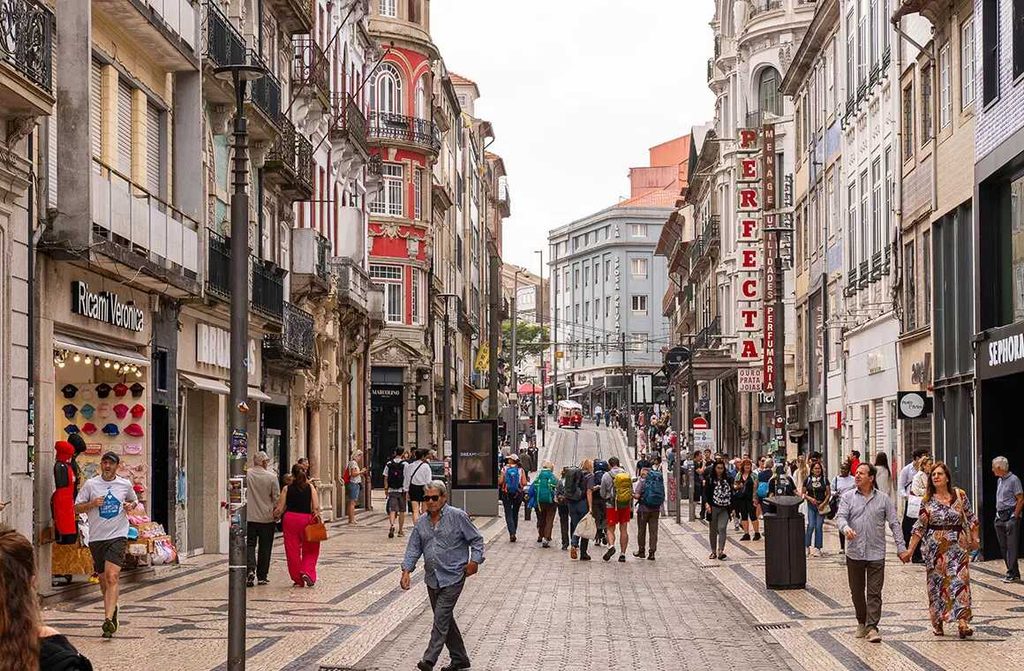
What to do in Bonfim:
- Mercado do Bom Sucesso (closer to Boavista, but on the way): A renovated market building now housing food stalls, a hotel, and the best concentrated selection of regional food products in the city
- Rua de Miguel Bombarda: The gallery street. More than a dozen contemporary art galleries line this street; on the first Saturday of each month, most hold openings simultaneously
- Bar Candelabro on Rua da Conceição is among the most beloved bars in the city: a bookshop-bar hybrid open until 2am
Day Trips from Porto
Porto’s position in northern Portugal makes it an excellent base for day trips.
Douro Valley (90 to 120 minutes by car, 2.5 to 3 hours by train)
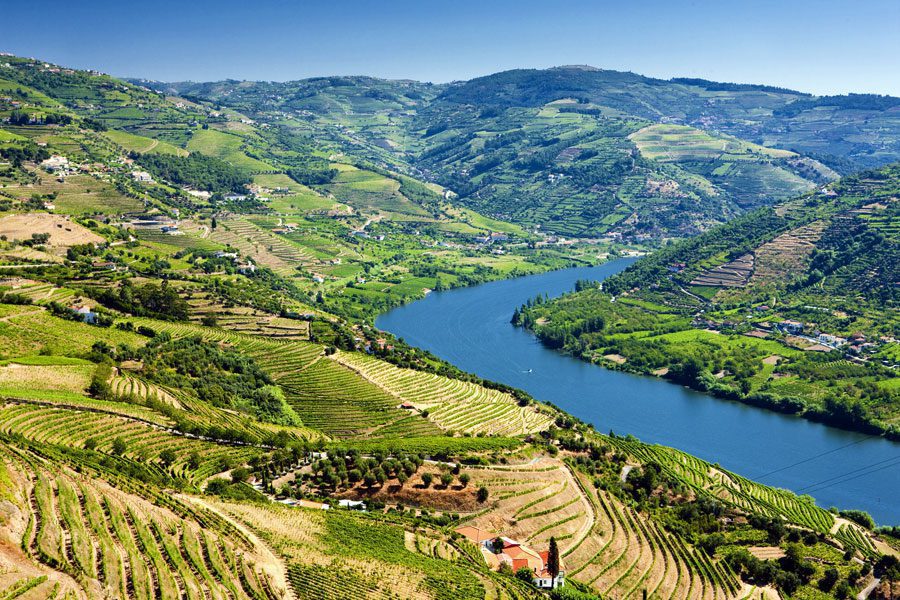
The Douro Valley is one of the oldest wine regions in the world and among the most scenically dramatic in Europe. The UNESCO-listed vineyard terraces: cut into steep schist hillsides above the river: are extraordinary. Day trips from Porto can combine a train journey (the Douro Line from São Bento is one of the most scenic rail routes in Europe), a river cruise in the valley, and a quinta (wine estate) visit with tasting. Alternatively, drive and stop at several quintas. The valley is best from September through November during the harvest.
Braga and Guimarães (45 to 60 minutes)
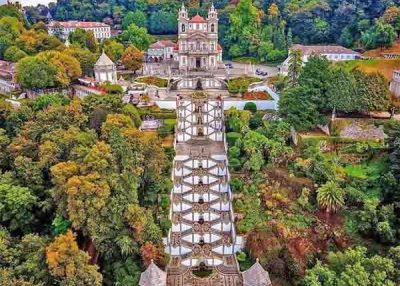
Two of Portugal’s most significant historic cities sit within an hour of Porto. Braga is a cathedral city with extraordinary Baroque churches; the Bom Jesus do Monte sanctuary with its double staircase is one of the most distinctive religious sites in Portugal. Guimarães is considered the birthplace of Portugal: the first capital and the site of the founding battle of the Portuguese nation in 1128. Both are easy day trips by train.
Things to Do in Porto by Traveler Type
| Traveler type | Best activities |
|---|---|
| First-time visitors | Ribeira walk, Dom Luís I Bridge, port wine cellar visit in Gaia, Clérigos Tower, São Bento Station, six bridges cruise |
| Wine lovers | Multiple Gaia cellar visits (Taylor’s, Graham’s, Cálem), Douro Valley day trip, wine bars in Bonfim |
| Couples | Sunset river cruise, Ribeira dinner, Foz do Douro promenade, Douro Valley overnight at a quinta |
| Families | River cruise, São Bento tiles, Matosinhos seafood lunch, Bom Jesus sanctuary in Braga |
| History and architecture seekers | Ribeira (UNESCO), Clérigos Tower, São Bento, Porto Cathedral, Palácio da Bolsa, Braga and Guimarães day trips |
| Food and drink seekers | Bonfim restaurant scene, Francesinha (the local sandwich), Matosinhos seafood, port wine, vinho verde, Mercado do Bom Sucesso |
| Art and culture seekers | Fundação de Serralves (modern art museum), Museu Nacional Soares dos Reis, Rua de Miguel Bombarda galleries |
| Budget travelers | Free: Ribeira walking, São Bento, Porto Cathedral exterior, Foz tram ride, coastal promenade. Paid: Clérigos Tower (€10*), Livraria Lello (€8*) |
Where to Stay in Porto
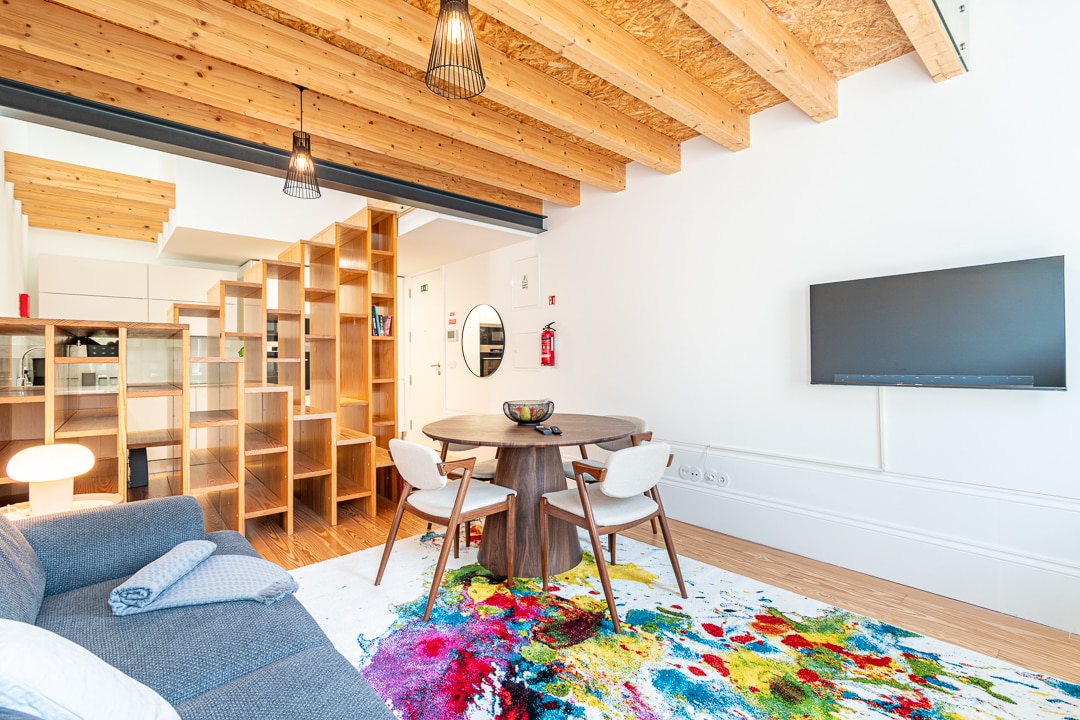
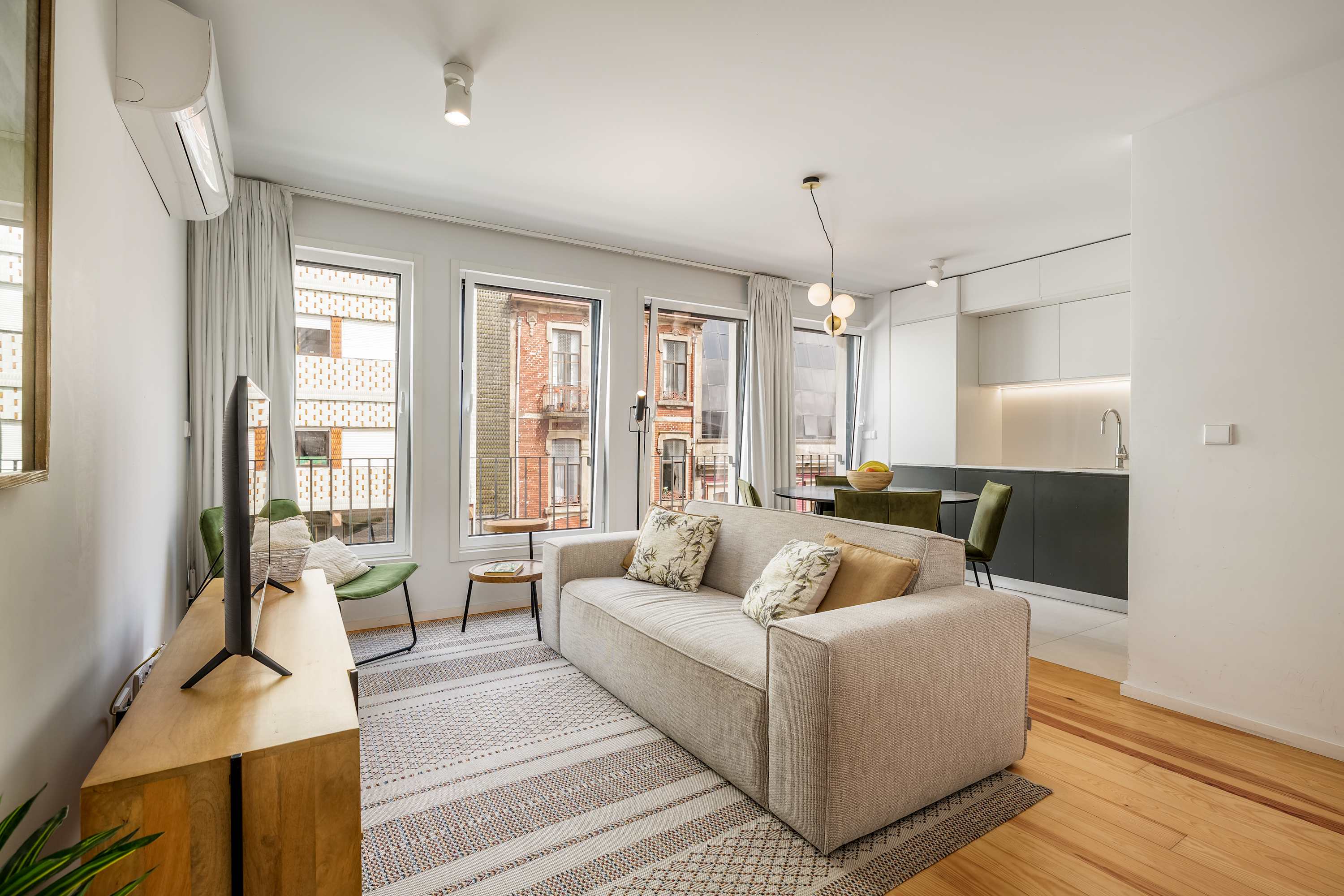
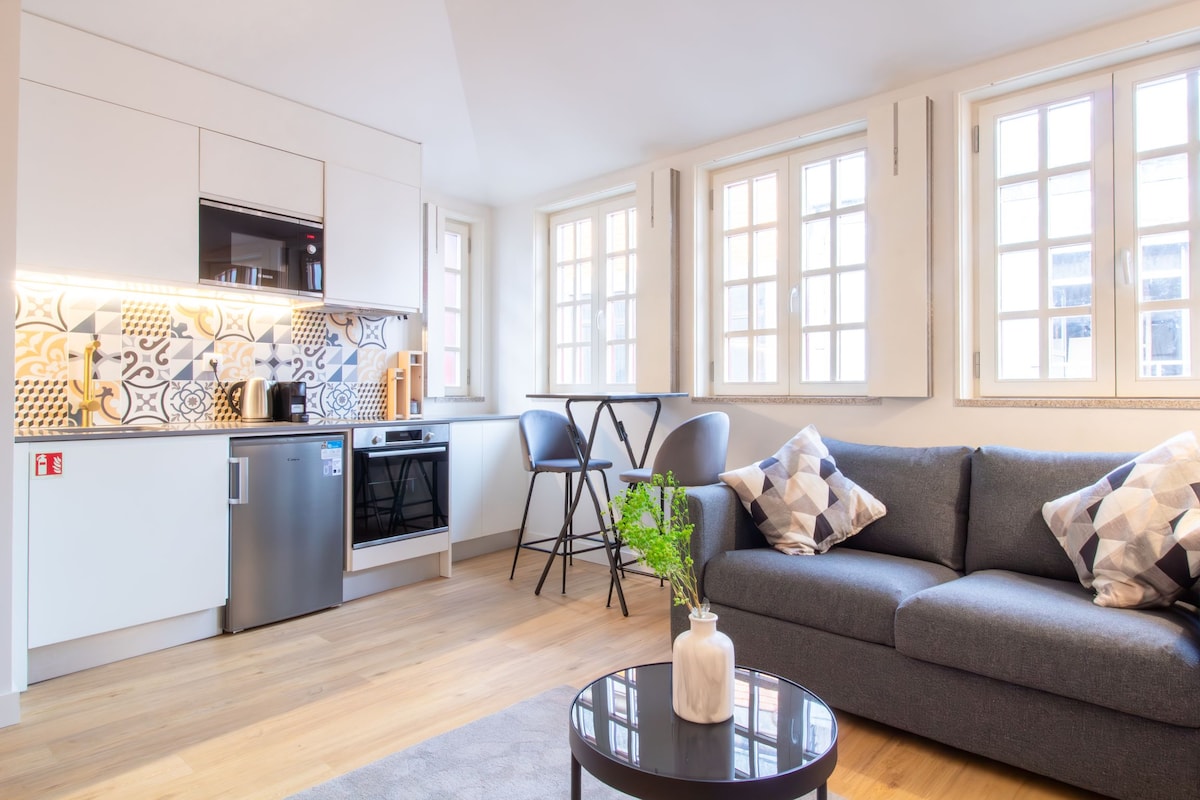
Porto has a strong apartment and vacation rental market across every price point and neighborhood. A vacation rental makes particular sense for groups and for travelers who want to live in a neighborhood rather than pass through it.
Ribeira: The most central option and the classic Porto experience. Cobblestone streets, river views from higher properties, and everything walkable. Noisy at night in peak season from the riverfront bars.
Baixa / City Center: Practical and central. Close to Livraria Lello, Clérigos Tower, and São Bento. A good base for walking the city without being in the tourist epicenter of Ribeira.
Bonfim: The best option for travelers who want to live in Porto rather than visit it. Independent restaurants, wine bars, and the city’s creative energy. A 15-minute walk to Ribeira.
Foz do Douro: Quiet, coastal, and upscale. Best for travelers who want Atlantic air and seafood access over proximity to the historic center. A tram or metro ride from most attractions.
Airbnb takes 15.5% from every host’s payout on each booking. To cover that cut, hosts raise their nightly rates: meaning you pay more without seeing it as a separate fee line. Stay hosts pay a flat annual fee and keep 100% of their nightly income, so they can price more competitively.
Frequently Asked Questions
What are the best things to do in Porto, Portugal?
The essential Porto experiences are: walking the UNESCO-listed Ribeira riverside quarter, visiting the port wine cellars in Vila Nova de Gaia across the Dom Luís I Bridge, climbing the 75-meter Clérigos Tower for panoramic city views, taking a six bridges cruise on the Douro River, visiting Livraria Lello (one of the world’s most beautiful bookshops), and seeing the 20,000 azulejo tile panels in São Bento Station. Most of these are within walking distance of each other in the compact historic center.
How many days do you need in Porto?
Two full days covers the main highlights: Ribeira, Gaia port wine cellars, Clérigos Tower, Livraria Lello, São Bento, and a river cruise. Three days is more comfortable and allows time to explore Foz do Douro, Bonfim, and the Fundação Serralves. Four or more days makes sense if you want to add a Douro Valley day trip.
Is Porto or Lisbon better?
They are genuinely different experiences. Porto is smaller, more compact, and many travelers find it easier to love on a short trip. It also has the port wine culture, which is unique and irreplaceable. Lisbon is larger, has more major museums, and better international connections. If you can only visit one city, Lisbon’s sightseeing programme is hard to skip on a first Portugal visit. If you have a week or more, Porto adds something Lisbon cannot replicate.
What is the best neighborhood to stay in Porto?
For first-time visitors: Ribeira or Baixa for walking access to the main attractions. For repeat visitors or those wanting a more local experience: Bonfim, which has the best restaurant and bar scene without the tourist concentration of Ribeira. For a quieter, upscale stay with Atlantic access: Foz do Douro.
Is Porto walkable?
Yes, but with a caveat: Porto is hilly. The historic center involves significant elevation changes: the streets climbing from the Ribeira to the Baixa and Clérigos area are steep. Good walking shoes are essential. Within the Ribeira itself and along the riverfront, it is flat and easy. Trams and the metro cover the rest.
Is Porto cheap?
Very, by Western European standards. In 2026, a coffee costs €1 to €1.50, a glass of wine €3 to €5, and a proper sit-down dinner with wine rarely exceeds €20 to €25 per person at non-tourist restaurants. Port wine cellar visits run €10 to €25. The main paid attractions are Clérigos Tower (€10*) and Livraria Lello (€8*).
Prices are approximate and may have changed. Always verify current rates on official websites before visiting.
What language is spoken in Porto?
Portuguese. English is widely spoken in tourist areas, restaurants, hotels, and by most people under 40. Outside the tourist center, some knowledge of Spanish or basic Portuguese phrases is useful and appreciated.
What is Francesinha?
The Francesinha is Porto’s iconic sandwich and one of the most divisive dishes in Portugal. A thick sandwich of bread, cured meat, ham, and sausage, topped with melted cheese and drenched in a spiced beer and tomato sauce, usually served with fries. It is an acquired taste and a cultural institution. Casa Guedes and Conga are the most respected addresses for the genuine article.
Ready to book your Porto trip? Browse vacation rentals on Stay: direct with the host, competitively priced.