
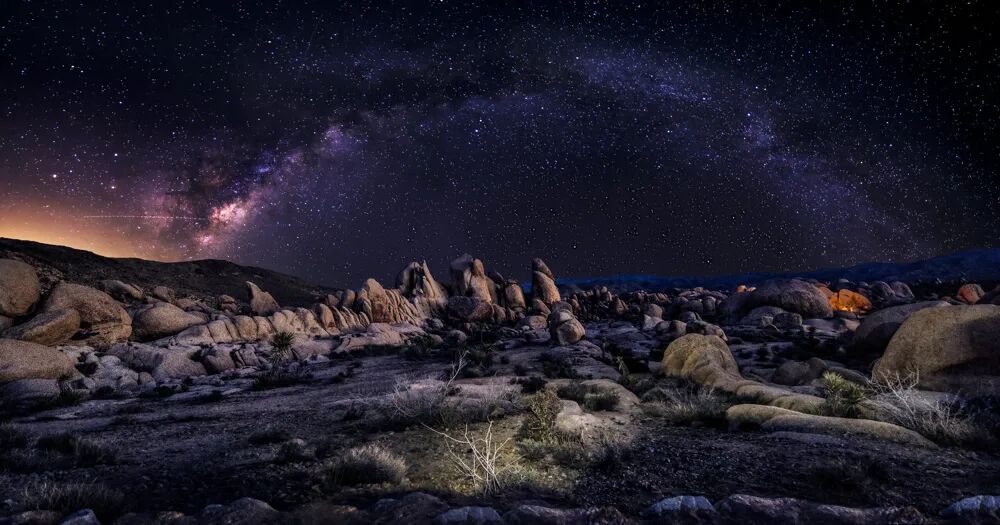
The best time to visit Joshua Tree National Park is October through May: and that answer is more different from most U.S. national parks than it might sound.
Joshua Tree is a reverse-seasonal destination. Unlike Yellowstone or the Smokies, summer is not peak season here. It is the season to avoid. July and August temperatures routinely exceed 100°F at the park’s elevation and have been recorded above 110°F at trailhead level. Trails close. Shade disappears. Water runs out in minutes. The park sees its lowest attendance of the year in July and August: not because it isn’t spectacular, but because it becomes genuinely dangerous.
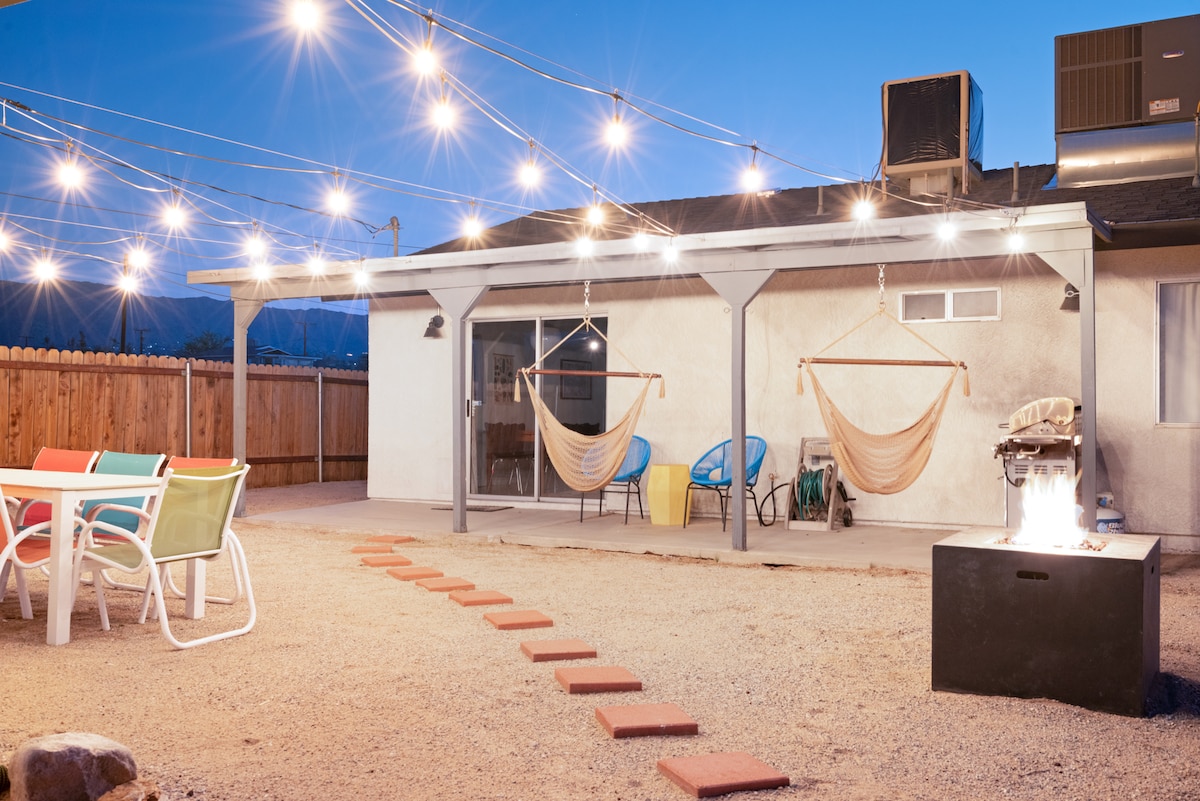
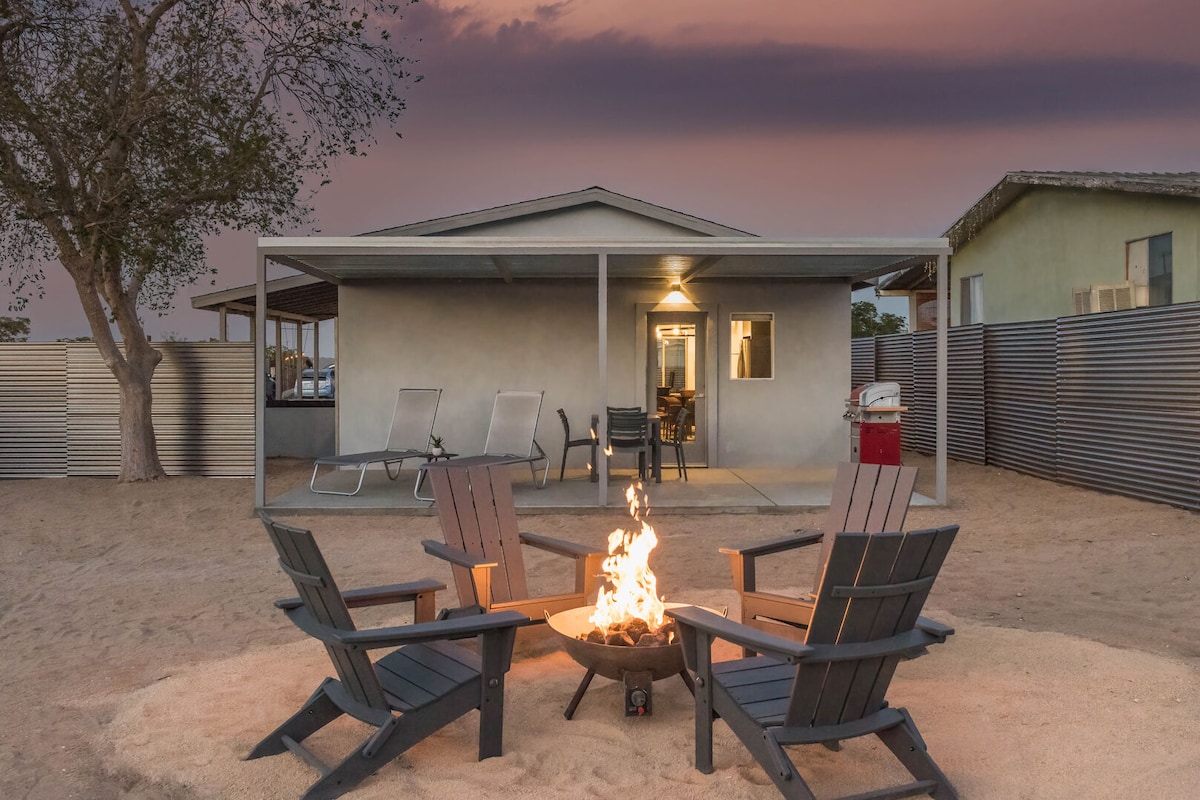
A few places nearby — see all in Joshua Tree

The real peak season is spring, particularly March through May, when wildflower blooms can turn the desert floor orange and purple, temperatures are ideal for hiking, and the park is at its most vibrant. Fall is the locals’ pick: October and November bring warm days, cool nights, and dramatically lighter crowds than spring.
This guide covers every month: temperatures, crowd levels, wildflower timing, what to wear, and when to book your vacation rental near the park.
Table of Contents
- Joshua Tree Weather at a Glance
- Joshua Tree in Spring: March, April, May
- Joshua Tree in Summer: June, July, August
- Joshua Tree in Fall: September, October, November
- Joshua Tree in Winter: December, January, February
- Joshua Tree Wildflower Season
- Best Time to Visit Joshua Tree by Activity
- Best Time to Visit Joshua Tree by Traveler Type
- When to Book Your Stay Near Joshua Tree
- Frequently Asked Questions
Joshua Tree Weather at a Glance
Joshua Tree sits at approximately 4,000 to 5,000 feet elevation in the high Mojave Desert. That elevation produces a climate with larger temperature swings than the lower Sonoran Desert: significantly hotter than you might expect in summer, and colder at night than many visitors anticipate year-round. Temperature data below is sourced from National Park weather records.
| Month | Avg High | Avg Low | Crowds | Best For |
|---|---|---|---|---|
| January | 64°F | 36°F | Low | Rock climbing, solitude, stargazing |
| February | 69°F | 39°F | Low to Moderate | Hiking, early wildflower scouting |
| March | 75°F | 43°F | High | Wildflowers, hiking, all activities |
| April | 83°F | 49°F | Highest | Peak wildflowers, all activities |
| May | 91°F | 57°F | Moderate | Hiking (early morning), climbing |
| June | 101°F | 65°F | Very Low | Stargazing only; avoid daytime hiking |
| July | 106°F | 71°F | Lowest | Not recommended for most visitors |
| August | 104°F | 70°F | Very Low | Not recommended; monsoon storms possible |
| September | 97°F | 64°F | Low | Early morning hiking, stargazing |
| October | 86°F | 52°F | Moderate | Best overall; hiking, climbing, stargazing |
| November | 72°F | 41°F | Low | Hiking, climbing, off-season value |
| December | 64°F | 35°F | Low | Rock climbing, solitude, winter camping |
Joshua Tree in Spring: March, April, May
Joshua Tree in March
- Temperatures: Highs around 75°F, lows around 43°F
- Crowds: High and building through the month
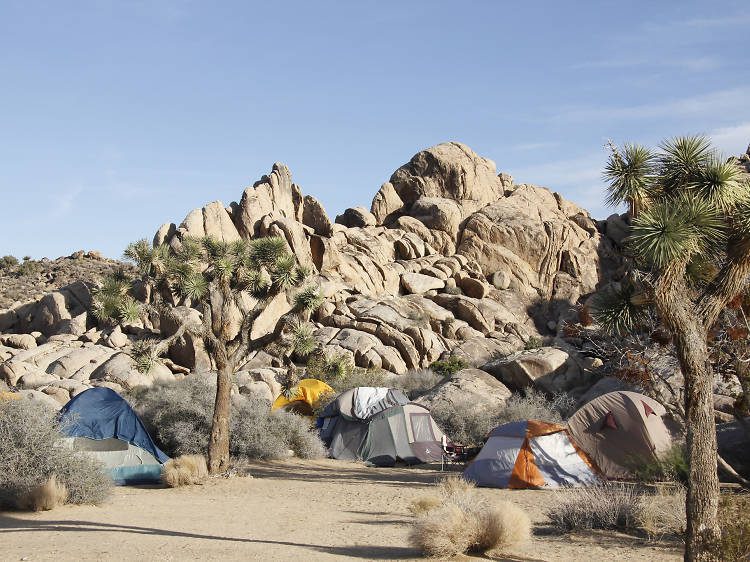
- What it’s like: Spring has arrived. March is when the park opens up after winter and visitors flood in for the wildflower season. Temperatures are near-perfect for hiking: warm enough to be comfortable, cool enough for long days on trails. Campgrounds fill fast. Book everything in advance.
- Wildflowers: Watch the NPS wildflower report: bloom timing varies year to year based on winter rainfall. In good years, March is stunning.
Joshua Tree in April
- Temperatures: Highs around 83°F, lows around 49°F
- Crowds: Peak of the year: the single busiest month in Joshua Tree National Park
- What it’s like: April is the most popular month to visit and for good reason. Temperatures are ideal, wildflowers are typically at or near peak, and every activity the park offers is available. The flip side: campgrounds book out months in advance, parking areas fill by 9 a.m. on weekends, and the roads can get congested. If you visit in April, go on weekdays if at all possible.
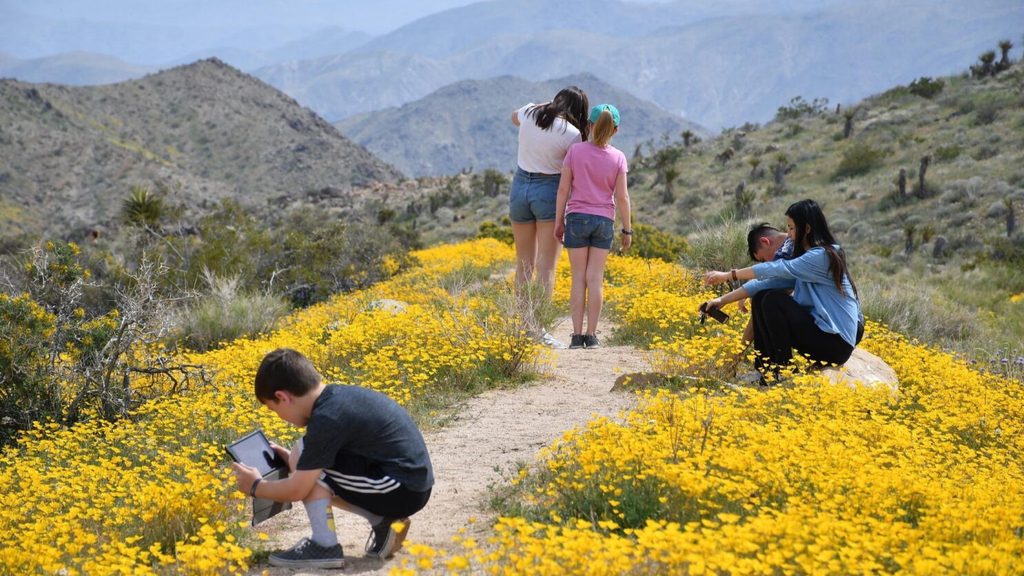
- What to wear: Layers. Mornings start cool (49°F) and afternoons reach the low 80s. A light jacket for early morning, t-shirt by midday.
Joshua Tree in May
- Temperatures: Highs around 91°F, lows around 57°F
- Crowds: Dropping from April peak but still busy early in the month
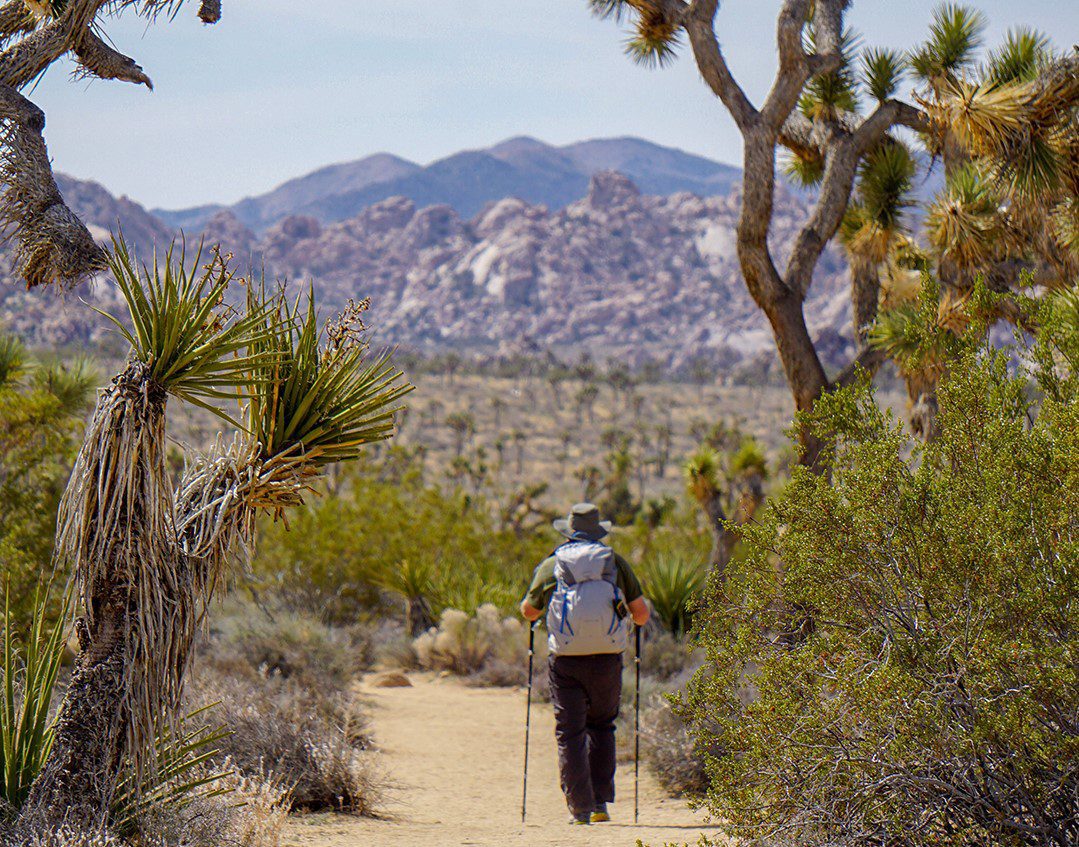
- What it’s like: May is the transition month. Early May still offers good hiking conditions, particularly in the morning. By late May, afternoon temperatures push toward 100°F and summer protocols start to apply: hike before 10 a.m., carry extra water, avoid exposed trails in the heat of the day. The wildflower season is largely over by May.
- Best use of May: Arrive at a trailhead by 7 a.m., complete your main hike before noon, spend the afternoon at your vacation rental with the air conditioning on.
Book ahead by: 3 to 4 months for April, which books faster than any other month. 6 to 8 weeks for March and early May.
Joshua Tree in Summer: June, July, August
Summer in Joshua Tree is not for casual visitors. The park does not close, but the conditions between June and September genuinely require experience, preparation, and adjusted expectations.
Joshua Tree in June
- Temperatures: Highs around 101°F, lows around 65°F
- Crowds: Very low
- What it’s like: The park is largely empty. The trails are dangerous in the afternoon heat. If you visit in June, hike before sunrise: seriously, before the sun comes up: or confine activity to the cooler evenings and stargazing. The dark sky is excellent in summer, and June is a genuine opportunity for astrophotography since crowds are near zero.
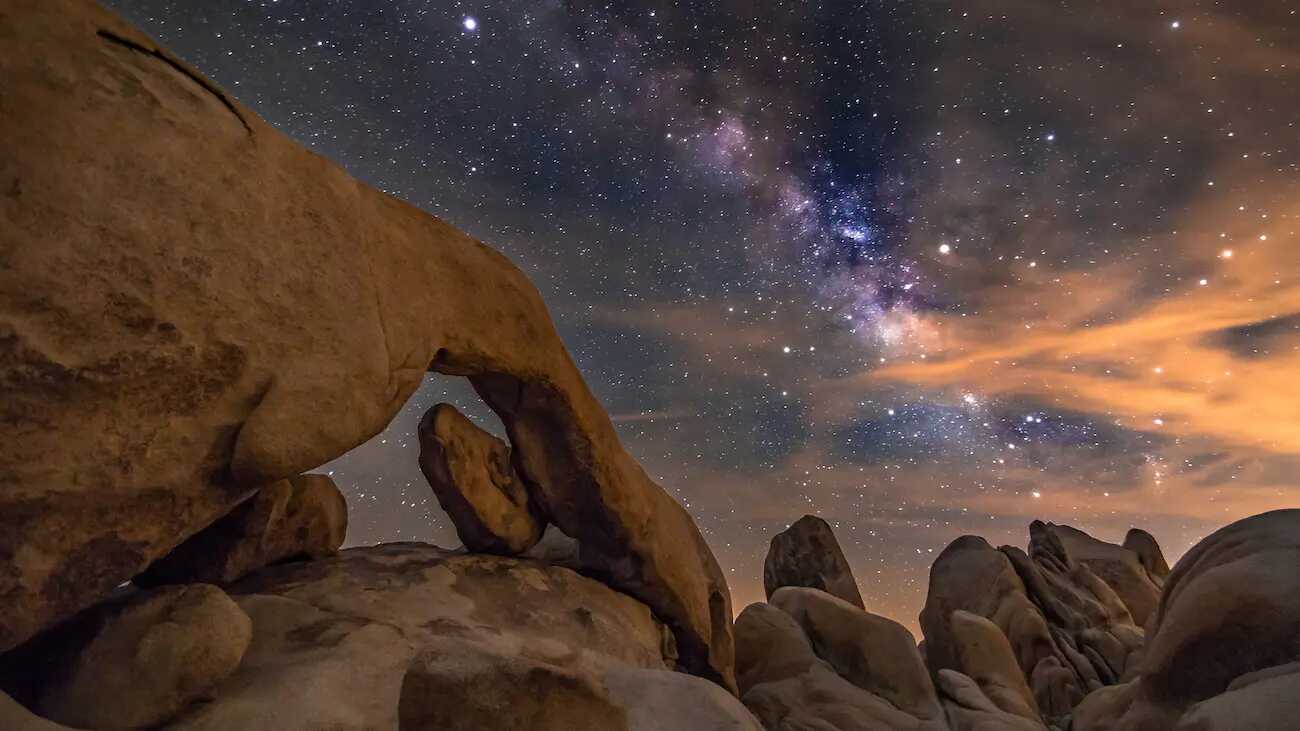
- Is it worth visiting in June? For most travelers, no. For stargazers and astrophotographers willing to hike in the dark, yes.
Joshua Tree in July
- Temperatures: Highs around 106°F, lows around 71°F
- Crowds: The lowest attendance month of the year
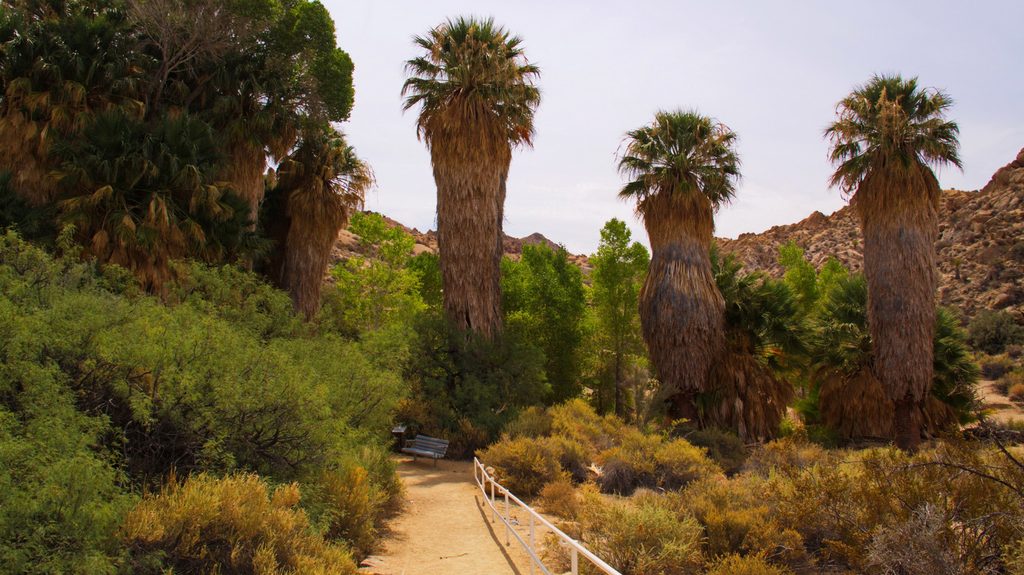
- What it’s like: July is the peak of summer heat. Triple-digit highs are routine. Park records show temperatures above 110°F at visitor-area elevations, with extremes beyond that at lower elevations near the park boundary. Heat-related emergencies and rescues spike in July. Day hiking on exposed trails is genuinely dangerous. The one exception: the park’s eastern sections and the Cottonwood area can see dramatic afternoon monsoon storms from the Gulf of Mexico, creating spectacular light for photography.
- Does it snow in Joshua Tree in July? No. July is the hottest month of the year.
Joshua Tree in August
- Temperatures: Highs around 104°F, lows around 70°F
- Crowds: Very low
- What it’s like: Nearly identical to July. The monsoon storm pattern is more active in August than July, bringing occasional afternoon thunderstorms that cool temperatures temporarily and create dramatic desert conditions. These storms also create flash flood risk in canyon areas: check forecasts.
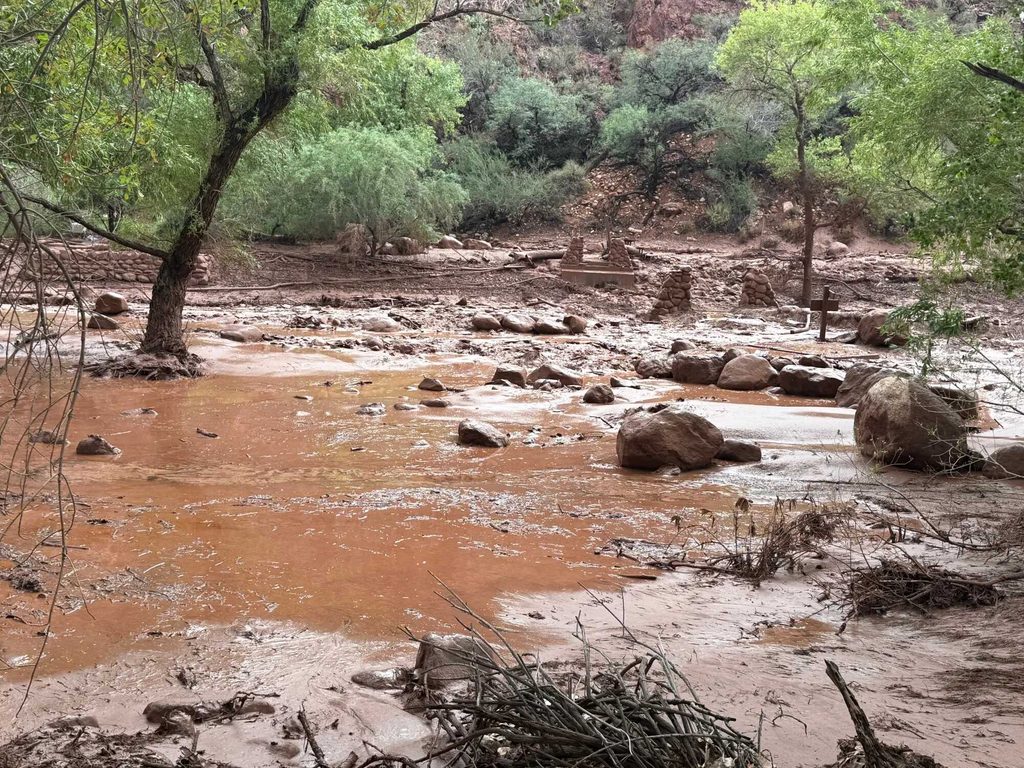
Bottom line on summer: If you must visit in summer, go in June (slightly cooler, pre-monsoon), hike only in the pre-dawn hours, bring far more water than you think you need, and plan your trip around the stargazing rather than the trails.
Joshua Tree in Fall: September, October, November
Fall is the locals’ answer when asked the best time to visit Joshua Tree.
The heat breaks in October. The summer crowds have long departed. The skies are clear. The light on the boulders and trees turns golden in the late afternoon. Rock climbing season kicks back into full gear after the summer break.
Joshua Tree in September
- Temperatures: Highs around 97°F, lows around 64°F
- Crowds: Low to moderate
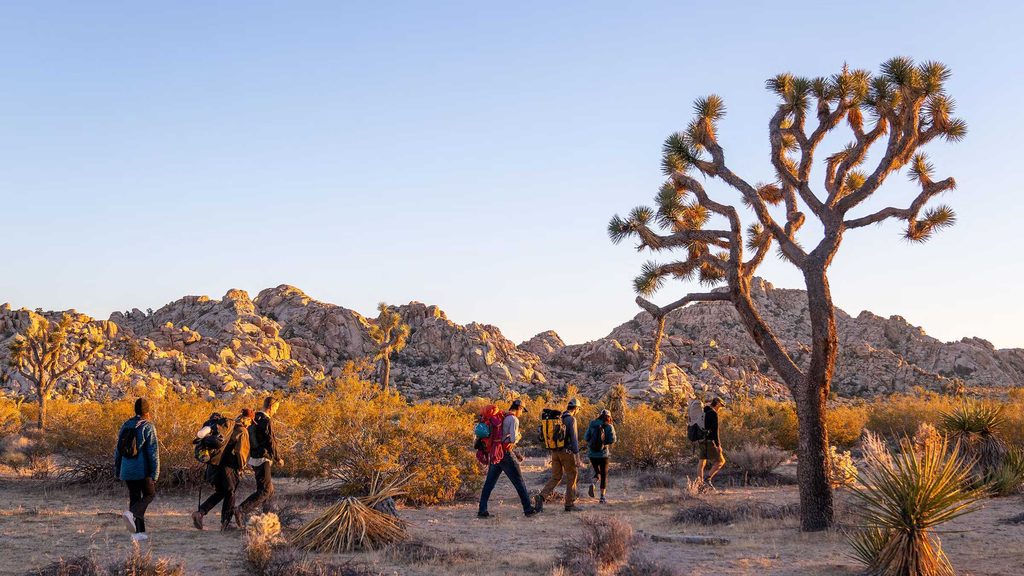
- What it’s like: September is a transition month. Early September is still too hot for comfortable daytime hiking. By mid-September, temperatures start dropping toward the more manageable 80s, and by late September the park genuinely starts to feel like fall. Crowds are minimal. The park is recovering from summer and not yet in the October rush.
- Best use of September: The second half of the month. Morning hikes in late September are among the best uncrowded experiences the park offers.
Joshua Tree in October
- Temperatures: Highs around 86°F, lows around 52°F
- Crowds: Moderate and building: significantly lighter than April
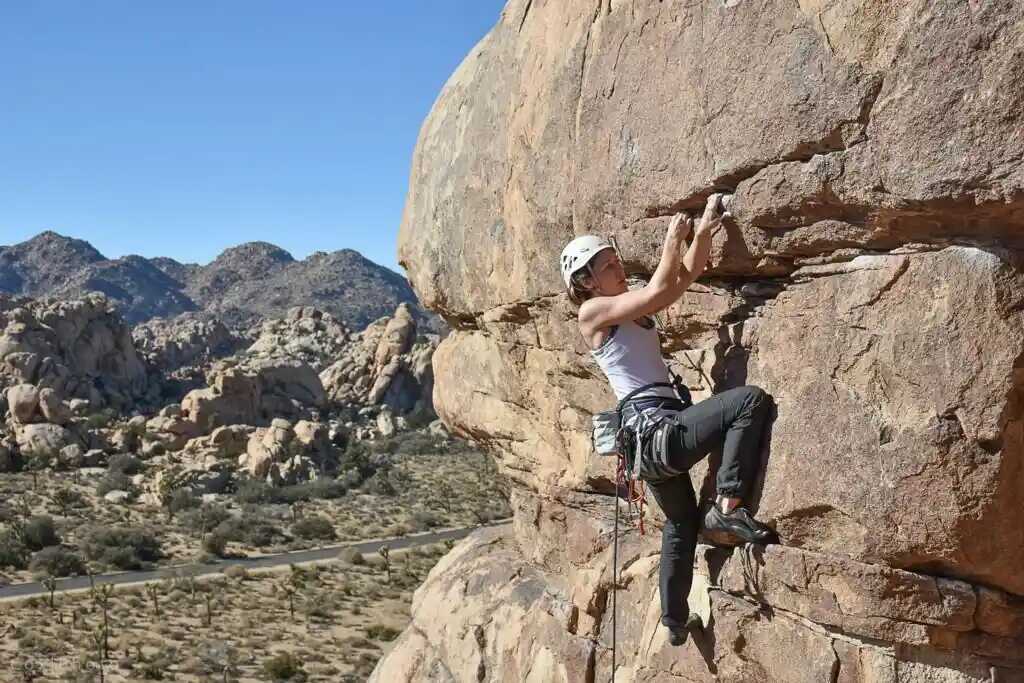
- What it’s like: October is the best overall month to visit Joshua Tree for most travelers. Days are warm enough for comfortable hiking in shorts and a t-shirt. Nights drop into the 50s: perfect for camping and stargazing. Rock climbing season is fully open. Crowds are present but manageable, especially compared to the spring peak. This is when photographers come. The golden afternoon light on the boulder formations in October is unlike any other month.
- What to wear in October: Layers are essential. Morning and evening temperatures around 52°F require a jacket or fleece. Afternoons at 86°F call for a t-shirt and sun protection. A 30-degree swing between morning and afternoon is normal.
Joshua Tree in November
- Temperatures: Highs around 72°F, lows around 41°F
- Crowds: Low
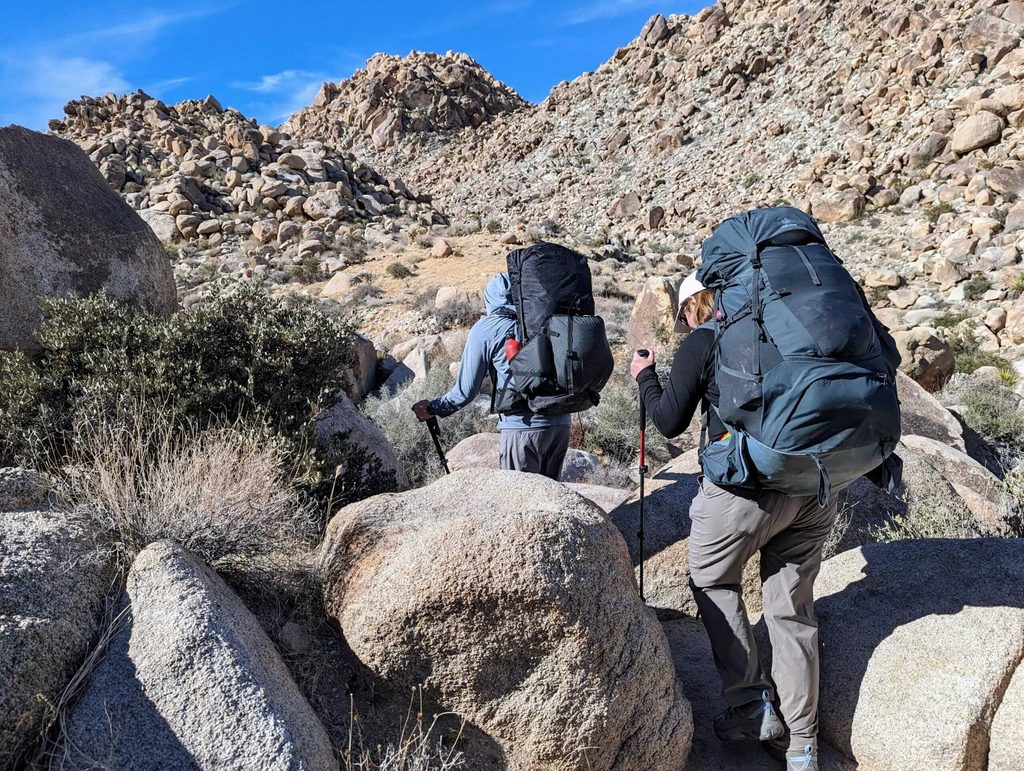
- What it’s like: November is underrated. Temperatures are ideal for long hiking days: highs in the low 70s with cool mornings. Crowds drop sharply from October. Rental rates near the park fall. Rock climbing season continues at full speed. The light and clarity of November days are outstanding.
- One caveat: Some facilities may have reduced hours. Check visitor center schedules before planning a November visit.
Book ahead by: 6 to 8 weeks for October. 2 to 4 weeks for November. September rarely needs advance booking.
Joshua Tree in Winter: December, January, February
Joshua Tree in December
- Temperatures: Highs around 64°F, lows around 35°F
- Crowds: Low
- Does it snow in Joshua Tree in December? It can. Snow is possible at the park’s higher elevations (4,000 to 5,000 feet) and does occur in December, typically 1 to 3 times per year. Snowfall is usually light and melts within a day or two. When it does snow, the park is extraordinarily beautiful: Joshua trees dusted in white against blue sky. Not guaranteed, but worth checking forecasts if you visit in December.
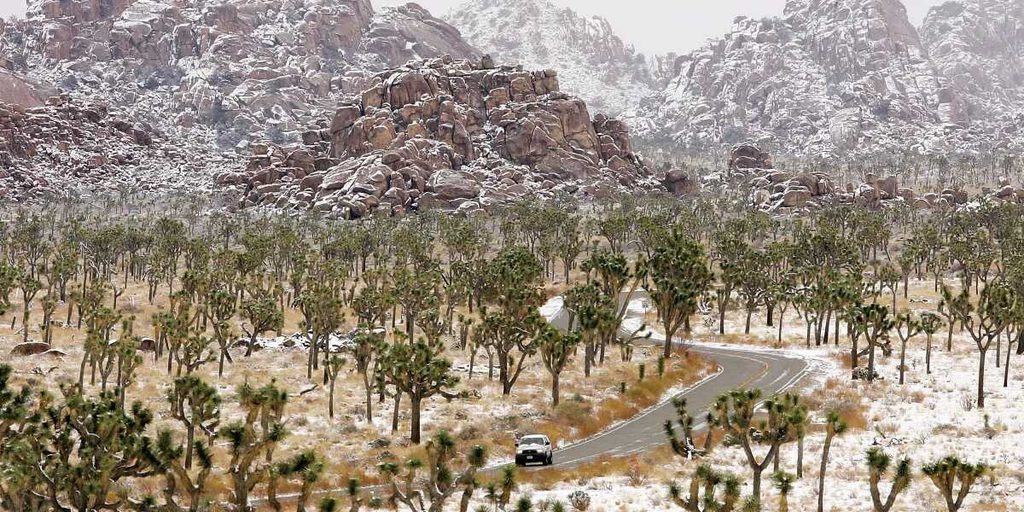
- What it’s like: December is quiet, clear, and cold. Days are short (under 10 hours of daylight). Rock climbing continues on sunny days when temperatures warm up by midday. Stargazing is excellent. Off-season rental rates near the park are at their lowest.
Joshua Tree in January
- Temperatures: Highs around 64°F, lows around 36°F
- Crowds: The quietest month of the year outside of July
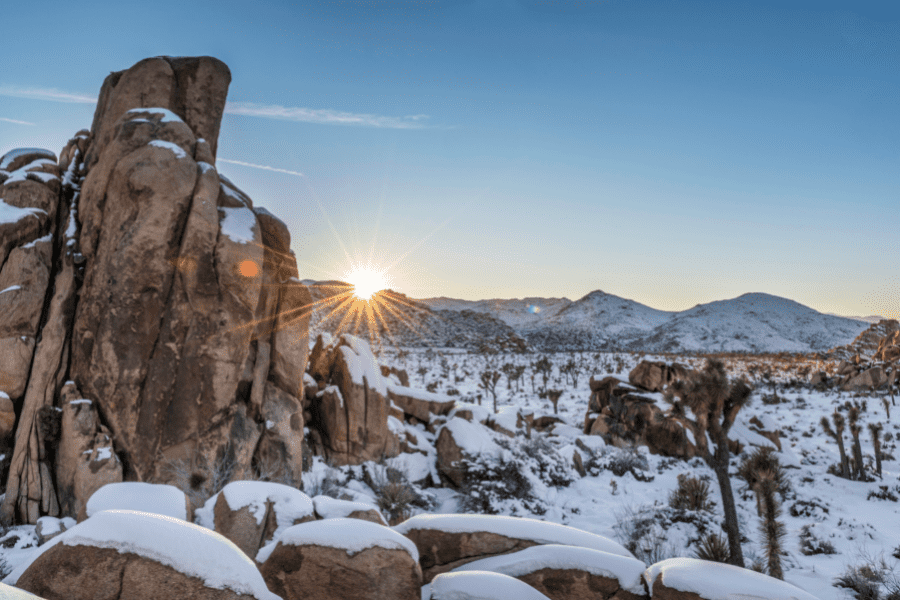
- What it’s like: January in Joshua Tree is a desert winter experience. Sunny days with temperatures in the mid-60s are common and genuinely pleasant for hiking. Mornings are cold: often below 40°F: and nights can drop to freezing or below. Pack warm layers for the morning and evening, shed them by midday.
- What to wear in Joshua Tree in January: A warm base layer and a fleece or light down jacket for morning and evening. T-shirt or light long-sleeve for midday activity. Gloves and a hat for early morning starts.
Joshua Tree in February
- Temperatures: Highs around 69°F, lows around 39°F
- Crowds: Low to moderate and building as spring approaches
- What it’s like: February starts quiet and ends with the first signs of spring approaching. By late February, temperatures are warming, the first wildflower scouts begin checking conditions, and the park starts to feel like it is waking up. February is one of the best months for rock climbing: cool, dry, quiet.
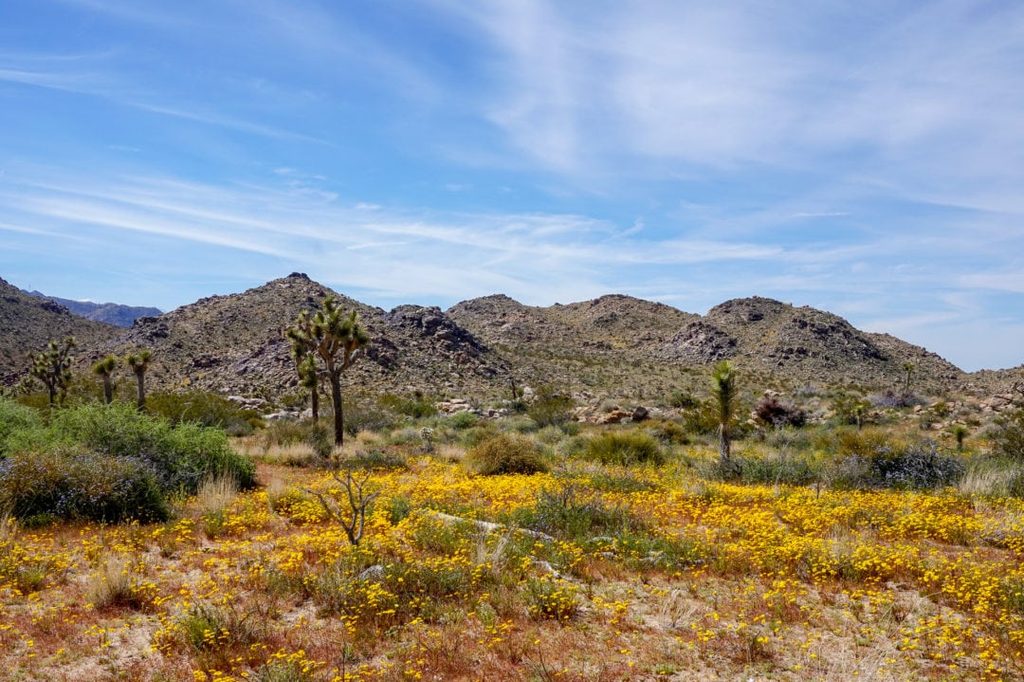
Book ahead by: 1 to 2 weeks is usually sufficient for winter, except holiday weekends (Christmas, New Year’s, Presidents’ Day) which need 4 to 6 weeks.
Joshua Tree Wildflower Season
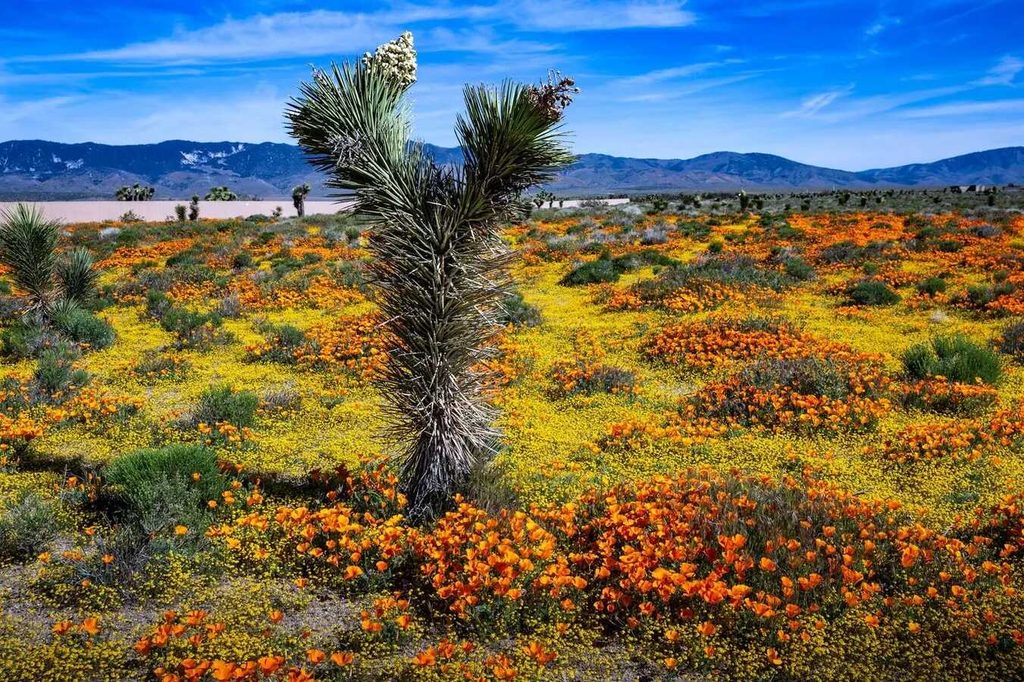
The Joshua Tree wildflower season is one of the most spectacular and most unpredictable natural events in the Mojave Desert.
In a good year, the desert floor transforms from February through April: California poppies, sand verbena, desert phacelia, and Mojave desert star turn entire hillsides orange and purple. The Joshua trees themselves bloom between March and May, their creamy white flower clusters rising above the spiny leaves.
In a poor rain year, the display is minimal. There is no guarantee.
What determines the bloom:
- Adequate winter rainfall (October through February), typically 3 or more inches
- Warm temperatures in late winter to trigger germination
- Timing of the last freeze
Best years: When the Mojave gets above-average winter rain followed by a mild late winter. In superbloom years (2017 and 2019 were notable examples), the park becomes so crowded that parking overflows and visitors park along the highway for miles. Bloom quality varies significantly year to year: always check the NPS report for the current season rather than assuming any given year will match a past superbloom.
How to track it: The NPS posts weekly wildflower status updates at nps.gov/jotr during the bloom season. DesertUSA.com also tracks conditions with community reports. Check both in the 2 to 3 weeks before your March or April visit.
Best locations for wildflowers within the park:
- The Cholla Cactus Garden area and surrounding flats
- The area around Pinto Basin in the eastern park (lower Colorado Desert section, which blooms slightly earlier than the higher Mojave section)
- Along the Bajada Nature Trail near the Cottonwood entrance
Best Time to Visit Joshua Tree by Activity
| Activity | Best Months | Notes |
|---|---|---|
| Hiking | October, November, March, April | Avoid midday hikes May through September |
| Rock climbing | October through April | Peak season; avoid summer heat |
| Stargazing | Year-round on new moon nights | Summer has longest nights; fall has ideal temps |
| Wildflowers | March and April | Depends on winter rainfall; check NPS reports |
| Photography | October, March, April | Best light; boulder glow in fall afternoons |
| Wildlife watching | March, April, October | Desert tortoise in spring; bighorn sheep year-round |
| Camping | October through April | Reserve months in advance for spring weekends |
| Astrophotography | June through August | No crowds; darkest skies; hike pre-dawn |
Best Time to Visit Joshua Tree by Traveler Type
| Traveler type | Best time | Why |
|---|---|---|
| First-time visitors | October or April | Best conditions; all activities available |
| Families with kids | March or October | Comfortable temperatures; manageable crowds in October |
| Rock climbers | October through April | Peak climbing season; avoid summer heat |
| Wildflower seekers | Late March to mid-April | Peak bloom window; check NPS report first |
| Stargazers and astrophotographers | June through August (pre-dawn) or October | Summer: no crowds; Fall: ideal temps |
| Budget travelers | November through February | Off-season rental rates; light crowds |
| Solitude seekers | November, January, February | Near-empty park; cold but rewarding |
| Couples | October or November | Golden light, quiet trails, intimate setting |
When to Book Your Stay Near Joshua Tree
Vacation rental availability near Joshua Tree follows the crowd calendar closely.
- April: Book 3 to 4 months in advance. April is the single most contested month. Properties in Joshua Tree town and Twentynine Palms fill completely for spring weekends by January.
- March and early May: Book 6 to 8 weeks out.
- October: Book 6 to 8 weeks out. The fall sweet spot is less pressured than April but growing in popularity each year.
- November and February: 2 to 4 weeks is usually sufficient.
- Winter (December, January): 1 to 2 weeks outside of holiday weekends.
- Summer (June through August): Rental availability is not an issue. The challenge is heat, not competition. Summer is also when campground availability is at its best: reserve at recreation.gov for any season.
On pricing: Airbnb takes 15.5% from every host’s payout on each booking. To cover that cut, hosts raise their nightly rates: meaning you pay more without seeing it as a separate fee line. Stay hosts pay a flat annual fee and keep 100% of their nightly income, so they can price more competitively.
Frequently Asked Questions
When is the best time to visit Joshua Tree National Park?
October is the best overall month for most visitors: highs around 86°F, lows around 52°F, manageable crowds, full trail and climbing access, and outstanding light for photography. Spring (March and April) is peak wildflower season with ideal hiking temperatures but significantly heavier crowds. November through February offers the quietest conditions with good hiking and climbing weather on most days. Avoid June through August unless you are an experienced desert visitor specifically interested in pre-dawn hiking or astrophotography.
How hot is Joshua Tree in July?
July averages a high of around 106°F and a low of around 71°F at the park’s elevation. Heat-related emergencies are most common in July. Day hiking on exposed trails is genuinely dangerous. If you visit in July, restrict activity to before sunrise and after sunset.
How hot is Joshua Tree in August?
August averages a high of around 104°F and a low of around 70°F, nearly identical to July. The monsoon pattern is more active in August than July, bringing occasional afternoon thunderstorms that temporarily cool temperatures. These storms also create flash flood risk in canyon areas.
How hot is Joshua Tree in June?
June averages a high of around 101°F and a low of around 65°F. It is the beginning of the dangerous heat season. Hiking should be restricted to before 8 a.m. June is excellent for stargazing and astrophotography since the park is nearly empty and the nights are long.
Does it snow in Joshua Tree in December?
Snow is possible at Joshua Tree’s higher elevations (4,000 to 5,000 feet) and does occur in December, typically 1 to 3 times in most winters. Snowfall is usually light and melts within a day or two. When it does snow, the park is spectacularly beautiful. It is not guaranteed and not predictable far in advance.
What is the weather like in Joshua Tree in March?
March averages highs around 75°F and lows around 43°F: near-ideal hiking conditions. Crowds are high, particularly on weekends, as March is a popular month for wildflower season visitors. The wildflower bloom in March depends heavily on winter rainfall and is not guaranteed. Check the NPS wildflower report before traveling specifically for the bloom.
What to wear to Joshua Tree in March?
March temperatures range from lows around 43°F at sunrise to highs around 75°F in the afternoon. Layers are essential. Start with a fleece or light jacket for the early morning trailhead and shed to a t-shirt by midday. Sturdy hiking shoes, a sun hat, and SPF 30+ sunscreen are required for any trail time. Afternoons are warm enough that sunburn is a real risk even in March.
What to wear to Joshua Tree in January?
Mornings and evenings require a warm layer: fleece, light down jacket, gloves, and a hat for temperatures around 36°F at sunrise. By midday, highs around 64°F are comfortable for hiking in a t-shirt or light long-sleeve. Bring both and plan to shed and add layers throughout the day.
What to wear to Joshua Tree in June?
Lightweight, breathable clothing for the daytime heat: moisture-wicking t-shirts, shorts or light pants, a wide-brimmed hat, and polarized sunglasses. Sunscreen with SPF 50 or higher is essential. Bring far more water than you think you need: at least one liter per hour of activity. Start any hiking before sunrise; the afternoon is not safe for trail activity.
When is Joshua Tree least crowded?
July is the least crowded month due to extreme heat. Outside of summer, November, December, and January are the quietest months with genuine off-season conditions. Late September is also underrated for combining manageable temperatures with minimal crowds.
When do Joshua Tree wildflowers bloom?
The Joshua Tree wildflower season typically runs from late February through April, with peak bloom usually in March and April. The display depends heavily on winter rainfall and is not predictable far in advance. In superbloom years (2017 and 2019 were exceptional), the park becomes extremely crowded. Check the NPS wildflower status for current conditions before planning a spring visit around the bloom.
Planning your Joshua Tree trip? Browse vacation rentals near Joshua Tree on Stay: direct with the host, competitively priced. Also see our complete guide to things to do in Joshua Tree for activity planning.