
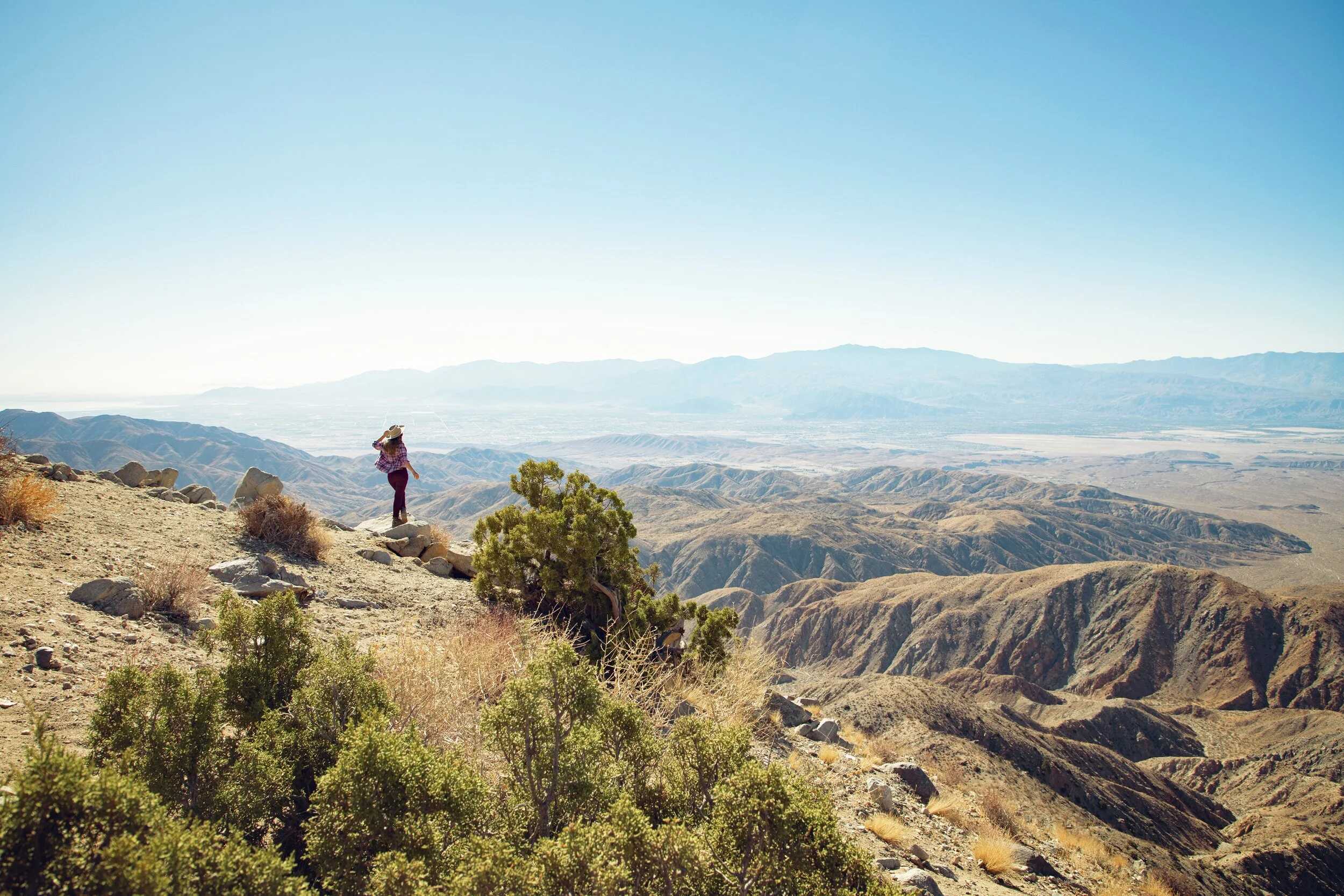
Things to do in Joshua Tree range from scrambling over ancient granite boulders and watching the Milky Way from a certified International Dark Sky Park to exploring a genuine desert town with an art scene that draws people who never planned to stay.
Joshua Tree National Park covers 795,159 acres at the meeting point of two deserts: the higher Mojave on the west side and the lower Colorado on the east. The result is a landscape unlike anything else in California: twisted trees silhouetted against boulder piles the size of apartment buildings, vast silence broken only by wind and birdsong, and one of the most accessible dark skies left in Southern California.
A few places nearby — see all in Joshua Tree
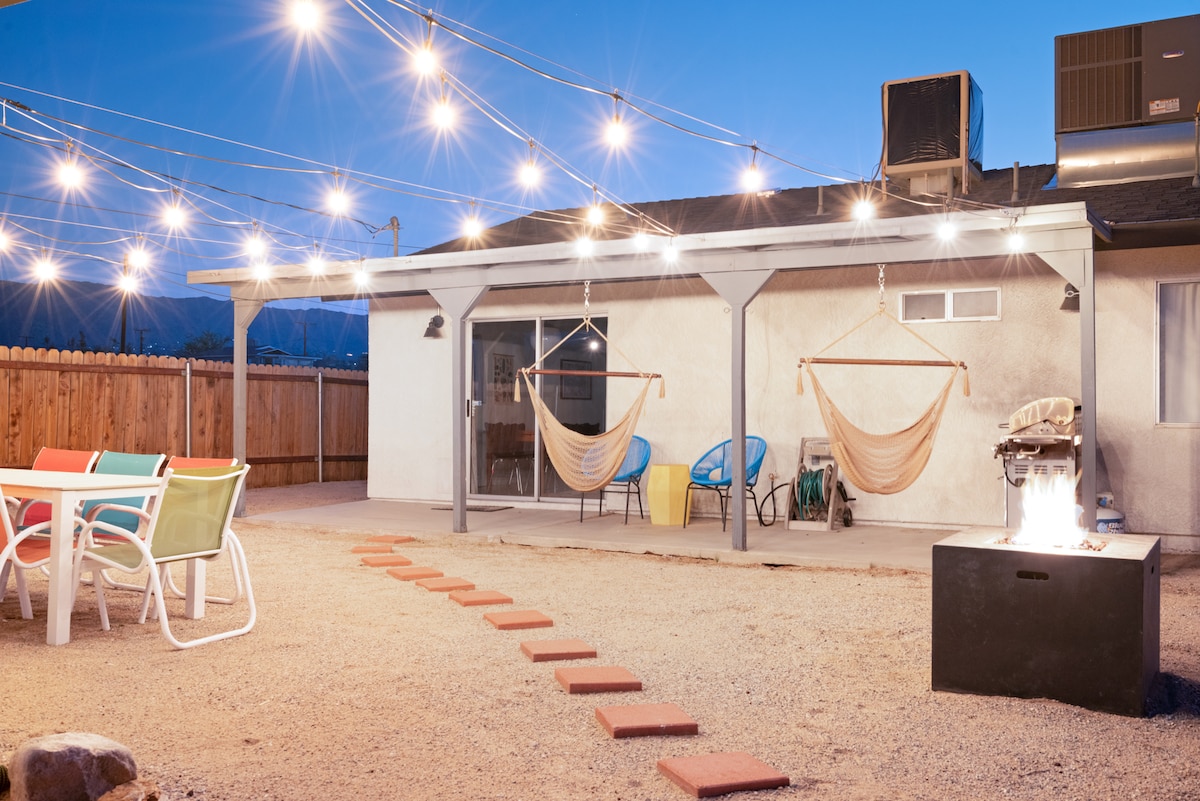
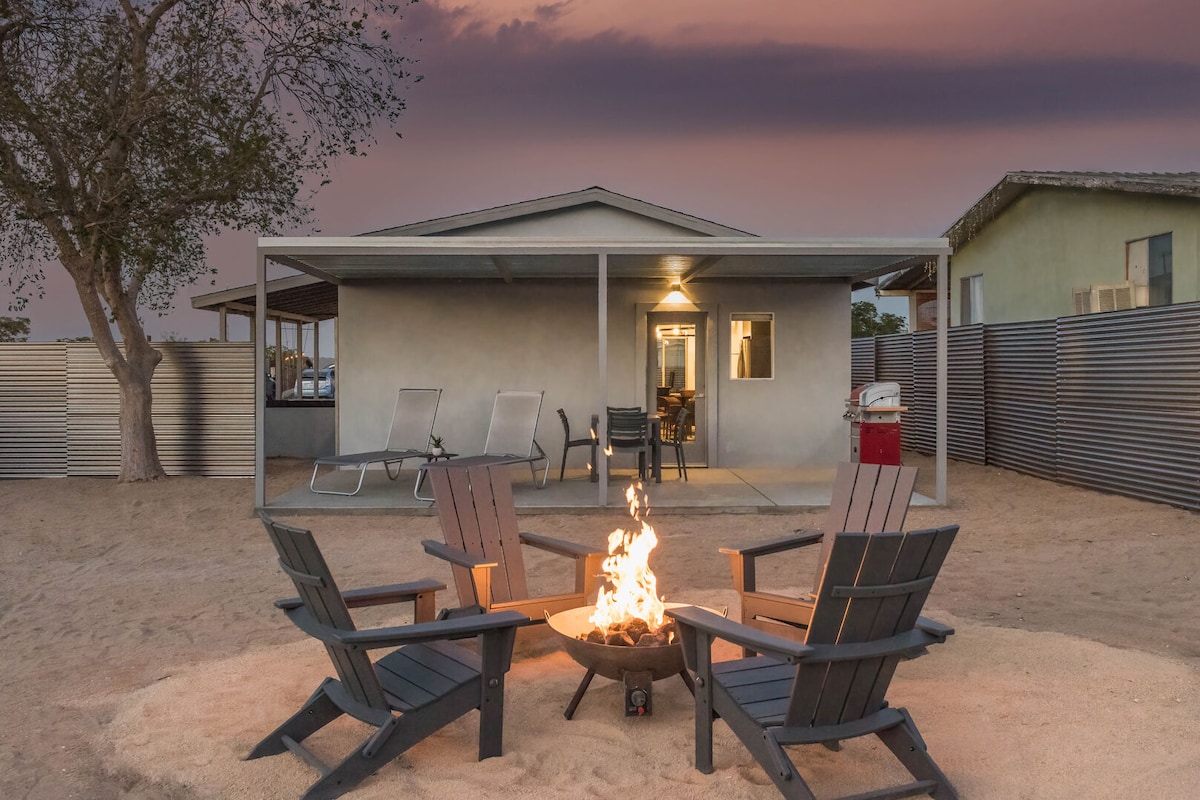

It sits 2.5 hours from Los Angeles and 45 minutes from Palm Springs. Three million people visited in 2024. And yet on a weekday in February, you can stand at a trailhead and feel genuinely alone.
This guide covers everything worth doing: the park’s top attractions, the best hikes by difficulty, rock climbing, stargazing, the town of Joshua Tree, and how to base yourself for the trip.
Table of Contents
- What to Know Before You Go
- Must-See Attractions in Joshua Tree National Park
- Hiking in Joshua Tree National Park
- Rock Climbing in Joshua Tree
- Stargazing in Joshua Tree
- Wildlife and Nature
- The Town of Joshua Tree: Beyond the National Park
- Things to Do in Joshua Tree by Traveler Type
- Where to Stay Near Joshua Tree National Park
- Frequently Asked Questions
What to Know Before You Go
Entrance fee: $30 per vehicle, valid for 7 days. The America the Beautiful Annual Pass ($80/year) covers all national parks and is worth buying if you visit two or more in a year.
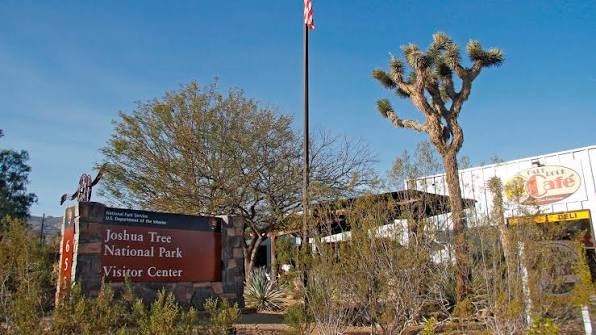
Hours: Open 24 hours, 7 days a week, year-round. The Joshua Tree Visitor Center (west entrance) opens at 7:30 a.m.; the Oasis Visitor Center in Twentynine Palms opens at 8:30 a.m.
Entrances: Three main stations. The West Entrance (Joshua Tree town) and North Entrance (Twentynine Palms) serve the main attractions. The southern Cottonwood entrance is quieter and less visited.
Season: October through May is prime season. Summer heat is extreme: temperatures regularly top 100°F and can reach 120°F. Plan any summer hiking before 8 a.m. Winter nights are cold (below freezing) but days are often clear and mild. Spring (February through April) brings the wildflower season in good rain years.
Water: No food stores or water refilling stations inside the park, with one exception: the Oasis Visitor Center has a water station. Bring at least one liter of water per hour of planned activity. This is not a suggestion.
Dogs: Allowed only on paved roads, in parking lots, and in campgrounds. Not permitted on trails or in the backcountry.
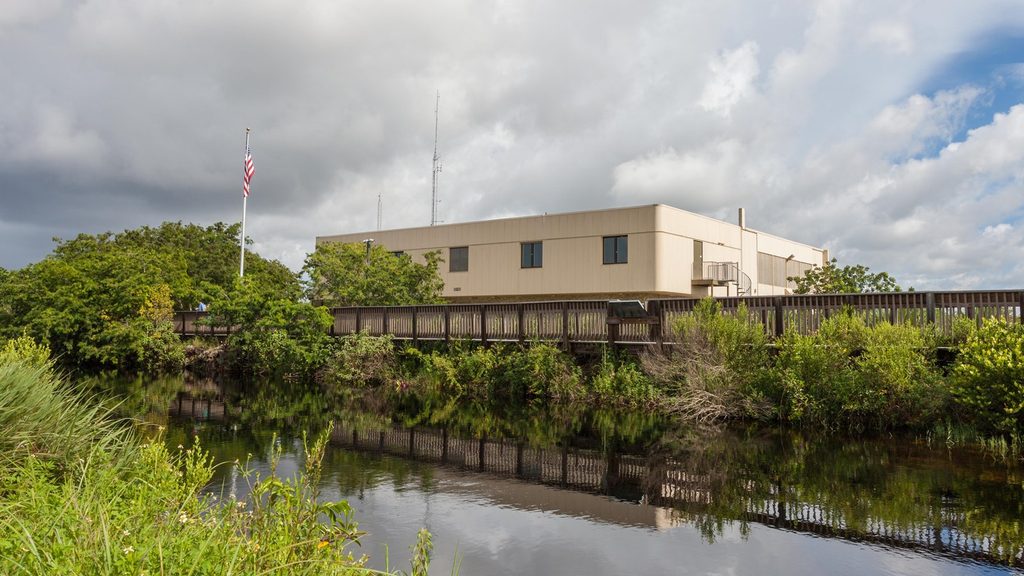
Cell service: Largely absent inside the park. Download offline maps before you enter.
Camping: Campgrounds fill fast, especially on weekends and spring season. Reserve in advance at recreation.gov.
Must-See Attractions in Joshua Tree National Park
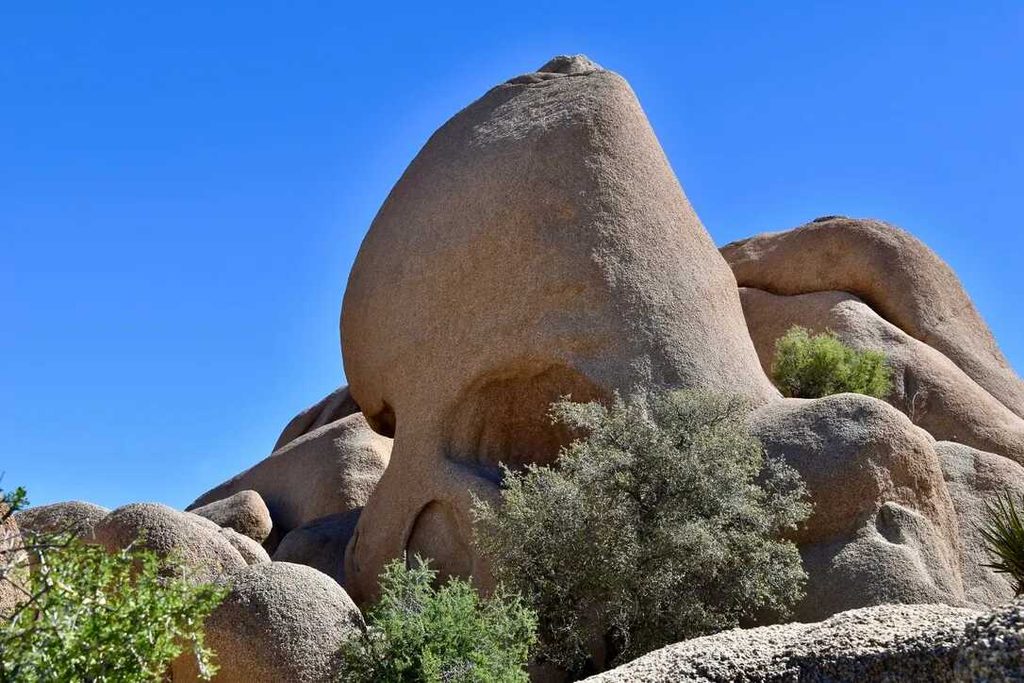
Skull Rock
The most photographed rock formation in the park. A large granite boulder eroded by wind, water, and temperature changes into an unmistakable skull shape. Located along Skull Rock Loop Trail off Park Boulevard. The 1.7-mile loop passes through jumbled boulder fields and is one of the most accessible hikes in the park.
Keys View
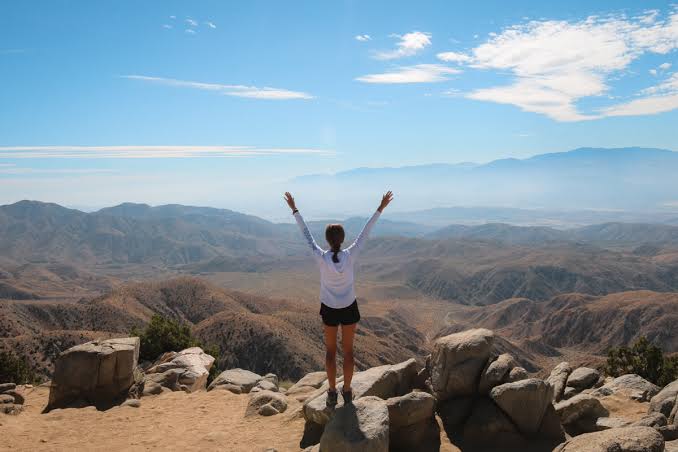
The best panoramic viewpoint in the park. At 5,185 feet, the highest point reachable by paved road, Keys View looks out over the Coachella Valley and, on clear days, the Salton Sea and the mountains beyond. Palm Springs sits directly below. The San Andreas Fault runs through the valley floor.
Go at sunrise or early morning for the clearest air. Afternoon haze from the LA basin can reduce visibility significantly.
Hidden Valley
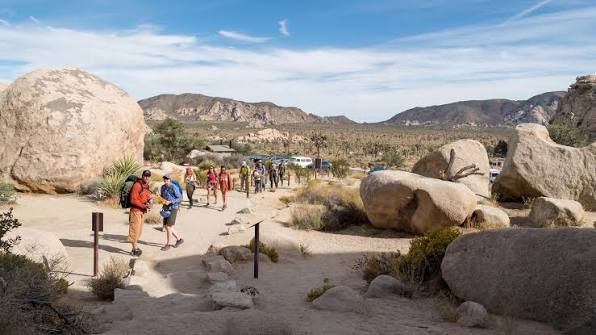
A natural rock enclosure formed by massive boulder formations, historically used by cattle rustlers to hide stolen livestock. The 1-mile loop trail passes through a landscape that feels genuinely otherworldly. This is also the center of Joshua Tree’s rock climbing world: dozens of climbing routes are visible from the trail itself.
Cholla Cactus Garden
A flat 0.25-mile loop through a dense collection of teddy bear cholla cactus. In late afternoon, the spines glow gold in the low desert light. Do not touch them. The detachable spines embed on contact and are notoriously painful to remove. Walk the path slowly, admire the light, and keep children close.
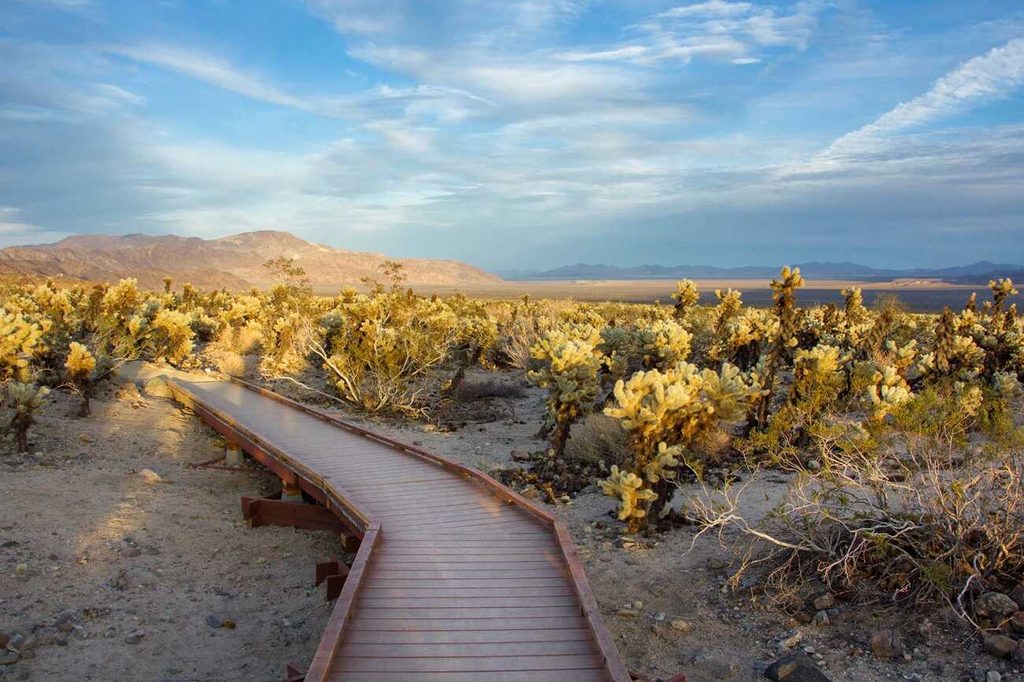
The garden marks the transition zone between the Mojave and Colorado deserts: plant life changes noticeably on either side.
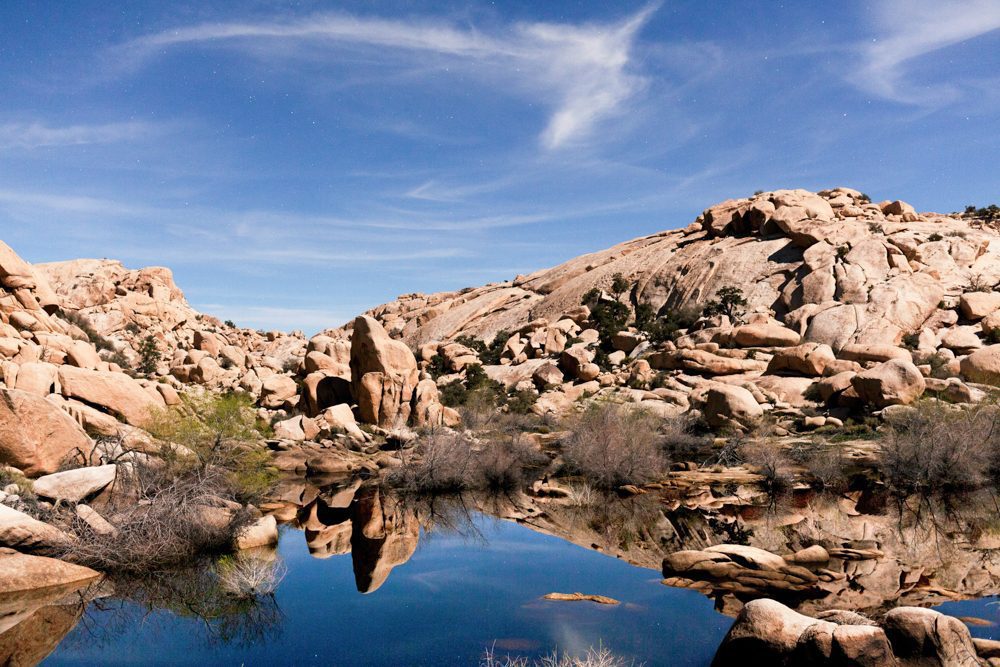
Barker Dam
A 1.3-mile round-trip hike to a small dam built by early ranchers in the early 1900s. When there is water in the reservoir after winter rains, the boulder reflections are striking. Petroglyphs left by indigenous peoples who occupied this area for thousands of years are visible nearby.
The Joshua Trees Themselves
Joshua trees are not trees. They are a species of yucca (Yucca brevifolia), belonging to the Asparagaceae family, more closely related to agave and asparagus than to any true tree.
They grow only in the Mojave Desert and require a specific combination of elevation, temperature, and rainfall.
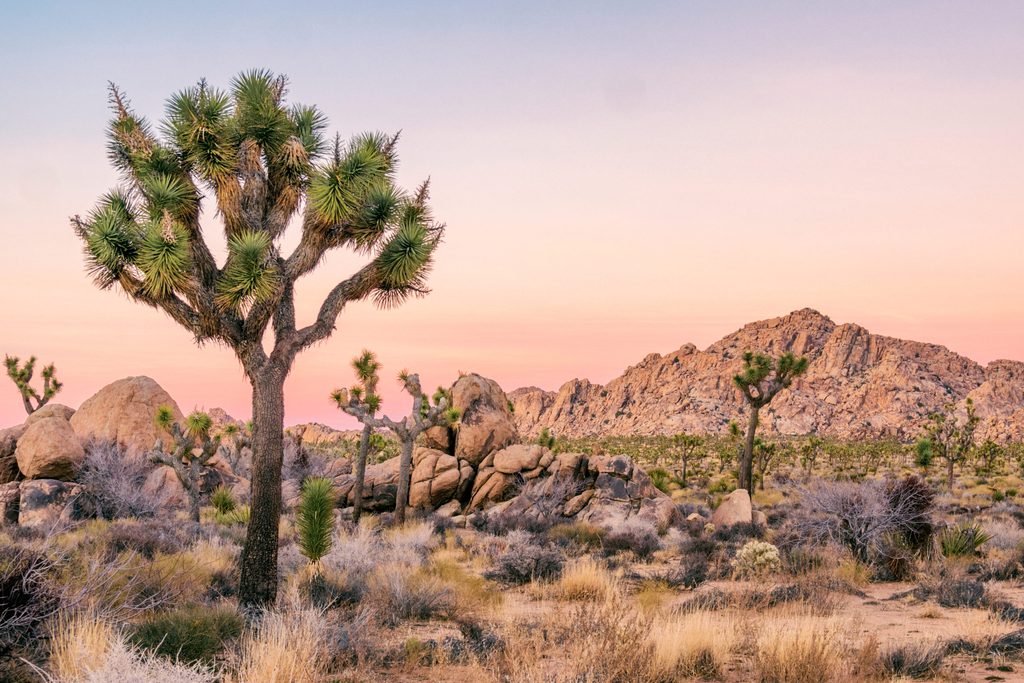
A mature specimen may be several hundred years old. Mormon settlers named them after the biblical figure Joshua, whose outstretched arms the silhouette resembles.
They are increasingly threatened by climate change. The park is named for them because this is the heart of their remaining range.
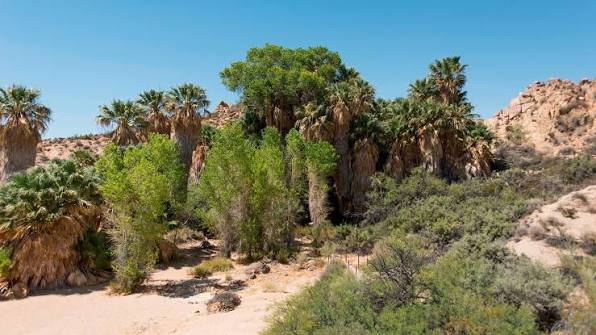
Cottonwood Spring Oasis
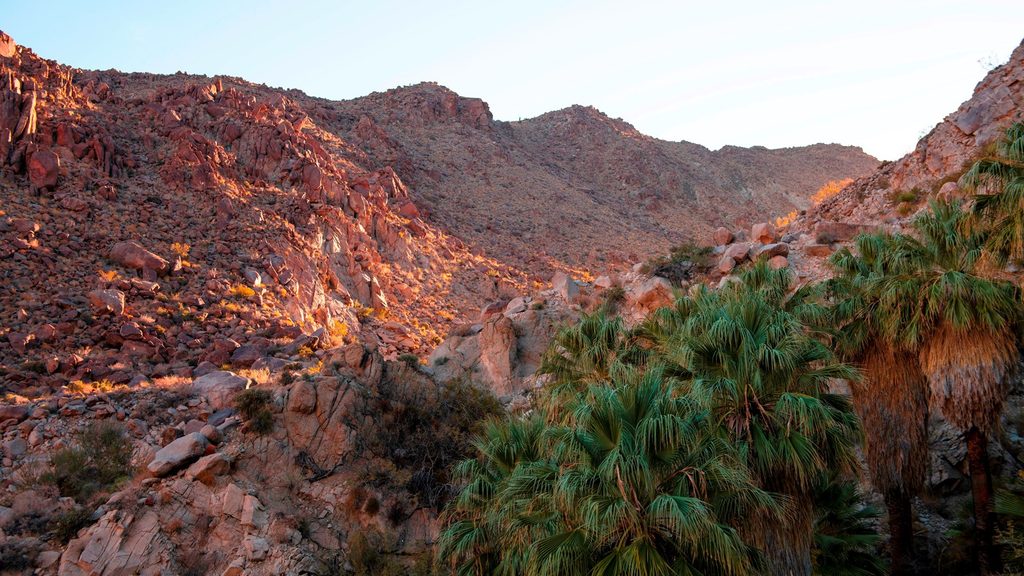
Near the southern entrance, a natural spring that has sustained wildlife and human travelers for thousands of years. Fan palms grow here, one of the only places in the park where large trees exist. Birdwatching is excellent. The contrast between the lush oasis and surrounding desert is striking.
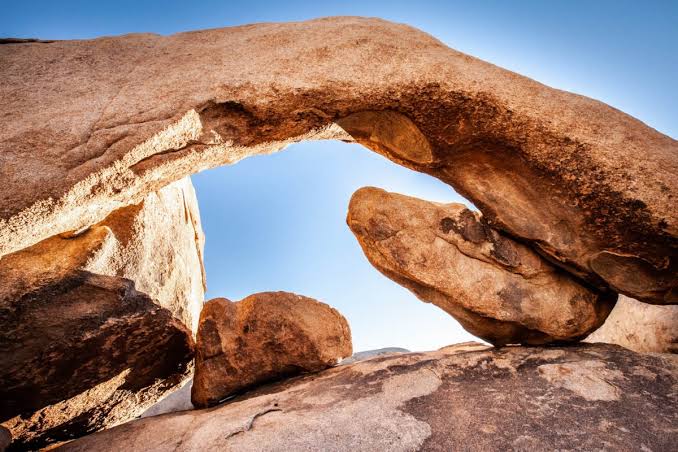
Arch Rock
A natural granite arch formed by erosion. The 1.3-mile round-trip hike from White Tank campground is easy and flat. Good for families and first-time visitors.
Hiking in Joshua Tree National Park
The park has 191 miles of maintained trails across 32 trailheads. Here are the best options by difficulty.
Easy Hikes (under 2 miles, minimal elevation)
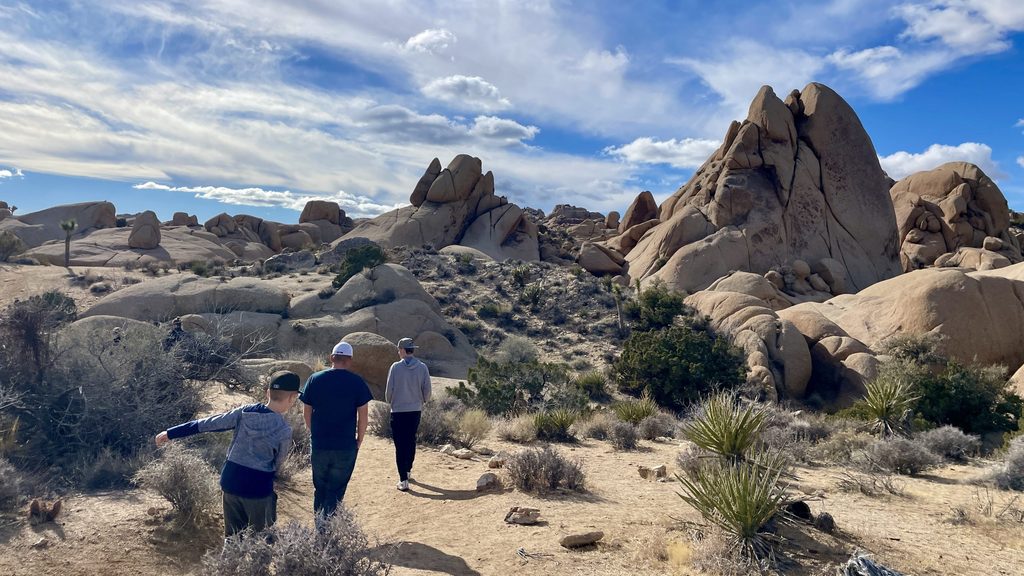
- Skull Rock Loop (1.7 miles): Through boulder fields past the iconic rock formation. Flat, well-marked, ideal for first-timers.
- Barker Dam (1.3 miles round trip): Past petroglyphs to a historic ranch dam. One of the most rewarding short hikes in the park.
- Cholla Cactus Garden Loop (0.25 miles): Short paved loop through a cactus garden at the Mojave-Colorado transition. Best in late afternoon light.
- Arch Rock Trail (1.3 miles round trip): Easy flat walk to a notable granite arch. Good family hike.
Moderate Hikes (2-5 miles, some elevation)
- Hidden Valley Trail (1 mile loop): Through the famous enclosed valley with views of climbing routes on every side. Arguably the most interesting mile in the park.
- Fortynine Palms Oasis (3 miles round trip): 300 feet of elevation gain to a hidden palm oasis. Accessed from Canyon Road off Highway 62, not the main park road. Note: the trail closes in summer to protect bighorn sheep access to water.
- Ryan Mountain (3 miles round trip, 1,050 ft elevation gain): The best summit hike in the park. 360-degree views over the Wonderland of Rocks, the Pinto Basin, and on clear days all the way to Mount San Gorgonio. Moderately strenuous.
- Lost Horse Mine (4 miles round trip): To an abandoned 1890s gold mine through high desert terrain. Strong historical context.
Strenuous Hikes (5+ miles or significant elevation)
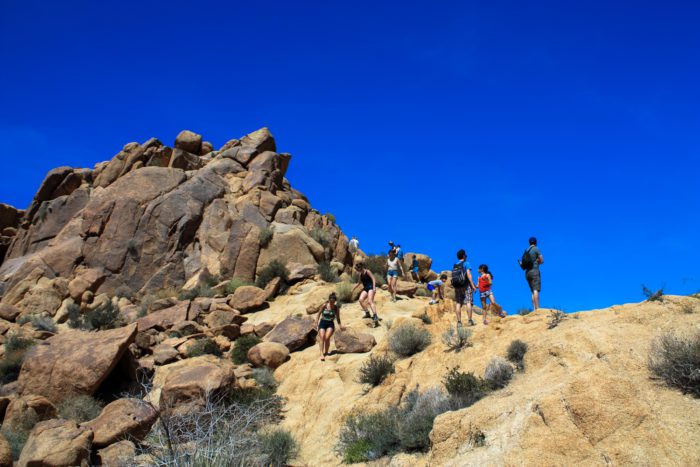
- Boy Scout Trail (7.8 miles one way): One of the best long hikes in the park, crossing through the Wonderland of Rocks. Usually done as a shuttle hike.
- Mastodon Peak Loop (3 miles, 400 ft gain): Near the Cottonwood entrance, with views of the Eagle Mountains and Salton Sea on clear days. Less crowded than the main park area.
- California Riding and Hiking Trail (35 miles total): The park’s longest trail, crossing the full width. Usually done in sections.
Rock Climbing in Joshua Tree
Joshua Tree is one of the world’s great rock climbing destinations.
More than 8,000 climbing routes and 400 climbing formations make it one of the most concentrated climbing areas in North America. The park is particularly famous for traditional crack climbing on its coarse-grained monzogranite. Climbers come from October through April; summer is too hot.
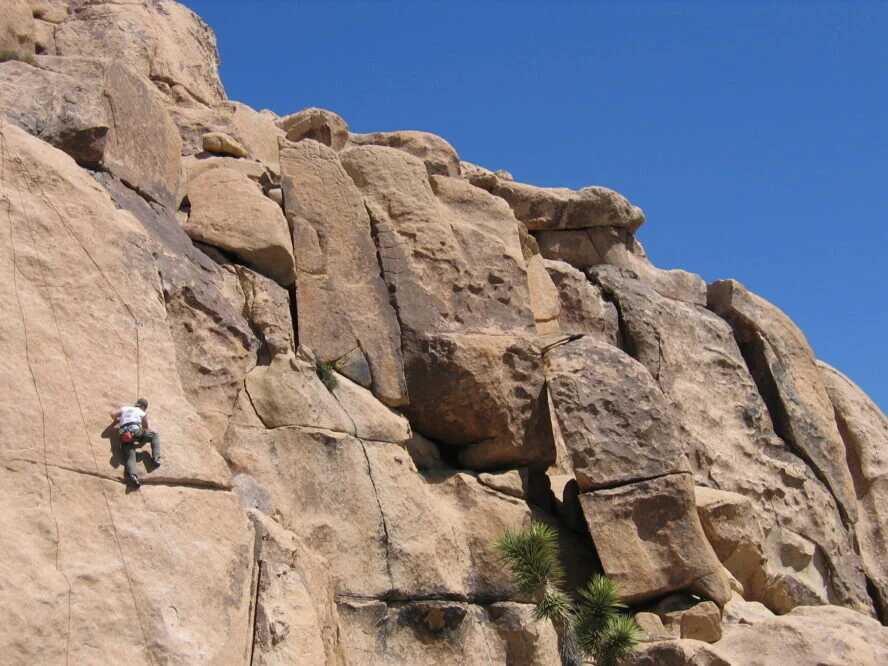
For beginners: Hidden Valley Campground area and Cap Rock have many beginner and intermediate routes. Hiring a permitted guide service is strongly recommended for anyone new to climbing.
For experienced climbers: The Wonderland of Rocks offers multi-pitch climbing across all grades. Intersection Rock, near Hidden Valley Campground, has classic routes at every difficulty level.
Bouldering: More than 2,000 documented boulder problems throughout the park.
Check current climbing closures and regulations before your visit: seasonal raptor closures affect some areas.
Stargazing in Joshua Tree
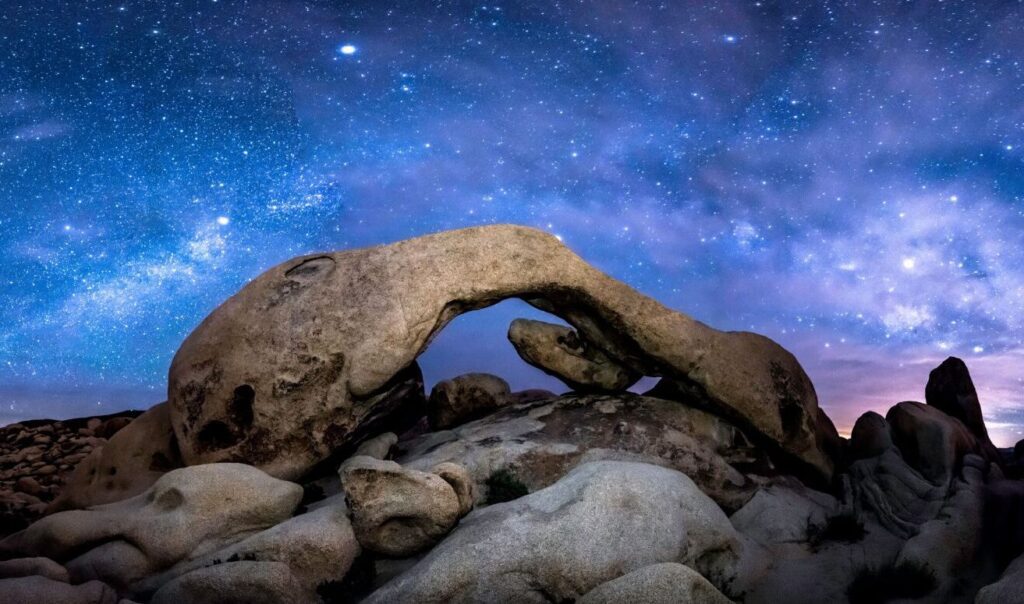
Joshua Tree became a certified International Dark Sky Park in 2017. For the roughly 18 million people in greater Los Angeles, it is the nearest accessible dark sky.
The Milky Way is visible to the naked eye on moonless nights from spring through early autumn. The park’s eastern wilderness area has the darkest skies: the western entrance is affected by light from Palm Springs and the Morongo Basin.
Best practices:
- Check the moon phase before you go. A new moon is ideal; a full moon significantly reduces visibility.
- Drive into the eastern section of the park, past Jumbo Rocks, for the darkest conditions. Cap Rock parking area, Ryan Campground, and the Cottonwood area are consistently recommended.
- Bring warm layers regardless of season. Desert temperatures drop dramatically after sunset.
- Allow 20 to 30 minutes for your eyes to adjust to the darkness. Use red-filtered lights to preserve night vision.
- A modern smartphone in night mode, propped on a rock or small tripod, can capture the Milky Way: no specialized camera required.
The NPS offers ranger-led stargazing programs during peak season. Check the current schedule at nps.gov/jotr.
Wildlife and Nature
Joshua Tree’s location at the meeting point of two deserts creates unusual biodiversity.
The park is home to 57 mammal species, 46 reptile species, and over 250 bird species. Notable wildlife includes:
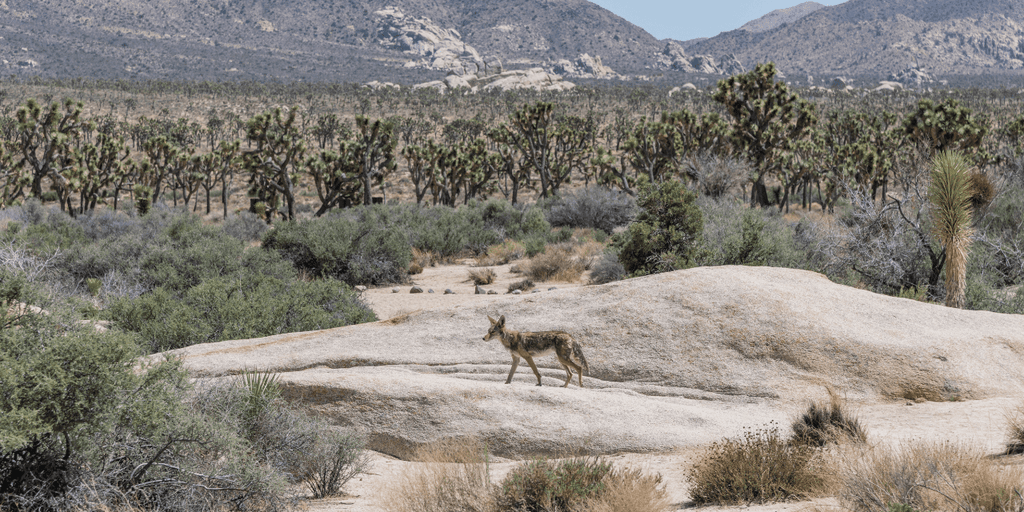
- Coyotes, visible most mornings and evenings near campgrounds
- Desert bighorn sheep, often spotted on rocky ridges in the eastern park
- The chuckwalla lizard, a large and unmistakably prehistoric-looking resident
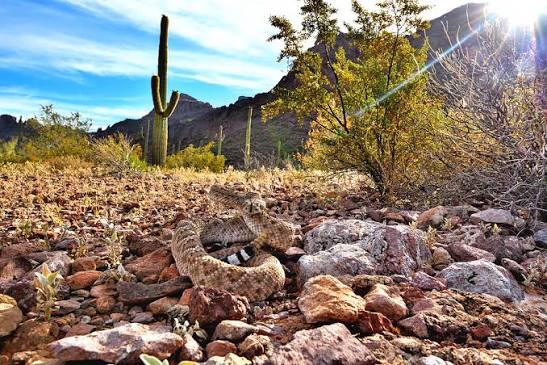
- Western diamondback rattlesnakes: watch where you place your hands when scrambling boulders and brush, particularly in warmer months
- The threatened desert tortoise, visible primarily in spring
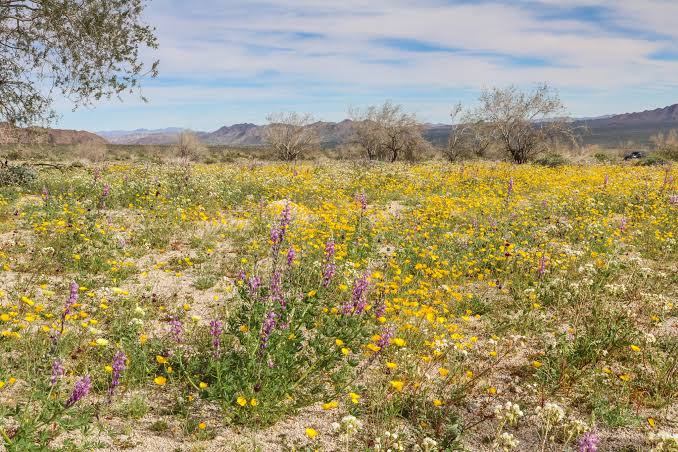
Spring wildflowers: In years with adequate winter rainfall, Joshua Tree produces remarkable wildflower blooms from February through April. California poppies, desert phacelia, and sand verbena can turn entire desert flats orange and purple. The display is weather-dependent and unpredictable. Check the NPS wildflower status report in the weeks before your visit.
Birdwatching: Cottonwood Spring Oasis is the premier birding spot in the park, particularly during spring and fall migration.
The Town of Joshua Tree: Beyond the National Park
The town of Joshua Tree sits 5 miles northwest of the West Entrance Station. Over the past decade it has become a destination in its own right: artists, musicians, and remote workers have moved into the high desert, creating one of the most interesting small communities in California.
What to do in and near Joshua Tree town:
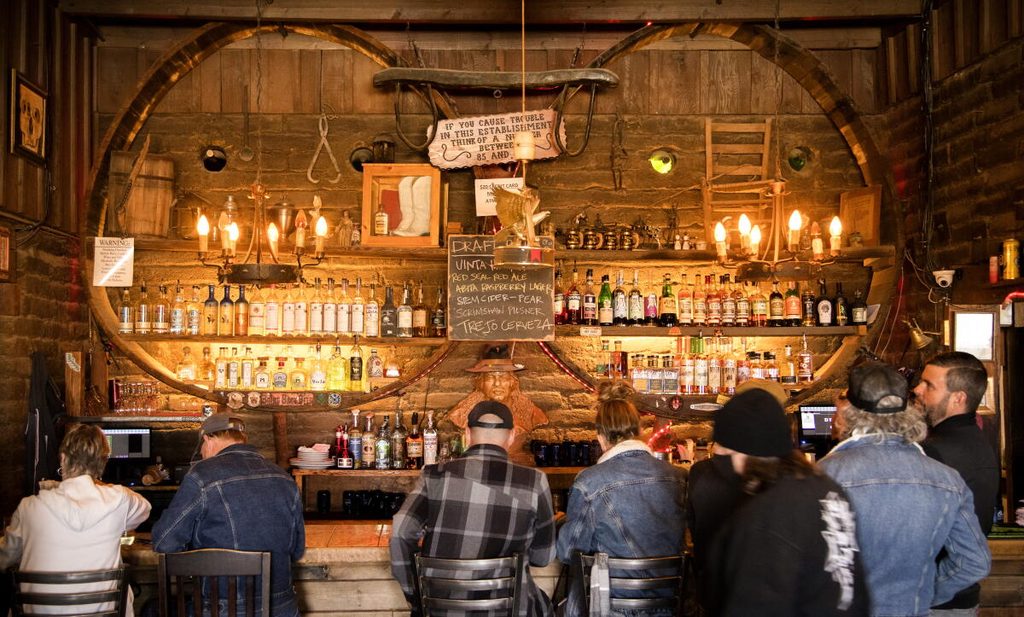
- Pappy and Harriet’s Pioneertown Palace: In nearby Pioneertown, 15 minutes from the park entrance. A legendary roadhouse restaurant and music venue that has hosted everyone from Paul McCartney to local desert acts. Live music most weekends. One of the most unique venues in California. Book dinner reservations in advance on weekends.
- Pioneertown: A 1940s Western movie set built by Roy Rogers and other Hollywood figures for use in filming. The main street, Mane Street, still looks exactly like an old West set. Worth the 15-minute drive.
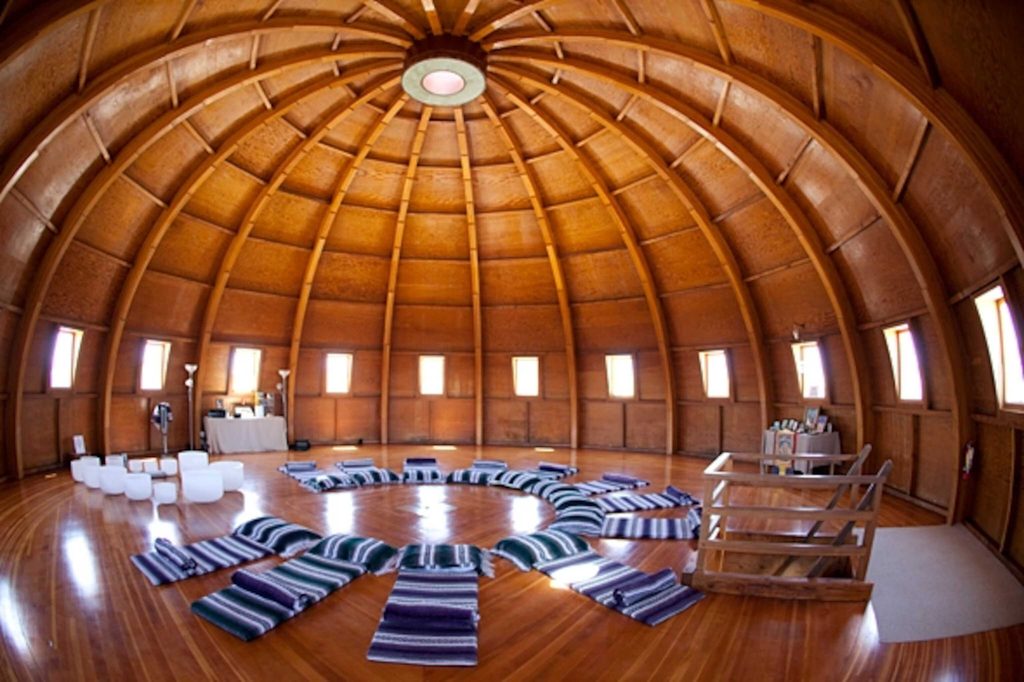
- Integratron: Located in Landers, approximately 20 miles north of the national park. A 38-foot high, all-wood dome built in the 1950s by aerospace engineer George Van Tassel following what he claimed were instructions from extraterrestrial visitors. Now on the National Register of Historic Places. Offers acoustic sound bath sessions inside the structure’s resonant chamber. Book well in advance at integratron.com.
- Joshua Tree Saloon: The classic local bar for a cold beer after a day in the park. Live music on weekends.
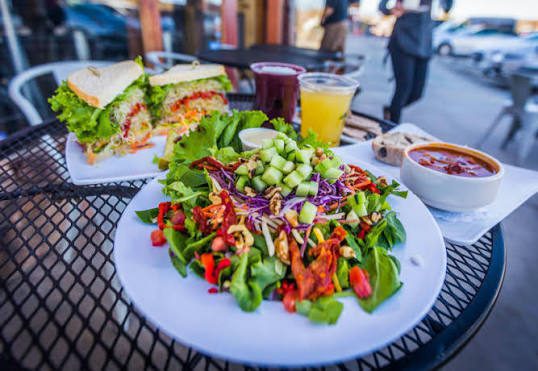
- Natural Sisters Café: A casual café serving some of the best food in the high desert, with strong vegetarian and vegan options.
- Noah Purifoy Outdoor Desert Art Museum: Ten acres of large-scale assemblage sculptures in the Joshua Tree desert, created by artist Noah Purifoy from materials salvaged from the 1965 Watts Riots. Free and open to the public.
Things to Do in Joshua Tree by Traveler Type
| Traveler type | Best activities |
|---|---|
| First-timers | Skull Rock, Hidden Valley, Keys View, Cholla Cactus Garden, stargazing |
| Hikers | Ryan Mountain, Fortynine Palms Oasis, Boy Scout Trail, Lost Horse Mine |
| Rock climbers | Hidden Valley Campground, Wonderland of Rocks, Cap Rock, Indian Cove |
| Stargazers | Eastern park area, Cap Rock, Ryan Campground on a new moon |
| Families | Barker Dam, Arch Rock, Skull Rock Loop, wildlife spotting drives |
| Art and culture | Pappy and Harriet’s, Pioneertown, Noah Purifoy Museum, Integratron |
| Wildlife watchers | Cottonwood Spring Oasis (birds), bighorn sheep lookouts, spring mornings |
| Couples | Sunrise at Keys View, stargazing, Pappy and Harriet’s, Integratron sound bath |
Where to Stay Near Joshua Tree National Park
No vacation rentals exist inside the park: only camping is available within park boundaries. Base yourself in one of the surrounding towns.
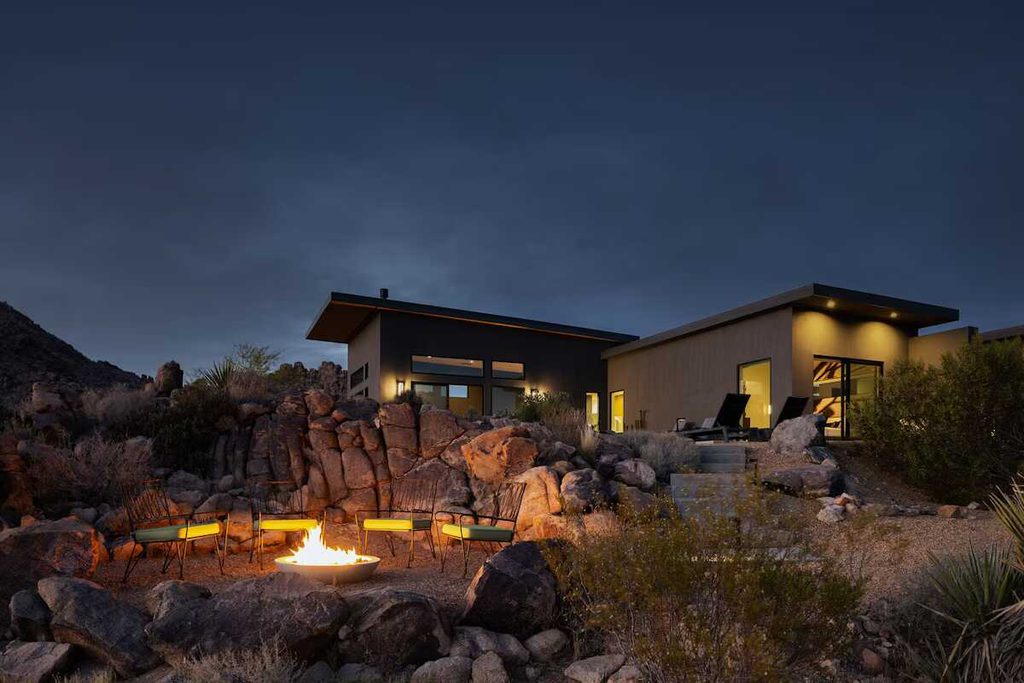
Joshua Tree town (5 miles from the West Entrance) gives the shortest drive to most of the park’s main attractions and the most character as a base. The creative community means unusually well-designed vacation rentals: desert modernist homes, properties with outdoor soaking tubs and stargazing decks, architect-designed retreats in the boulder fields.
Twentynine Palms (5 miles from the North Entrance) is the largest nearby town with the most services and grocery options. Vacation rentals tend to be more affordable.
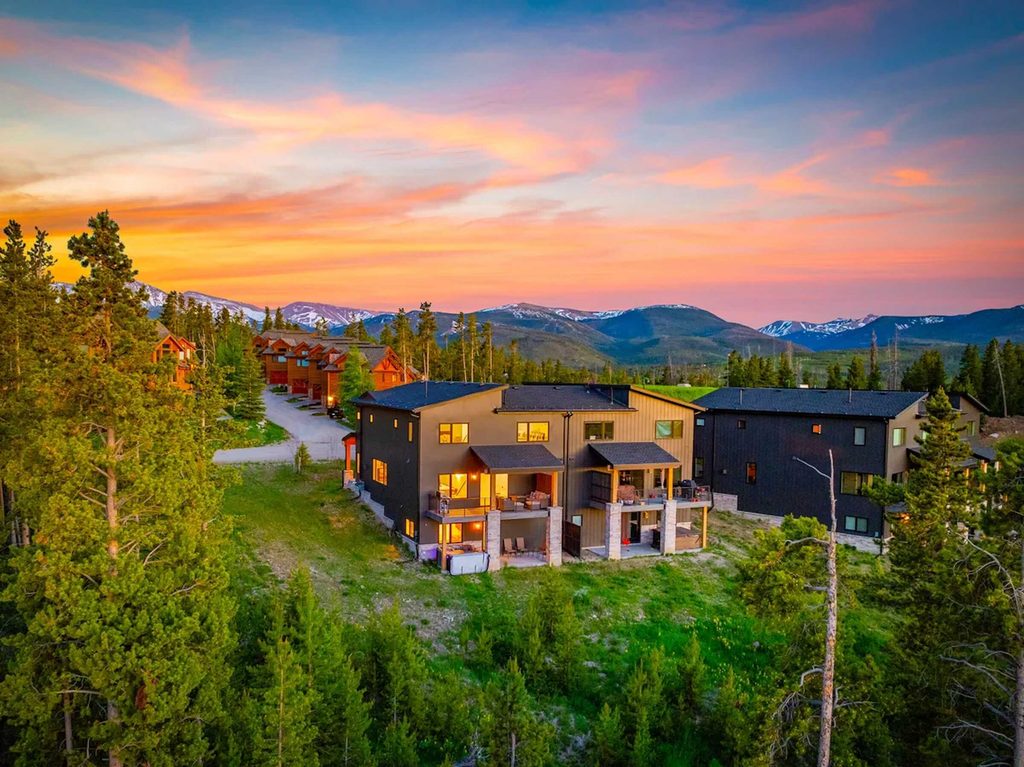
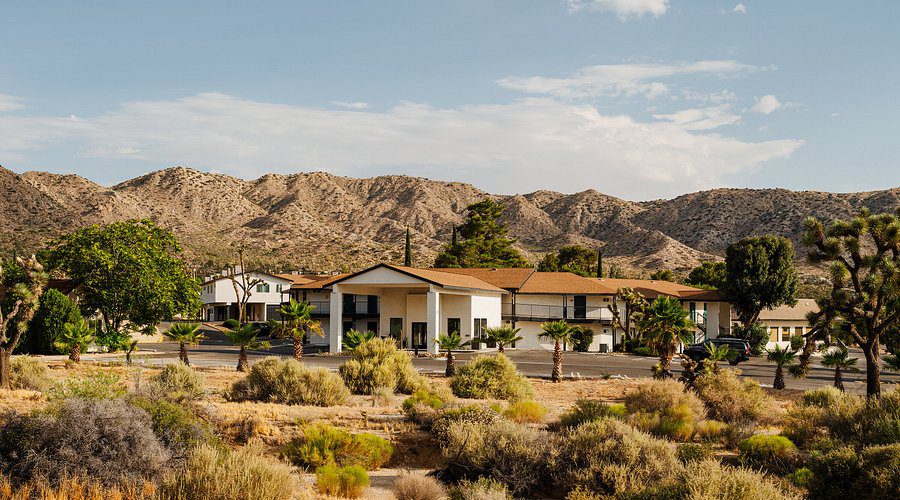
Yucca Valley (12 miles from the West Entrance) has the widest range of chain hotels and practical services. Less character than Joshua Tree town but more convenient for families with specific needs.
Palm Springs (45 minutes from the West Entrance) is a full resort city. A genuine alternative base, particularly for visitors combining the park with a Palm Springs trip.
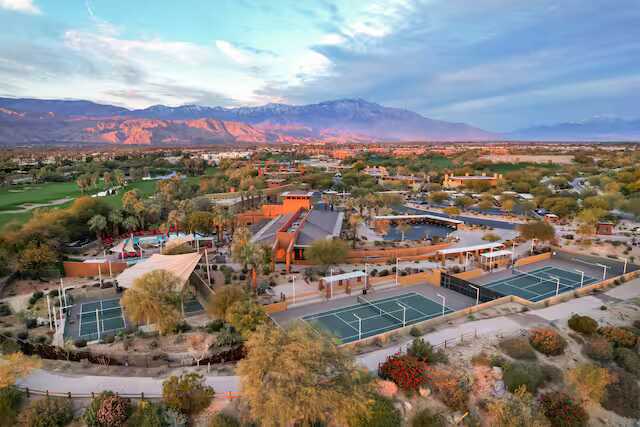
Joshua Tree is one of the most distinctive vacation rental markets in California. Properties with private pools, outdoor fire pits, soaking tubs under the stars, and glass walls looking out onto desert boulder fields are common. The setting rewards it.
Airbnb takes 15.5% from every host’s payout on each booking. To cover that cut, hosts raise their nightly rates: meaning you pay more without seeing it as a separate fee line. Stay hosts pay a flat annual fee and keep 100% of their nightly income, so they can price more competitively.
Frequently Asked Questions
What is there to do in Joshua Tree National Park?
The main activities are hiking (191 miles of trails across 32 trailheads), rock climbing (8,000+ routes across 400 formations), stargazing (certified International Dark Sky Park since 2017), and sightseeing at landmarks including Skull Rock, Keys View, Hidden Valley, and the Cholla Cactus Garden. The surrounding towns add music, art, food, and the Integratron sound bath experience to any itinerary.
How far is Joshua Tree from Los Angeles?
Joshua Tree National Park is approximately 140 miles from downtown Los Angeles, about 2.5 hours via the 10 Freeway East to Highway 62. Friday evening traffic out of LA can add significant time to the drive.
How far is Joshua Tree from Palm Springs?
Approximately 45 minutes from Palm Springs to the West Entrance via I-10 East and Highway 62. Palm Springs is a natural base for visitors combining the park with a desert resort trip.
How far is Joshua Tree from San Diego?
Approximately 160 miles from San Diego, about 2.5 to 3 hours via the 15 North and the 10 East.
How far is Joshua Tree from Las Vegas?
Approximately 270 miles from Las Vegas, about 4 hours via the 15 South and the 10 West.
How many days do you need in Joshua Tree?
One full day covers the main highlights: Skull Rock, Hidden Valley, Cholla Cactus Garden, Keys View, and a stargazing session. Two days allows a longer hike and time in Pioneertown or Joshua Tree town. Three or more days works for climbers, backpackers, or anyone who wants to explore the quieter eastern and southern sections.
Is Joshua Tree National Park worth visiting?
Yes. It is one of the most visually distinctive landscapes in the United States, 2.5 hours from Los Angeles, with a Dark Sky Park designation that most Southern Californians never take advantage of. The combination of hiking, climbing, stargazing, and the surrounding desert town culture makes it genuinely worth the trip.
Is Joshua Tree dog friendly?
Dogs are permitted in the park on paved roads, in parking lots, and in campgrounds. They are not allowed on trails or in the backcountry. The surrounding towns and dirt roads outside park boundaries offer more flexibility for dog owners.
What is the entrance fee for Joshua Tree National Park?
$30 per vehicle, valid for 7 days. Motorcycles pay $25. Individuals on foot or bicycle pay $15 each.The America the Beautiful Annual Pass ($80) covers all U.S. national parks for one year.
When is the best time to visit Joshua Tree?
October through May is prime season. Spring (February through April) is best for wildflowers and mild temperatures. Fall (October and November) has ideal hiking weather with lighter crowds than spring. Summer is dangerously hot for hiking. Winter days are often clear and beautiful, with cold nights.
Where should I stay when visiting Joshua Tree National Park?
The park itself has campgrounds only: no hotels or vacation rentals inside boundaries. The town of Joshua Tree (5 miles from the West Entrance) is the closest base with the most character. Twentynine Palms (5 miles north) has the most services. Yucca Valley (12 miles west) has the widest range of accommodation types. Palm Springs (45 minutes south) works well for visitors combining the park with a resort trip.
Ready to plan your Joshua Tree trip? Browse vacation rentals near Joshua Tree on Stay: direct with the host, competitively priced.