
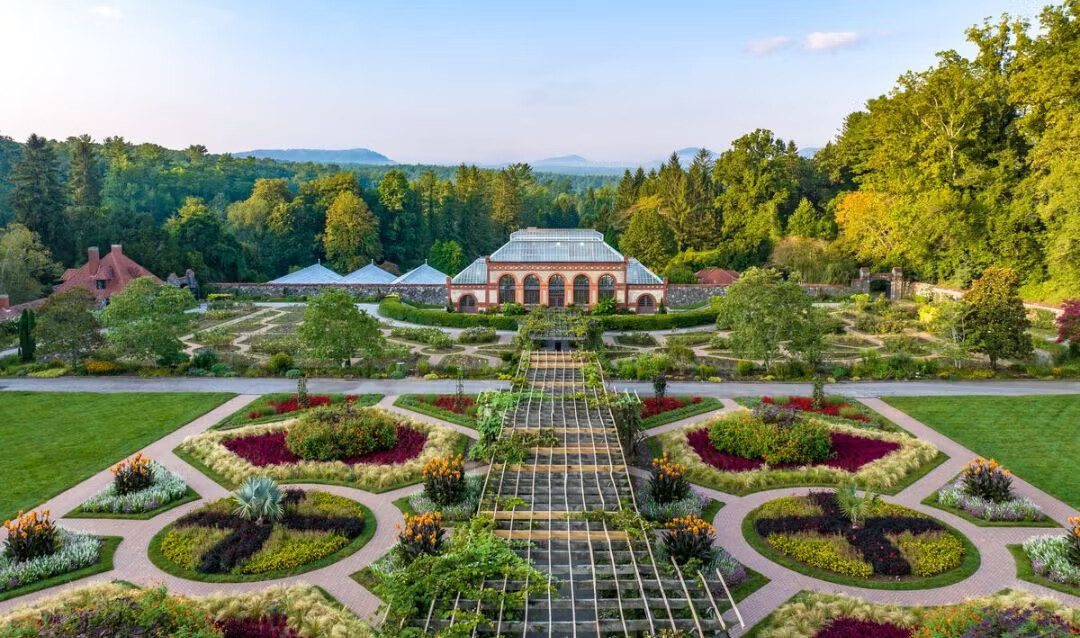
The best time to visit Asheville, NC genuinely depends on what you’re after — and the answer is different for almost every traveler.
Come in October and you’re competing with half of the Southeast for a parking spot on the Blue Ridge Parkway. Come in May and you have wildflowers, mild temperatures, and rental rates that haven’t climbed into peak pricing yet. Come in January and you’ll have the best breweries and restaurants largely to yourself.
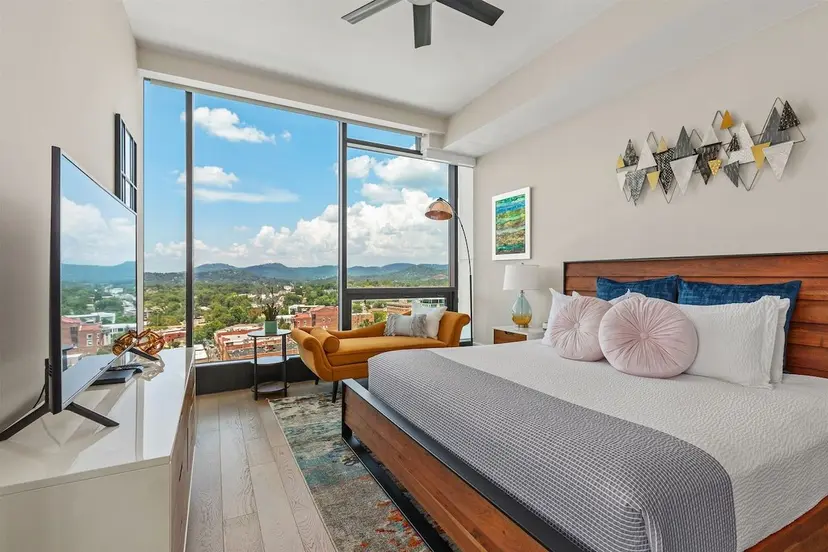
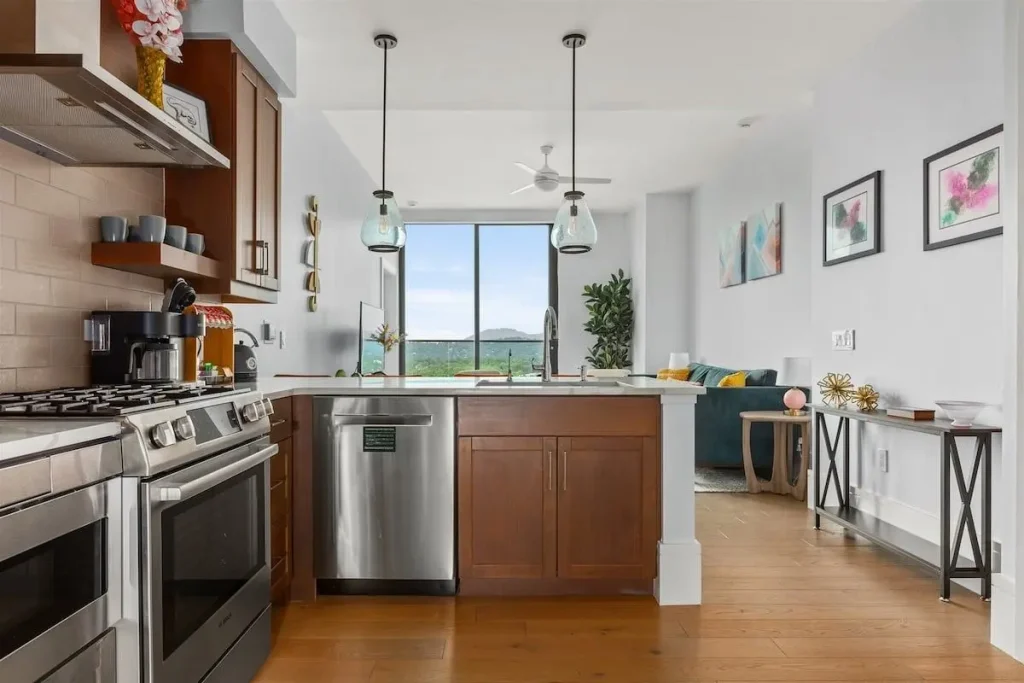
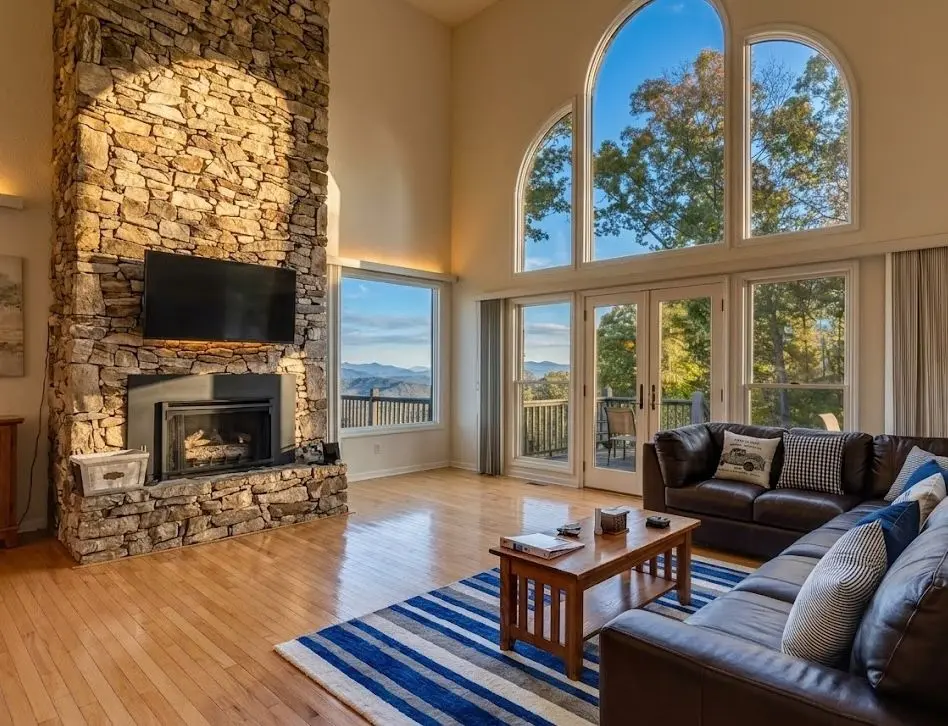
A few places nearby — see all in Asheville
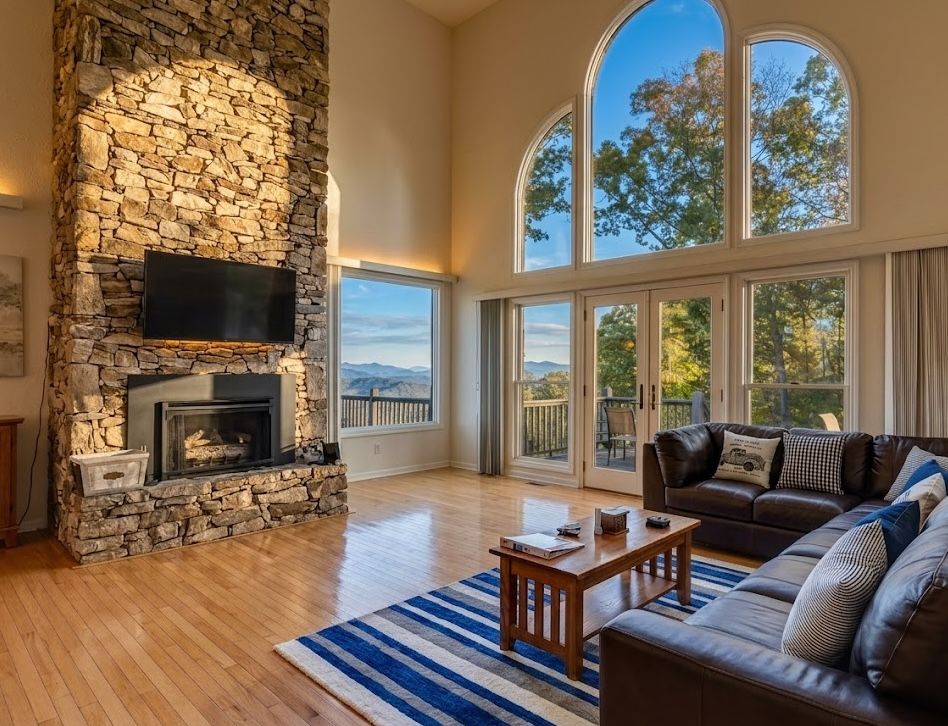
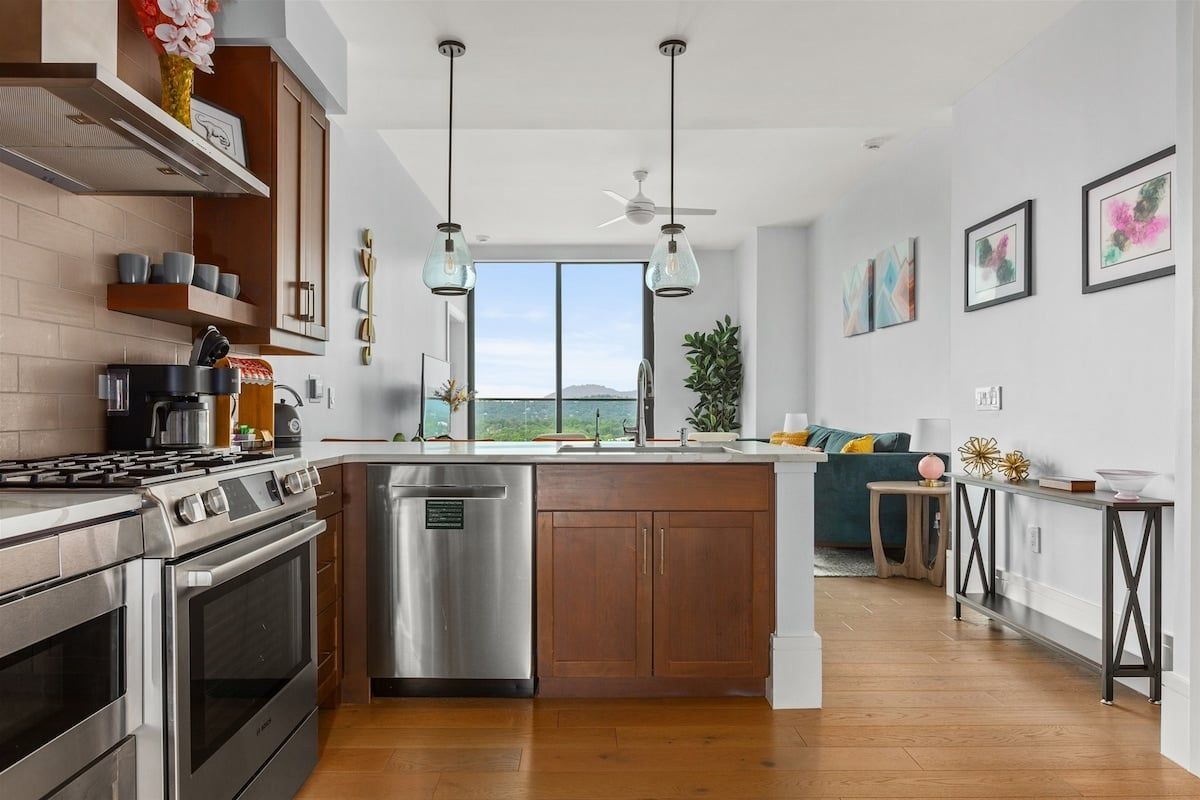
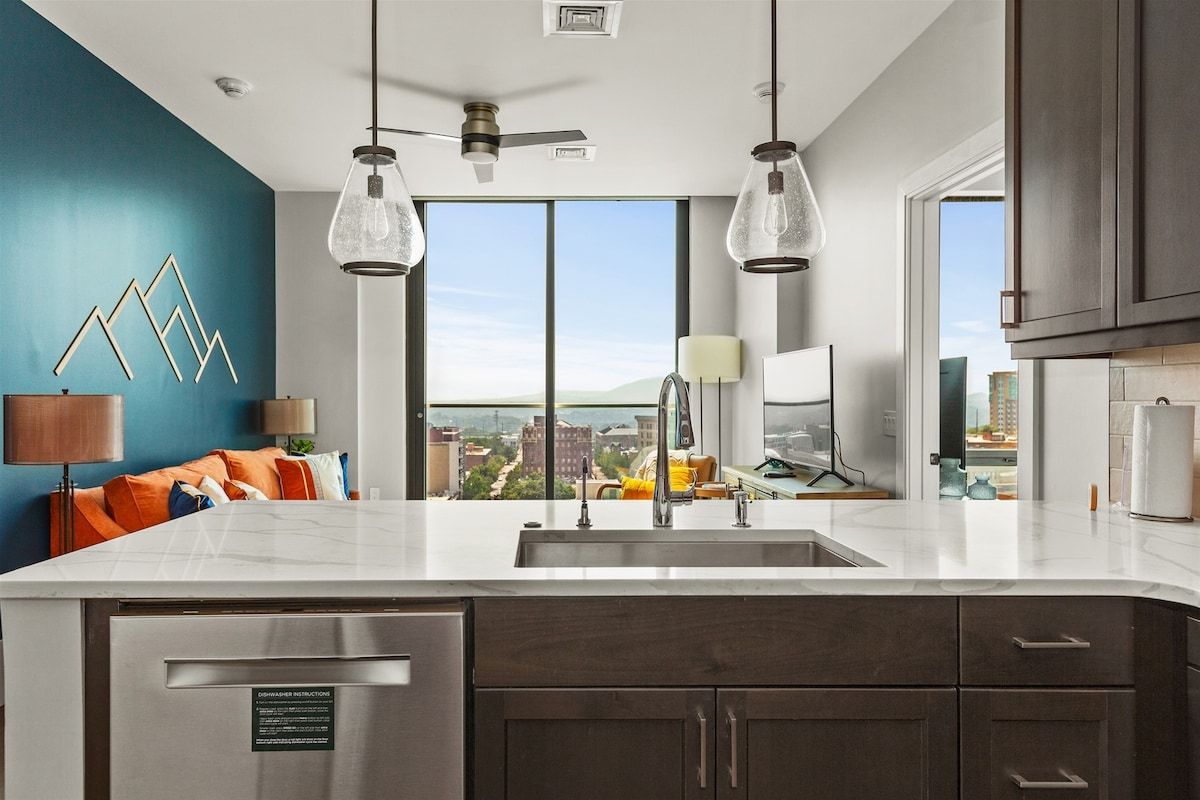
This guide breaks it down honestly: weather, crowds, rental pricing, and foliage timing so you can pick the window that fits your trip rather than defaulting to whatever weekend happens to be available.
Table of Contents
- Asheville at a Glance: Seasons and Crowds
- Spring in Asheville: March, April, May
- Summer in Asheville: June, July, August
- Fall in Asheville: September, October, November
- Winter in Asheville: December, January, February
- Best Time to Visit Asheville by Traveler Type
- When to Book Your Asheville Vacation Rental
- Frequently Asked Questions
Asheville at a Glance: Seasons and Crowds
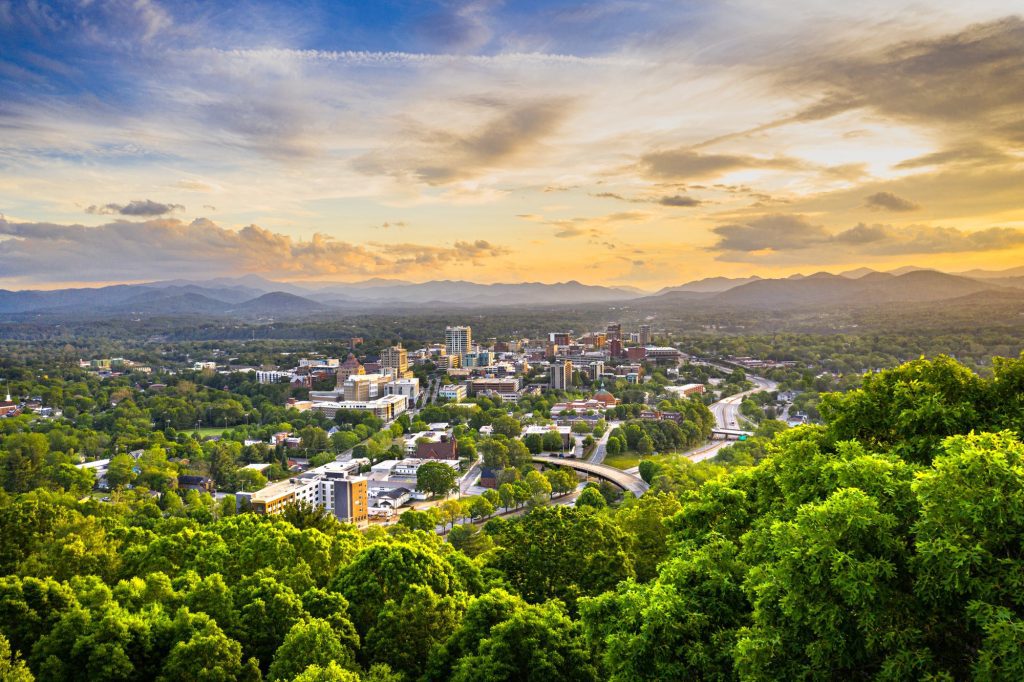
Asheville sits at approximately 2,134 feet elevation in the Blue Ridge Mountains. That altitude shapes everything: summers are cooler than the rest of the Southeast, winters occasionally bring real snow, and the fall foliage season extends longer than almost anywhere else in the country.
The city has two distinct peak seasons that drive pricing and availability:
- Fall foliage (mid-September through late October): the single busiest period of the year, especially the second and third weeks of October
- Summer (June through August): families, outdoor enthusiasts, and anyone escaping the heat of Atlanta, Charlotte, or Nashville
The two sweet spots for value and experience are May and September: warm enough for everything, crowds lighter than peak, rental prices softer than their neighboring months.
| Month | Avg High | Avg Low | Crowds | Rental Rates |
|---|---|---|---|---|
| January | 47°F | 27°F | Very Low | Lowest |
| February | 52°F | 31°F | Very Low | Lowest |
| March | 61°F | 37°F | Low | Low |
| April | 70°F | 44°F | Moderate | Moderate |
| May | 77°F | 52°F | Moderate | Moderate |
| June | 83°F | 61°F | High | High |
| July | 85°F | 65°F | High | Highest |
| August | 84°F | 64°F | High | High |
| September | 78°F | 57°F | Moderate to High | Moderate to High |
| October | 68°F | 46°F | Extreme | Highest |
| November | 59°F | 37°F | Low to Moderate | Low to Moderate |
| December | 50°F | 32°F | Low | Low |
Spring in Asheville: March, April, May
Spring is one of the most underrated times to visit Asheville, and experienced travelers know it.
The Blue Ridge Parkway and surrounding trails come alive with wildflowers. Temperatures are mild, daytime highs running from the low 60s in March to the upper 70s by late May. The brewery patios are open. And rental rates haven’t climbed into the summer premium yet.
Asheville in March
March is early spring, still chilly in the mornings and occasionally rainy, but rewarding if you time it right.
- Temperatures: highs around 61°F, lows around 37°F
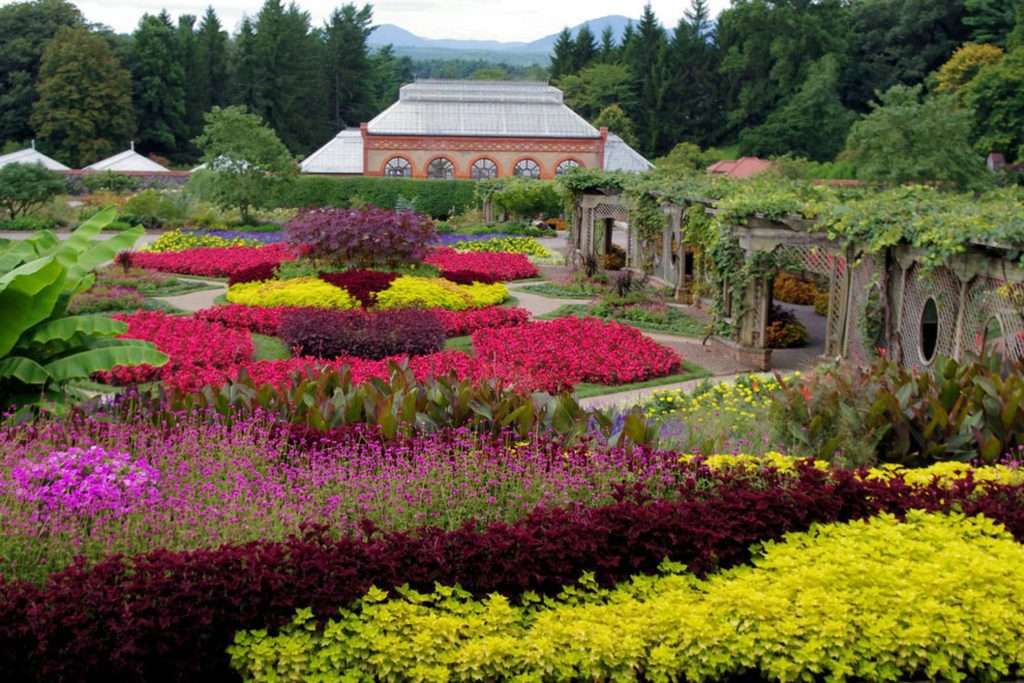
- The Biltmore Estate gardens start coming alive in late March
- Crowds are a fraction of what you’ll see in October
- Some Blue Ridge Parkway sections may have weather-related closures early in the month; check NPS.gov before planning a specific drive
Asheville in April
April is when spring hits its stride.
- Temperatures: highs around 70°F, lows around 44°F
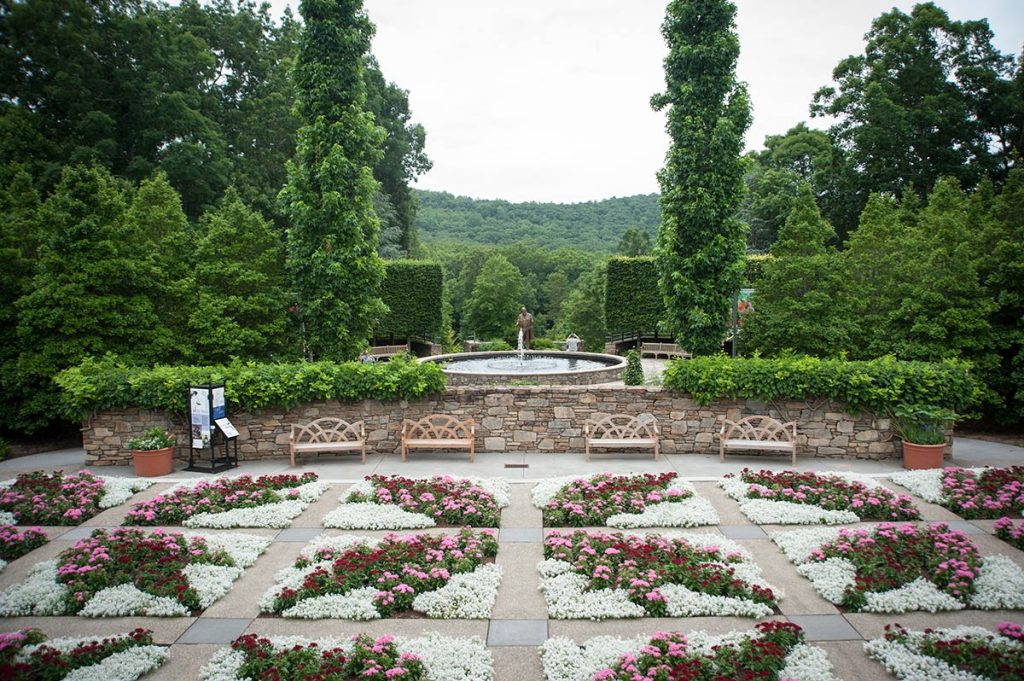
- The Biltmore’s Antler Hill gardens are in bloom, wildflowers are peaking along the Parkway trails
- The NC Arboretum runs a full spring events series through April, including Music in the Mountains Day, Arbor Day events, and Native Azalea Day
- Comfortable for all-day hiking without summer heat
Asheville in May
May is arguably the best value month in the Asheville calendar.
- Temperatures: highs around 77°F, lows around 52°F
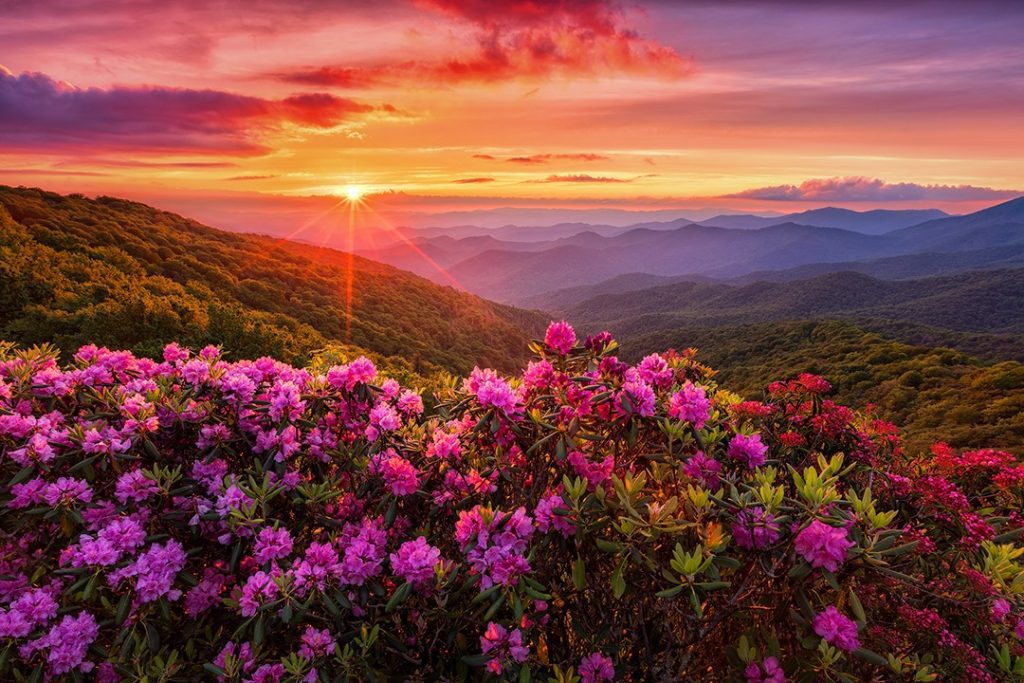
- Rhododendrons and mountain laurel peak along the Blue Ridge Parkway, one of the most spectacular natural events in the eastern U.S.
- Asheville Beer Week runs mid-to-late May
- The NC Arboretum holds its Spring Plant Sale and Market on May 29 to 30
- Crowds and rental rates have not yet climbed into summer premium
Best for: hikers, couples, value-focused travelers, Biltmore Estate visits, anyone who finds October too crowded.
Book ahead by: 4 to 6 weeks for most spring weekends; 6 to 8 weeks for late April and May when the Biltmore gardens and rhododendron blooms peak.
Summer in Asheville: June, July, August
Summer is when Asheville earns its reputation as a mountain escape.
At 2,134 feet, the city stays meaningfully cooler than Charlotte, Atlanta, or Nashville during the same months. Highs typically reach the low-to-mid 80s: warm but not oppressive. Evenings drop into the 60s, which makes sitting on a porch or rooftop bar genuinely comfortable even in July.
That said, summer is peak season in every sense. July and August have the highest rental rates of the year, the most competition for downtown parking, and the longest waits at popular restaurants.
Asheville in June
June is the sweet spot of summer.
- Temperatures: highs around 83°F, lows around 61°F
- The sunniest month of the year in Asheville, averaging nearly 9 hours of daily sunshine
- Crowds are building but not yet at July peak
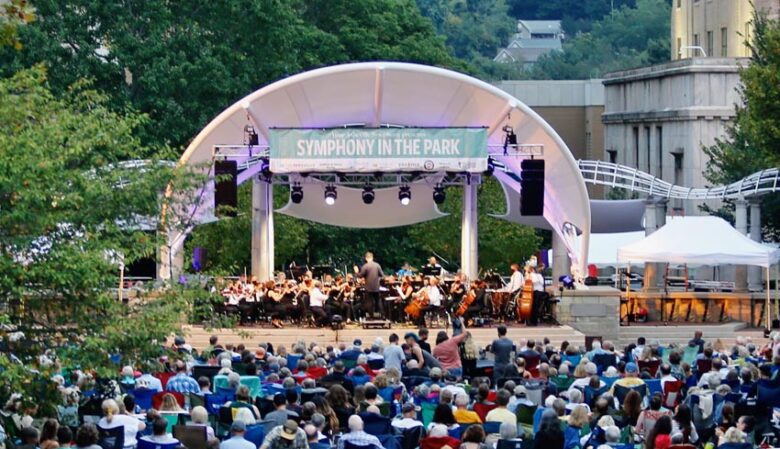
- The outdoor dining and live music scene is in full swing
- Downtown After 5, the city’s free outdoor concert series in Pack Square Park, draws its biggest crowds in June and July
Asheville in July
July is peak summer, the most popular and most expensive month to visit.
- Temperatures: highs around 85°F, lows around 65°F
- Families dominate; downtown streets are lively every evening
- River tubing on the French Broad is fully operational
- Afternoon thunderstorms are common but usually short-lived
- Rental rates are at their annual high; the best properties often book months in advance

Asheville in August
August is similar to July in crowds and pricing, with slightly more humidity creeping in.
- Temperatures: highs around 84°F, lows around 64°F

- The last weeks of August start to feel like a transition as locals begin talking about foliage
- A few savvy travelers book late August to catch the tail end of summer with slightly lower competition
Best for: families, those escaping Southeast heat, outdoor activity-focused trips, visitors who want the full Asheville social scene.
Book ahead by: 2 to 3 months for summer weekends; July 4th weekend books out 4 to 5 months in advance for desirable properties.
Fall in Asheville: September, October, November
Fall is when Asheville becomes the most sought-after destination in the Southeast.
The combination of foliage, crisp temperatures, and the city’s food and arts scene at full energy creates something genuinely hard to replicate.
It is also the most competitive time to visit. October weekends fill months in advance, rental rates spike, and the Blue Ridge Parkway backs up with leaf-peeping traffic on peak weekends.
Understanding how fall actually works in this region, specifically the elevation dynamics, is the difference between an exceptional trip and a frustrating one.
Asheville in September
September is the most underappreciated month of the fall calendar.
- Temperatures: highs around 78°F, lows around 57°F
- The first weeks feel like the tail end of summer: warm days, cool evenings, full outdoor energy
- By mid-September, the highest elevations above 6,000 feet start showing early color
- Crowds are lighter than October and rental rates are noticeably softer
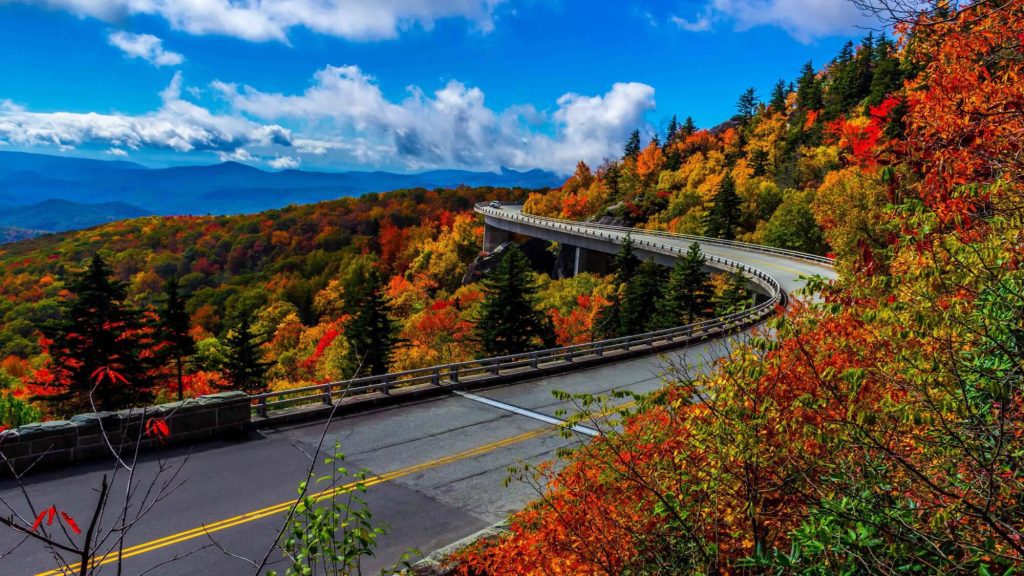
For travelers with flexibility, late September is one of the best times to visit Asheville, not just in fall, but any time of year.
Asheville in October
October is peak.
- Temperatures: highs around 68°F, lows around 46°F
- The second and third weeks represent the most contested accommodation window in the Asheville market
- Colors cascade down the mountain by elevation, creating a multi-week season rather than a single peak weekend
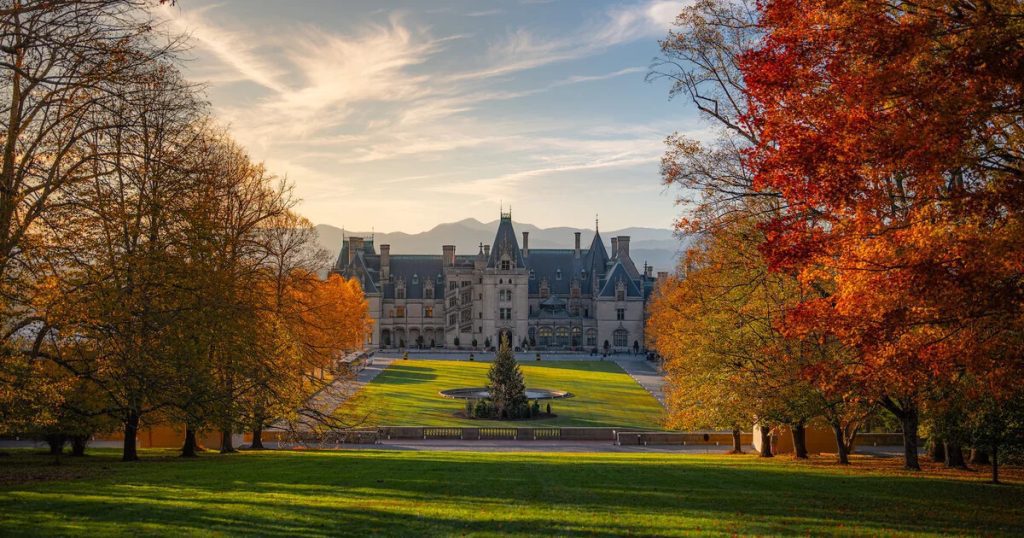
- Downtown Asheville and Biltmore Estate hit their foliage color in late October, so even the last week of the month rewards visitors who couldn’t get a mid-October booking
A note on the River Arts District and Biltmore Village: both neighborhoods sustained Helene flooding in 2024 and are in active recovery as of 2026. Both are worth visiting, and the investment helps the recovery. Check our full Asheville neighborhood guide for the most current status on specific businesses and rental properties before booking.
Asheville in November
November gets overlooked, and that’s to your advantage.
- Temperatures: highs around 59°F, lows around 37°F
- Early November still has lower-elevation color
- Crowds drop sharply after the first week and rental rates fall significantly
- The Omni Grove Park Inn’s Gingerbread House Competition display begins in mid-November
- The NC Arboretum’s Winter Lights event runs mid-November through early January

If you missed October, early November is a genuinely good consolation.
Asheville Fall Foliage: Timing by Elevation
When does Asheville fall foliage peak in 2026? The honest answer is that the timing varies by elevation more than it varies by year. Color doesn’t peak everywhere at once. It moves down the mountain by elevation, progressing at roughly 1,000 feet per week. This means the foliage season around Asheville spans nearly six weeks, from late September at the highest peaks to late October and into early November at valley level.
Here’s the typical progression:
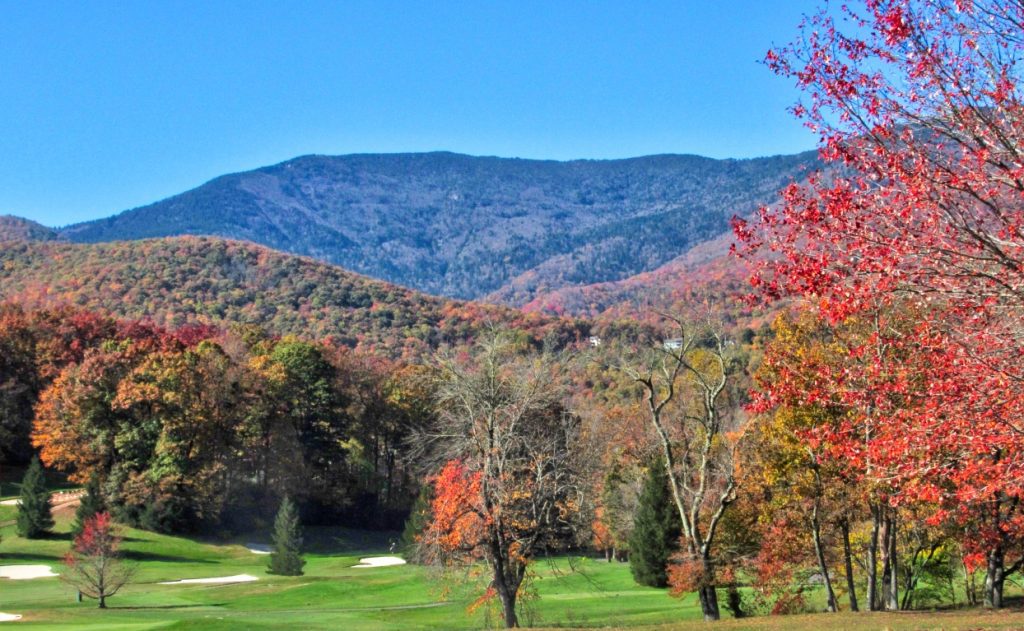
Late September (roughly September 22 to 30): Above 6,000 feet, including Mount Mitchell, Grandfather Mountain, Graveyard Fields on the Blue Ridge Parkway, and Craggy Gardens. Spotty but genuine color begins. This is the earliest reliable foliage window and the least crowded.
Early October (roughly October 1 to 9): 5,000 to 6,000 feet, including higher Blue Ridge Parkway sections, Black Balsam Knob, and Waterrock Knob. Bold reds and golds in the sugar maples and mountain maples. The Parkway drives above 5,000 feet are spectacular this week with manageable crowds.
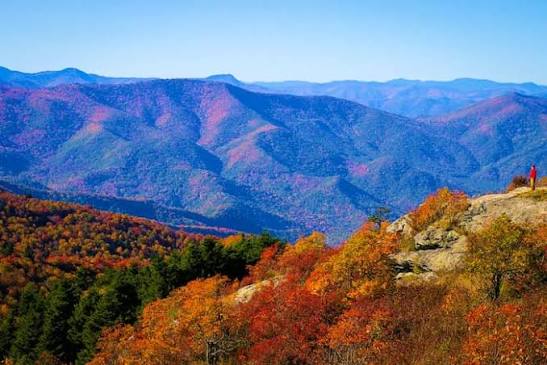
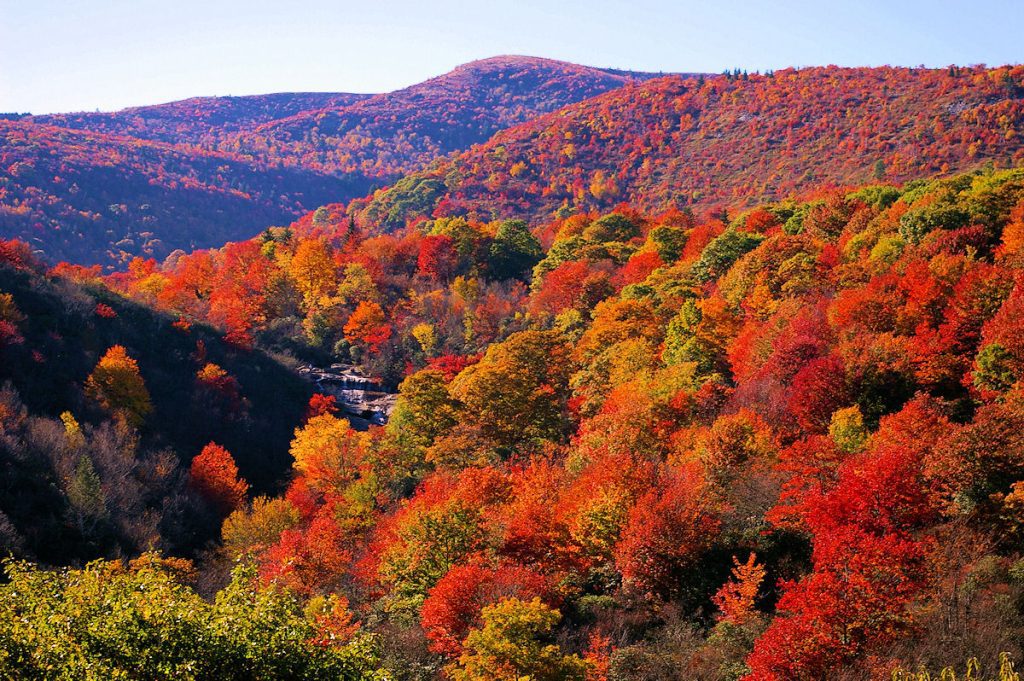
Mid-October (roughly October 10 to 20): 4,000 to 5,000 feet, including most Blue Ridge Parkway overlooks, Craggy Gardens, Linville Falls, Roan Highlands, and the ridges above Maggie Valley. This is the most-searched and most-booked window. Expect full Parkway parking areas on weekends; go on weekdays if possible.
Late October (roughly October 20 to 31): 2,500 to 4,000 feet, including downtown Asheville, Biltmore Estate, Pisgah National Forest, DuPont State Forest, Black Mountain, and Hendersonville. The city itself hits its color peak. This window is often underbooked relative to mid-October because travelers assume foliage is over. It isn’t.
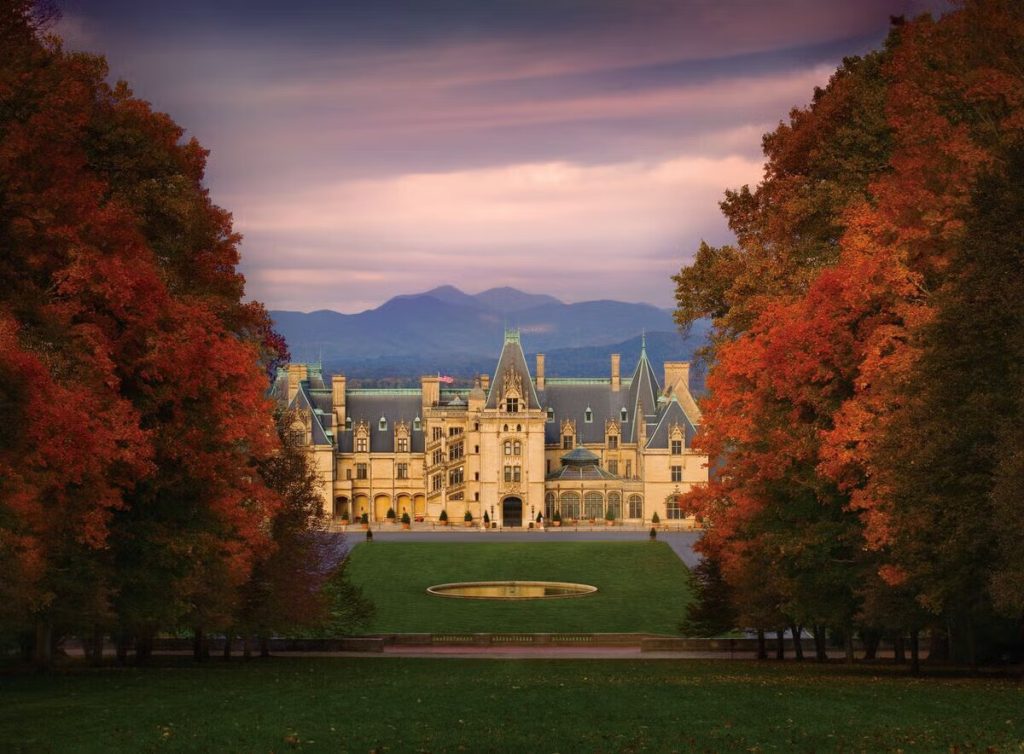
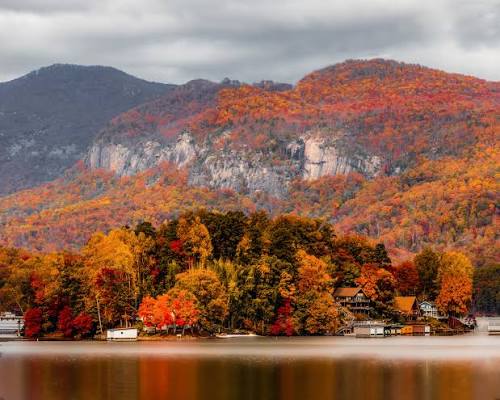
Early November (roughly November 1 to 10): Below 2,500 feet, including Lake Lure, Chimney Rock, Gorges State Park, and the lower foothills. The final act of the season, beautiful and nearly crowd-free.
The bottom line: if you can only visit in one window, mid-October gives you the most simultaneous color across the widest range of elevations. But any week from late September through early November offers genuine foliage, with crowd and pricing conditions that vary significantly across that span.
For real-time color updates as your trip approaches, Explore Asheville’s fall color report is updated weekly through the season.

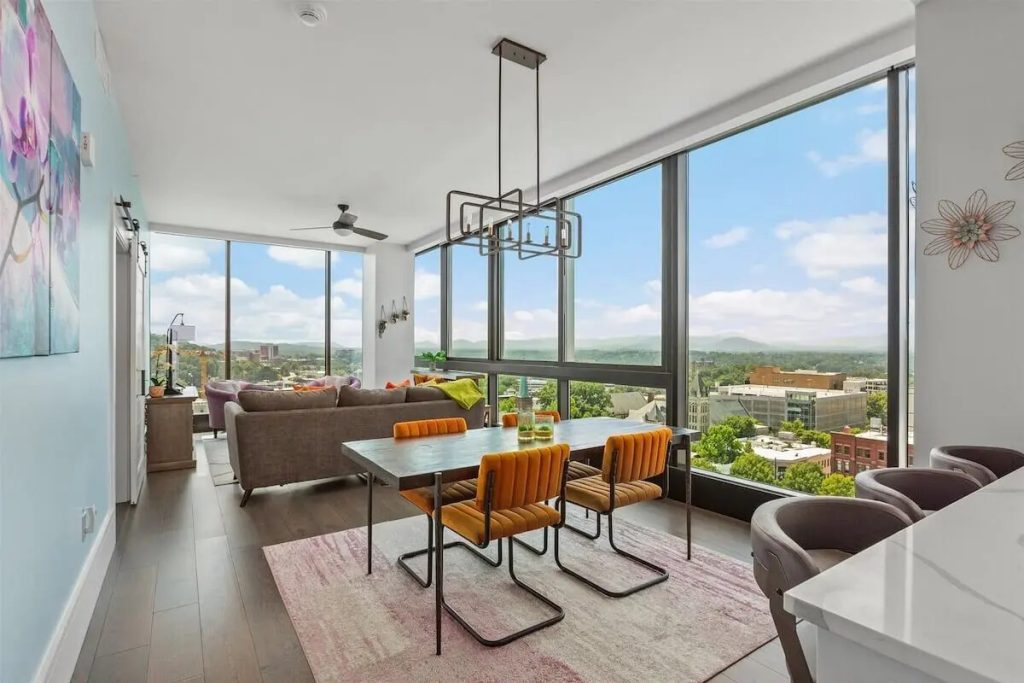
Where to See Fall Color Near Asheville
Blue Ridge Parkway
The 469-mile parkway is the backbone of fall foliage viewing in this region. Near Asheville, the most reliable stops include:
- Craggy Gardens (Milepost 364.6)
- The Folk Art Center overlook (Milepost 382)
- The Linn Cove Viaduct near Grandfather Mountain (Milepost 305)
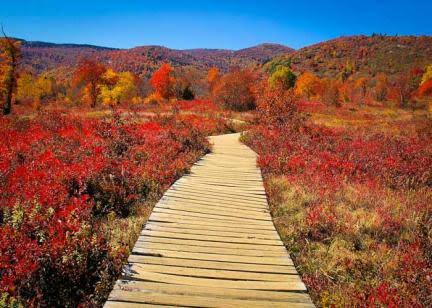
Check NPS.gov for current road and gate closures before you go. Sections close for weather and maintenance, and GPS doesn’t always reflect closures in real time.
Mount Mitchell State Park
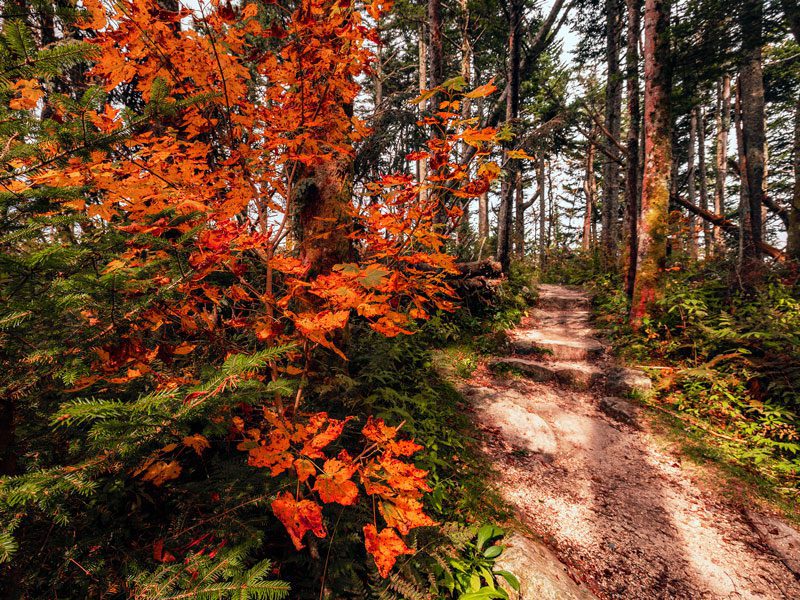
At 6,684 feet, the highest peak east of the Mississippi sees color first and offers views that extend across ridgelines still in full color below. About 35 miles northeast of Asheville via the Parkway. Go in late September or very early October for the high-elevation show.
Biltmore Estate
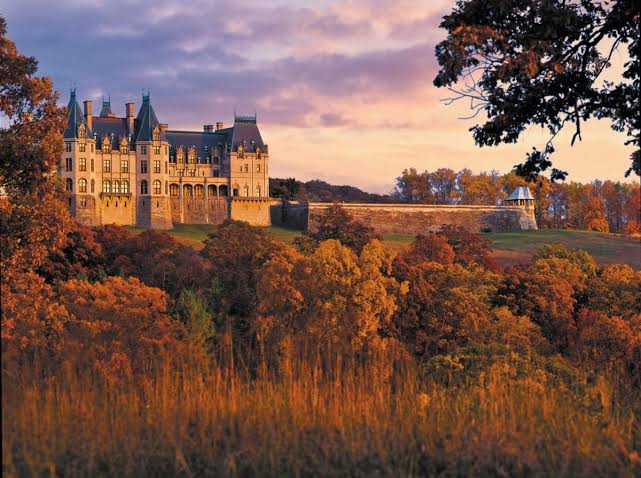
The 8,000-acre grounds hit their foliage peak in late October. The mum display in the Walled Garden is a fall tradition in itself. Estate tickets must be purchased in advance at biltmore.com: walk-up admission is not available and October weekends sell out weeks ahead. Standard daytime admission typically runs $75 to $95 per adult; holiday season tickets can reach $130 or more.
DuPont State Forest
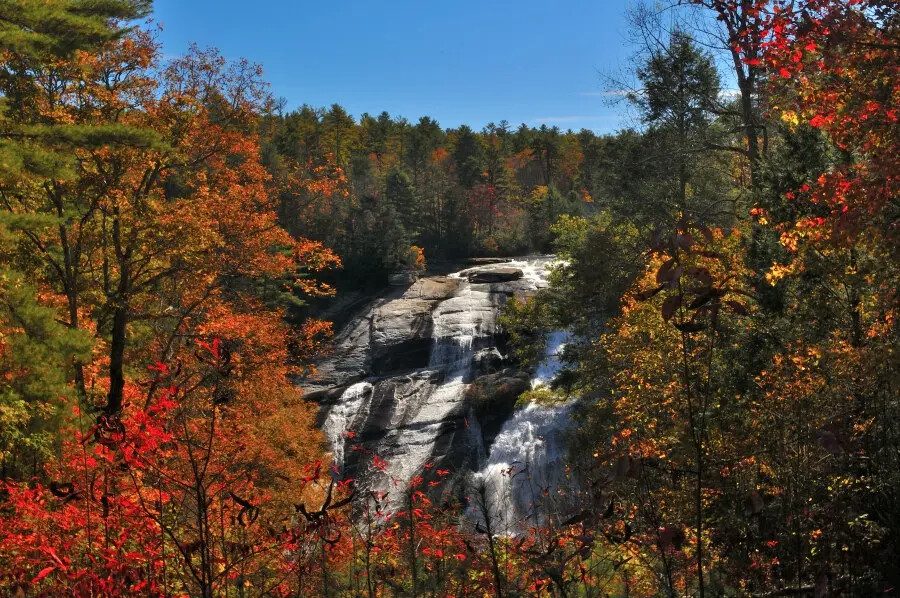
South of Asheville near Brevard, DuPont has some of the region’s best waterfall-plus-foliage combinations. The Triple Falls and High Falls trails are the showpieces. Peaks in late October.
Black Mountain
The small town east of Asheville on I-40 sits at a slightly lower elevation and peaks in late October to early November. It’s quieter than the Parkway crowds, and the downtown State Street makes a good base for a morning walk before heading to trails.
Fall Foliage Tips: What Most Guides Don’t Tell You
Weekdays make an enormous difference. Blue Ridge Parkway parking areas that are completely full on a Saturday morning in mid-October are often half-empty on a Tuesday. If you have flexibility, build your foliage drives around weekdays.
The color varies more than the timing does. Peak dates are relatively consistent year to year. What changes is how vivid the colors are. Wet summers with a dry September tend to produce the most spectacular reds and oranges. Drought years and early hard freezes can mute the display even when timing is right.
Cell service disappears on the Parkway. Download offline maps before you drive. The NPS app has downloadable Parkway maps. GPS will not always know which sections are closed.
The Parkway speed limit is 45 mph maximum. Driving from Asheville to the Linn Cove Viaduct at Parkway speeds takes 2 or more hours each way. Build a realistic day around how far you actually want to go.
Book your October rental in July. Not June. Not August. July. The best properties in every Asheville neighborhood are typically gone by mid-July for peak October weekends. Waiting until August or September means significantly fewer options.
Winter in Asheville: December, January, February
Winter is Asheville’s best-kept secret among experienced travelers.
The crowds are gone. Rental rates are at their lowest point of the year. The brewery and restaurant scene, which runs year-round with no off-season, is at its most relaxed and local. And the bare trees on the mountain ridges reveal long views you can’t see at any other time of year.
Asheville in December
December is when Asheville’s holiday season creates a distinct draw.
- Temperatures: highs around 50°F, lows around 32°F

- The Biltmore Estate is lit up through December with Candlelight Christmas tours
- The Omni Grove Park Inn runs its legendary Gingerbread House Competition display, open for public viewing through early January
- The NC Arboretum’s Winter Lights event runs mid-November through January 4
- A December weekend here feels purposeful rather than slow
Asheville in January and February
January and February are the quietest months, and the right choice for travelers who want Asheville at its most local.
- Temperatures: January highs around 47°F, lows around 27°F; February highs around 52°F, lows around 31°F
- You will not fight for a table at Curate or wait for a bar stool at Burial Beer
- Rental rates are the lowest of the year
- Snow is possible but Asheville rarely gets buried; typically a handful of meaningful snowfalls per winter, with more at higher elevations

- The Blue Ridge Parkway closes in sections for ice and snow; lower-elevation trails and all city attractions remain accessible
- Bare ridgelines reveal long mountain views you simply cannot see through summer foliage
Best for: budget-conscious travelers, couples who prefer quiet, brewery and restaurant-focused trips, remote workers who want a peaceful mountain base.
Book ahead by: 1 to 2 weeks is usually fine for winter, except around Christmas and New Year’s which book more like fall.
Best Time to Visit Asheville by Traveler Type
| Traveler Type | Best Time | Why |
|---|---|---|
| Fall foliage seekers | Mid-October (weekdays) | Peak color at all elevations |
| Value travelers | January to February or May | Lowest rates, still full city experience |
| Hikers | May or September | Ideal temps, less crowded trails |
| Families | June or late July | Full summer energy, school vacation |
| Couples / romantic trips | November or March | Quiet, cozy, good restaurant availability |
| Biltmore Estate visitors | Late October or April | Peak foliage or peak garden bloom |
| Beer and food focused | Any time | Asheville’s food and brewery scene runs year-round |
| Large groups | January to February or May | Best availability, lowest rates for multi-bedroom properties |
When to Book Your Asheville Vacation Rental
The booking timeline in Asheville is driven almost entirely by which season you’re targeting.
- For fall foliage (October): Book in July. The best multi-bedroom properties in every neighborhood are typically claimed by mid-July for peak October weekends. Waiting until August or September means significantly fewer options.
- For summer (June to August): Book 2 to 3 months out. July 4th weekend needs 4 to 5 months.
- For spring (April to May): Book 6 to 8 weeks out for peak Biltmore garden weekends in late April and peak rhododendron bloom in May.
- For winter (December to February): 1 to 2 weeks is usually sufficient, except Christmas and New Year’s, which need 4 to 6 weeks.
Why booking direct saves you money in every season.
On a typical fall Asheville rental, say a four-bedroom West Asheville house at $350 a night for a long weekend, Airbnb’s 15 to 25% service fee adds $210 to $350 to your total before you’ve checked in. That’s the difference between affording an extra Biltmore ticket or a dinner at Curate.
Stay connects you directly with professional Asheville hosts: no platform service fee added to your booking. You see the host’s rate, you pay the host’s rate. Stay has vacation rental listings across all Asheville neighborhoods, from downtown historic lofts to large group properties in South Asheville and Weaverville.
Also see our complete guide to the best areas to stay in Asheville for a neighborhood-by-neighborhood breakdown.
Frequently Asked Questions
What is the best time to visit Asheville, NC?
May and September are the best overall months: mild weather, full city experience, and lighter crowds and pricing than peak summer or October. For fall foliage specifically, mid-October is peak but also the most competitive window for accommodation; late September offers genuine high-elevation color with far less competition.
When is Asheville fall foliage peak?
It depends on elevation. High elevations above 6,000 feet, including Mount Mitchell and Graveyard Fields, peak in late September to early October. The Blue Ridge Parkway at 4,000 to 5,000 feet peaks in the second week of October. Downtown Asheville and Biltmore Estate, around 2,200 feet, peak in late October. The season effectively runs from late September through early November; you don’t need to hit mid-October specifically to see exceptional color.
How far in advance should I book an Asheville vacation rental for fall foliage?
Book in July for October travel. The best properties across all Asheville neighborhoods are typically claimed by mid-July for peak October weekends. Waiting until August or September significantly limits your options, especially for larger group properties and popular neighborhoods like West Asheville and North Asheville.
Is Asheville crowded in October?
Yes. October is the most crowded month of the year. The second and third weeks in particular see massive demand for accommodation, Blue Ridge Parkway parking, and downtown restaurants. Visiting on weekdays makes a significant difference. If crowds are a concern, late September or early November offer similar foliage with far lighter competition.
What is the cheapest time to visit Asheville?
January and February are the cheapest months across accommodation, restaurants, and activities. Rental rates are at their annual low, and the city’s food and brewery scene runs year-round without tourist pricing. March is also good value before spring travel begins to build.
Is Asheville worth visiting in winter?
Yes, particularly for travelers who want the city’s food, brewery, and arts scene without the tourist energy. January and February offer the lowest rates and the most relaxed atmosphere of the year. The Blue Ridge Parkway closes in sections for ice and snow, but city hiking, Biltmore Estate, and all indoor attractions remain accessible. December adds a genuine holiday draw with Biltmore Christmas tours and the NC Arboretum’s Winter Lights.
What is the weather like in Asheville in October?
October is one of Asheville’s driest and most comfortable months. Average highs run 68°F with lows around 46°F. Mornings and evenings are crisp; pack a jacket and layers. Rainfall is minimal compared to summer. It’s the most pleasant outdoor weather of the year, which is part of why October is so heavily booked.
Where is the best place to see fall foliage near Asheville?
The Blue Ridge Parkway is the backbone of foliage viewing: Craggy Gardens (Milepost 364.6), the Linn Cove Viaduct (Milepost 305), and the Folk Art Center overlook (Milepost 382) are the top stops near Asheville. For the earliest color, Mount Mitchell State Park peaks in late September. For a full estate-and-foliage experience, Biltmore peaks in late October. DuPont State Forest near Brevard combines waterfalls with late-October color and is significantly less crowded than the Parkway.
Planning your Asheville trip? Browse vacation rentals on Stay — no service fees, book directly with the host. And see our complete Asheville neighborhood guide to find the right base for your trip.