
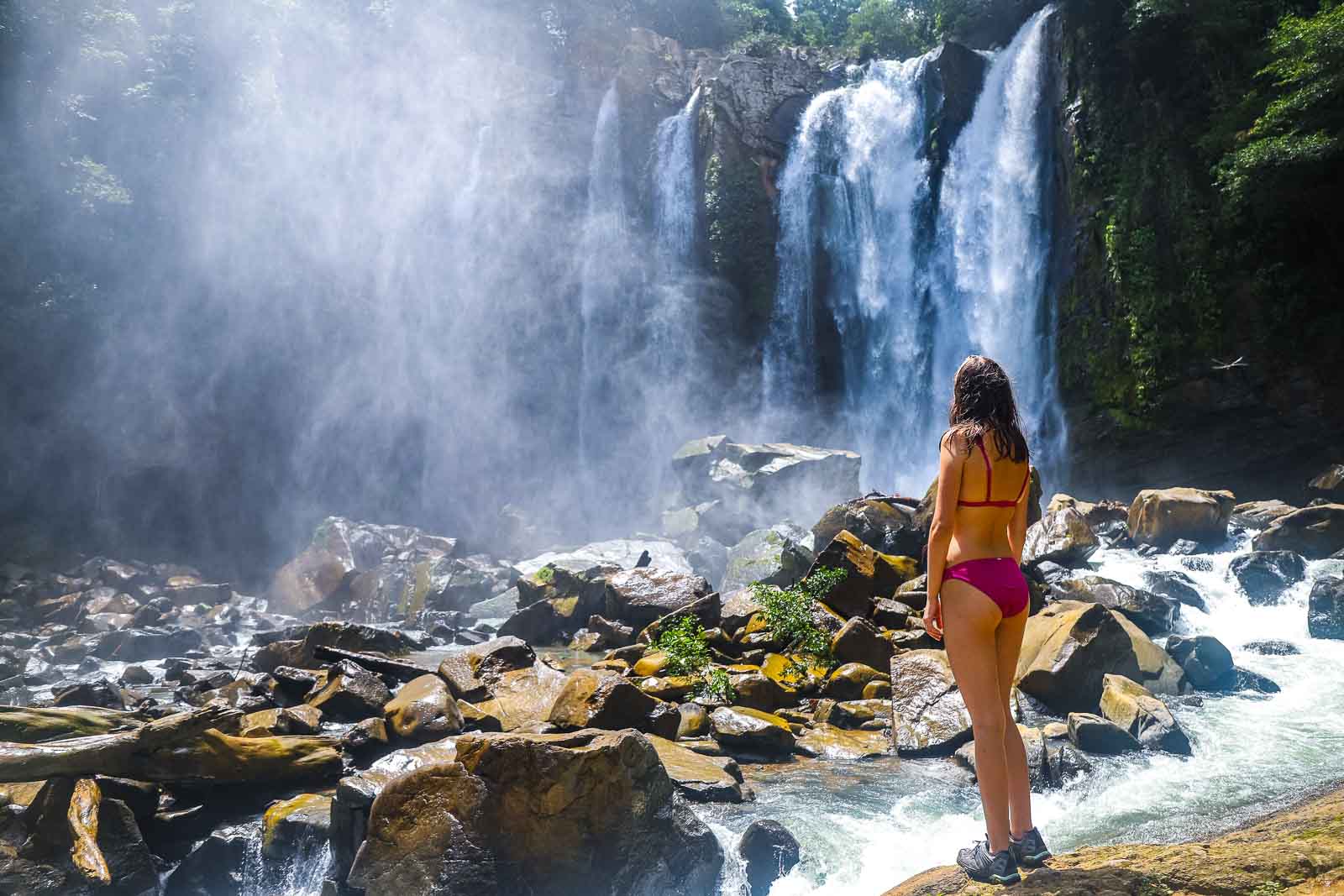
Ojochal is a small jungle village on Costa Rica’s South Pacific coast that most travelers drive past without stopping. That’s their mistake.
Tucked between Uvita to the north and the Osa Peninsula to the south, this low-key community has developed a reputation far beyond its size, largely because of a concentration of gourmet restaurants that would be remarkable in a city, let alone a village where howler monkeys wake you up at dawn. There’s no real downtown, no nightclub strip, and no fast-food chain within 40 minutes. What Ojochal does have is wild beaches, accessible waterfalls, serious food, and one of the most biodiverse stretches of coastline in Central America right on its doorstep.
This guide covers the practical details you need for a first visit like what to do, where to eat, which beaches are actually swimmable, how it compares to Uvita, and everything you need to know before you arrive.
At a Glance: Things To Do in Ojochal, Costa Rica
| Category | Details |
| Location | South Pacific coast, Puntarenas Province; 3.5-4 hours south of San José via Route 34 |
| Nearest towns | Uvita (20 min north), Dominical (40 min north), Sierpe (30 min south) |
| Nearest airports | Palmar Sur (PMZ) — 45 min; San José SJO — 3.5-4 hours by car |
| Best time to visit | December-April (dry season); July-October for whale watching |
| Avg. daily high temp | 77-85°F year-round; higher in dry season |
| Car required? | Yes — essential. No public transit within the village |
| Primary draws | Restaurants, wildlife, Cascada El Pavon, Marino Ballena NP day trips |
| Best for | Couples, food-focused travelers, nature seekers, groups wanting seclusion |
| 4×4 needed? | Not on main roads; helpful during rainy season for some beaches and waterfalls |
Things to Do in Ojochal, Costa Rica: Nature, Adventure, and Day Trips
Ojochal doesn’t have an activity strip or a tour operator on every corner. The things worth doing here either require a short drive or a bit of advance planning, and most of them benefit from an early start before the heat picks up.
Cascada El Pavon
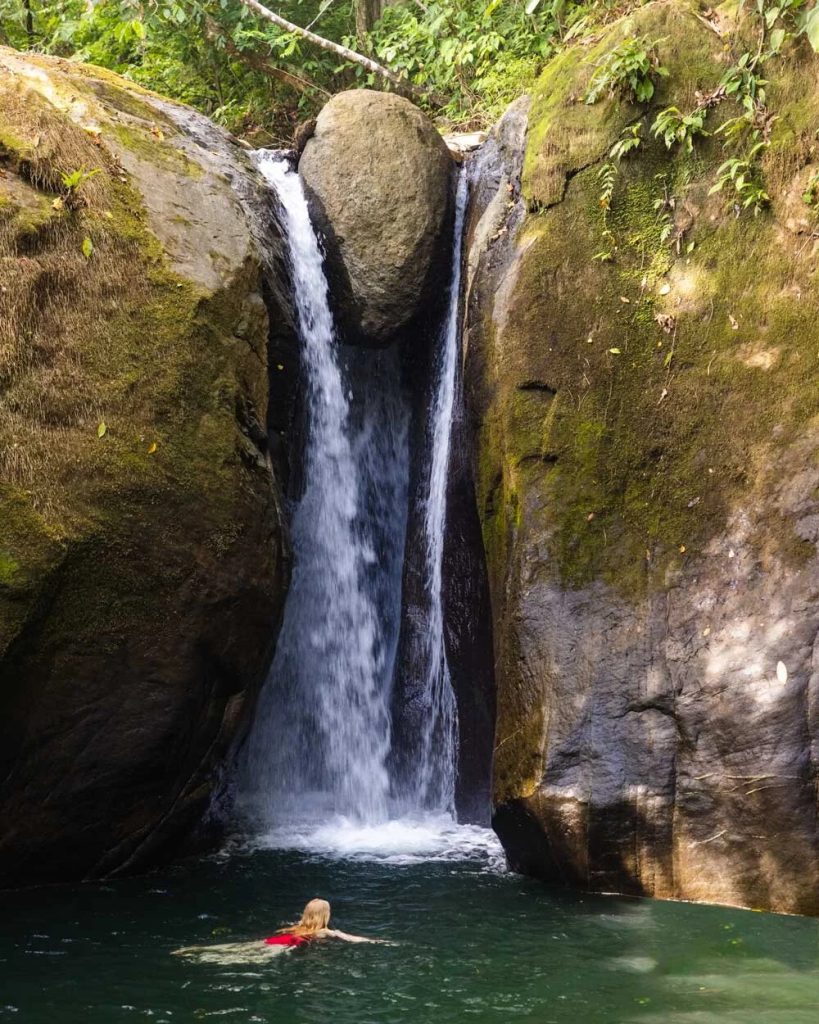
This is Ojochal’s most accessible waterfall and one of the best low-key swimming spots in the South Pacific. The trail down is short, well-maintained, and has a handrail, making it manageable for most fitness levels. Water crashes into a shallow turquoise pool with a large boulder wedged in the middle, and the surrounding jungle blocks out most of the midday heat.
Entry is minimal and goes toward supporting the local family who maintains the site. Find it by driving south on Route 34 past the village, turning left at the sign, continuing about 4 kilometers on gravel road past Tilapia El Pavon restaurant, and watching for the small sign on the left. The falls look dramatically different between dry and rainy season, so don’t expect the same volume in March that you’d see in September.
Playa Ventanas Sea Caves
A 10-minute drive south of the village center, Playa Ventanas is the most distinctive beach near Ojochal. At low tide, you can walk directly through naturally formed sea caves carved into the headland — “ventanas” means windows, and the name earns it.
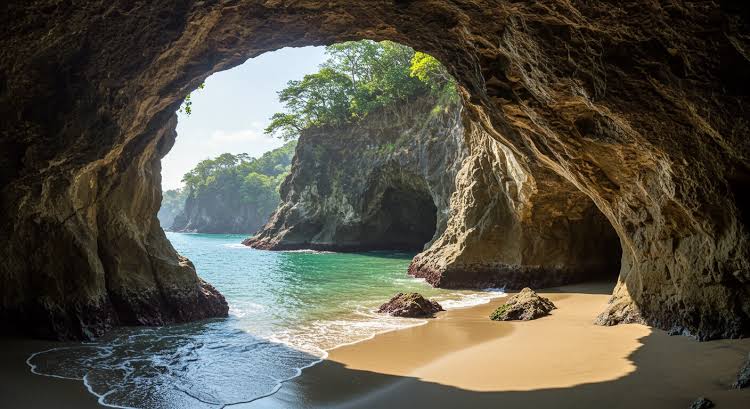
The swimming is decent when conditions are calm, but check the tide chart before heading down; the caves are inaccessible at high tide and the access path requires navigating some rocks. Go early because it’s a popular stop for day visitors from Uvita and gets more crowded by mid-morning.
Playa Tortuga
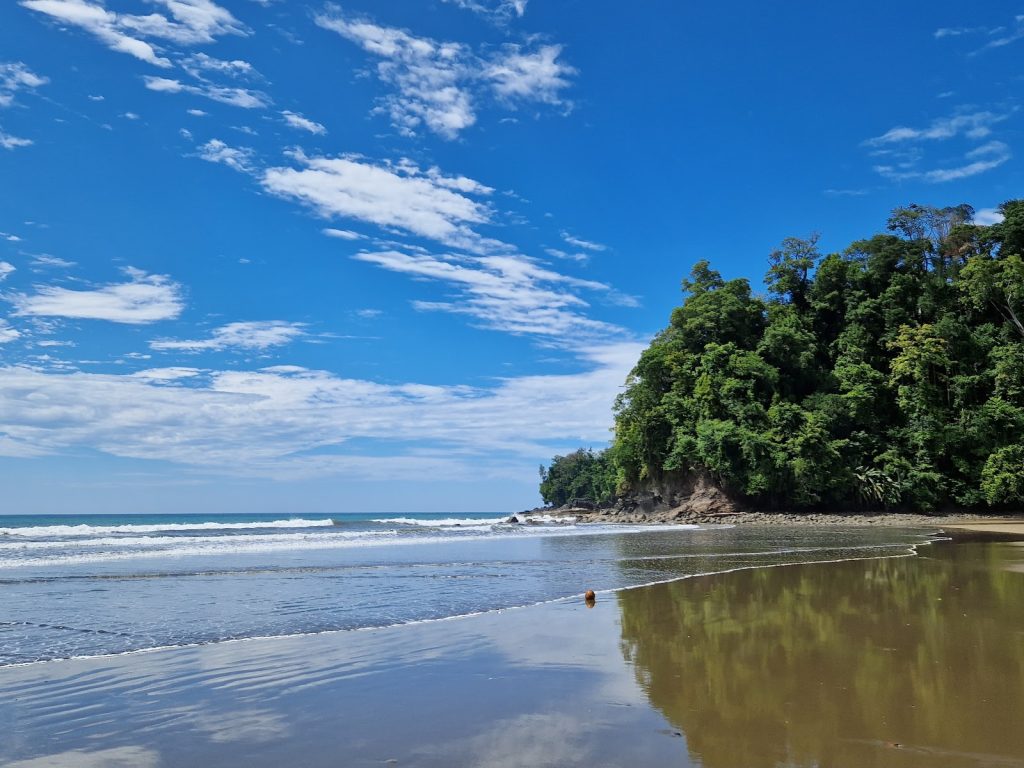
Further south, Playa Tortuga is a long stretch of darker sand backed by jungle with a sea turtle conservation project operating seasonally. It’s more scenic than swimmable, with strong currents in sections, but it delivers the kind of isolated-Costa Rica-beach experience that’s harder to find north of Ojochal.
There’s a protected reserve on the property. If sea turtle nesting is a draw for your trip, ask locally about current season timing, as it varies year to year.
Playa Piñuelas and Playa Arco
These two beaches are south of the main village, less visited than Ventanas, and worth tracking down if you have a car and an appetite for exploration.
Playa Arco has a small cave accessible on foot and a secluded feel even in dry season. Currents at both beaches can be strong, so get local advice before swimming.
Térraba-Sierpe Mangroves
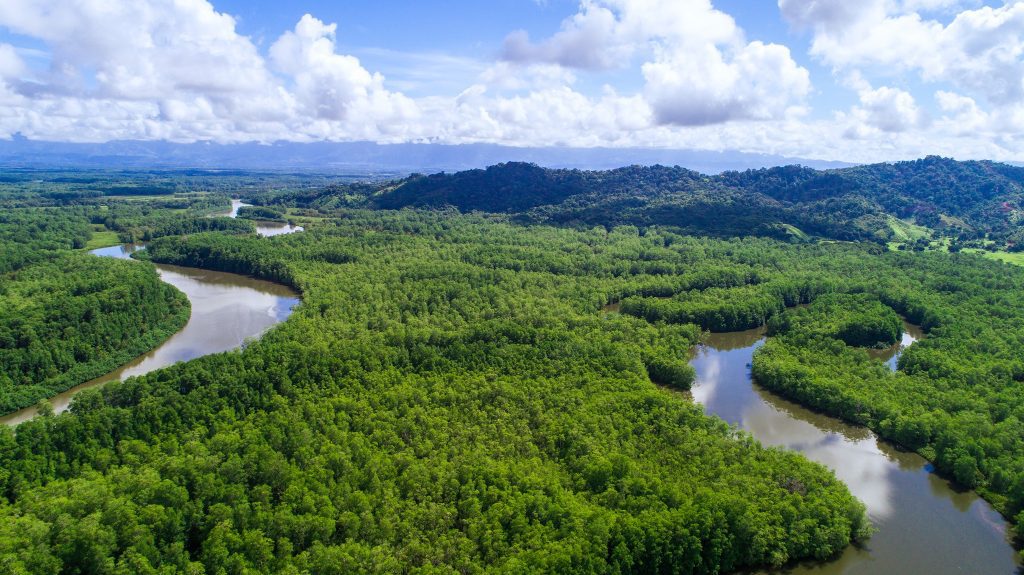
About 30 minutes south of Ojochal, the Terraba-Sierpe wetland system is one of the largest mangrove ecosystems in Central America. Kayak tours from this area typically run 3 hours, cost $55-70 USD per person, and include guide service through the shaded waterways.
Morning and sunset departures offer the best wildlife conditions to spot herons, kingfishers, howler monkeys, and if conditions align, a crocodile on a sunlit bank. This is not a flashy activity, but it’s the kind of experience that tends to stick. Wear fast-drying clothes and apply waterproof sunscreen even under tree cover, since the water reflects more light than most people expect.
Nauyaca Waterfalls
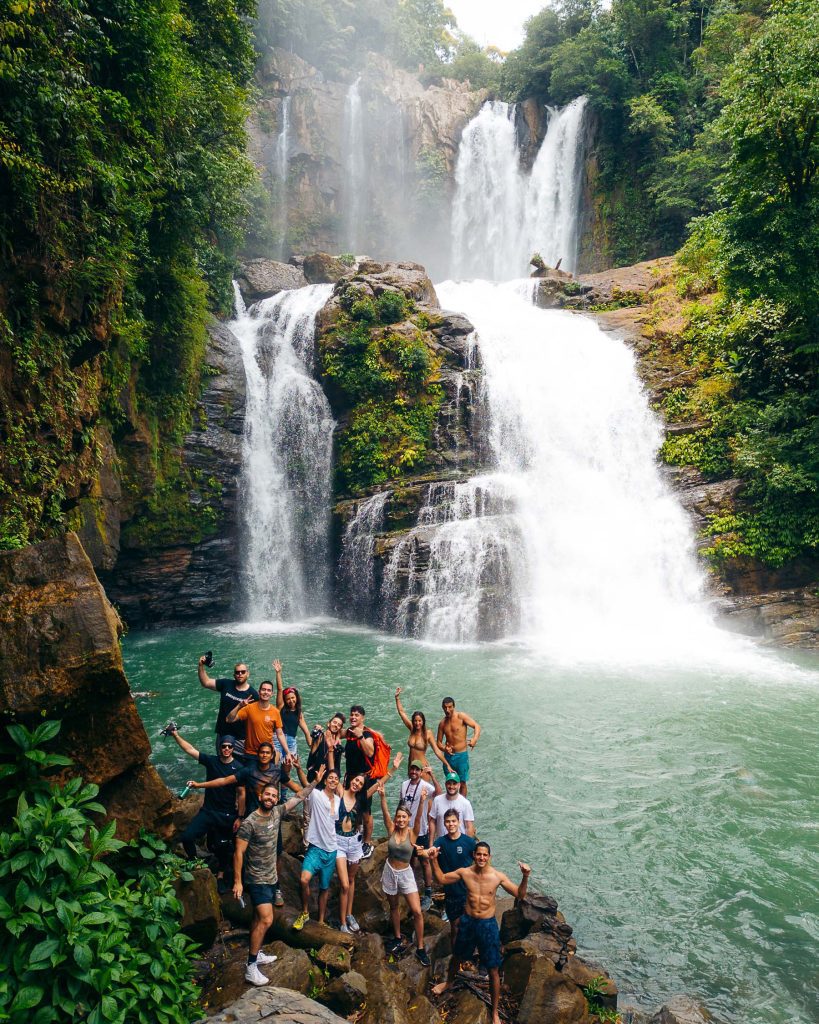
Technically closer to Dominical (about 40 minutes north), Nauyaca is the most dramatic waterfall day trip from Ojochal and worth planning a full day around. Two sets of falls measure a combined 200 feet, with the lower falls offering a large swimming pool fed by a 147-foot cascade. Access options include horseback, 4×4 truck, or a 3-hour hike each way. Full-day guided tours from the Ojochal area run approximately $135 USD and include meals. Book in advance during dry season as spots fill up, particularly January through March.
Finca 6 UNESCO Stone Spheres
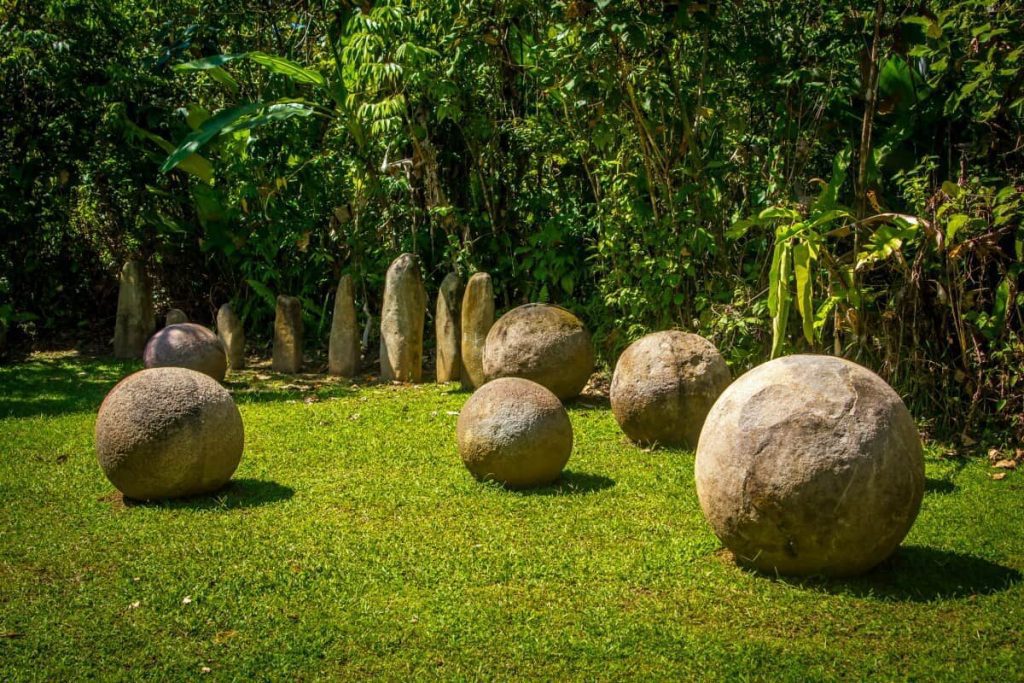
About 35 minutes south, Finca 6 houses Costa Rica’s most accessible collection of prehistoric Diquís stone spheres, declared a UNESCO World Heritage Site in 2014.
The spheres date from approximately 800-1500 AD, range from perfectly round grapefruit-sized stones to multi-ton boulders, and remain partly unexplained despite decades of archaeological study. Admission is $7 USD for foreign adults, open Tuesday through Sunday 8 a.m.- 4 p.m. The site has short self-guided trails, bilingual signage, and free lockers. Combine it with a stop at the Terraba-Sierpe mangroves and you have a strong full-day excursion.
Find Your Stay Near Nature
Marino Ballena National Park and Whale Watching
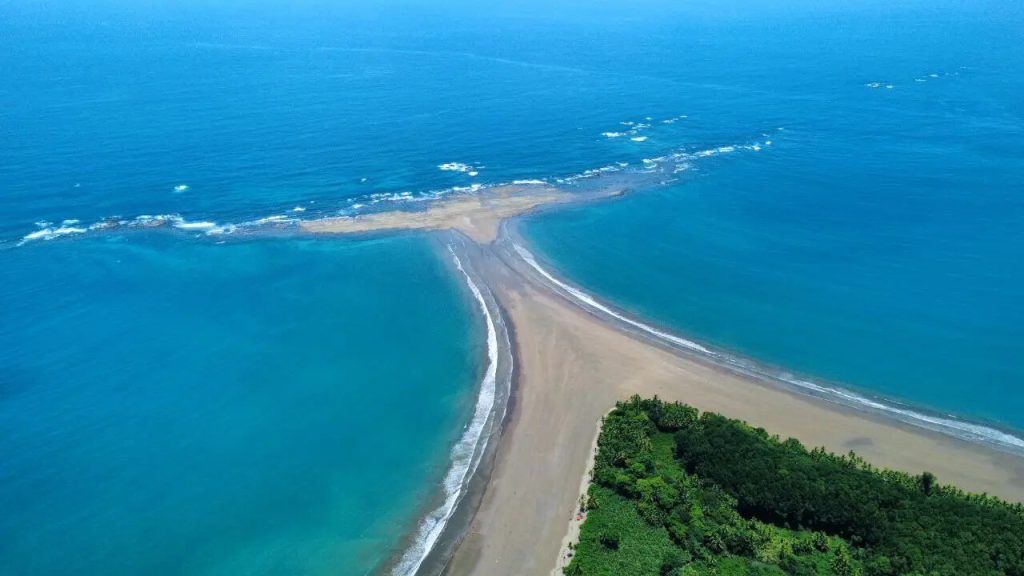
Uvita is 20 minutes north, and Marino Ballena National Park is one of the strongest reasons to base yourself in the Ojochal area. The park’s famous Whale Tail sandbar reveals itself at low tide and is best seen on foot from the beach.
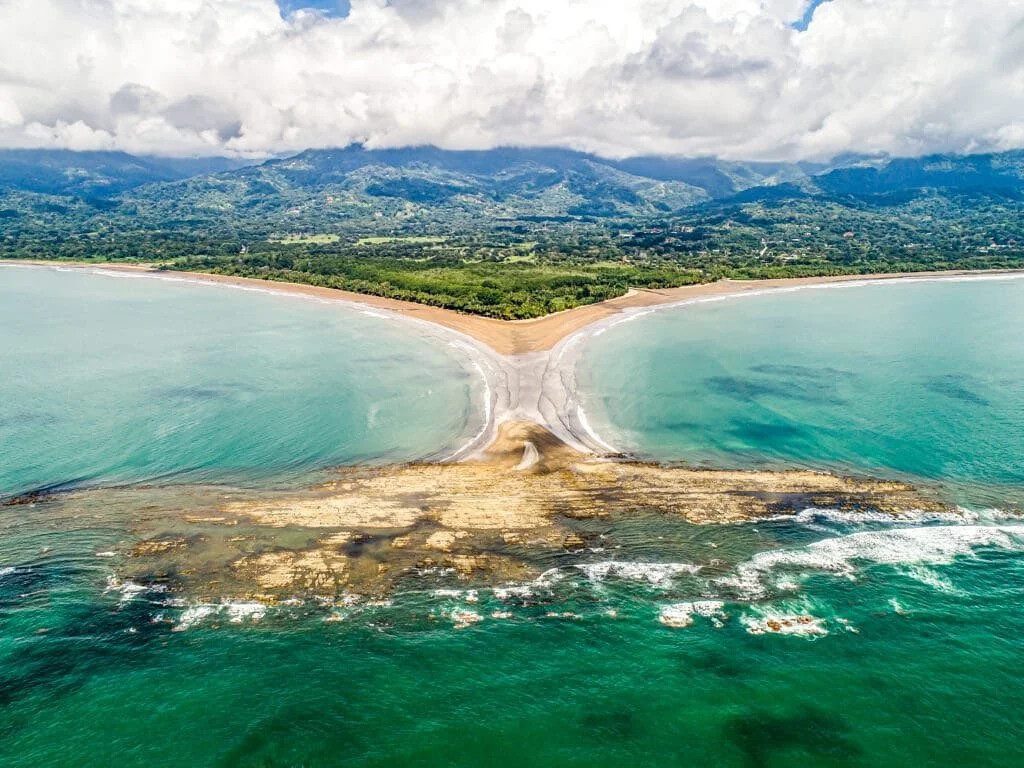
Whale watching tours depart from the park during two peak seasons: July through October (humpbacks from the Southern Hemisphere) and mid-December through April (humpbacks from the Northern Hemisphere). Tours run approximately $93+ USD per person for a 3-hour boat excursion. The park entry fee is $6 per person. Go early, as the Whale Tail sandbar disappears as the tide comes in.
Restaurants in Ojochal, Costa Rica
The food scene in Ojochal is the single most unexpected thing about the village, and it’s worth covering in detail because it’s the reason many repeat visitors choose this area over Uvita or Dominical. French and Canadian expats began arriving in the 1990s and 2000s, and instead of building surf shops, they opened restaurants. The result is a cluster of gourmet dining options within a few kilometers that collectively punch well above what any town of this size should be able to deliver.
Most restaurants in Ojochal are dinner-only and closed on Mondays. Reservations are strongly recommended at the top spots, particularly on weekends and during dry season peak weeks.
Citrus
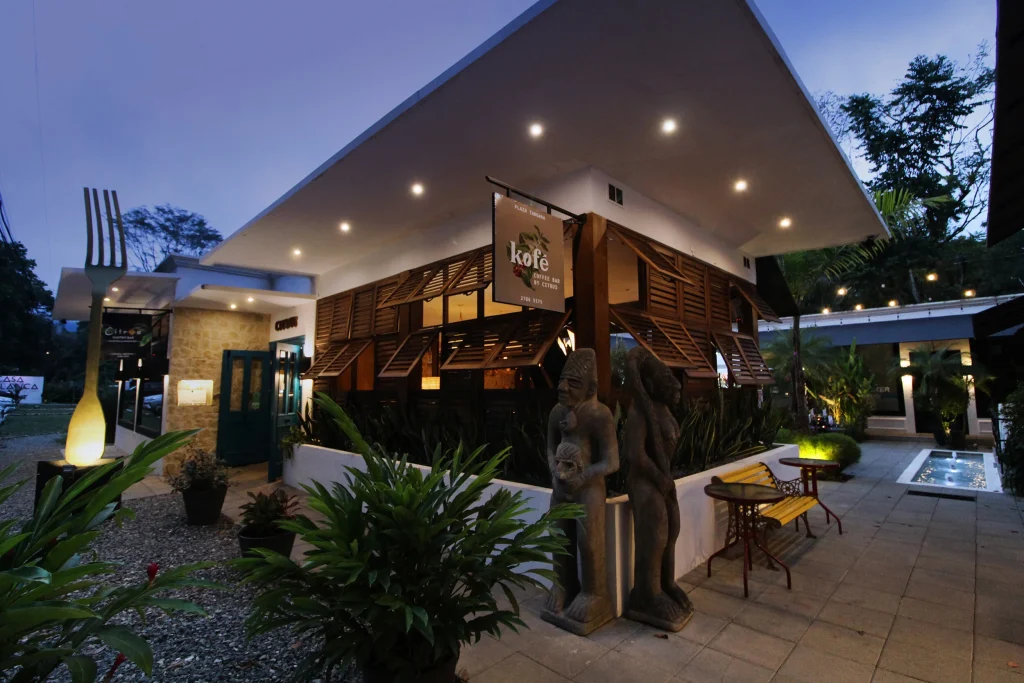
It’s the most widely recognized restaurant in Ojochal and a reliable starting point for first-timers.
The setting is open-air with a leafy canopy overhead, and the menu blends Costa Rican ingredients with French technique — ceviche with mango and jalapeño, seared tuna, fresh local seafood prepared with more care than most coastal restaurants in the country. Budget $20-30 USD per person before wine, which you should order. The wine list is short but thoughtful.
Exotica
This is Ojochal’s most eclectic dining option. The French-Canadian owners built a menu that travels widely: Vietnamese-spiced chicken soup, French pâté, filet mignon, Indonesian-influenced dishes. Entrees start around $12 and run to $46 for the surf and turf.
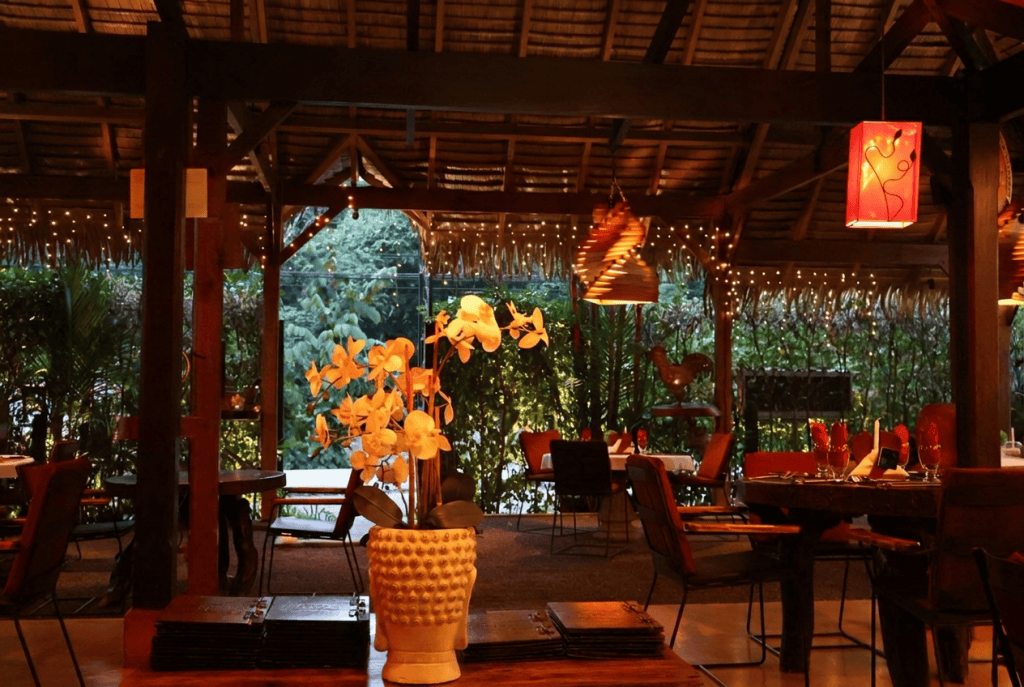
The setting is romantic and open-air, the service is leisurely, and the plating is more artistic than the gravel parking lot suggests it will be.
Kua Kua at Hotel Three Sixty
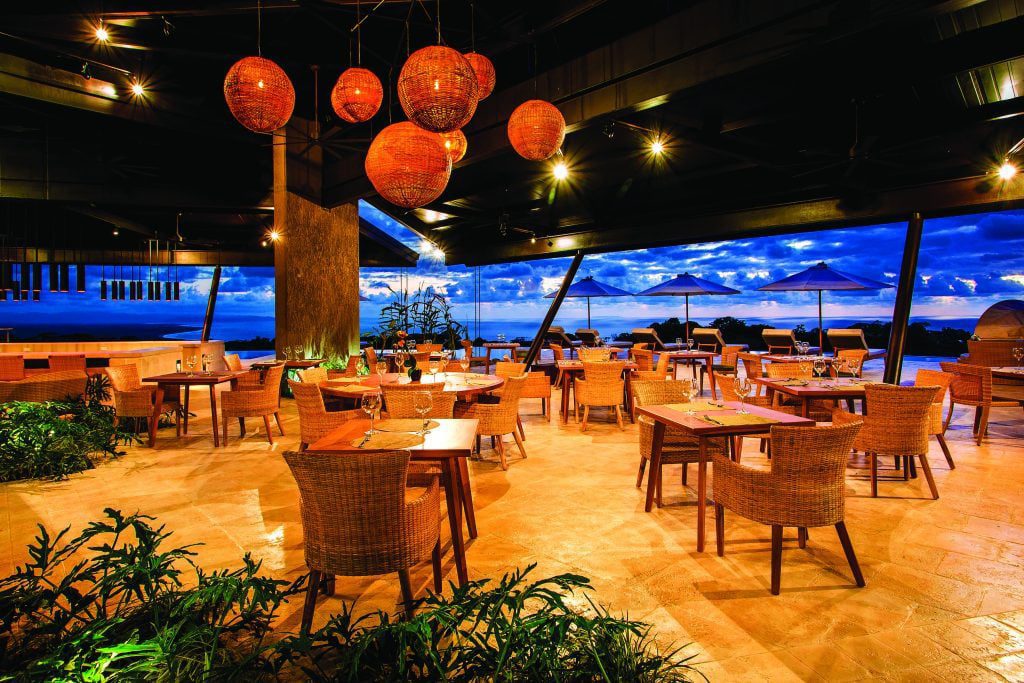
It’s the only restaurant on this list with an ocean view. Located at Hotel Three Sixty above the village, Kua Kua is consistently rated one of the best date-night restaurants in the South Pacific region.
Aim for a 5:15 p.m. dinner reservation to catch the Pacific sunset from the terrace. The raw tuna appetizer is the standard recommendation from people who eat here regularly.
The Bamboo Room
This is the most social option in Ojochal, with live music most weeks, a full bar, pool tables, and a second-floor treehouse area overlooking the jungle.
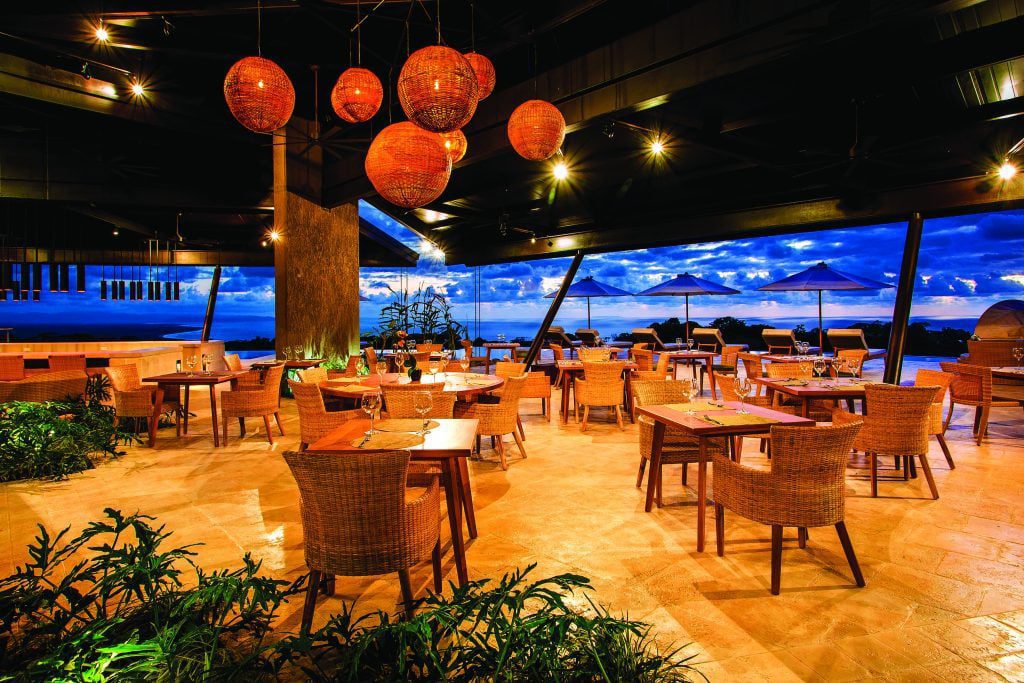
The menu has solid tropical cocktails, vegetarian and vegan options, and the kind of relaxed vibe that makes it a natural gathering spot. It’s the closest Ojochal gets to a nightlife venue without being one.
Heliconia
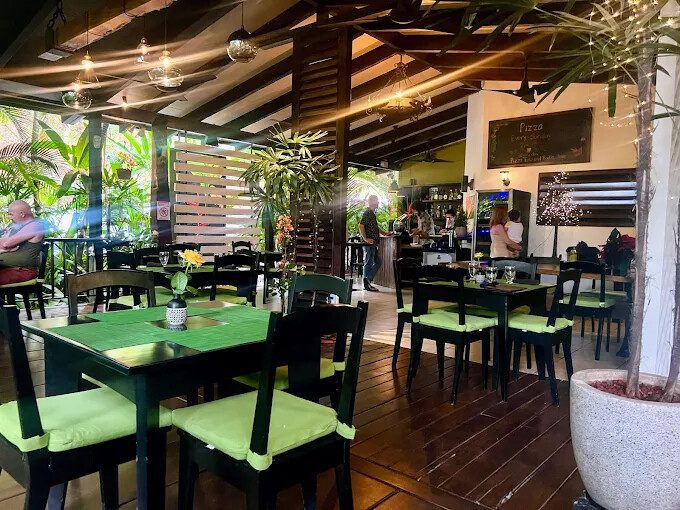
This is a more casual option with a comfortable open-air dining room surrounded by tropical plants. The fusion menu blends American and Costa Rican styles, with the salmon in orange and passion fruit sauce over caramelized apples appearing repeatedly in visitor write-ups.
The heliconia salad is a consistent recommendation from locals.
Best Beaches Near Ojochal Costa Rica
The best beaches near Ojochal Costa Rica require more navigation than in Tamarindo or Manuel Antonio, where everything is clearly signposted and accessible from the main hotel strip. Here’s a practical breakdown.
| Beach | Drive from Ojochal | Swimming | What Makes It Worth It |
| Playa Ventanas | 10 min south | Yes (calm conditions) | Sea caves accessible at low tide; distinctive coastal geology |
| Playa Tortuga | 15 min south | Caution (currents vary) | Sea turtle conservation; secluded; long stretch of wild beach |
| Playa Piñuelas | 15 min south (inside Marino Ballena NP) | Yes | Quiet; inside national park; fishing boats at one end |
| Playa Arco | 20 min south | Caution | Cave accessible on foot; very secluded; limited infrastructure |
| Playa Uvita (Whale Tail) | 20 min north | Yes | Famous Whale Tail sandbar at low tide; Marino Ballena NP |
| Playa Ballena | 20 min north | Yes (snorkeling) | Protected; good for snorkeling and seasonal whale watching |
Beach safety in this region deserves an honest note. Rip currents are a genuine concern at multiple beaches between Dominical and Ojochal. Get local advice before swimming anywhere new, watch for posted flags, and if you’re unsure about conditions, ask at your accommodation. The most calm swimming beaches in the area are Playa Piñuelas (inside Marino Ballena) and Playa Ventanas in calm weather.
Ojochal vs. Uvita Costa Rica: Which Town Should You Stay In?
This is the question most South Pacific first-timers face.
- Uvita — It’s the larger, more practical base. It has more restaurants, more tour operators, more accommodation options, a bigger supermarket, a gas station, and easier access to Marino Ballena National Park’s main entrance. It’s also noticeably busier, particularly in dry season, when the beach fills with a mix of Costa Rican families and international visitors.
- Ojochal — It’s quieter, more residential, and has a smaller expat community feel that shapes everything about it including the restaurants. It’s the right choice if food is a significant priority, if your group wants more seclusion, or if you want fewer people on the beach and fewer tour vans on the main road. The trade-off is that you’ll drive 20 minutes north for most Marino Ballena-related activities.
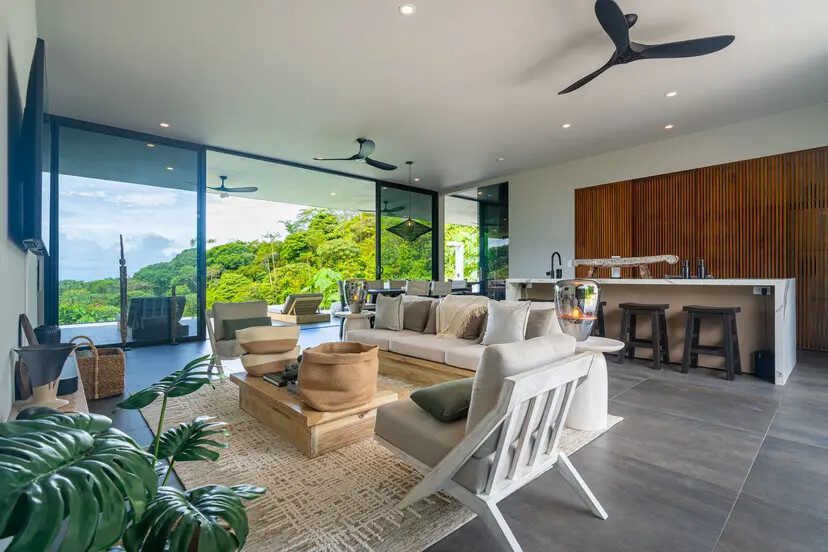
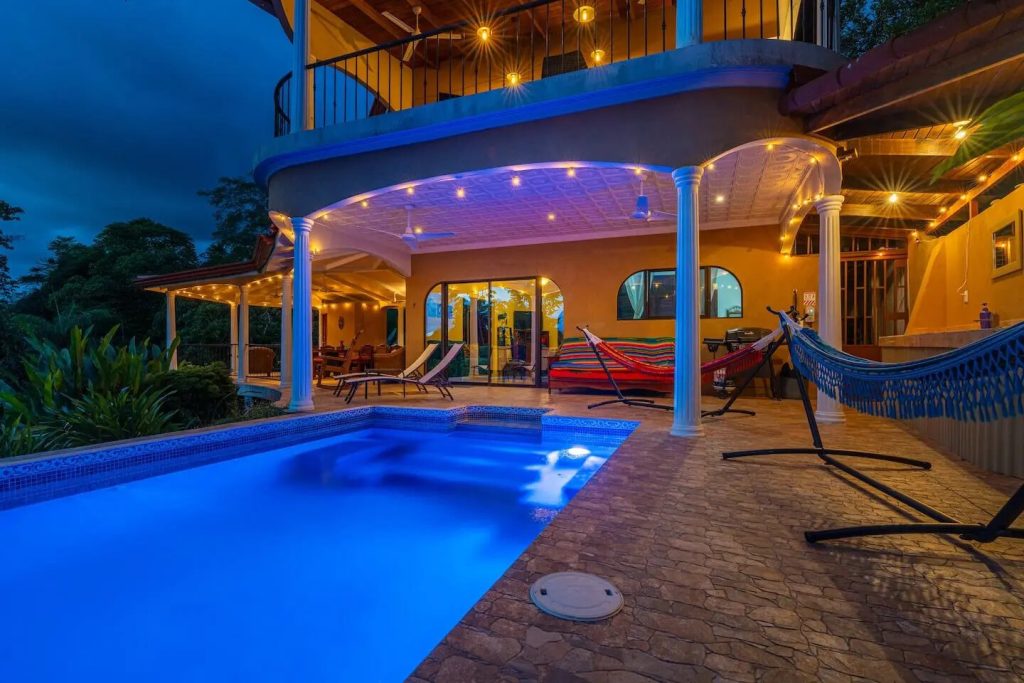
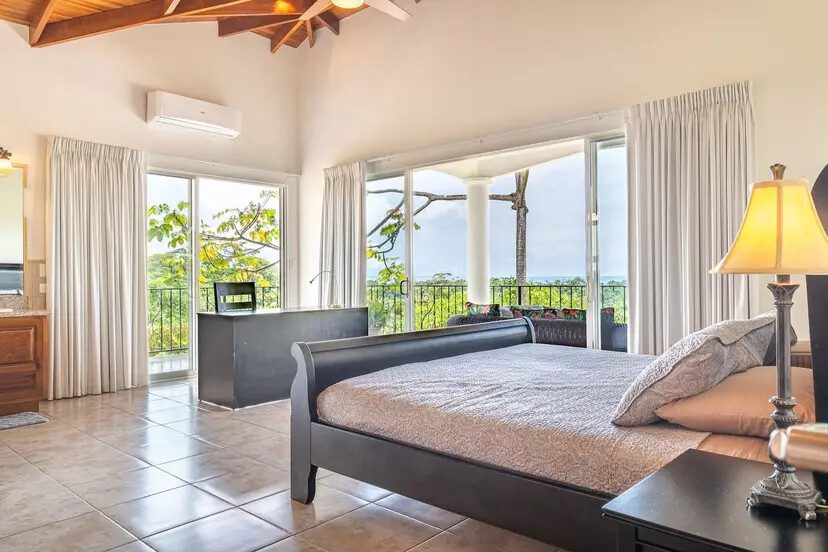
Vacation rental homes in Ojochal tend to sit in jungle settings with private pools and views that are harder to find at the same price point in Uvita. For groups splitting costs across multiple guests, a well-positioned Ojochal villa with a private pool often makes more sense than multiple hotel rooms in Uvita, particularly for stays of four nights or longer.
Practical Tips Before You Go
- Getting there: From San José, drive south via Route 27 to Jacó, then continue on Route 34 (Costanera Sur) through Quepos, Manuel Antonio, Dominical, and Uvita. Ojochal is approximately 3.5-4 hours from San José in good traffic. The coastal road is paved and scenic. An alternative is flying into Palmar Sur (PMZ) on a domestic flight from San José, which puts you about 45 minutes from the village.
- Car rental: This is non-negotiable. There’s no public transit within Ojochal and taxis won’t wait for you at a waterfall. A standard vehicle handles Route 34 and the main village roads without issue. During rainy season, a high-clearance vehicle or 4×4 adds comfort on gravel roads to waterfalls and more remote beaches. Budget $25-50 USD/day for a standard car; $80+ for a 4×4.
- ATMs: There are no ATMs in Ojochal village. The nearest banking is in Uvita, 20 minutes north. Withdraw cash before you arrive. Many restaurants accept credit cards; many smaller local spots are cash only.
- Gas: Fill up in Uvita before continuing south. Gas stations are sparse beyond there.
- Cell signal: It’s patchy inside the village and on back roads. Download offline maps before you arrive.
- Rainy season: Ojochal receives heavy rainfall from approximately May through November, with the wettest months typically September and October. Roads stay passable, activities continue, and the landscape turns intensely green, but afternoon rain is near-daily. If your priority is guaranteed beach weather, December through April is the more reliable window.
- Restaurants: Most dinner restaurants close on Mondays. Most are also closed for lunch. Plan for late-afternoon dinner reservations (5-6 p.m.) to catch sunset views at Kua Kua, and book in advance for Citrus and Exotica during peak season.
Frequently Asked Questions
What are the best things to do in Ojochal, Costa Rica?
The top activities in Ojochal include swimming at Cascada El Pavon waterfall, exploring the sea caves at Playa Ventanas at low tide, whale watching at nearby Marino Ballena National Park, kayaking the Terraba-Sierpe mangroves 30 minutes south, and the full-day Nauyaca Waterfalls excursion near Dominical. The restaurant scene is also a genuine draw: Citrus, Exotica, and Kua Kua at Hotel Three Sixty are among the best restaurants on the entire South Pacific coast.
What are the best restaurants in Ojochal, Costa Rica?
Citrus is the most recognized spot, serving French-influenced seafood and local ingredients in an open-air setting for around $20-30 per person. Exotica is the most eclectic, with a wide-ranging international menu and a leisurely pace. Kua Kua at Hotel Three Sixty is the best for sunset views, with dinner starting around 5:15 PM. The Bamboo Room is the most social, with live music and tropical cocktails. Pancito Café handles breakfast and lunch. Most restaurants are closed Mondays and dinner-only.
What are the best beaches near Ojochal, Costa Rica?
Playa Ventanas is the standout for its natural sea caves accessible at low tide. Playa Piñuelas inside Marino Ballena National Park is calm and reliably swimmable. Playa Tortuga is scenic and secluded but has variable currents, so check locally before swimming. Playa Uvita, with its famous Whale Tail sandbar visible at low tide, is 20 minutes north and one of the most photographed beaches in the region.
Is Ojochal better than Uvita for a South Pacific trip?
That depends on your priorities. Uvita has better practical infrastructure, closer access to Marino Ballena National Park’s main entrance, and more accommodation variety. Ojochal has a quieter character, a stronger restaurant scene, and more vacation rental homes with private pools in jungle settings. Travelers who prioritize food and seclusion over convenience generally prefer Ojochal; first-timers who want everything accessible tend to do better based in Uvita.
What is Cascada El Pavon in Ojochal?
Cascada El Pavon is a small but photogenic waterfall about 4 kilometers inland from Route 34, south of the Ojochal village center. It’s free to visit, accessible via a short walk with a handrail, and has a shallow turquoise swimming pool at the base. The falls are dramatically different between dry and rainy season. To find it, drive south on Route 34, turn left at the sign for El Pavon, pass the Tilapia restaurant, and watch for the small waterfall sign on the left.
Do you need a car to visit Ojochal, Costa Rica?
Yes, a car is essential. There’s no public transit within the village, taxis are not consistently available for multi-stop excursions, and the beaches, waterfalls, and day trips all require independent transportation. A standard vehicle handles the main roads without issues. During rainy season (May-November), a high-clearance vehicle or 4×4 adds comfort on gravel secondary roads. There are no ATMs in the village, so fill up on cash and gas in Uvita before arriving.
What is the best time to visit Ojochal, Costa Rica?
December through April is dry season with the most reliable beach weather and the best road conditions for exploring. July through October is peak whale watching season at Marino Ballena National Park, with humpback whales from the Southern Hemisphere present through the area. Rainy season (May-November) brings significant afternoon rainfall most days but also lush green landscapes, fewer visitors, lower accommodation rates, and the Nauyaca Waterfalls at their most dramatic.
How far is Ojochal from San José, Costa Rica?
Ojochal is approximately a 3.5 to 4-hour drive south of San José International Airport, depending on traffic and stops along the way. The route follows Route 27 west from San José, then connects to the coastal Costanera Sur highway (Route 34) at Jacó and continues south through Quepos, Manuel Antonio, Dominical, and Uvita. The drive is scenic, particularly the final stretch of coast south of Quepos.