
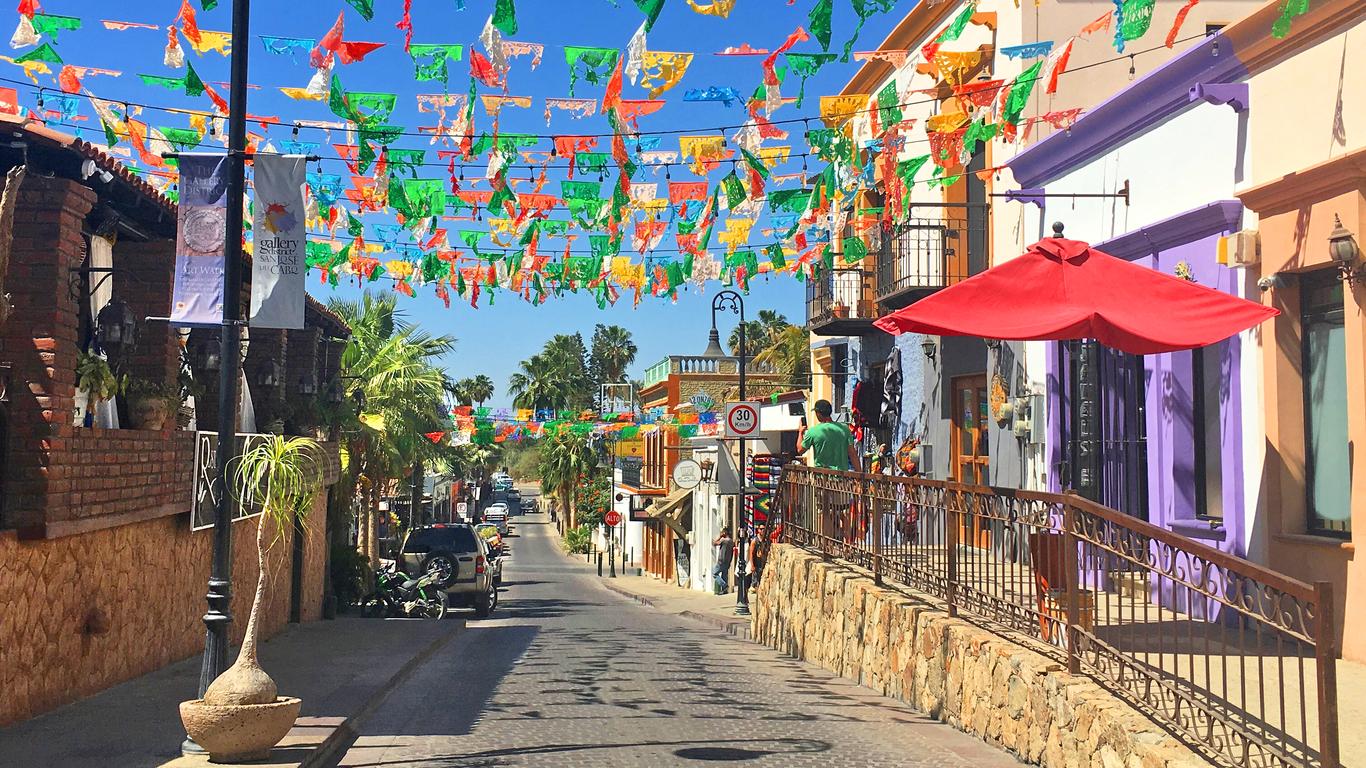
These two towns sit 20 miles apart at the southern tip of Baja California Sur, connected by a stretch of coastal highway called the Tourist Corridor, and they attract different travelers.
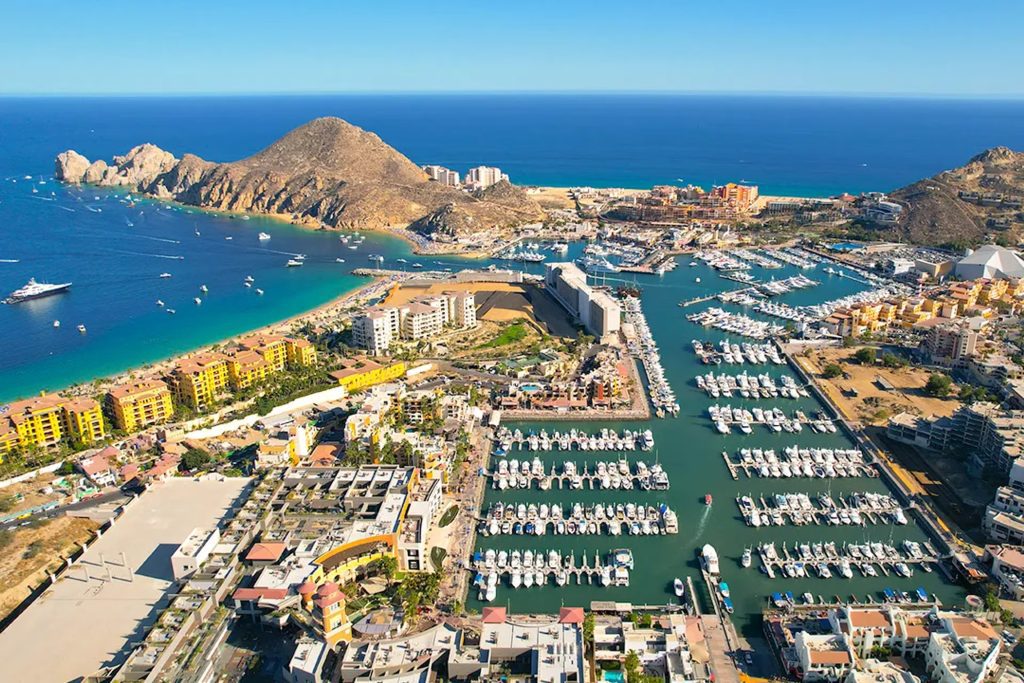
- Cabo San Lucas is loud, social, marina-centered, and built around El Arco, sport fishing, and a nightlife scene that runs well past midnight.
- San José del Cabo is quieter, older, and anchored by a colonial downtown with cobblestone streets, farm-to-table restaurants, and an arts district.
- Both are in Los Cabos, but neither is a substitute for the other.
Choosing the wrong one for your trip is the most common planning mistake visitors make. This guide breaks down the difference between the beaches, food, nightlife, cost, noise level, and transportation so you can make the right call before you book.
Head-to-Head: Cabo San Lucas vs. San José del Cabo
| Category | Cabo San Lucas | San José del Cabo |
| Atmosphere | High-energy, social, party-forward | Laid-back, colonial, arts-focused |
| Best for | Nightlife, sport fishing, bachelor/bachelorette trips, El Arco | Food-focused travelers, couples, culture seekers, longer stays |
| Walkability | High (marina to Medano Beach on foot) | Moderate (El Centro walkable; beaches require a car) |
| Swimmable beach proximity | Medano Beach — walking distance from marina | Palmilla and Chileno Bay — 5–10 min drive |
| Food scene | Tourist-heavy marina strip; best spots one block off | Consistently stronger for authentic Baja and farm-to-table |
| Nightlife | Extensive — bars open until 4 a.m. | Limited — quiet after 10 p.m. |
| Avg. luxury rental nightly rate | $500–$1,200+ (Pedregal, marina-adjacent villas) | $500–$2,500 (Palmilla, Puerto Los Cabos) |
| Noise level | Moderate–high in marina/downtown area | Low |
| Car required? | Not for the marina area; yes for Corridor beaches | Yes for most activities |
| Distance from SJD Airport | 45 min drive | 20 min drive |
Atmosphere in Cabo San Lucas vs. San José del Cabo
Cabo San Lucas
- The marina is the center of gravity in Cabo San Lucas. It’s a compact, walkable grid that holds dozens of restaurants, water sports operators, fishing charter companies, dive shops, and bars in a few square blocks.
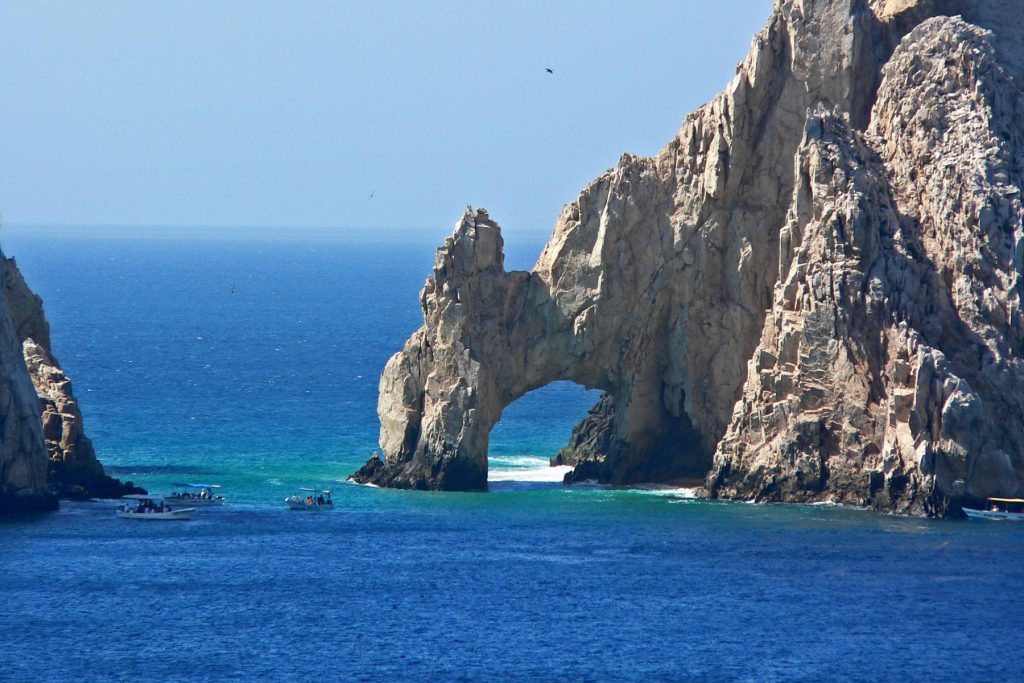
- El Arco de Cabo San Lucas, the iconic natural rock arch at Land’s End where the Pacific Ocean meets the Sea of Cortez, sits at the end of the peninsula and is accessible by water taxi from the marina pier for roughly 150–200 pesos ($8–10 USD) per person.
- Cabo Wabo on the marina strip has been hosting live rock music since Sammy Hagar opened it in 1990.
- El Squid Roe across the main drag runs table-dancing and nonstop entertainment for the younger crowd.
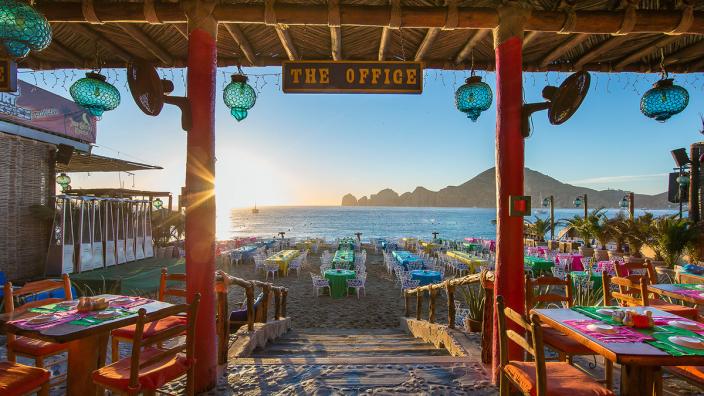
- The Office on the Beach at Medano sits directly on the sand and is packed by noon on weekends with a crowd that came for the frozen margaritas and stayed for the playlist.
The honest caveat: The marina strip’s restaurant quality varies widely. The boardwalk has over 50 restaurants competing for tourist business, and some of it is overpriced and mediocre. The better food in Cabo San Lucas is usually found one block off the water, on the streets running parallel to the marina. Marlin tacos are the signature local dish and worth tracking down at the smaller spots on the side streets rather than the waterfront behemoths.
San José del Cabo
The founding date is 1730, which is old by Baja standards, and the historic center reflects it.
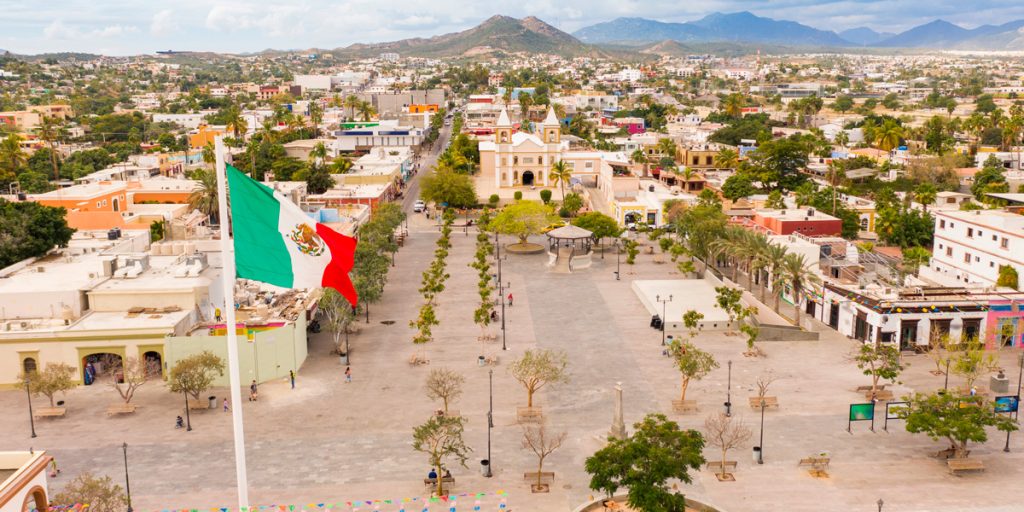
- El Centro San José is a walkable grid of cobblestone streets lined with colonial architecture, bougainvillea, murals, and the 18th-century Misión de San José del Cabo at the heart of Plaza Mijares.
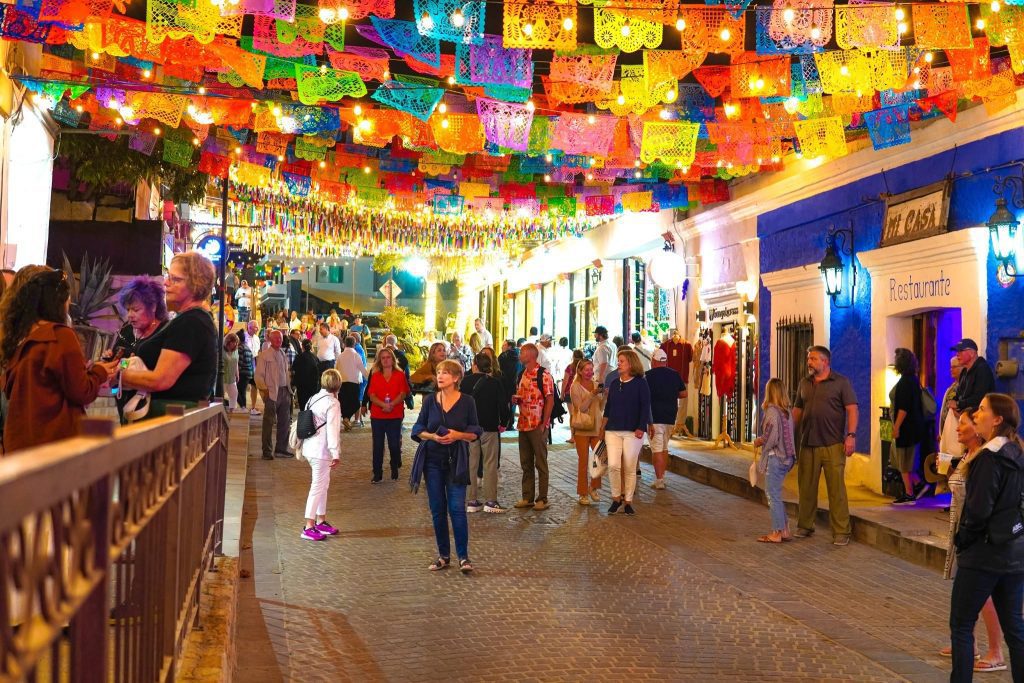
The Gallery District along Calle Obregón runs about four blocks of concentrated art galleries, boutique restaurants and independent shops, and every Thursday night from November through June, the street closes to traffic for the Art Walk, when galleries stay open until 9 p.m. and the neighborhood fills up with a mix of locals, expats, and travelers.
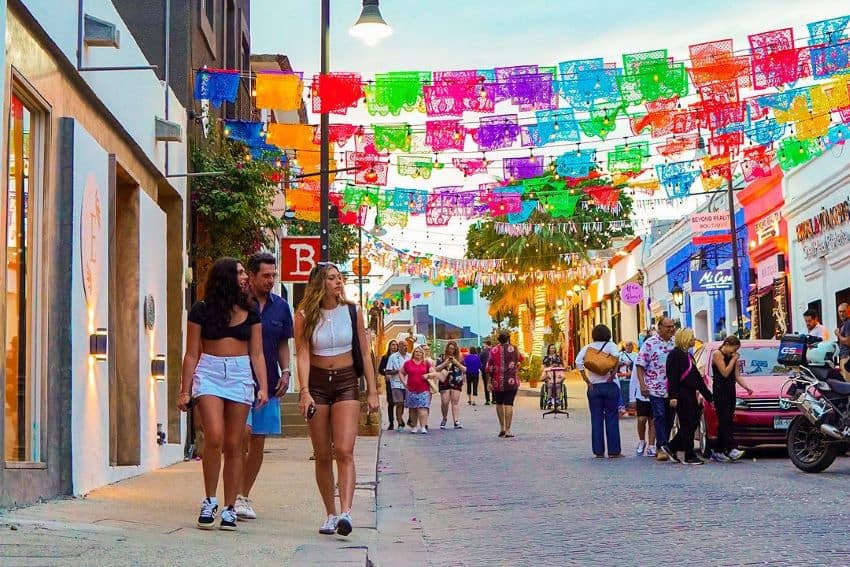
- The town received an official “Barrio Mágico” designation from the Mexican government, which is awarded to urban neighborhoods that preserve cultural and historical character.
The honest caveat: San José del Cabo doesn’t have much happening after 10 p.m., and if any member of your group wants active nightlife, they’ll be making the 30-minute drive to Cabo San Lucas or staying in for the evening. A car is also essentially required here as the beaches worth swimming at are not walking distance from El Centro, and most of the town’s best restaurants are outside the walkable downtown core.
Food in Cabo San Lucas vs. San José del Cabo
Cabo San Lucas
Cabo’s restaurant scene has a few serious entries.

- Sushi Luna’s omakase draws from the local tuna fishing fleet and earns its reputation among travelers who come specifically for it.
- Cocina de Autor at Grand Velas Los Cabos holds the only Michelin star in Los Cabos.
- Don Manuel’s at the Waldorf Astoria Pedregal does elevated hacienda-style Mexican cuisine with panoramic Pacific views from a position that requires arriving by the resort’s own funicular.
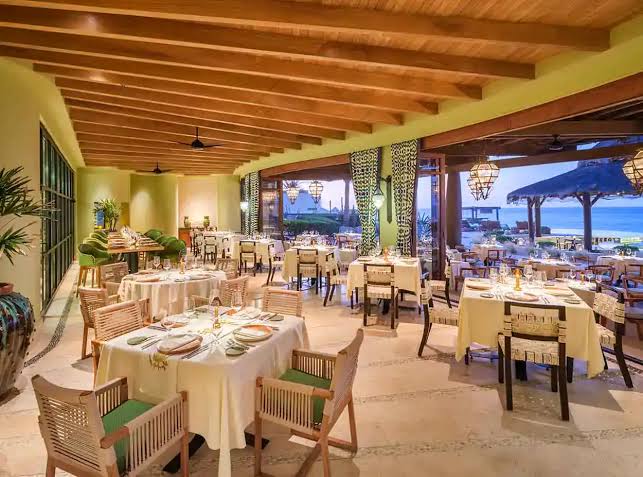
The broader downtown dining context, however, is more tourist-oriented than San José’s. The marina boardwalk prioritizes volume over quality at most spots. Travelers who eat well in Cabo do so by either knowing where to look off the main strip or driving to Corridor properties for dinner.
San José del Cabo
The food scene in San José is the strongest argument for staying on this side of Los Cabos.
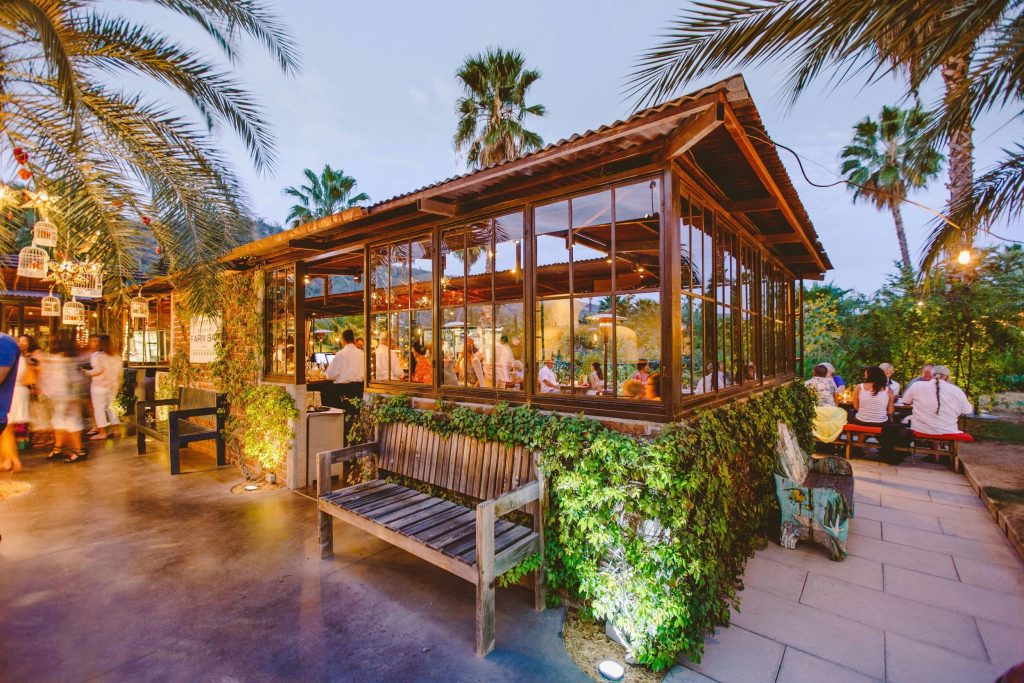
- Flora Farms is a 25-acre working farm that holds a Michelin Green Star for sustainability. The menu rotates with what’s in season, but the pork chops are a constant. Daytime visits allow farm tours, cooking classes, and access to the on-site spa.
- Acre Restaurant, set within an 12-acre mango grove off the Corridor, serves an open-fire menu in a tree canopy.
- In El Centro, La Lupita Taco & Mezcal is the most recommended spot for quality-per-peso value. Enjoy Baja fish tacos, ceviche, and a mezcal selection that runs several hundred bottles deep.
- Mi Cocina at Casa Natalia serves Baja-Mediterranean plates in a garden courtyard under string lights and is a reliable choice for a proper dinner on Art Walk nights.

- Rooftop La Dolce handles sunset cocktails well; arrive before 6:30 if you want seating with the view.
Beaches in Cabo San Lucas vs. San José del Cabo
This matters more in Los Cabos than in most coastal destinations, because the beach question is not simply about preference, but about safety. Many of Cabo San Lucas’s most visually striking beaches are not safe for swimming due to Pacific-facing currents, shore break, and steep drop-offs.
In Cabo San Lucas:
- Medano Beach is the only reliably swimmable beach in downtown Cabo. It sits inside the protected bay on the Sea of Cortez side, which shields it from Pacific swells. The beach runs from the marina to the eastern edge of the bay and is lined with beach clubs and restaurants. It’s also the most social beach in Los Cabos.
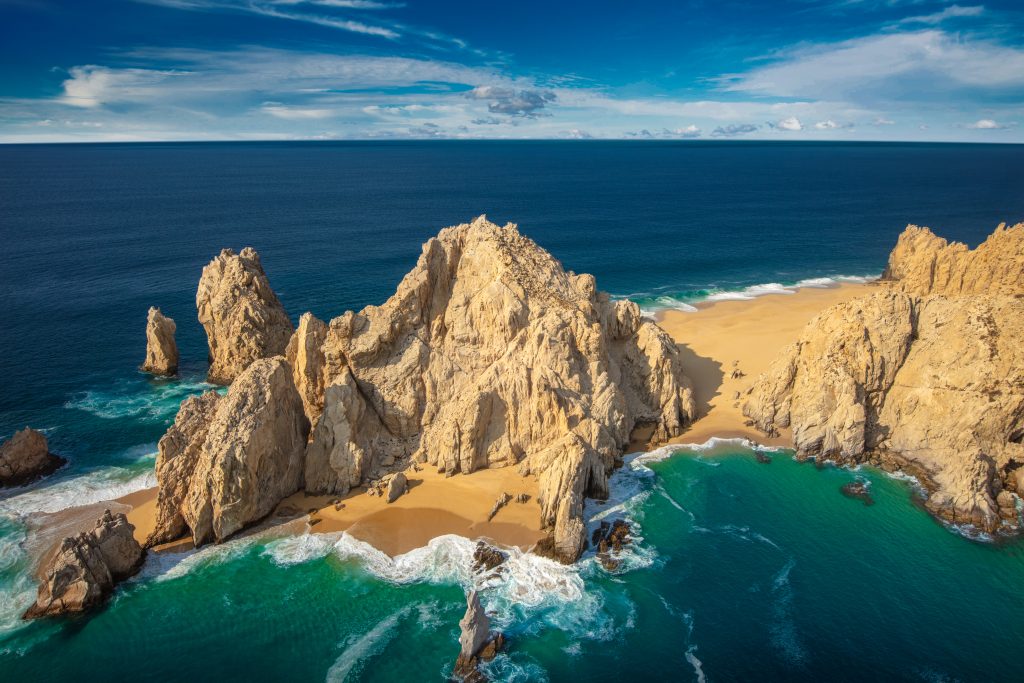
- Lover’s Beach (Playa del Amor): Accessible by water taxi from the marina pier. The Cortez-facing side is swimmable; the adjacent Divorce Beach on the Pacific side is not.
- Pedregal Beach and Solmar Beach: Pacific-facing, not safe for swimming. Visually striking; stay on the sand.
In and near San José del Cabo:
- Palmilla Beach: A protected cove about 4 miles west of San José’s downtown, with calm, shallow water and Blue Flag certification. One of the best swimming beaches in all of Los Cabos. A Jack Nicklaus–designed golf course flanks the hillside above it.
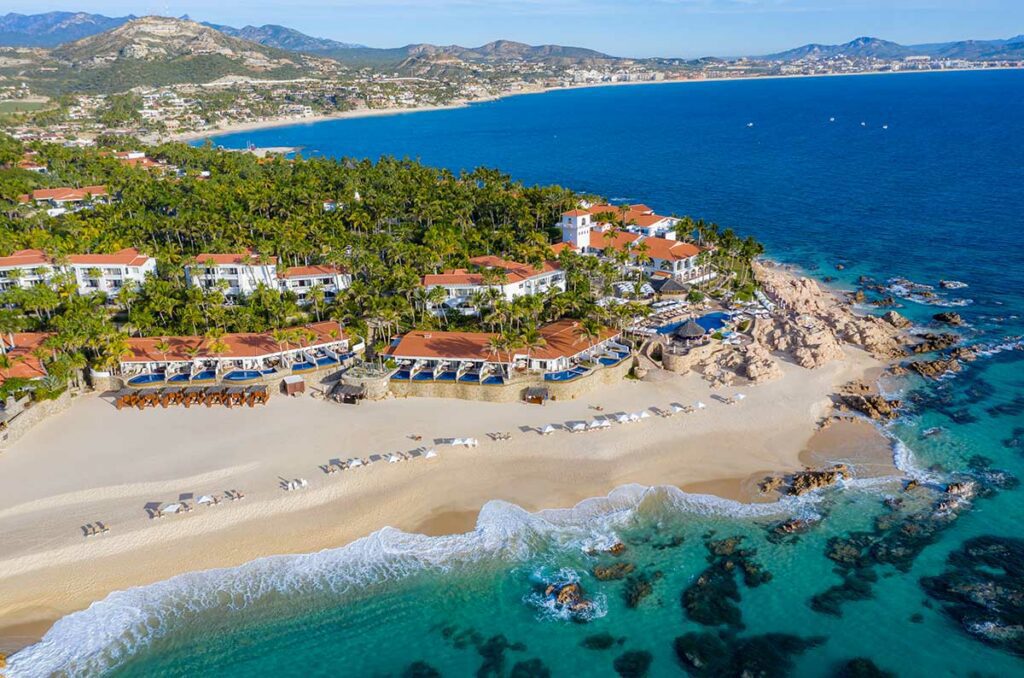
- Chileno Bay: Blue Flag certified, protected, good snorkeling, and the best swimmable cove on the Tourist Corridor. About 10 miles from San José del Cabo.
- Santa María Bay: Blue Flag certified, excellent snorkeling visibility, accessible via a short dirt road off the Corridor highway.
Nightlife in Cabo San Lucas vs. San José del Cabo
Cabo San Lucas has genuine nightlife. San José del Cabo does not.
Cabo San Lucas
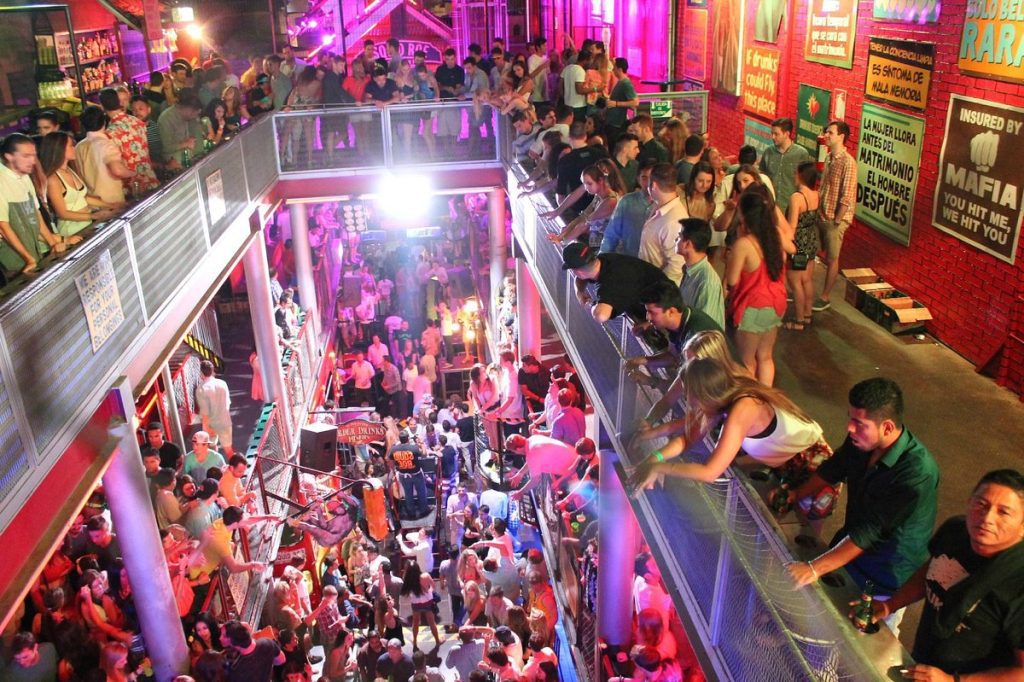
- Downtown Cabo’s bars run until 4 a.m.
- The marina strip and the area around Medano Beach host everything from dive bars to rooftop clubs to beach club pool parties.
- The crowd skews younger in peak season and older the rest of the year.
- Bachelor and bachelorette groups are a consistent presence year-round.
San José del Cabo
- Evening options are concentrated in El Centro and the Gallery District.
- The Art Walk on Thursday evenings is the most animated the town gets on a regular basis, and it’s still a home by 10 p.m. kind of vibe.
- There are cantinas, mezcal bars, and a handful of restaurants with lively atmospheres, but nothing resembling Cabo’s late-night scene.
- Travelers who want nightlife and are based in San José end up making the 30-minute drive to Cabo, which becomes either an adventure or a logistical frustration depending on your group.
Cost in Cabo San Lucas vs. San José del Cabo
- Hotels: The average hotel room in San José runs around $294/night compared to $269/night in Cabo, per Mexico News Daily data, though Corridor resort rates average significantly higher at $592/night.
- Luxury Stays: At the luxury villa level, pricing is comparable across all three zones: Pedregal villas in Cabo run $500–$1,200+/night; Palmilla and Corridor villas run $500–$2,500/night depending on size and positioning.
- Food: San José’s dining offers substantially better quality per dollar than the marina strip in Cabo. A dinner at La Lupita or Mi Cocina in San José’s Gallery District will cost less and deliver more than a comparable evening at one of the marina boardwalk’s tourist-facing spots. If your group is eating three meals a day and doing activities independently rather than through an all-inclusive, San José is the more cost-efficient base.
- Transportation: Cabo San Lucas’s compact walkability reduces transportation costs. The marina, Medano Beach, restaurants, and nightlife are all reachable on foot, which is not the case in San José or the Corridor.
A Third Option: The Tourist Corridor
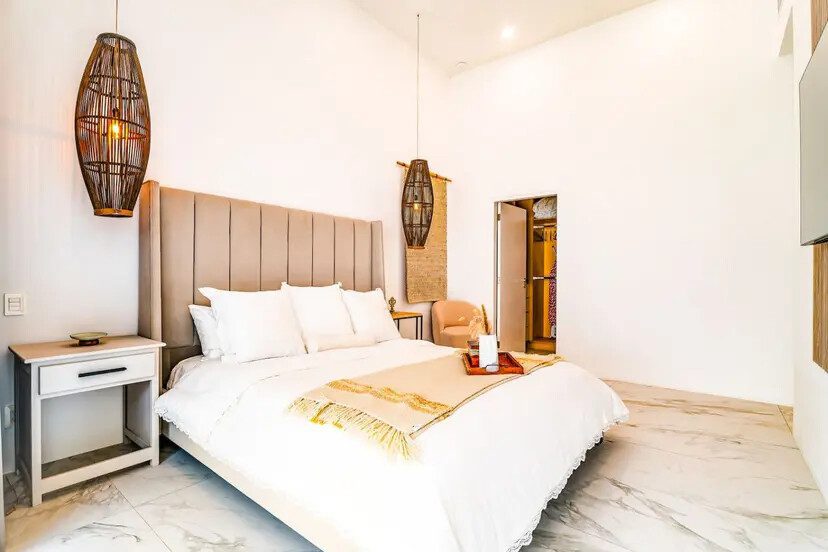
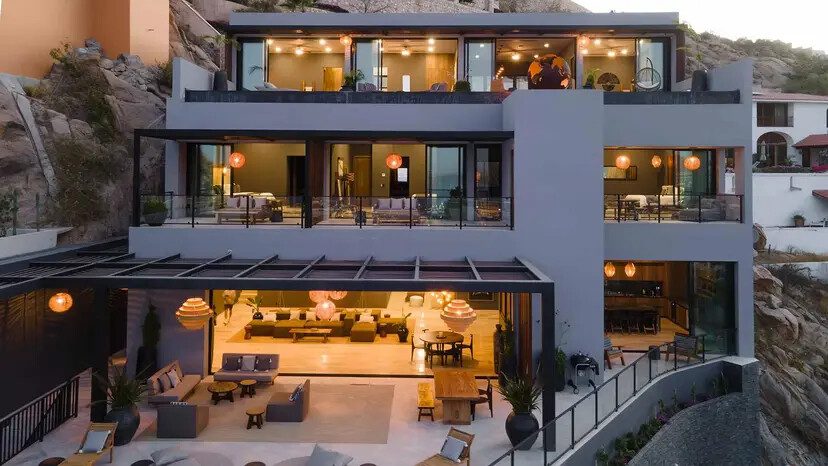
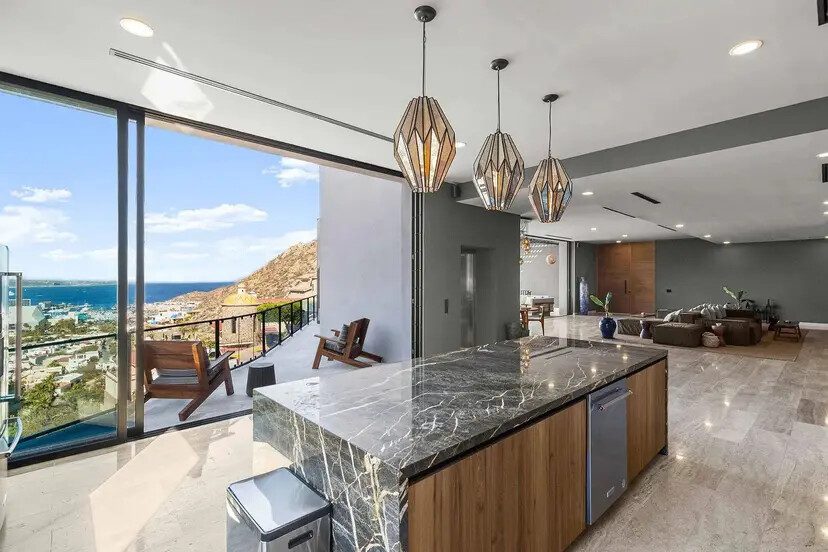
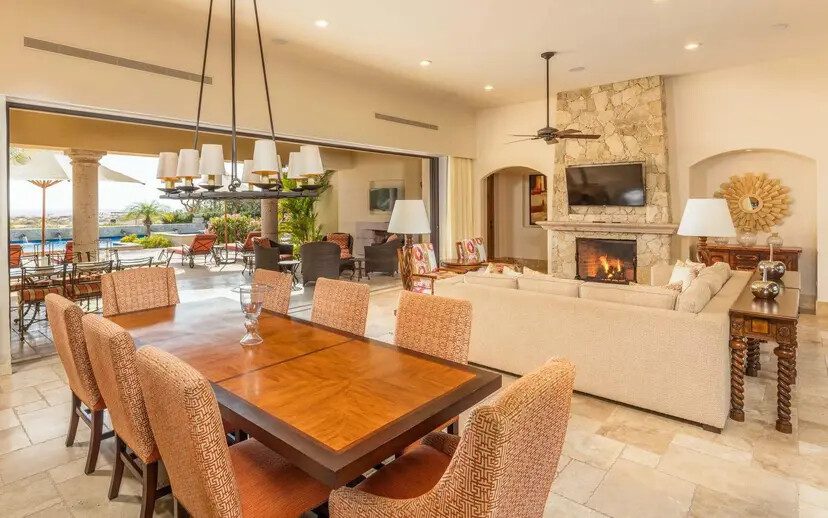
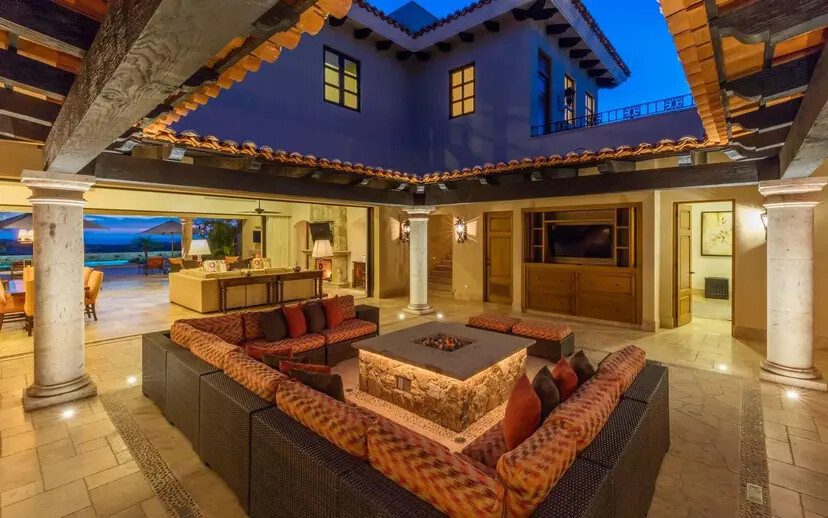
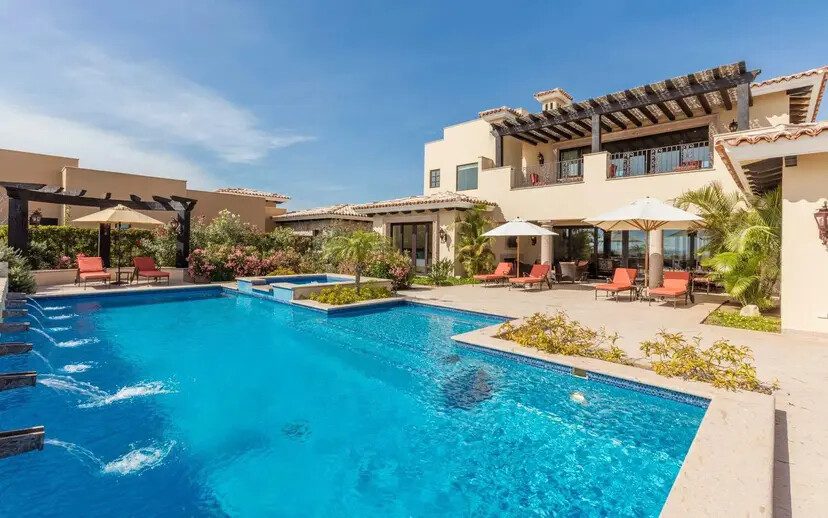
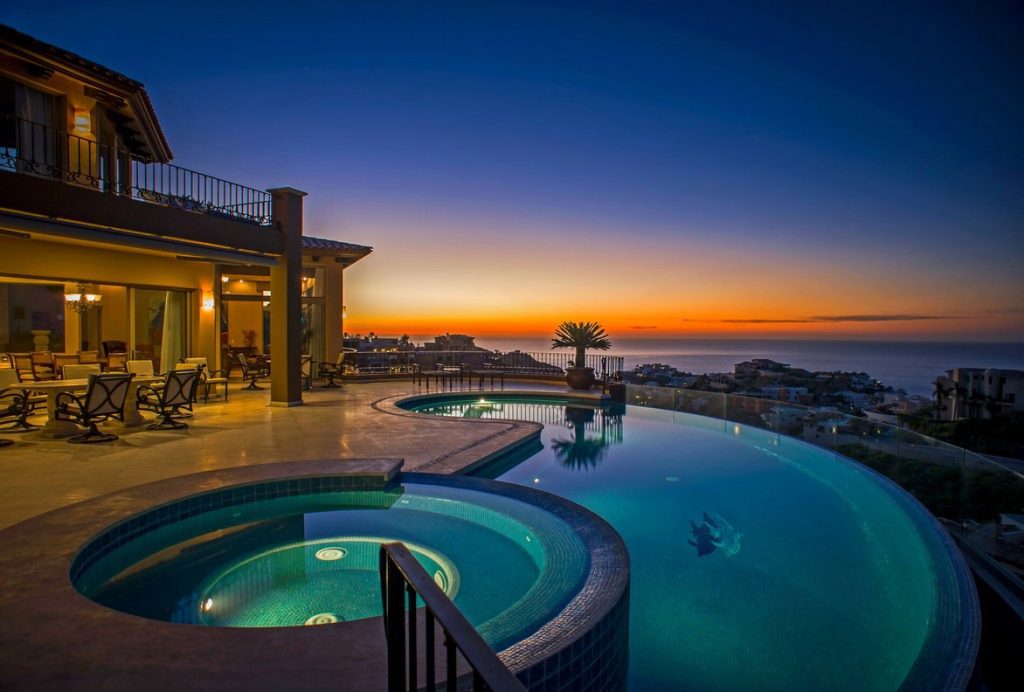
The 20-mile Tourist Corridor between the two towns is home to Los Cabos’s highest concentration of luxury resort infrastructure and some of the most desirable private villa communities in Baja, each with gated residential character, proximity to swimmable beaches, and the kind of quiet that neither downtown Cabo nor El Centro San José can quite provide.
Staying in a luxury villa in the Corridor means:
- Chileno Bay or Palmilla Beach 5 minutes away by car
- Cabo San Lucas 15–20 minutes west; San José del Cabo 10–15 minutes east
- SJD Airport approximately 25–35 minutes.
- A car or a private driver, which most Corridor villa stays can arrange through concierge, is required, but the positioning is central in the Corridor.
- Groups that want access to both towns without committing to either one’s neighborhood character, or who want the privacy of a gated villa community with a private pool and direct beach proximity, often find the Corridor more appealing than either downtown option.
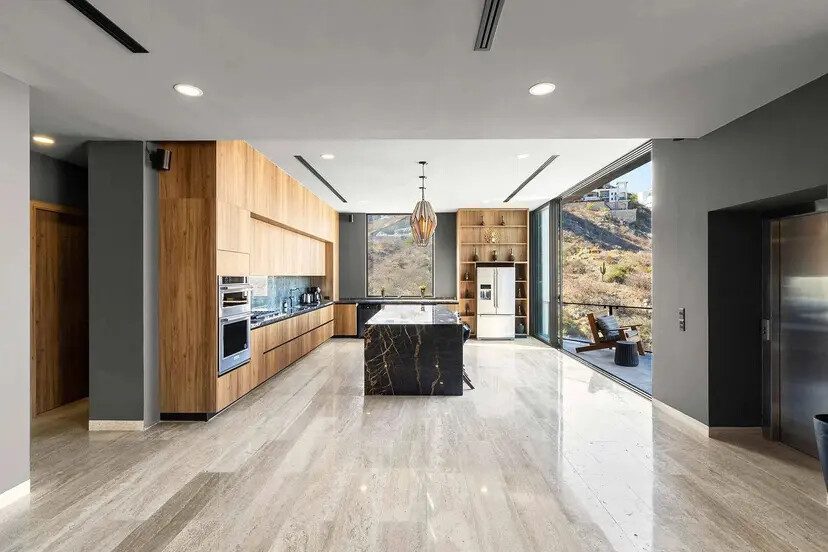
For luxury travelers specifically, the Corridor’s villa inventory represents the strongest combination of privacy, beach access, and proximity to both towns’ best restaurants and activities. The private pool eliminates dependence on public beach swimming safety conditions. A full kitchen and optional private chef service means the group can eat at Flora Farms on Thursday’s Art Walk, then cook at the villa on Friday, then drive to Cabo’s tuna sashimi spot on Saturday without being locked into any single neighborhood’s dining limitations.
Can You Visit Both?
Yes, easily, and most trips to Los Cabos will touch both towns regardless of where you’re based. The drive between Cabo San Lucas and San José del Cabo takes 25–35 minutes on Highway 1 (the Corridor route), or less in light traffic. Rideshare and taxi options exist, though driving or arranging private transportation makes the logistics more flexible. Tours departing from Cabo San Lucas typically offer hotel pickup from San José and Corridor properties for a small additional fee or at no charge.
Splitting your trip between both towns is a viable option for first-time visitors who want to experience both sides without fully committing.
Choose Cabo San Lucas If…
- Nightlife is a priority — you want bars open past midnight and a social beach scene
- El Arco and the marina experience are central to what you came for
- Your group includes a bachelor/bachelorette party or people who want high-energy days and nights
- You want to walk to most things rather than drive
- Sport fishing is on the itinerary — the best charters depart from the Cabo marina
- You’re traveling for a shorter trip (2–3 nights) and want density of activity
Find your Cabo San Lucas stay

Choose San José del Cabo If…
- Food is the focal point to your travels— Flora Farms, Acre, La Lupita, and the Art Walk dining scene are really special spots
- You want a quieter atmosphere, mornings on a patio without noise, and dinners that end at 10 p.m.
- You value cultural depth and architecture
- You’re coming with a partner and want a slower-paced and a more intimate trip
- Proximity to the airport matters (SJD is 20 minutes from San José vs. 45 from Cabo)
- You’re staying longer than 5 days and want a destination that rewards exploration
Find your San Jose del Cabo stay
Frequently Asked Questions
Is Cabo San Lucas or San José del Cabo better for families?
San José del Cabo and the Tourist Corridor are generally better fits for families, primarily because of beach safety. Palmilla Beach and Chileno Bay, both a short drive from San José, are Blue Flag certified with calm, swimmable water, which is harder to find walking distance from Cabo’s marina. Downtown Cabo has Medano Beach as a safe swimming option, but its nightlife energy and marina-adjacent noise level make it a less comfortable base for families with young children.
How far apart are Cabo San Lucas and San José del Cabo?
About 20 miles, connected by Highway 1 (the Tourist Corridor). The drive takes 25–35 minutes in normal traffic. Both towns are in the Los Cabos municipality, and most visitors to either one end up spending at least some time in both during a week-long trip.
Which side of Cabo is better for food?
San José del Cabo has the stronger overall food scene, particularly for authentic Baja cuisine and farm-to-table dining. Flora Farms and Acre Restaurant are on or near San José. The Gallery District holds La Lupita, Mi Cocina at Casa Natalia, and several other quality options within walking distance. Cabo San Lucas has its serious restaurants like Sushi Luna’s omakase and Cocina de Autor at Grand Velas, but the marina strip as a whole is more tourist-oriented and less consistent.
Which is better for nightlife — Cabo or San José?
Cabo San Lucas by a significant margin. The marina strip and downtown area have bars running until 4 a.m., beach club parties, and a dense concentration of venues across a range of volume levels. San José del Cabo’s evening scene is centered in the Gallery District and is quiet by 10 p.m. on most nights. Travelers who want active nightlife and are based in San José typically drive to Cabo for evenings out.
Is it safe to swim in Cabo San Lucas?
It depends entirely on which beach. Medano Beach, which sits inside the protected bay on the Sea of Cortez side, is the reliably swimmable beach in downtown Cabo San Lucas. Pacific-facing beaches in Cabo like Solmar, Pedregal, and the Pacific side of Lover’s Beach have dangerous currents and shore breaks and are not safe for swimming. Near San José del Cabo, Palmilla Beach and Chileno Bay are both Blue Flag certified and consistently safe.
What is the Art Walk in San José del Cabo?
The Art Walk is a weekly event in San José’s Gallery District, running every Thursday evening from November through June. The main street closes to traffic, galleries stay open until 9 p.m., and the neighborhood fills with locals and visitors exploring the art, eating at district restaurants, and drinking at the mezcal bars scattered throughout. It’s free to attend and is widely considered the best regular event in Los Cabos. Reservations at restaurants like La Lupita and Mi Cocina are strongly recommended on Art Walk nights.
Is San José del Cabo cheaper than Cabo San Lucas?
At the standard hotel level, yes. Average hotel rates run slightly lower in San José. At the luxury villa level, pricing is comparable across both towns and the Tourist Corridor. Where San José delivers consistently better value is at the restaurant level: the Gallery District offers higher-quality dining at lower prices than comparable meals on Cabo’s marina strip.
Where should I stay in Los Cabos if I want the best of both towns?
The Tourist Corridor offers the best geographic positioning for groups that want access to both. Luxury villa communities like Palmilla, Chileno Bay, and Cabo del Sol sit mid-corridor, with swimmable beaches on the doorstep, Cabo San Lucas 15–20 minutes west, and San José del Cabo and Flora Farms 10–15 minutes east. A car or private driver is required, which most villa concierge services can arrange.