
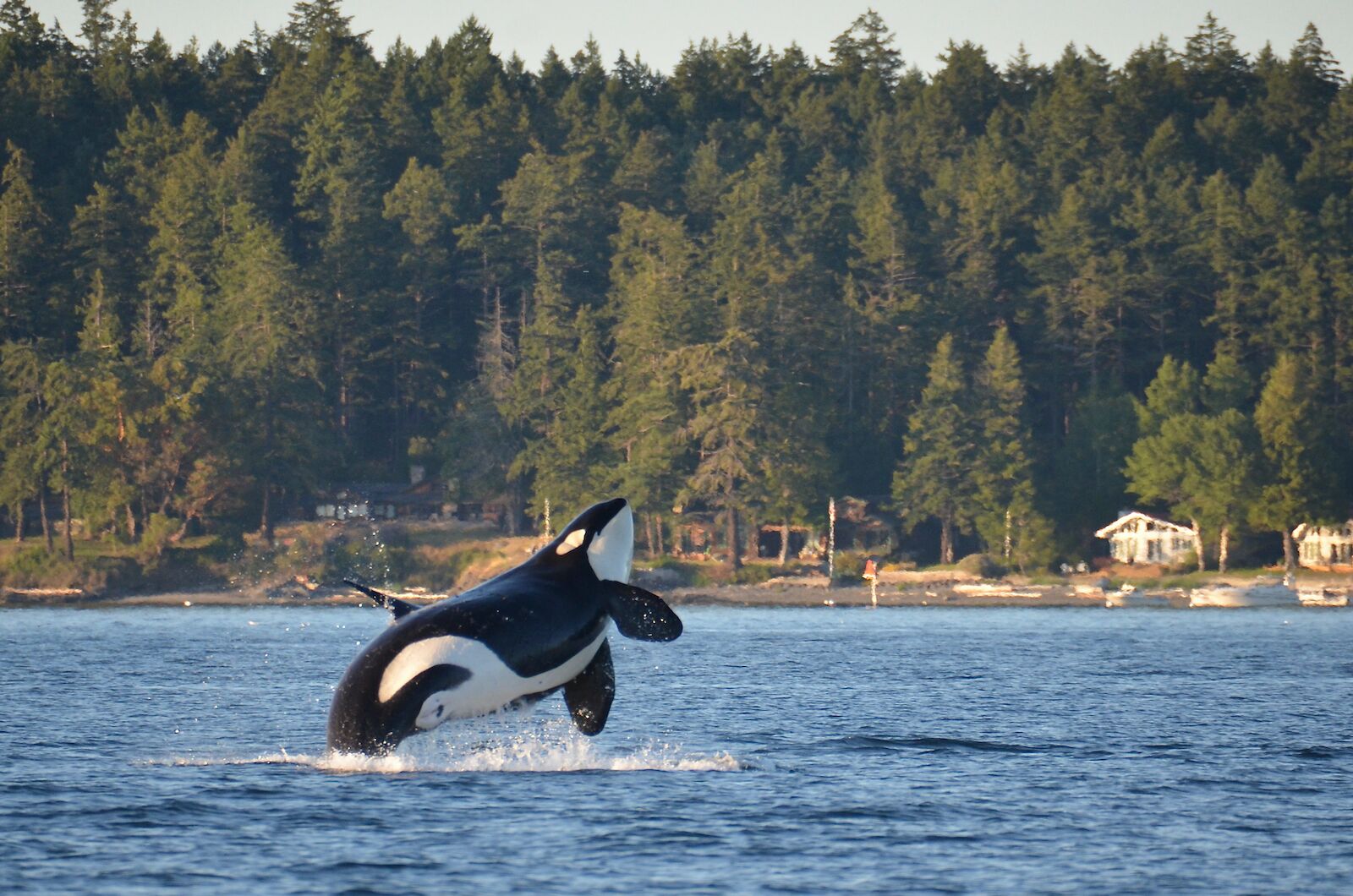
Orcas Island doesn’t have a bad season: it has different seasons, each with a real argument for showing up.
- Summer is warm, dry, and packed with whale sightings and live music.
- Fall is quieter, cheaper, and genuinely underrated.
- Spring is for wildflowers and early-bird savings.
- Winter is the island stripped back to its essentials: misty forests, wood smoke, and almost no one else around.
The honest answer to when you should go depends entirely on what you want.
If peak whale watching, kayaking in sunshine, and a buzzy Eastsound are your priorities, July and August will deliver, but you’ll share them with everyone else who wants to experience the same thing. If you’d rather have Moran State Park largely to yourself, September through October is where smart repeat visitors land.
This guide walks through every month so you can decide for yourself.
One thing to know upfront: getting to Orcas requires a Washington State Ferry from Anacortes (about a 90-minute drive north of Seattle), and ferry logistics should be your first planning priority, especially in summer.
Table of Content
- Orcas Island Month-by-Month: Weather, Crowds & Rental Pricing
- Spring on Orcas Island
- Summer on Orcas Island
- Fall on Orcas Island
- Winter on Orcas Island
- Major Events in 2026
- Booking Lead Times by Season
- Tips
- FAQs
Orcas Island Month-by-Month: Weather, Crowds & Rental Pricing
| Month | Avg High (°F) | Avg Rainfall | Crowd Level | Rental Pricing Tier | Best For |
| January | 42°F | 3.5 in | Very Low | Budget | Solitude, cozy cabin stays |
| February | 44°F | 2.8 in | Very Low | Budget | Storm watching, off-season pricing |
| March | 50°F | 2.5 in | Low | Budget-Moderate | Wildflowers starting, fewer visitors |
| April | 54°F | 2.0 in | Low-Moderate | Moderate | Spring blooms, early whale watching |
| May | 60°F | 1.5 in | Moderate | Moderate-High | OrcasFest folk music, long evenings |
| June | 65°F | 1.0 in | Moderate-High | High | Warm weather without peak-August crowds |
| July | 71°F | 0.6 in | Peak | Peak | Best weather, whale watching, festivals |
| August | 70°F | 0.7 in | Peak | Peak | Chamber Music Festival, warmest water |
| September | 65°F | 1.1 in | Moderate | High-Moderate | Shoulder season sweet spot |
| October | 55°F | 2.2 in | Low-Moderate | Moderate | Fall color, farm-to-table dining |
| November | 47°F | 4.2 in | Very Low | Budget | True off-season, quiet island life |
| December | 43°F | 4.5 in | Very Low | Budget | Holiday on the Green, fireplace season |
*Temperature averages based on Orcas Island Airport climate data. Rainfall is approximate and significantly lower than the Seattle average due to the Olympic Mountains rain shadow effect.
Spring on Orcas Island (March–May)
Spring is the season that Orcas locals quietly recommend to friends.
The island is coming back to life: wildflowers appear on Turtleback Mountain Preserve‘s eight-plus miles of trails, the Eastsound Farmers’ Market reopens on Saturday mornings at the Village Green, and you can actually find a table at Hogstone’s Wood Oven without waiting an hour.
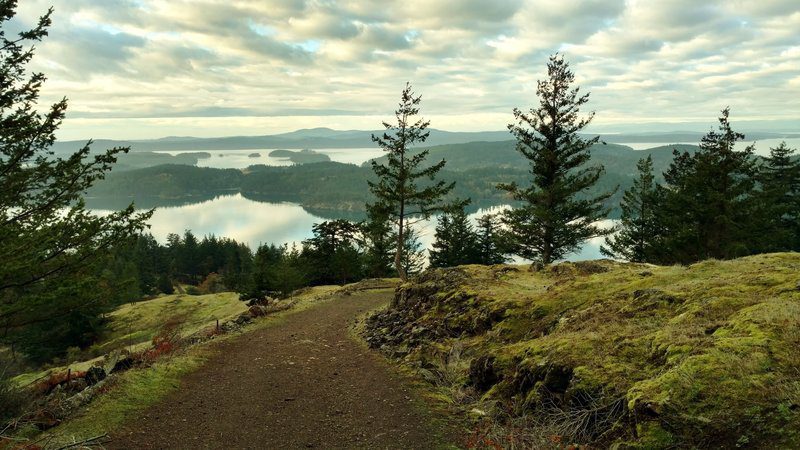
Weather in March and April is Pacific Northwest real: expect highs in the low-to-mid 50s, occasional showers, and wind. The key thing to understand about Orcas’ weather is that the rain shadow effect from the Olympic Mountains means the islands receive roughly half the rainfall of Seattle, around 27 inches annually. You’ll still get wet days in spring, but fewer than you’d expect, and they often clear mid-afternoon.
By May, things warm up meaningfully, with highs approaching 60°F and the longest days of the year starting to stretch out. May is also when whale watching really picks up — orcas, humpbacks, and minke whales all pass through the Salish Sea as salmon runs strengthen. Outer Island Excursions, based on Rosario Road in Eastsound, offers tours starting late February.
Tip: Some seasonal businesses haven’t fully opened yet in March and early April. Hours at restaurants like Brown Bear Baking (Main Street & North Beach Road, Eastsound) can be reduced, and a handful of activity outfitters don’t spin up until closer to Memorial Day weekend. Always call ahead or check current hours before making plans around a specific restaurant or tour.
2026 Spring Event to Know: OrcasFest Folk Music Festival returns for its second annual edition, planned for late May, with performances spread across intimate venues in Eastsound like historic chapels, the Odd Fellows Hall, cafes, and hotels. The 2025 debut was a genuine community-built event with national touring artists alongside local talent. Watch their website for 2026 dates.
Booking lead time: Spring rentals on Orcas are genuinely available with 4–6 weeks notice. Ferry reservations are released in tiers (30% at two months, 30% at two weeks, 30% at two days before sailing). In spring, you’ll typically find space without much scrambling.
Summer on Orcas Island (June–August)
This is peak Orcas, and it earns it. July averages 71°F with less than an inch of rain for the entire month: dry, bright, and consistently pleasant. The water around the island is alive with marine activity, the trails in Moran State Park are at their most photogenic, and Eastsound hums with visitors, gallery openings, and farmers’ market energy every Saturday.
June is arguably the smartest summer month to visit. The weather has arrived, but August crowds haven’t. You can walk into Hogstone’s on a Tuesday without a reservation, snag a kayak at Cascade Lake on a weekend morning, and still find ferry reservations available if you book 3–4 weeks out.

July and August are different.
This is when the island’s 6,000 residents absorb a significant seasonal population surge, and it shows. The 4th of July Parade through Eastsound draws big crowds. The Orcas Island Chamber Music Festival, a nationally regarded classical music event held in August at Orcas Center (917 Mount Baker Road), sells out well in advance. Cider & Mead Fest brings visitors specifically for that event.
Kayak rentals at Cascade Lake and Mountain Lake operate on first-come, first-served or advance-reservation bases respectively, and both lakes can feel busy on sunny weekend afternoons.
Summer whale watching: Mid-May through mid-September is peak season, with Southern Resident orca pods, Bigg’s killer whales, humpbacks, and minke whales all active in the Salish Sea. Tour operators report viewing rates above 90%, and the window of peak activity aligns squarely with summer vacation schedules. For shore-based viewing, the dock at West Beach Resort and North Beach are local favorites.
Tip #1 — The ferry situation is real: Summer ferry reservations for vehicle travel sell out fast. Washington State Ferries releases 30% of spaces per sailing two months out, and popular dates are gone within minutes of that release. If you’re traveling with a car in July or August, put “book ferry” on your calendar the moment your travel dates are set. Standby wait times on summer weekends can stretch several hours. Walking on as a foot passenger has no reservation requirement, and renting a car at the Orcas terminal through OrcasCars.com is a legitimate option if you fly in via Kenmore Air from Seattle.
Tip #2 — Peak pricing: Vacation rental rates in July and August are at their highest of the year. Groups who book a house with a private outdoor space and a full kitchen often find it cheaper per person than booking multiple hotel rooms, but either way, Orcas in high summer is not a budget destination.
Fall on Orcas Island (September–October)
Repeat visitors who’ve done July once often shift to September for all future trips. The logic is sound as September still delivers 65°F highs, whale watching tours continue, the trails are gorgeous, and the crowds thin out noticeably after Labor Day.
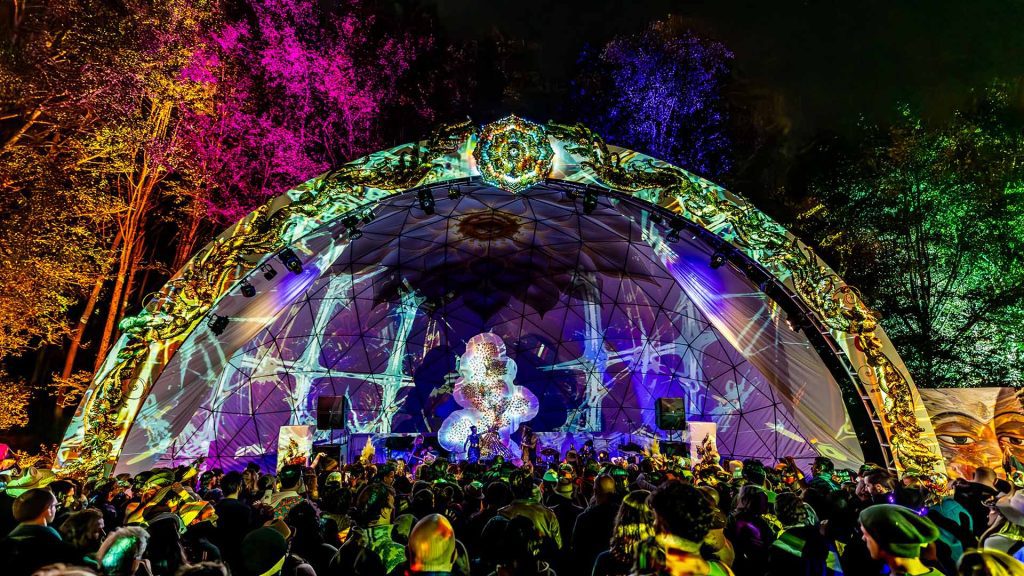
The Imagine Music and Arts Festival runs in early September (held at the Doe Bay area in past years), adding a genuine reason to visit in that window specifically.
October brings the temperature down to the mid-50s and rainfall starts to pick up again, but the island’s forests turn, and the light on Eastsound in early October, low and golden, is something that photographers understand. Farm-to-table dining comes into its own in fall: Tekla Farms’ U-pick berry fields and cut flower operation on Olga Road is a local favorite, and the island’s restaurant scene draws on fall harvest in ways that feel distinctly different from summer menus.
The honest trade-off in fall is that some seasonal businesses begin pulling back hours or closing for the season after October. Always verify hours at specific restaurants and activity outfitters before you arrive.
Booking lead time: September rentals benefit from booking 6–8 weeks out. October is often available with 2–4 weeks notice, sometimes less, especially mid-week.
Winter on Orcas Island (November–February)
Winter on Orcas is not for everyone, and it shouldn’t pretend to be. November through February is genuinely quiet while some restaurants operate on reduced schedules or close for stretches, whale sightings are less predictable (though not impossible), and the island sees its lowest visitor numbers. December rainfall averages nearly 4.5 inches, the wettest month of the year.
What winter offers is a private version of the island most summer visitors never see. Cabins and vacation rentals with fireplaces book at their lowest rates.
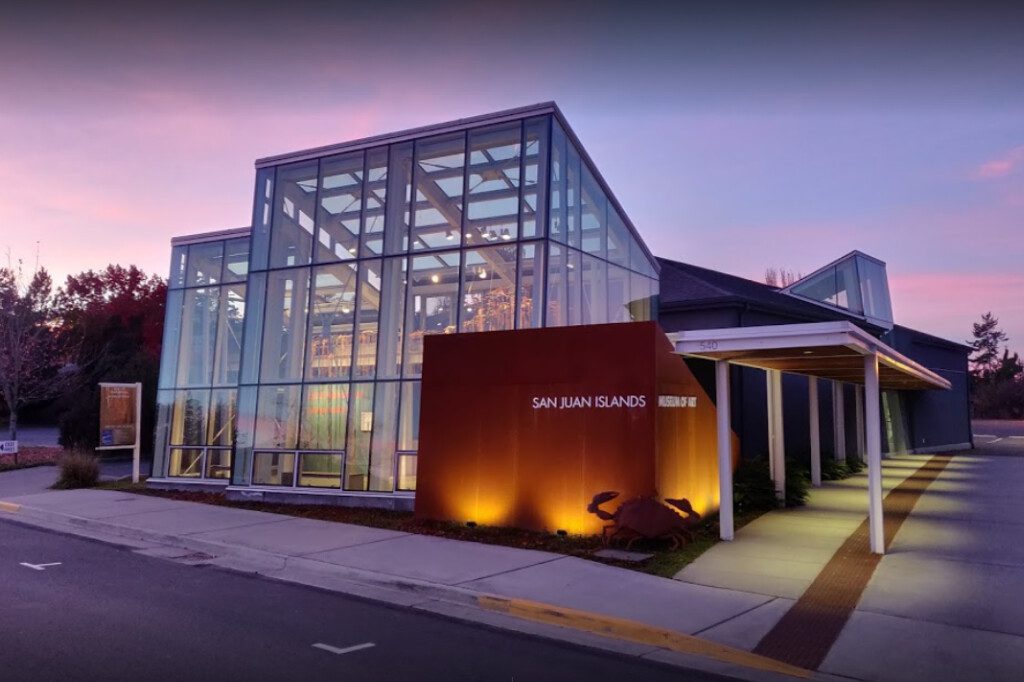
The Orcas Center hosts plays and performances through the winter — Orcas Center Theater, consistently active through the colder months, is a genuine cultural anchor for the local community. The San Juan Islands Museum of Art in Eastsound hosts its annual Artists’ Registry Show in December and January. The Holiday on the Green tree lighting and the Winter Artisans Market are worth knowing about if you’re visiting in December.
Snow is rare on Orcas and the island typically sees a random storm once every few years. What you will get is mist, overcast mornings, and the occasional cold wave driven by northeast winds from the Fraser Valley. This is a fireside-and-book kind of season, and a vacation rental with a proper wood stove or fireplace is the right accommodation choice.
Whale sightings are possible, but less reliable in the winter. The Southern Resident pods typically leave the Salish Sea by late October or November as salmon runs decrease. Bigg’s killer whales can still appear. If winter whale watching is a priority, contact local operators directly before booking.
Major Events Calendar: Orcas Island 2026
| Event | Approximate Dates | Location |
| Salish Sea Early Music Festival | March | Orcas Center & local venues |
| Eastsound Farmers’ Market reopens | April (Saturdays) | Village Green, Eastsound |
| OrcasFest Folk Music Festival | Late May | Multiple venues, Eastsound |
| Orcas Island Film Festival | June | Orcas Center |
| 4th of July Parade & Fireworks | July 4 | Eastsound |
| Orcas Island Artists Studio Tour | July | Island-wide |
| Orcas Island Chamber Music Festival | August | Orcas Center |
| Cider & Mead Festival | Summer | Orcas Island |
| Imagine Music & Arts Festival | Early September | Doe Bay area |
| Olga Daze | Late Summer/Fall | Olga |
| Labor Day Jazz Fest | Labor Day Weekend | Eastsound |
| Orcas Island Film Festival (fall) | September | Orcas Center |
| Holiday on the Green Tree Lighting | December | Eastsound Village Green |
| Winter Artisans Market | December | Eastsound |
*Dates for 2026 events should be confirmed with the Orcas Island Chamber of Commerce at orcasislandchamber.com closer to the season.
Booking Lead Times by Season
| Season | When to Book Lodging | When to Book Ferry (With Vehicle) |
Ferry Walk-On? |
| Summer (Jul–Aug) | 3–6 months out | Day reservations release (2 months out) | No reservation needed |
| Late Spring (May–Jun) | 6–8 weeks out | 3–4 weeks out | No reservation needed |
| Fall (Sep–Oct) | 4–6 weeks out | 1–2 weeks out | No reservation needed |
| Winter (Nov–Feb) | 1–2 weeks out | Often same-week availability | No reservation needed |
| Early Spring (Mar–Apr) | 2–4 weeks out | 2–3 weeks out | No reservation needed |
A note on ferry booking that isn’t obvious: You need a separate reservation for your outbound sailing and your return sailing when traveling to Orcas. The 30% release at two months out is the one that fills fastest for popular dates. Set a calendar reminder and be online at 7:00 AM PST on that release day.
Practical Tips for Every Season
- You need a car on Orcas. Unlike San Juan Island, which has some shuttle infrastructure, Orcas Island is 57 square miles with no meaningful public transit. The island shuttle costs $40+ for a day pass. Moran State Park’s main trailhead is 13 miles from the ferry terminal — biking is not a casual option for most visitors. Either bring your vehicle on the ferry or rent one at the terminal through OrcasCars.com.
- Cell service is limited. Verizon works best on the island, and coverage is strongest in Eastsound and near the ferry landing. Download offline maps before you arrive.
- Layers are required, year-round. Even July can produce a 20-degree temperature swing between a sunny afternoon and the evening. A fleece and a windbreaker belong in every bag.
- Drive carefully at dawn and dusk. Deer are everywhere on Orcas, and collisions are a regular local concern on the island’s country roads.
- Eastsound is the hub. Nearly all the dining, shopping, and services are concentrated in Eastsound, about 15 minutes from the ferry terminal. If you’re staying outside of town in the Deer Harbor area, near Olga, or at the north end, factor in drive times for dinner reservations.
- Vacation rentals make group math work. A house with a full kitchen, outdoor space, and multiple bedrooms in Eastsound puts you within walking distance of Brown Bear Baking for morning pastries, Hogstone’s for wood-oven pizza in the evening, and the Saturday farmers’ market — without anyone sharing a bathroom with a stranger. Groups of four or more generally find a rental more cost-effective than hotel rooms at any time of year. Browse available Eastsound vacation rentals to see what’s open for your dates.
Frequently Asked Questions
What is the best month to visit Orcas Island?
July is the consensus pick for most visitors: it’s the driest month of the year (typically under an inch of rain), average highs reach 71°F, whale watching is at peak activity, and Eastsound is fully alive with markets and events.
The trade-off is that July is also when ferry reservations are hardest to get and rental rates are highest. If you want the best weather with slightly fewer logistics headaches, early June or early September are strong alternatives.
When is whale watching season on Orcas Island?
The main whale watching window runs from approximately May through September, with mid-May through mid-September considered peak season. Southern Resident orca pods, Bigg’s killer whales, humpbacks, and minke whales are all active in the Salish Sea during this period.
Tour operators based in Eastsound, including Outer Island Excursions on Rosario Road, report sighting rates above 90% during peak months. Winter sightings are possible but significantly less predictable.
How far in advance should I book a ferry to Orcas Island in summer?
If you’re traveling with a vehicle in July or August, book the moment reservations open — that’s 30% of spaces released two months before the summer sailing season begins (typically mid-April for summer sailings starting in mid-June).
Those spaces sell out within minutes on popular dates. If you can’t get a vehicle reservation, consider leaving your car in Anacortes and renting one at the Orcas terminal, or booking a flight on Kenmore Air from Seattle.
Is Orcas Island worth visiting in winter?
Yes, but with honest expectations. November through February is genuinely quiet: some restaurants reduce hours or close, whale sightings are less reliable, and rain is frequent.
What you get in exchange is significantly lower rental rates, zero ferry reservation stress, and an island that feels like it belongs to the people who live there. It’s a good season for couples or small groups who want a fireplace, long hikes in empty forests, and excellent off-peak value.
What are the best fall events on Orcas Island?
Labor Day Jazz Fest over the Labor Day weekend is a local favorite in Eastsound. The Imagine Music and Arts Festival, a 3-day roots and world music event held at the Doe Bay area in early September, has grown significantly in recent years.
The Orcas Island Film Festival runs in September. For foodies, fall is prime farm-to-table season, with Tekla Farms and harvest menus at island restaurants drawing visitors specifically for October weekends.
Does it snow on Orcas Island?
Rarely. The island’s maritime climate keeps temperatures mild enough that meaningful snow events happen only once every few years. When cold Arctic air does push south from the Fraser Valley, it mainly affects Orcas and the northern San Juan Islands.
Don’t expect snow, but don’t be completely surprised by a light dusting if you visit in January or February.
What is the quietest time of year on Orcas Island?
January and February see the fewest visitors. The island settles into a very local rhythm — community events at Orcas Center, reduced restaurant hours, and long empty stretches on trails like the Mountain Lake Loop in Moran State Park.
For travelers who actively want to avoid crowds, this is the window. Ferry reservations are rarely needed, and lodging rates are at their lowest of the year.
Can I visit Orcas Island without a car?
Technically, yes. Walk-on ferry passengers need no reservation, and there is a shuttle service on the island. Practically, it’s limiting. The shuttle costs over $40 for a day pass and doesn’t reach all parts of the island.
Eastsound itself is walkable once you’re there, but the ferry terminal is nearly nine miles away. The most realistic car-free option is flying in via Kenmore Air (which operates seaplane and land-plane service from Seattle) and renting a vehicle from OrcasCars.com, which allows pickup directly at the terminal.
Ready to plan your Orcas Island trip?
Browse vacation rentals in Eastsound near Orcas Island, available year-round with flexible dates and no hidden fees.